Discover insights about this artwork
Château Noir and Mont Sainte-Victoire, c. 1890- — History & Facts
In Château Noir and Mont Sainte-Victoire, the viewer is greeted by a vibrant landscape filled with rich greens and blues. The painting features the iconic Mont Sainte-Victoire, a mountain that Cézanne often depicted, set against a backdrop of a dark château. The colors are bold and expressive, with thick brushstrokes that create a sense of depth and texture.
The sky is painted in soft blues, contrasting beautifully with the earthy tones of the landscape. Cézanne's technique in this painting showcases his unique approach to form and color. The use of short, thick brushstrokes creates a dynamic surface that invites the viewer to explore the details. The composition is carefully balanced, with the château and mountain positioned to draw the eye across the canvas.
The painting is executed in oil on canvas, typical of Cézanne's work during this period. Paul Cézanne, a key figure in the Post-Impressionist movement, sought to bridge the gap between Impressionism and Cubism. This work, painted around the 1890s, reflects his fascination with the structure of the landscape and the interplay of light and color. Interestingly, Château Noir and Mont Sainte-Victoire was part of a series of works that focused on this mountain, illustrating Cézanne's deep connection to the Provençal landscape.
His innovative style laid the groundwork for modern art, influencing countless artists after him.
More Artworks by Paul Cézanne
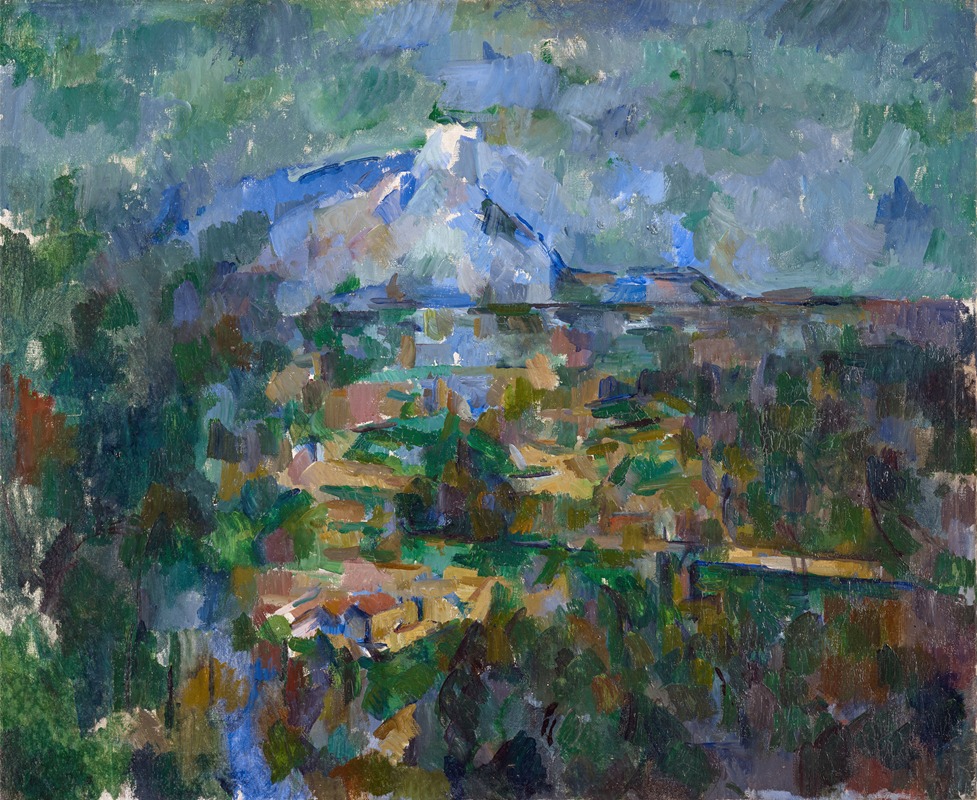
The Mont Sainte-Victoire Seen From Les Lauves
Paul Cézanne
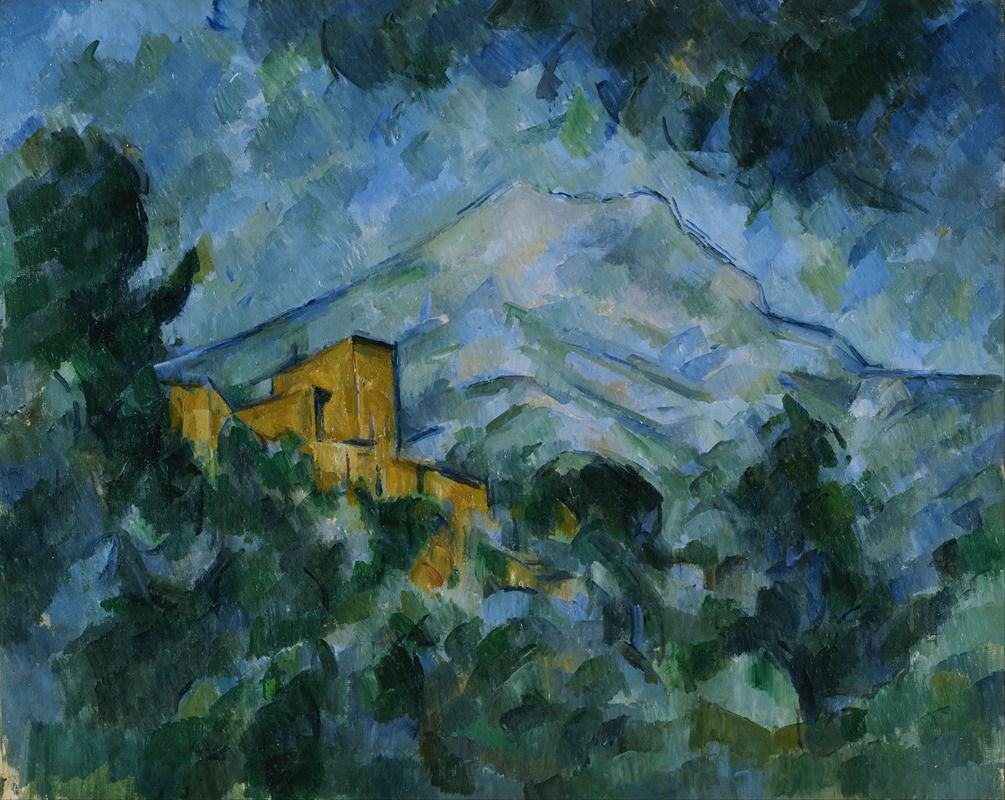
Mont Sainte-Victoire and Château Noir
Paul Cézanne
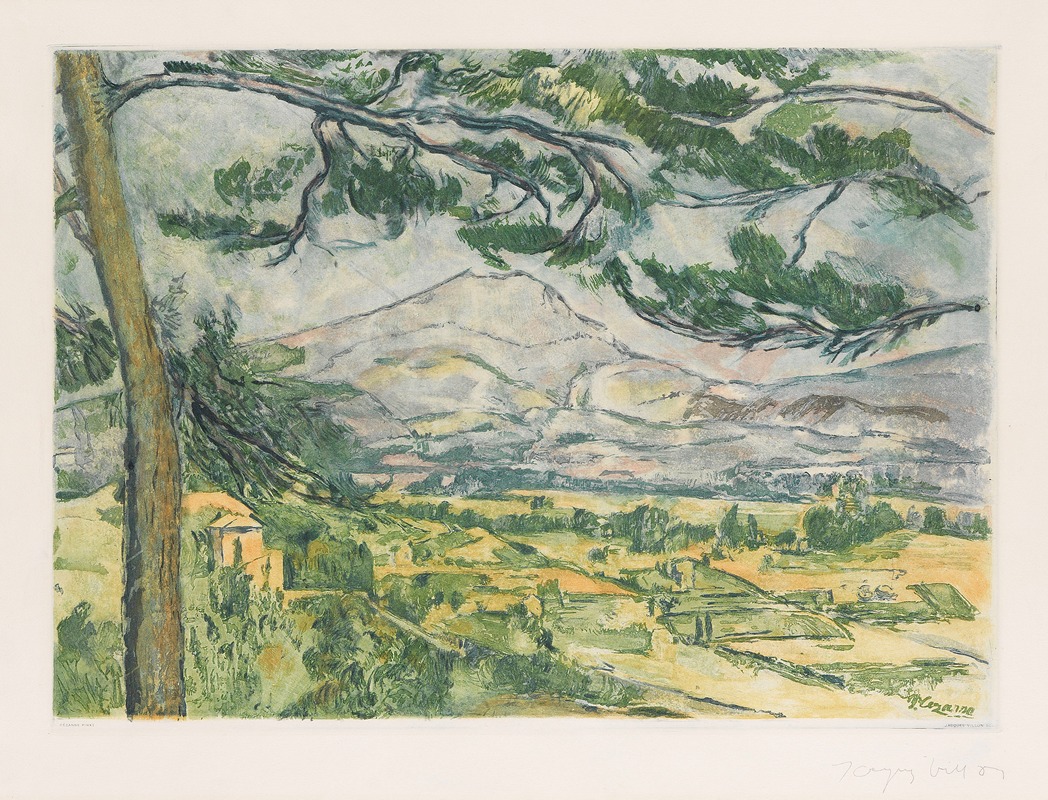
La Montagne Sainte-Victoire
Paul Cézanne
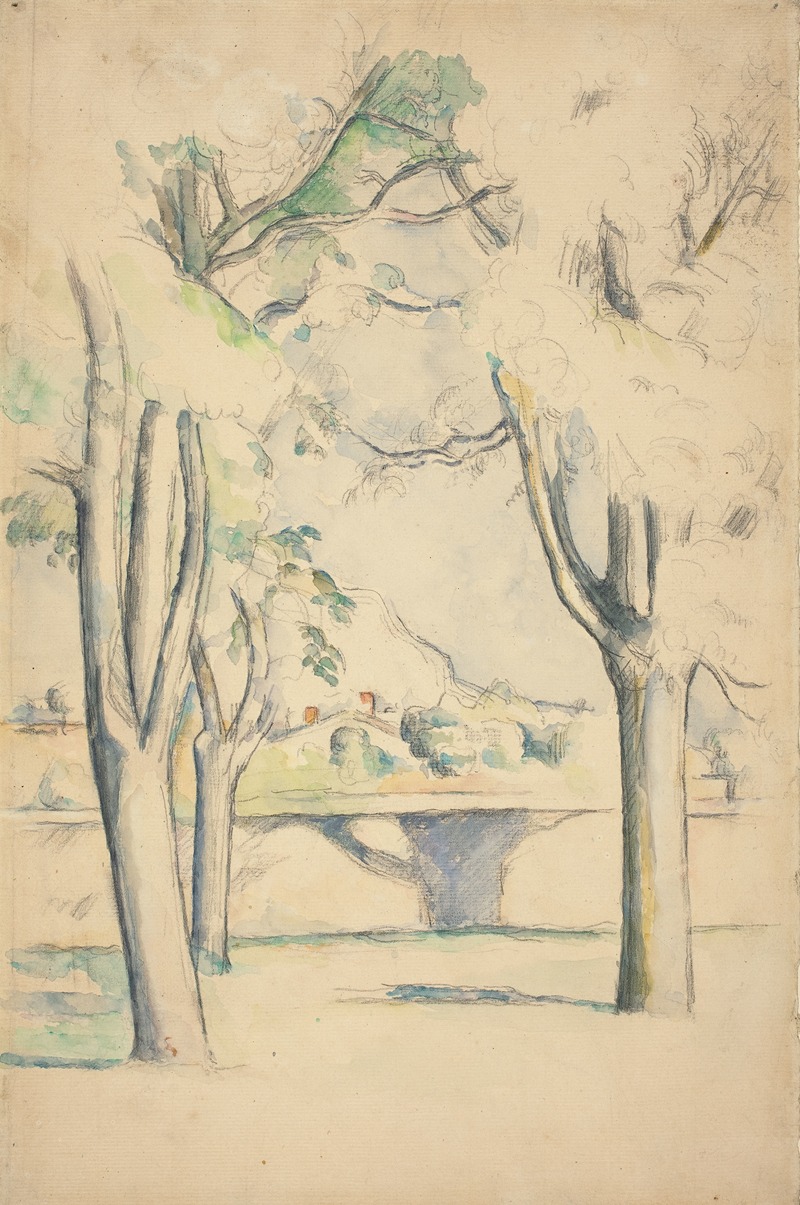
Mont Sainte-Victoire Seen beyond the Wall of the Jas de Bouffan
Paul Cézanne
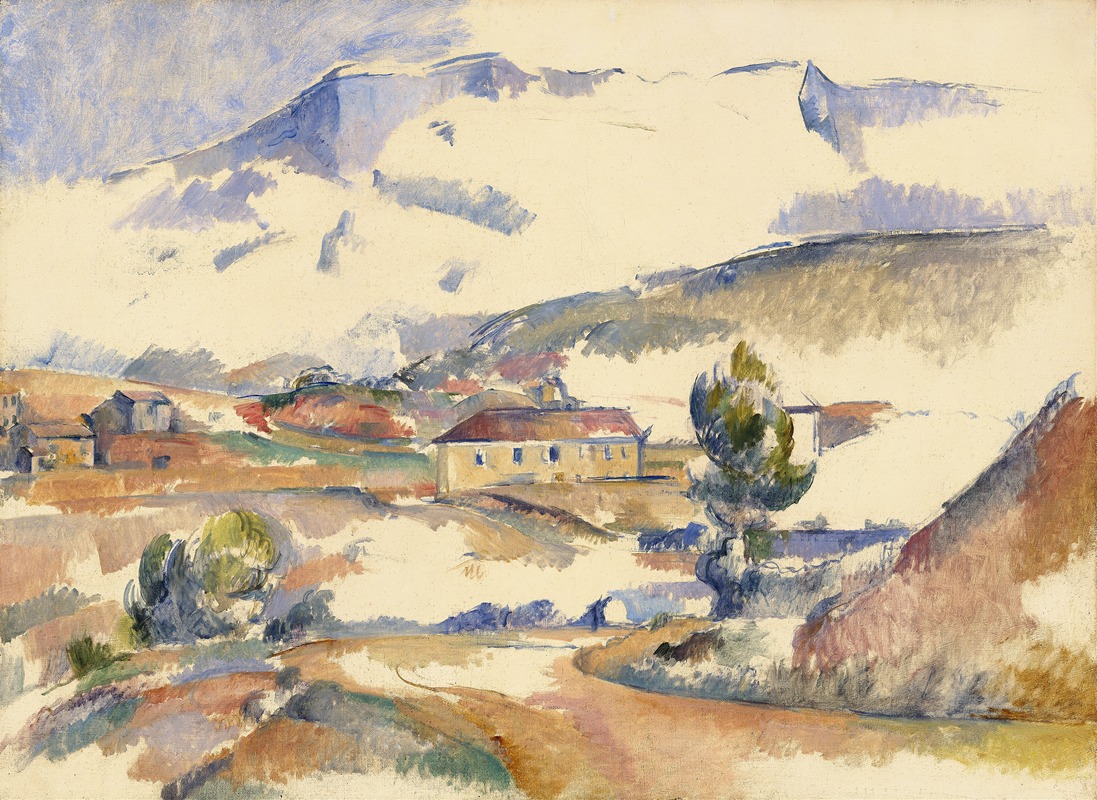
Montagne Sainte-Victoire,from near Gardanne
Paul Cézanne
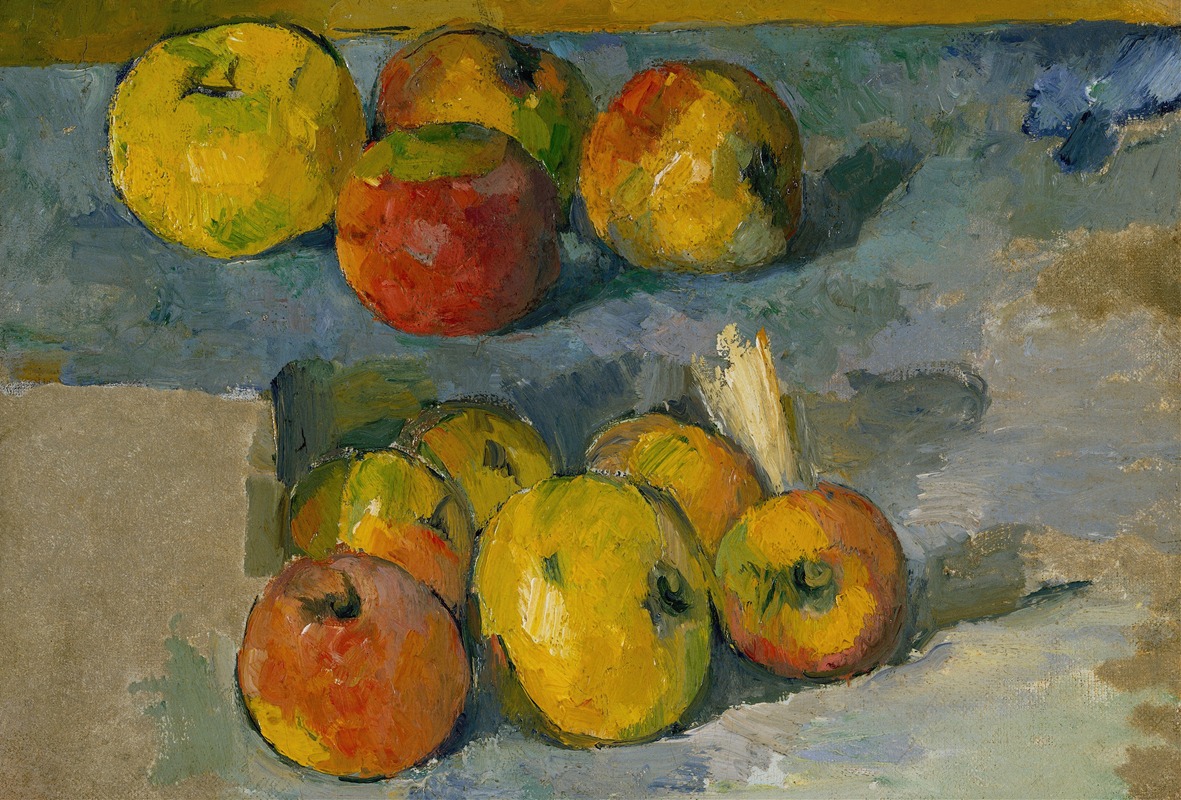
Apples
Paul Cézanne
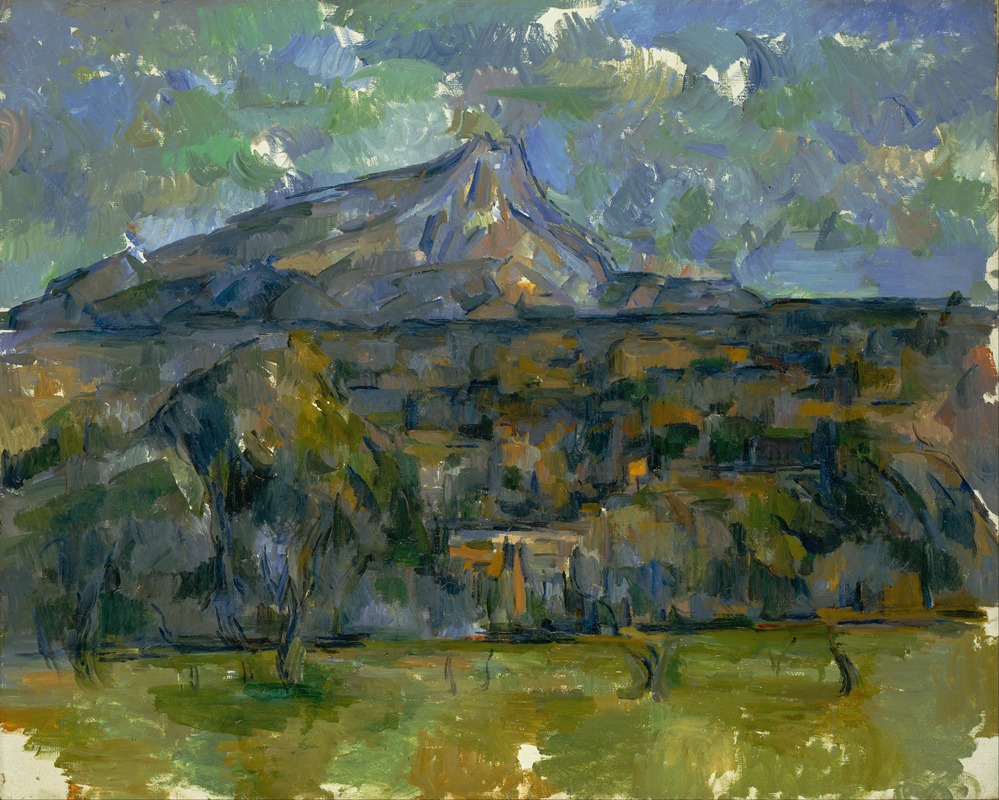
Mont Sainte-Victoire
Paul Cézanne
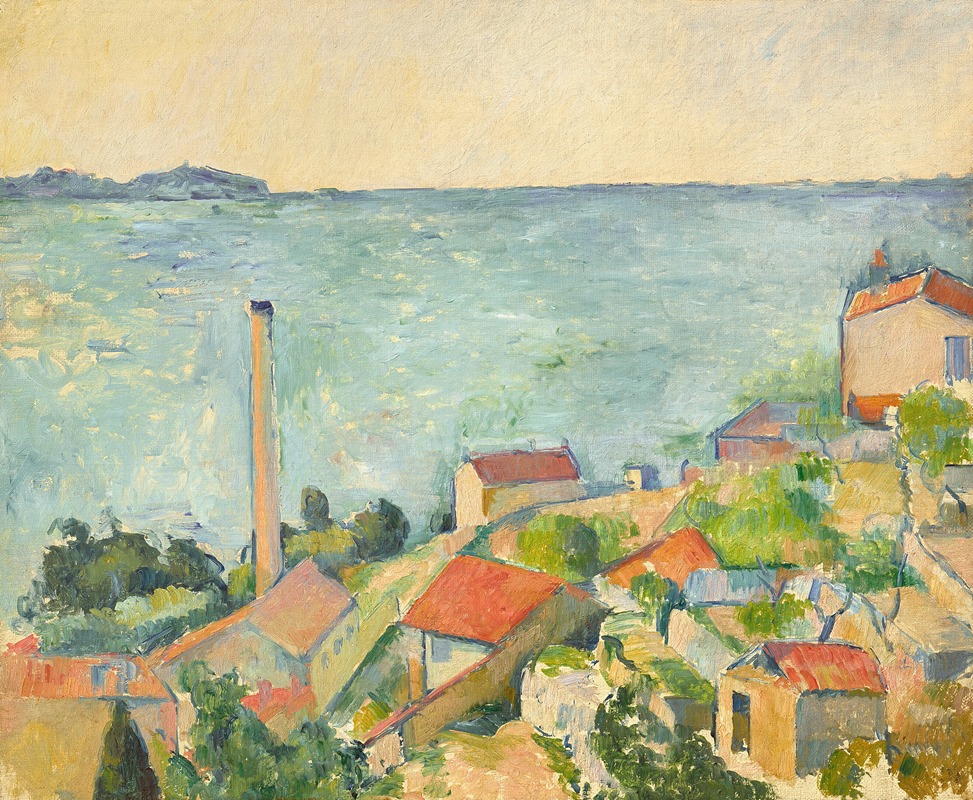
La mer à l’Estaque
Paul Cézanne
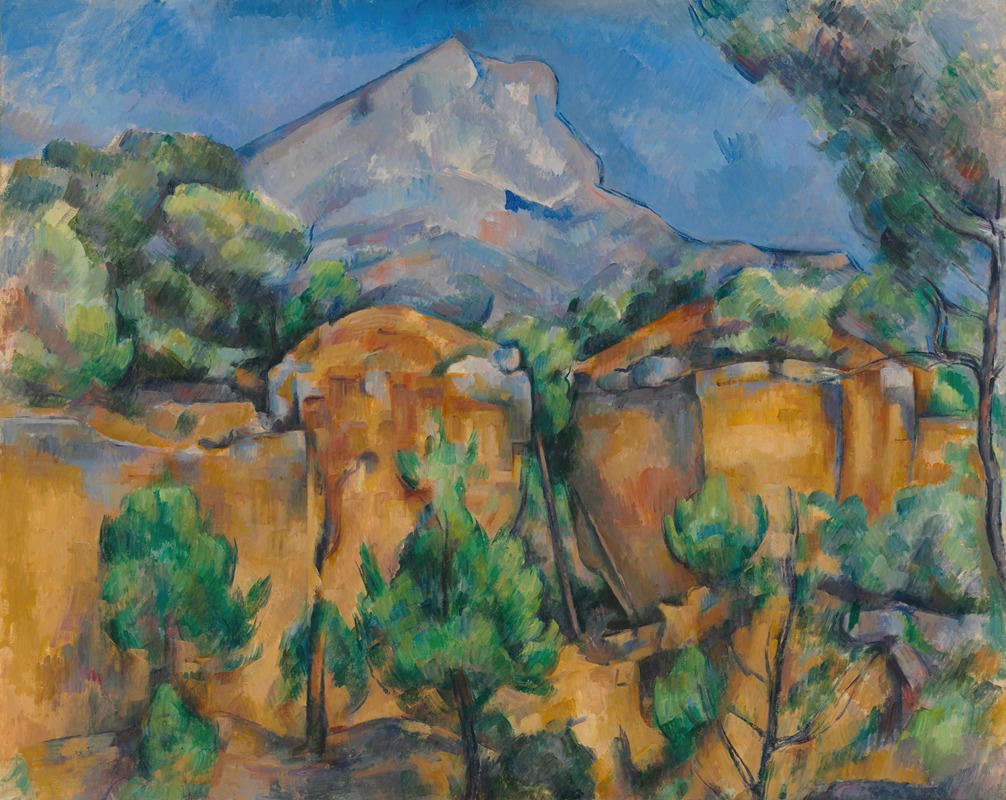
La Montagne Sainte-Victoire vue de la carrière Bibémus
Paul Cézanne
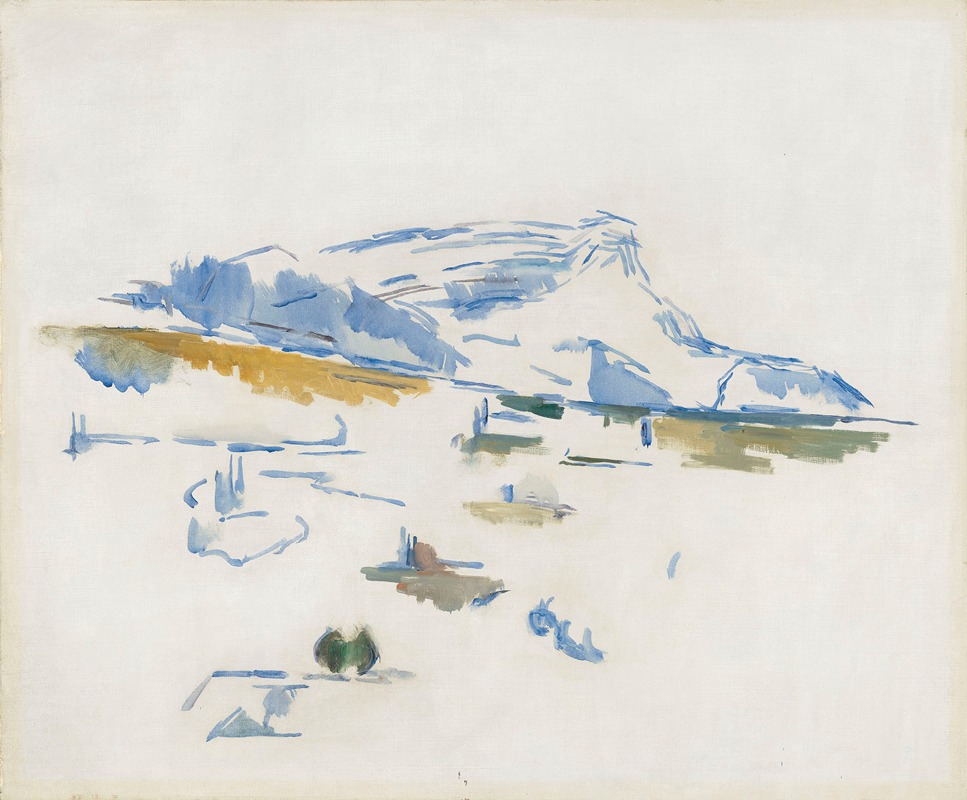
La Montagne Sainte-Victoire vue des Lauves
Paul Cézanne