
Chatelard — History & Facts
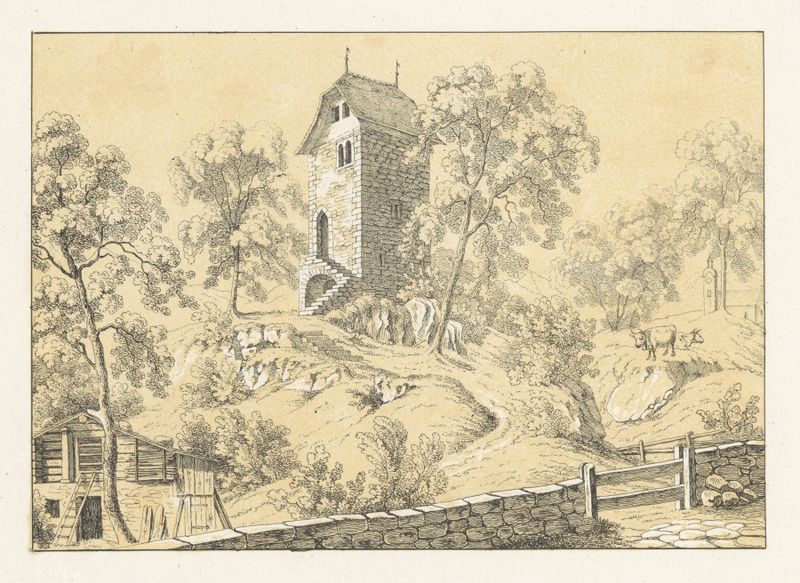
Can beauty exist without sorrow? In Chatelard, the haunting landscape reflects this paradox, inviting viewers to explore a realm where serenity and violence coexist. Look to the foreground, where the delicate brushstrokes detail a tranquil valley, its lush greens and soft browns gradually giving way to a more turbulent background. Notice how the light cascades through the trees, illuminating the vibrant foliage while casting long shadows that hint at a lurking menace. The careful placement of the river guides our gaze, its gentle flow contrasting sharply with the jagged peaks looming in the distance, suggesting both safety and threat. The interplay of calm and chaos resonates powerfully within the composition.
The idyllic scenery may evoke peace, yet the encroaching storm clouds above the mountains loom ominously, evoking a sense of foreboding. This duality speaks to the artist's commentary on the coexistence of beauty and violence — a narrative woven into the very fabric of nature. The serene valley is a deceptive façade, masking the tumultuous forces waiting just beyond the frame. Wagner painted this work between 1840 and 1844, a period marked by personal turmoil and societal upheaval in Europe.
As a prominent figure of the Romantic movement, he sought to capture the sublime within nature, reflecting the emotional intensity of his own experiences. In an era where the beauty of landscapes often masked deeper societal conflicts, this painting stands as a reminder of the underlying violence that can reside within even the most picturesque settings.
More Artworks by Johann Friedrich Wagner
Browse all →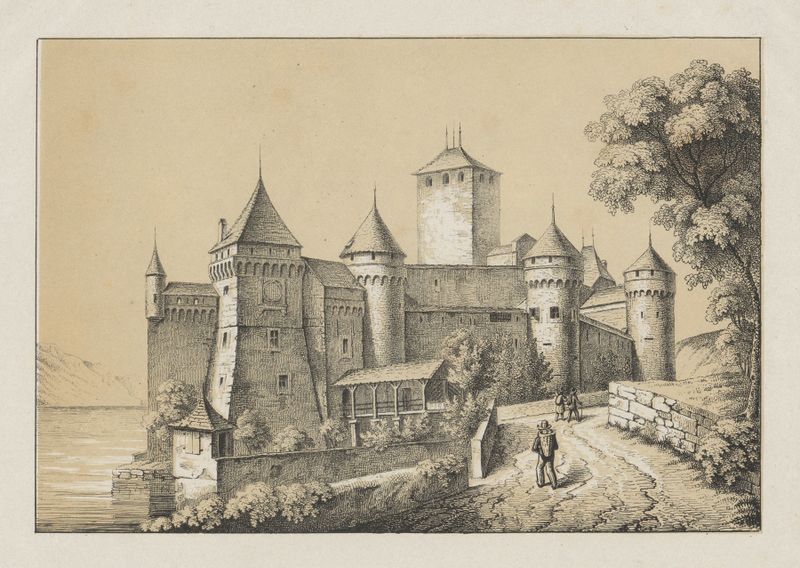
Chillon
Johann Friedrich Wagner

Valangin
Johann Friedrich Wagner
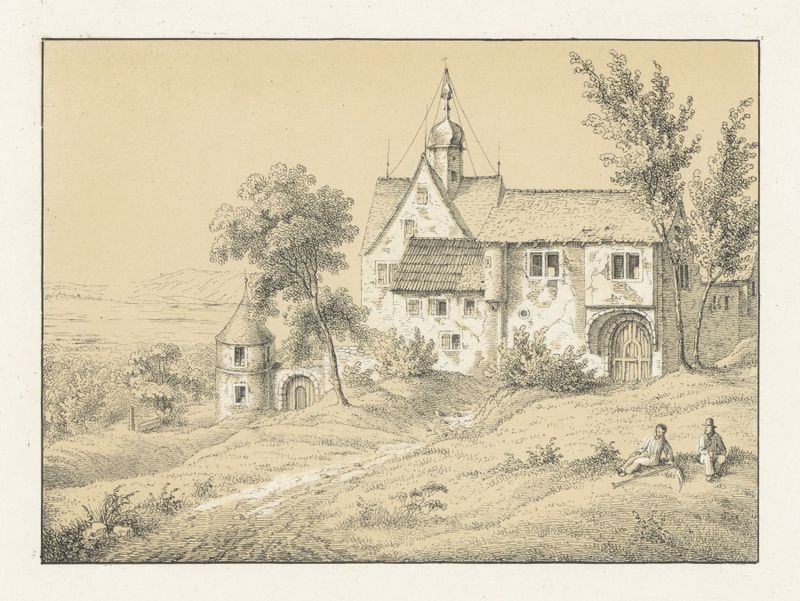
Greifenstein
Johann Friedrich Wagner

Vorburg
Johann Friedrich Wagner
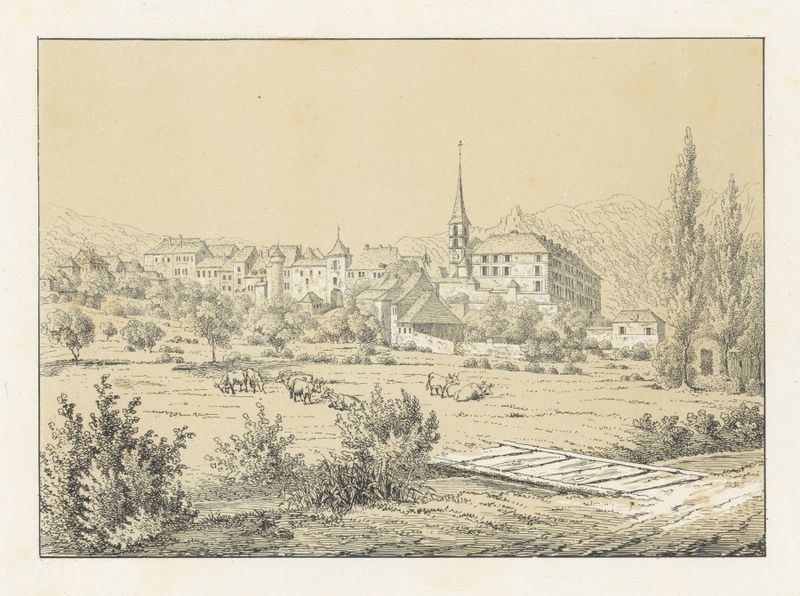
Delémont
Johann Friedrich Wagner

Pleujouse
Johann Friedrich Wagner

Challay
Johann Friedrich Wagner
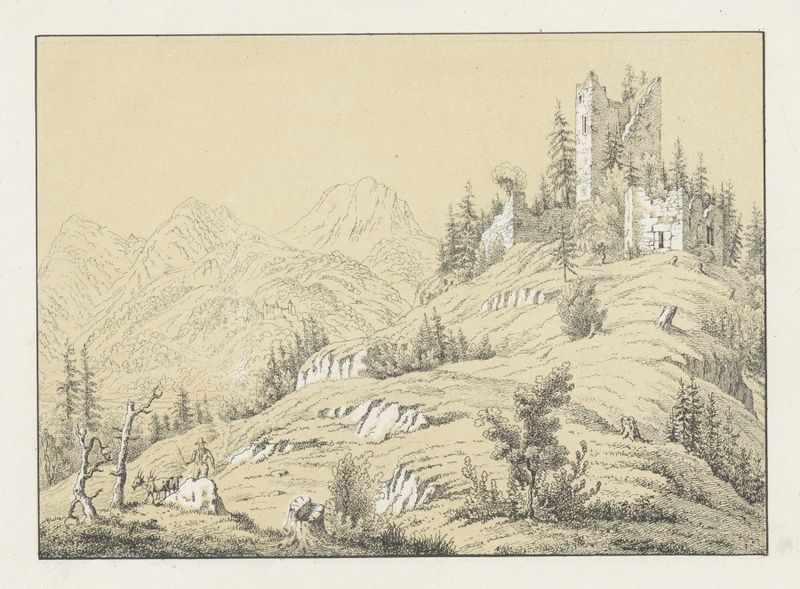
Mont Salvant
Johann Friedrich Wagner
Aha. Od. Untere Burg von Sarnen
Johann Friedrich Wagner
Lausanne
Johann Friedrich Wagner





