
Chaumière dans les arbres — History & Facts
Could a single brushstroke hold eternity? In the delicate interplay of light and shadow within Chaumière dans les arbres, the answer resonates with quiet intensity. The scene, though tranquil at first glance, carries an undercurrent of tension, evoking the fragility of life amidst nature’s grandeur. The subtle violence of the natural world is apparent in the way the trees bend and sway, suggesting a struggle between serenity and chaos. Look to the left at the sturdy trunk of a tree, its gnarled bark detailed with a striking contrast of earthy browns and rich greens.
The charming cottage nestled among the foliage beckons the viewer's gaze, its soft, muted hues harmonizing with the surrounding landscape. Notice how the light filters through the canopy above, casting a gentle glow on the thatched roof, while the shadows stretch ominously, hinting at secrets hidden in the underbrush. Each brushstroke reveals Harpignies’ mastery of capturing the nuances of color and texture, inviting us to explore both the surface beauty and the underlying tumult. Amidst the peaceful scene, the tension between the idyllic and the chaotic is palpable.
The juxtaposition of the serene cottage and the wild, twisting branches illustrates the duality of existence: a safe haven dwarfed by the overwhelming power of nature. Small details, such as the flicker of a shadow or the rustle of leaves, suggest an unseen narrative—perhaps a storm is brewing, or the whisper of unseen creatures in the undergrowth. This duality calls into question our relationship with nature and reminds us that tranquility often conceals deeper violence. During the late 19th century, Harpignies painted Chaumière dans les arbres while immersed in the burgeoning Impressionist movement in France.
This period was marked by significant shifts in artistic expression, as artists sought to capture the ephemeral effects of light and atmosphere. Harpignies, while aligned with the movement, remained distinct in his focus on landscapes, reflecting both his deep appreciation for nature and a continuity with academic traditions. His works emerged during a time of rapid industrialization, highlighting the contrasts between the encroaching modernity and the enduring beauty of the natural world.
More Artworks by Henri-Joseph Harpignies
Browse all →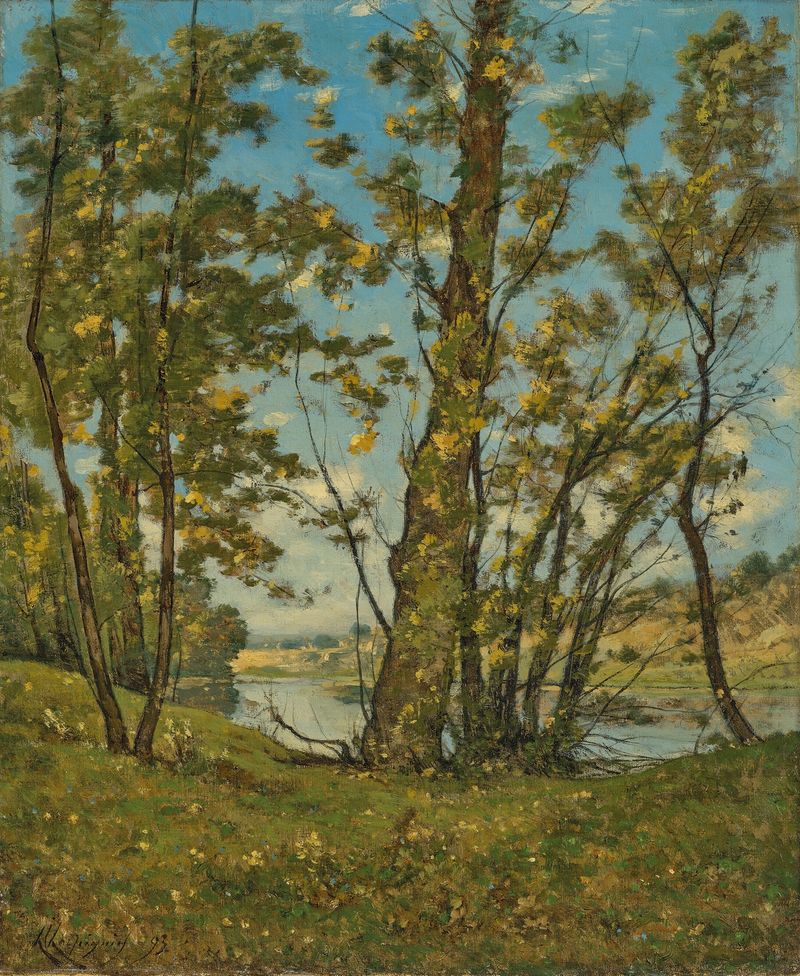
La Loire à Bonny
Henri-Joseph Harpignies
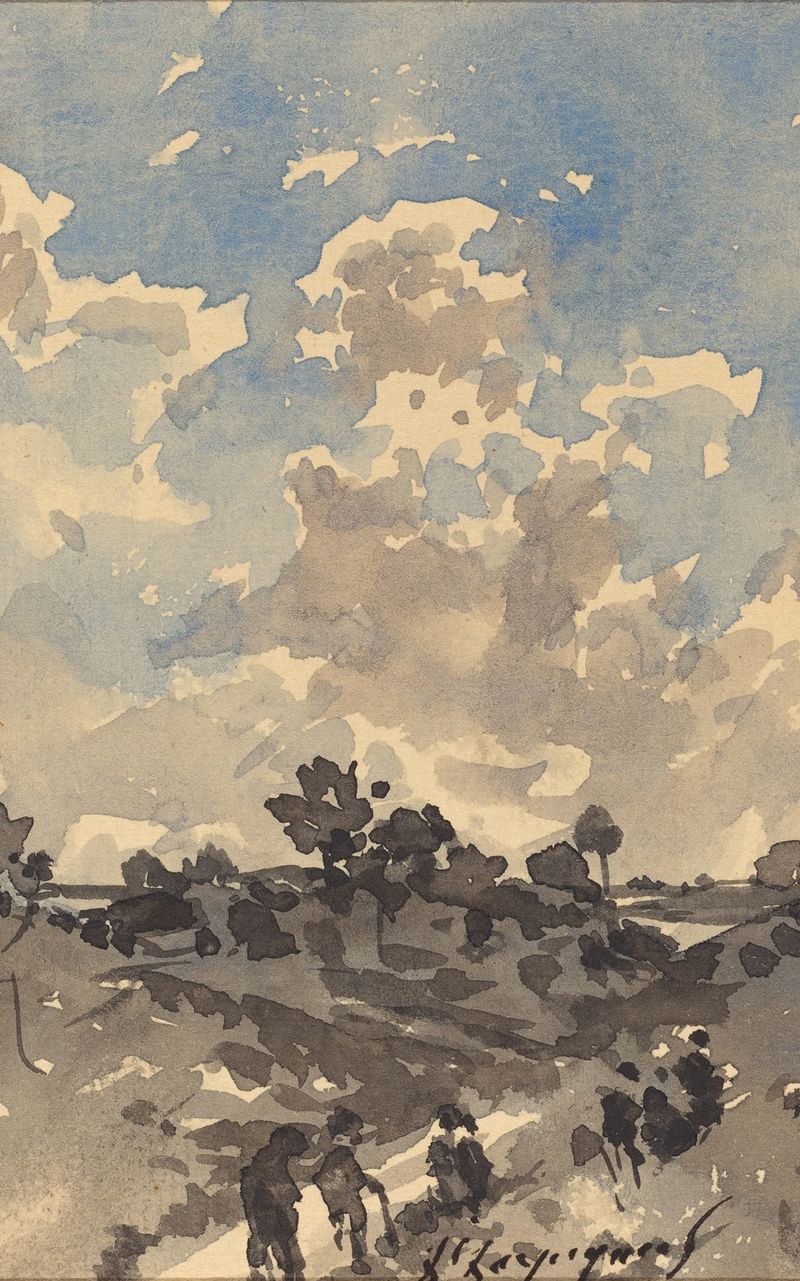
A Landscape with Figures Walking along a Path
Henri-Joseph Harpignies
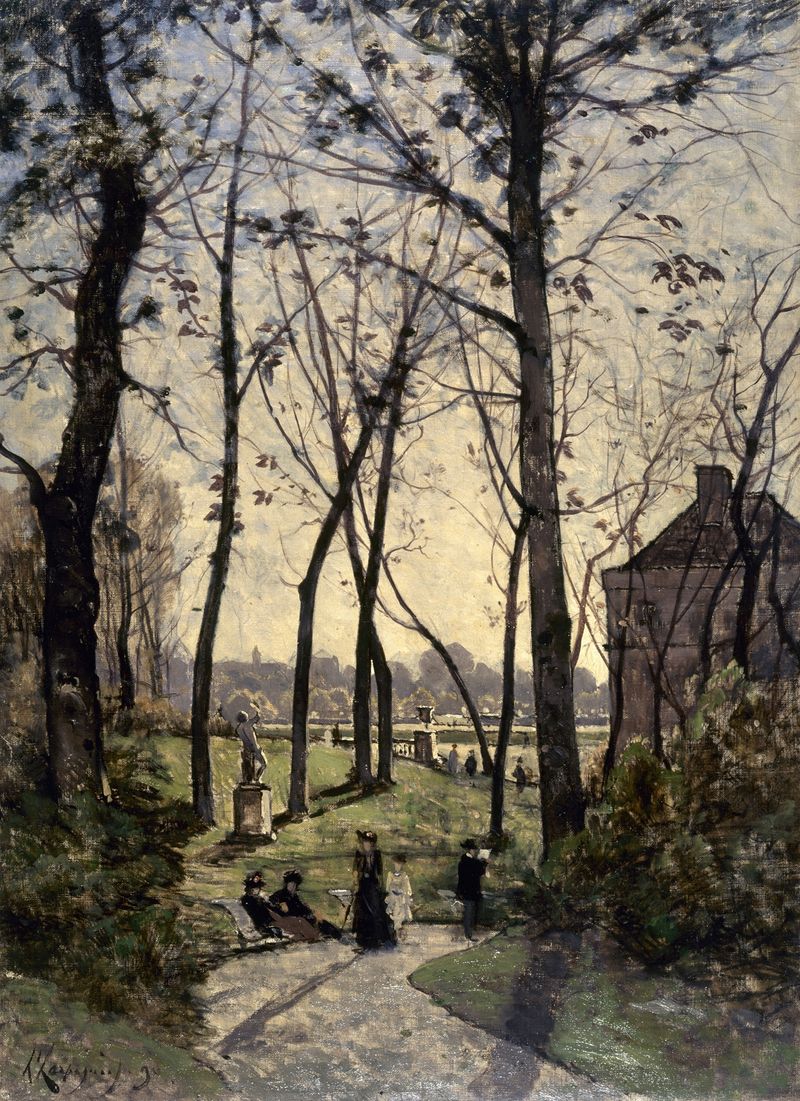
Le jardin du Luxembourg
Henri-Joseph Harpignies
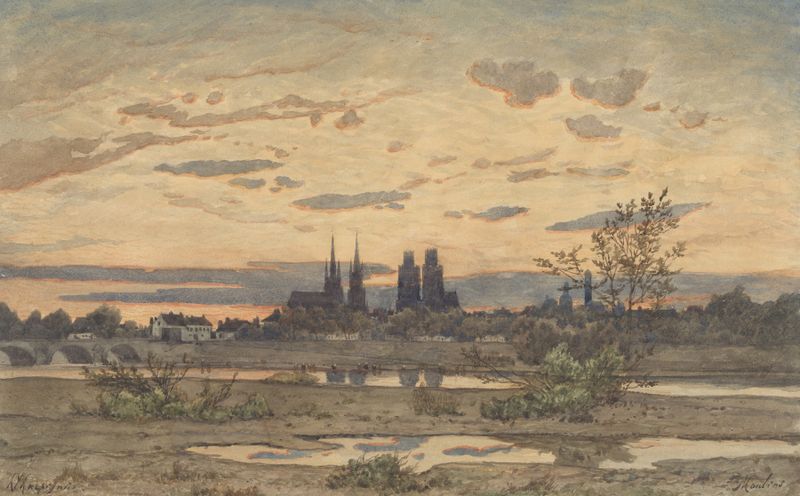
A View of Moulins
Henri-Joseph Harpignies
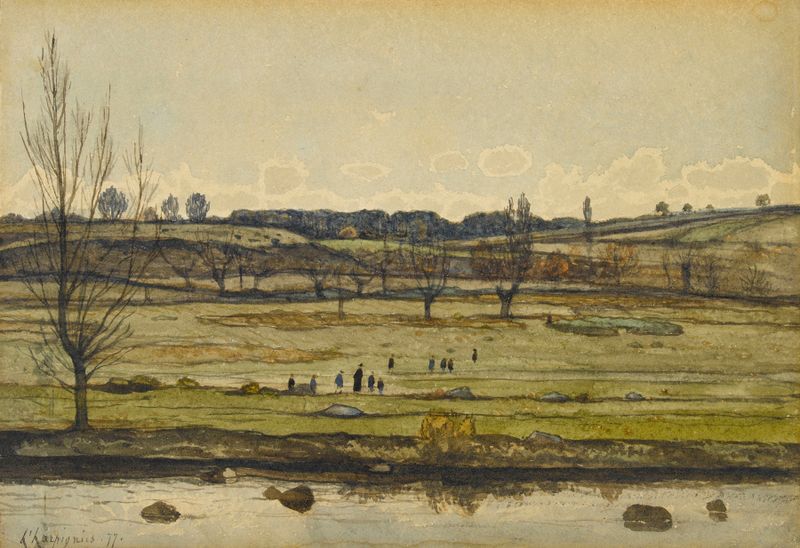
Paysage
Henri-Joseph Harpignies
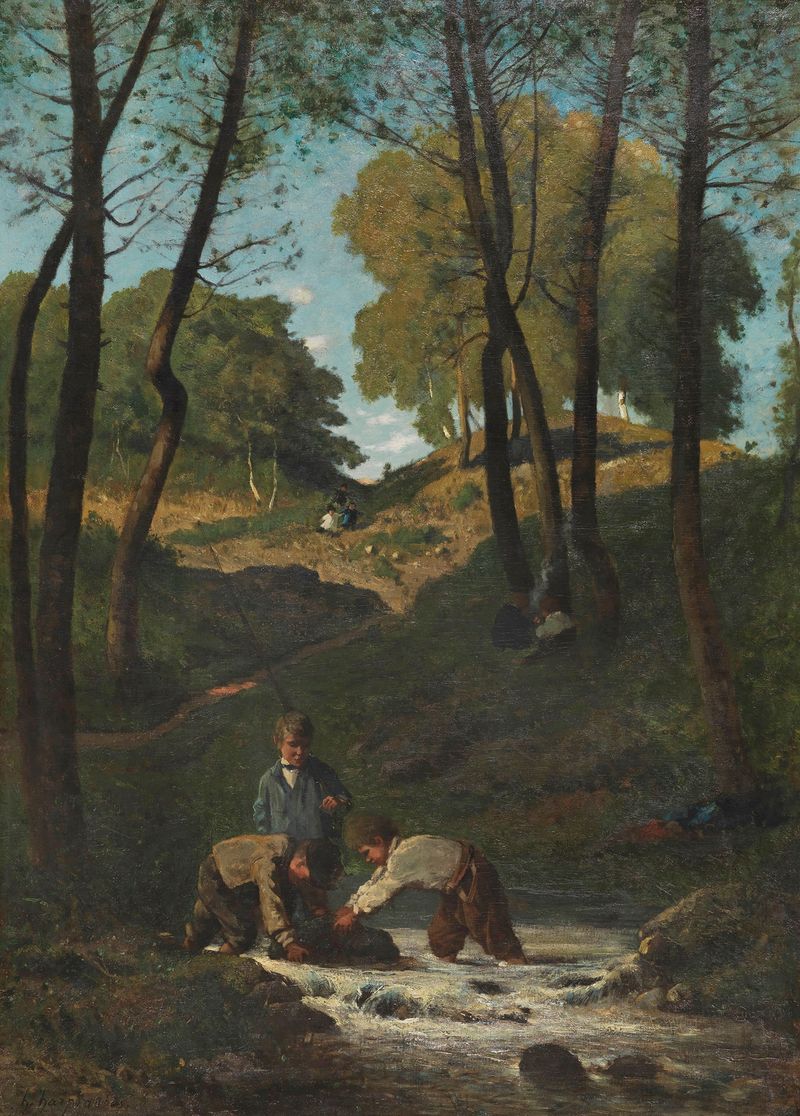
Chercheurs d’écrevisses
Henri-Joseph Harpignies
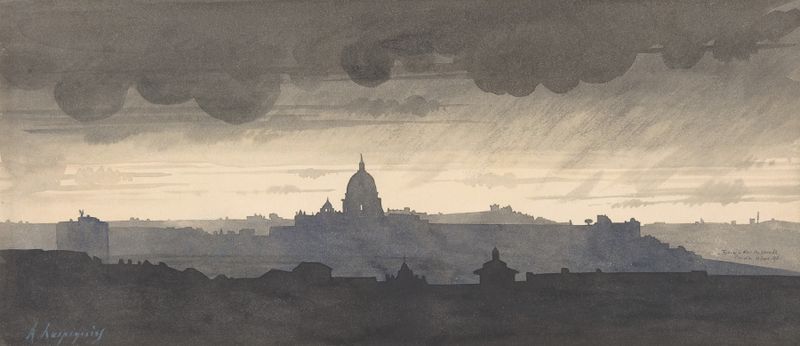
Saint Peter’s Seen From the Pincio, Rome
Henri-Joseph Harpignies
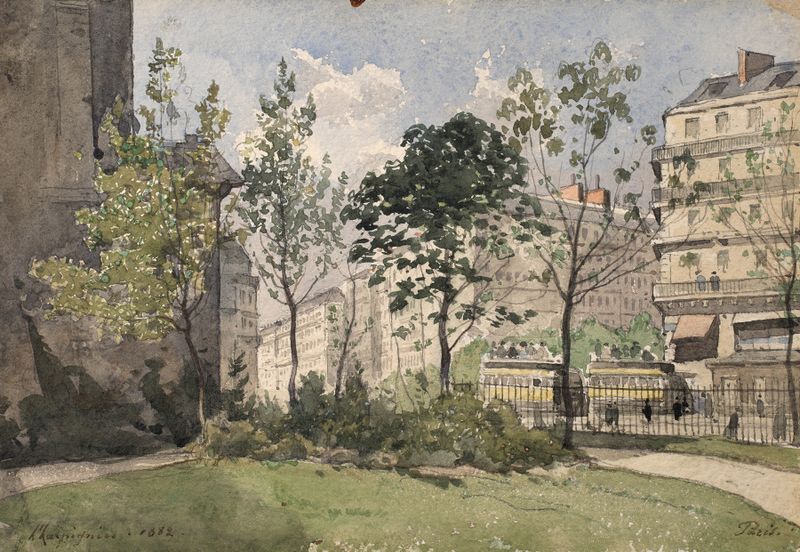
View of the forecourt of the Saint-Germain-des-Prés church
Henri-Joseph Harpignies
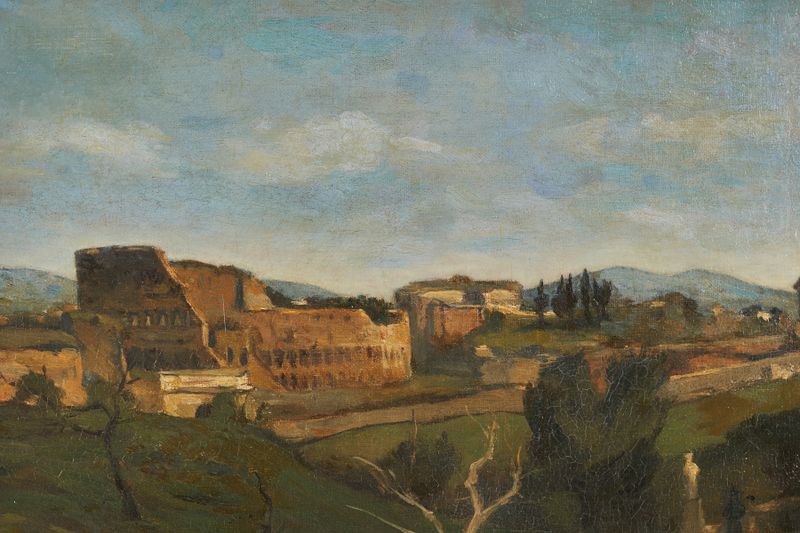
Le Colisée à Rome
Henri-Joseph Harpignies

Villefranche
Henri-Joseph Harpignies





