
Chepstow Castle — History & Facts
In the stillness of this landscape, a sense of emptiness rises like the mist that clings to the distant hills. Here, in the embrace of nature, the remnants of a formidable structure whisper stories of a once-vibrant history, now muted by the passage of time. Look to the left at the sloping hillside, where soft greens and muted browns converge, drawing your eye towards the weathered silhouette of the castle. The delicate application of watercolors captures not only the grandeur of its towers but also the fragility of its existence.
Notice how the fading light bathes the scene in a gentle golden hue, lending a nostalgic quality that evokes both reverence and sorrow. The contrasts within the work are striking: the solidity of the castle juxtaposed with the fluidity of the surrounding landscape creates a poignant tension between permanence and decay. Each brushstroke seems to echo the echoes of laughter, battles, and life that once filled the air. In the absence of figures, the emptiness becomes a character itself, inviting contemplation on the passage of time and the layers of history that have shaped this ethereal view. In 1832, the artist captured Chepstow Castle amid a rapidly changing landscape of British art, which was moving towards romanticism with a focus on nature and emotion.
Varley, a prominent figure in the watercolour movement, was influenced by the picturesque ideals of the time, striving to convey both the beauty and the melancholic remnants of the past. This work reflects his deep understanding of light and landscape, a testament to his artistic vision.
More Artworks by John Varley
Browse all →
Knaresborough on the River Nidd, Yorkshire
John Varley

Kirkstall Abbey near Leeds
John Varley

Bamborough Castle from the Northeast, with Holy Island in the Distance, Northumberland
John Varley
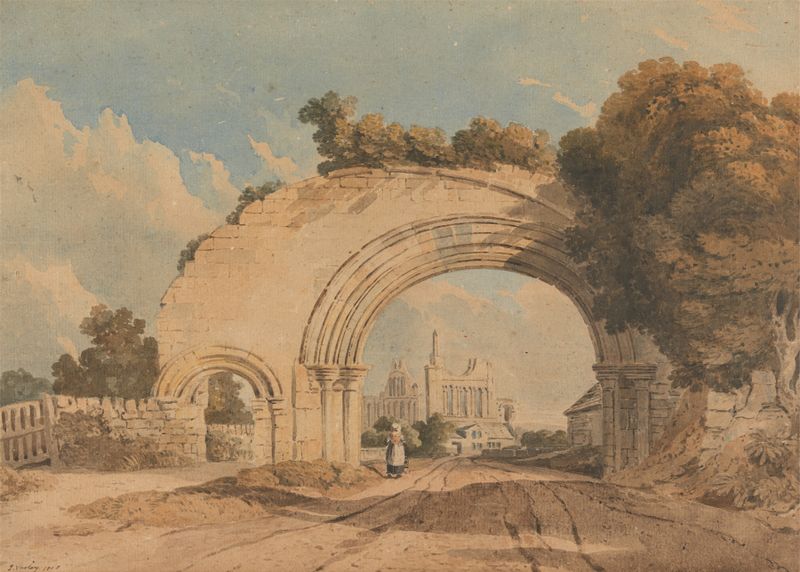
Byland Abbey, Yorkshire
John Varley

View of Conwy Castle, North Wales
John Varley
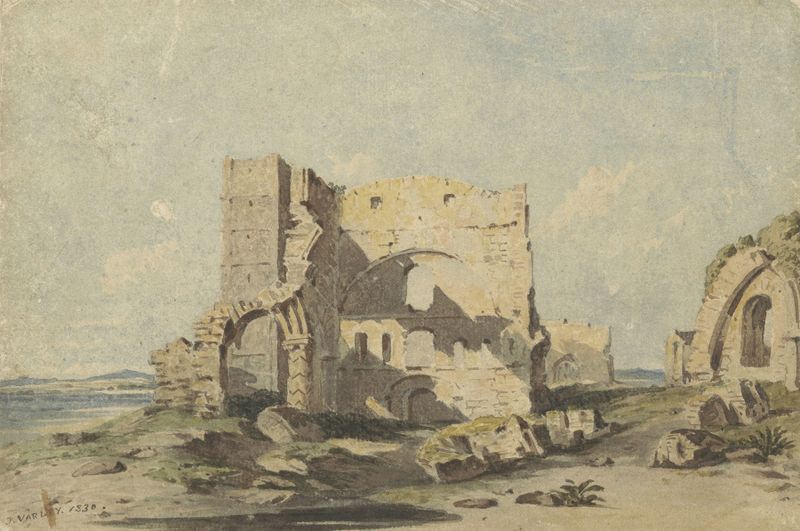
Lindisfarne Abbey op Holy Island, Northumberland
John Varley
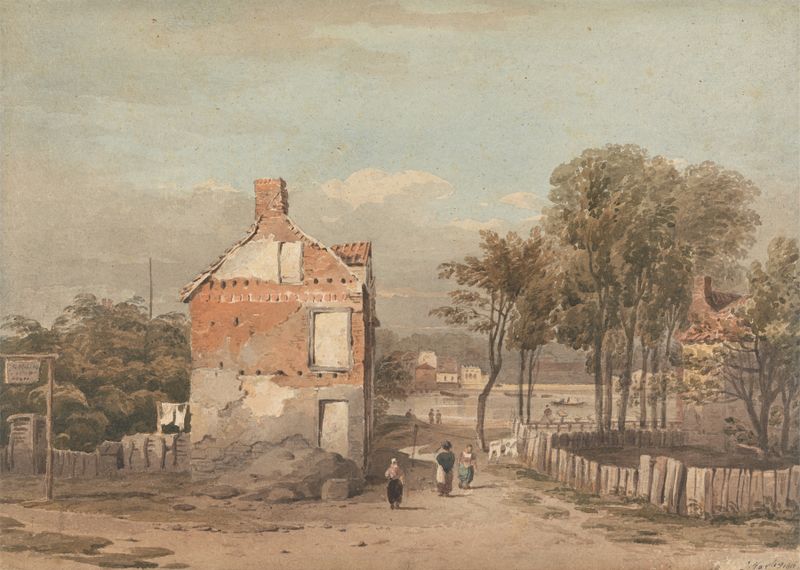
The Thames Near the Penitentiary, Millbank, London
John Varley

Vale of Clwyd, Wales
John Varley

A View along the Thames towards Chelsea Old Church
John Varley

The Thames at Windsor
John Varley





