Chiemseeberge in Herbststimmung — History & Facts
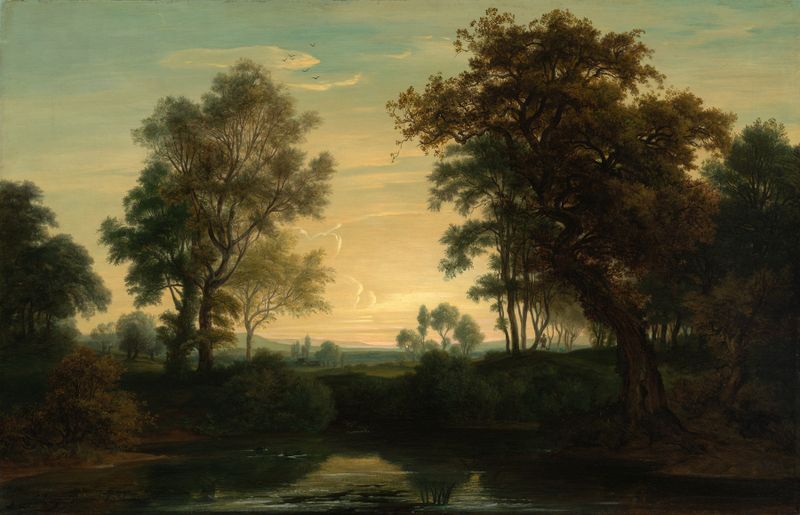
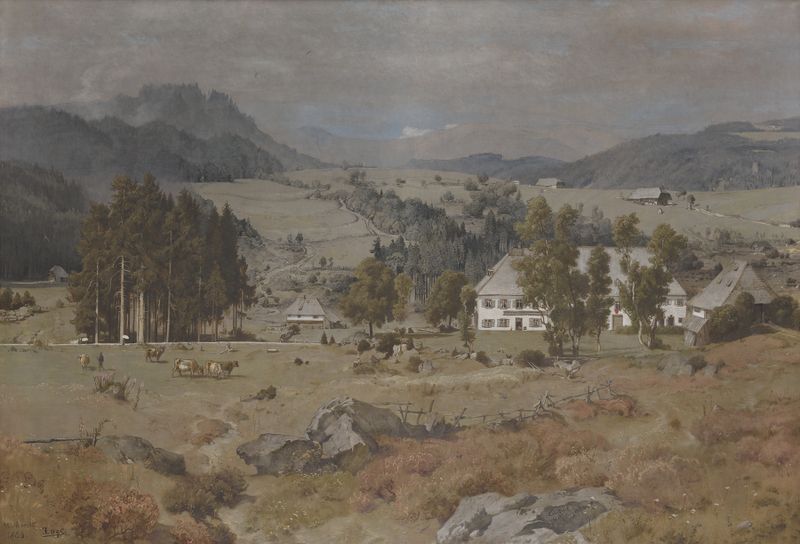
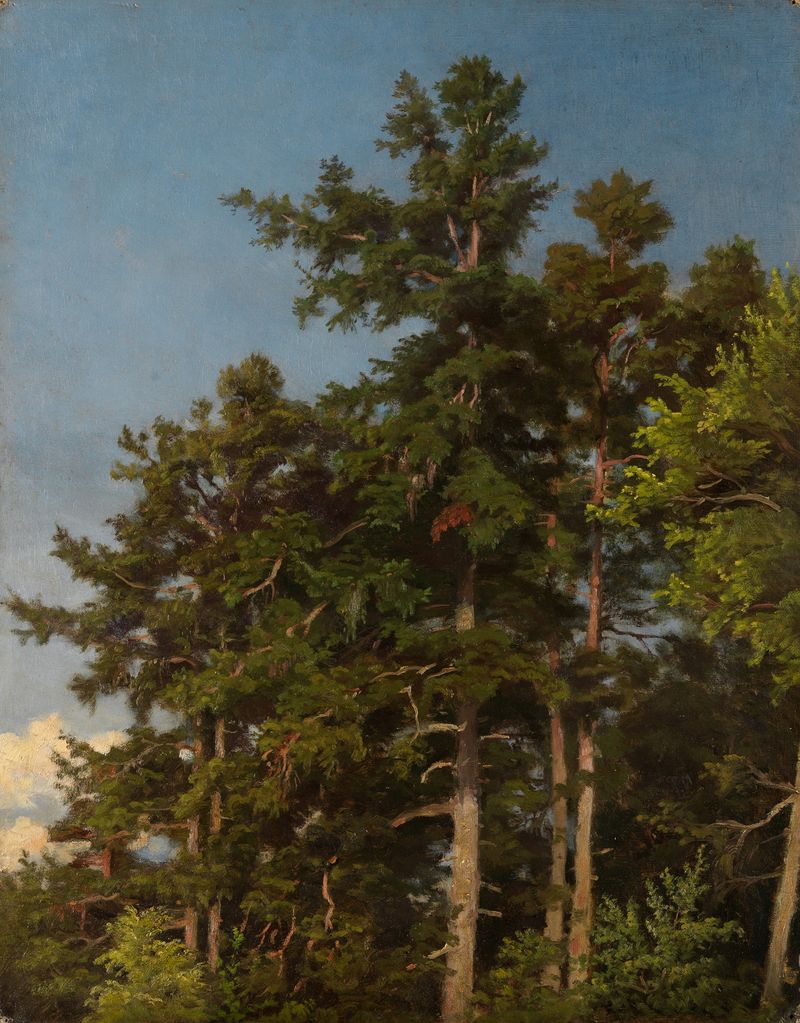
Can paint confess what words never could? In Chiemseeberge in Herbststimmung, the canvas whispers secrets of nature, inviting us to witness the unspoken truths of the landscape. Look to the horizon where the majestic mountains rise, their peaks kissed by a soft, golden light. The artist employs a rich palette of earthy browns and vibrant yellows that blend seamlessly, creating a sense of harmony and tranquility. Notice how the gentle brushstrokes capture the essence of autumn, each stroke breathing life into the trees that stand sentinel along the lakeshore, their leaves ablaze in seasonal fire.
The calm waters reflect the sky's mood, blurring the line between earth and ether; it is as if the landscape itself is a mirror to the soul. Beneath this serene exterior lies an emotional landscape, where the fading embers of autumn stir a sense of nostalgia. The interplay of light and shadow evokes a profound stillness, inviting contemplation about fleeting moments and the inevitability of change. Each detail, from the textured foliage to the shimmering surface of the lake, speaks of the transience of beauty and the passage of time—an elegy to what is lost yet eternally remembered. In 1898, Emil Lugo painted this piece during a time of personal exploration and artistic growth while living in Germany.
The late 19th century was marked by a burgeoning appreciation for nature and Impressionism, allowing him to experiment with color and form in new ways. This work reflects both his emotional landscape and the broader movement of artists seeking to capture the essence of their surroundings, a testament to a period rich in artistic innovation.