Der Feldsee — History & Facts
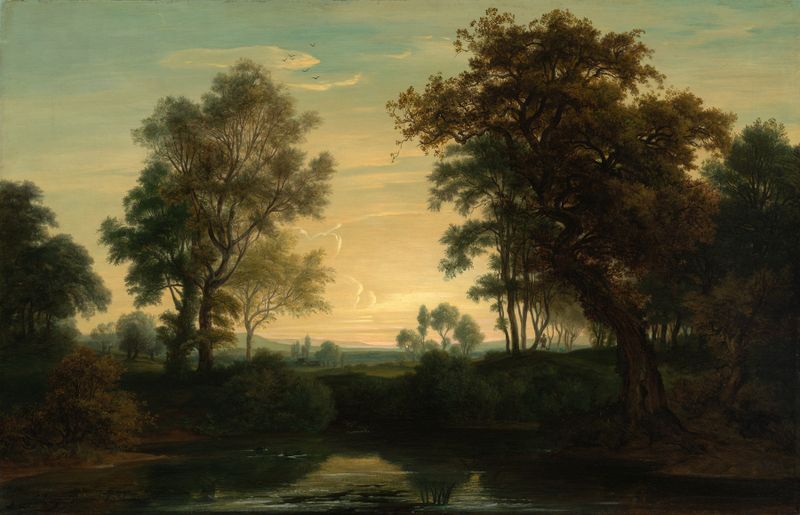
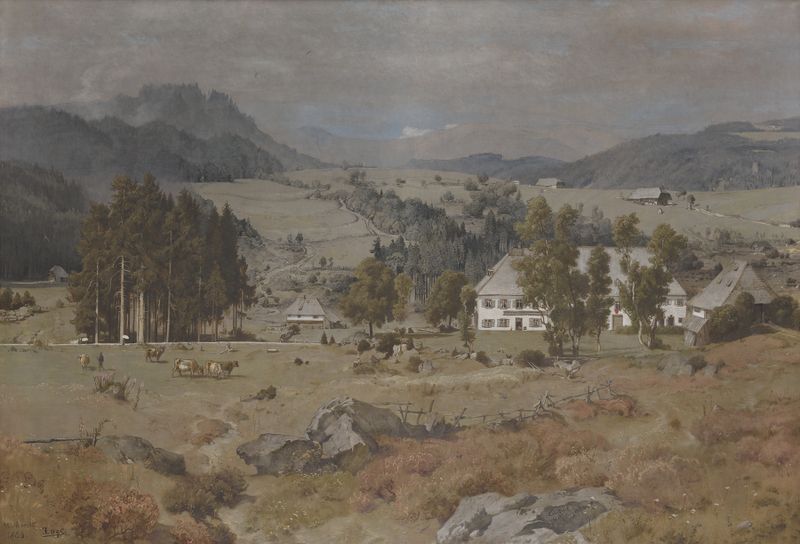
What if beauty was never meant to be finished? In Der Feldsee, nature's tranquility whispers the secrets of forgotten memories, inviting the viewer to pause and reflect. Begin by focusing on the serene lake nestled amid towering mountains, the foreground adorned with delicate wildflowers. Notice how the light dapples through the trees, casting soft shadows that dance upon the water. The gentle hues of blue and green create a sense of harmony, while the subtle brushstrokes convey the artist's deep connection to this idyllic landscape.
Each element is meticulously rendered, guiding the eye to the calm surface of the lake, where the reflection offers a glimpse into a realm beyond. Yet beneath this serene exterior lies a complex emotional landscape. The contrasting rugged peaks represent the harshness of nature, while the tranquil waters evoke a sense of peace. This duality speaks to the viewer's own inner struggles, highlighting the tension between chaos and serenity.
The wildflowers, though beautiful, remind us of life's transience, suggesting that moments of beauty are fleeting, forever captured in memory yet never entirely graspable. During the late 1880s, Emil Lugo painted Der Feldsee while navigating the burgeoning art movements in Europe, marked by a growing appreciation for natural landscapes. At this time, Lugo found himself deeply influenced by the Romantic ideals of capturing the sublime in nature, striving to express the profound emotions tied to memory and place. As he stood before this tranquil setting, he sought to immortalize not just the scene, but the ephemeral beauty that resides within our recollections.