
Chingford Church, Essex — History & Facts
In a world hastily moving forward, art offers a sanctuary, capturing the void left by time’s relentless passage. Look to the center of the canvas where Chingford Church stands solemnly, its grey stone blending into the muted greens and browns of the landscape. The gentle strokes of the brush reveal Varley’s deft handling of light, as it dances across the church's façade, infusing the scene with a sense of tranquility. Notice how the trees surrounding the structure lean in, as if they are guardians of this sacred space, framing the church in a way that invites the viewer to linger in its stillness. Delve deeper into the contrasting elements present within this composition.
The sturdy solidity of the church symbolizes permanence amidst a backdrop of soft, fleeting nature. The muted palette reflects an emotional tension, where the serenity of the scene stands in stark contrast to the void of human presence. The absence of figures leaves a haunting silence, evoking a sense of loss while inviting viewers to fill the emptiness with their own reflections. In 1821, Varley created this work during a period of artistic exploration in England, where the Romantic movement had begun to influence many artists.
The early 19th century marked a time of profound change, both socially and politically. Varley, an important figure in landscape painting, sought to evoke emotional resonance through his depictions of nature, cementing his legacy in the evolution of British art.
More Artworks by John Varley
Browse all →
Knaresborough on the River Nidd, Yorkshire
John Varley

Kirkstall Abbey near Leeds
John Varley

Bamborough Castle from the Northeast, with Holy Island in the Distance, Northumberland
John Varley
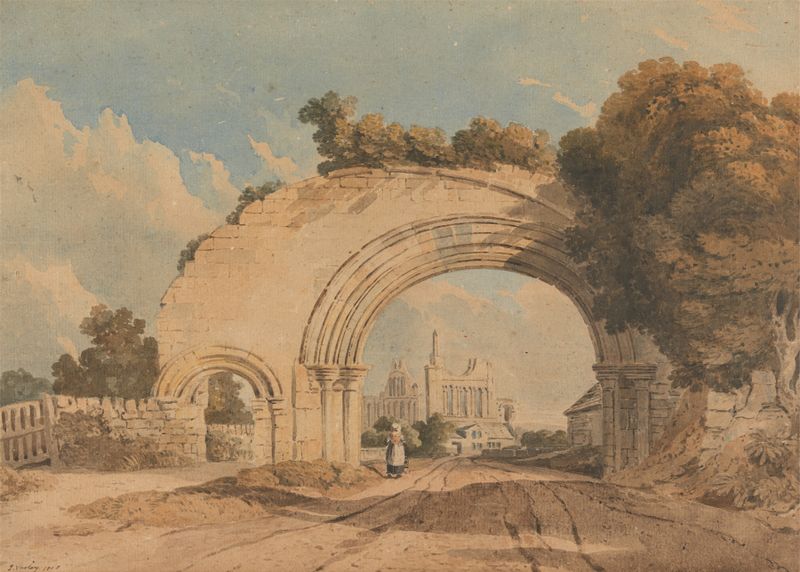
Byland Abbey, Yorkshire
John Varley

View of Conwy Castle, North Wales
John Varley
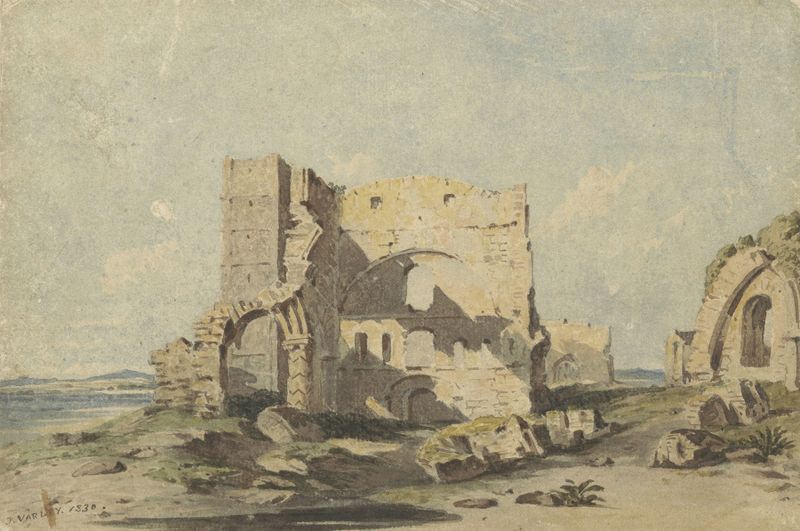
Lindisfarne Abbey op Holy Island, Northumberland
John Varley
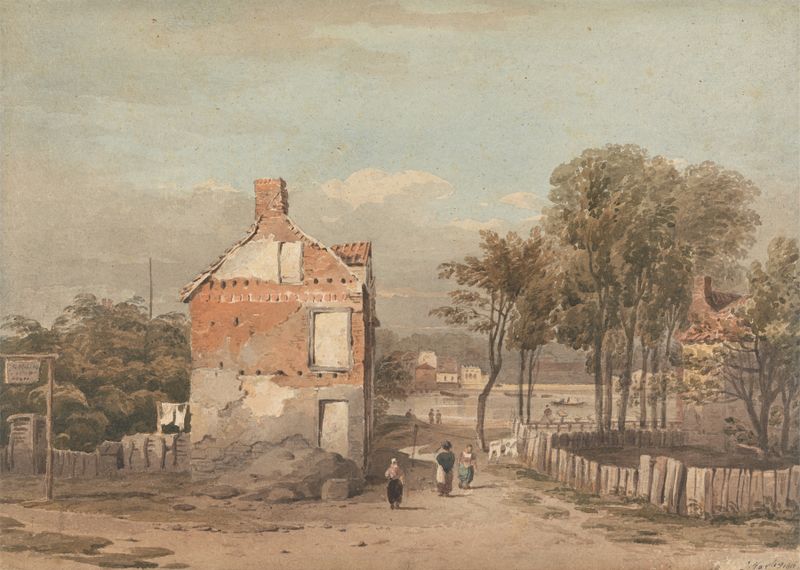
The Thames Near the Penitentiary, Millbank, London
John Varley

Vale of Clwyd, Wales
John Varley

A View along the Thames towards Chelsea Old Church
John Varley

The Thames at Windsor
John Varley





