
Chiswick — History & Facts
In the gentle embrace of emptiness, we find a powerful reflection of our own solitude and longing. What does it mean to be surrounded by beauty yet feel an unshakable absence? Look to the center of the canvas where the tranquil river flows, mirroring the pale blue sky above. The delicate brushwork captures the soft ripples, drawing your attention along the water’s edge.
Notice how the muted greens and browns of the landscape blend almost seamlessly into the horizon, suggesting a world both familiar and distant. The subtle interplay of light brings a serene glow to the scene, inviting contemplation rather than action. Within this serene expanse lies a profound emotional tension. The absence of figures evokes a poignant loneliness, as if the landscape itself holds secrets waiting to be disclosed.
Shadows play across the land, hinting at hidden stories and unspoken thoughts, while the stillness of the water beckons for a life that once thrived but is now merely a whisper of memory. This emptiness contrasts sharply with the vibrancy of nature, emphasizing the longing for connection amidst desolation. Painted in 1814 during a period of personal turmoil, the artist found himself grappling with both his own challenges and the evolving art world around him. Emerging from the neoclassical traditions, he sought to explore the emotional resonance of landscapes, paving the way for the Romantic era.
This piece reflects not only his inner struggles but also the broader shift towards valuing the emotive power of nature in art.
More Artworks by John Varley
Browse all →
Knaresborough on the River Nidd, Yorkshire
John Varley

Kirkstall Abbey near Leeds
John Varley

Bamborough Castle from the Northeast, with Holy Island in the Distance, Northumberland
John Varley
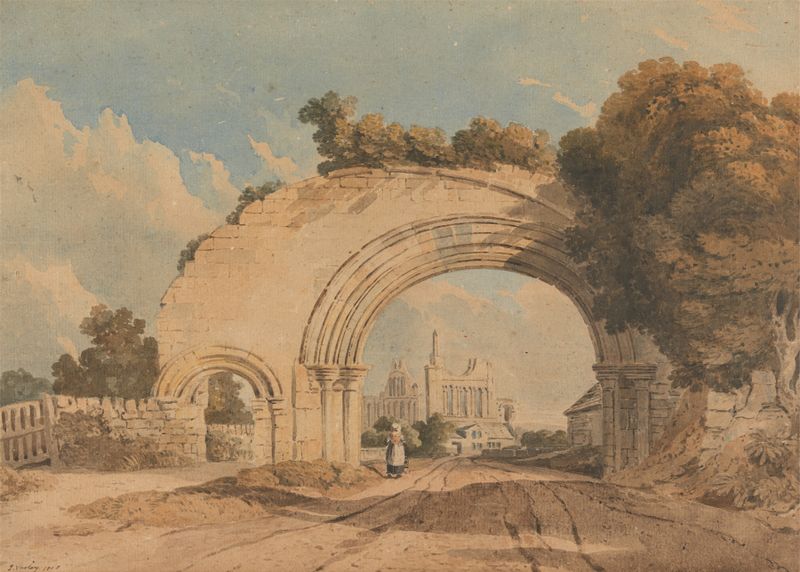
Byland Abbey, Yorkshire
John Varley

View of Conwy Castle, North Wales
John Varley
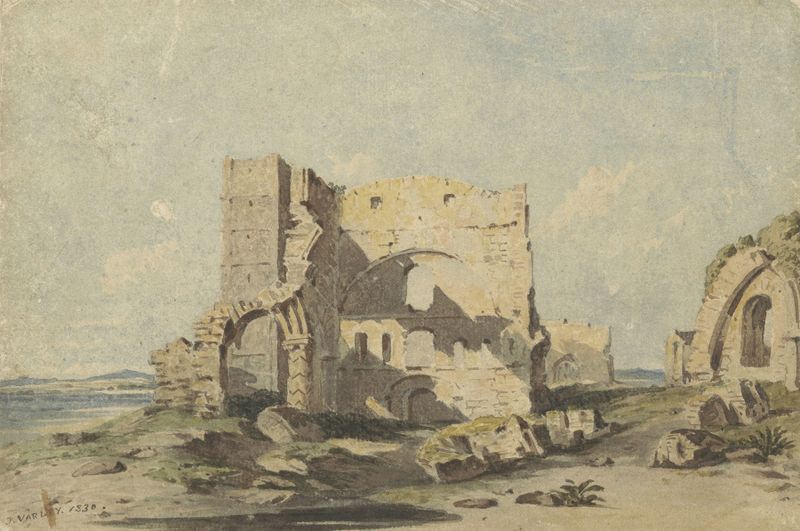
Lindisfarne Abbey op Holy Island, Northumberland
John Varley
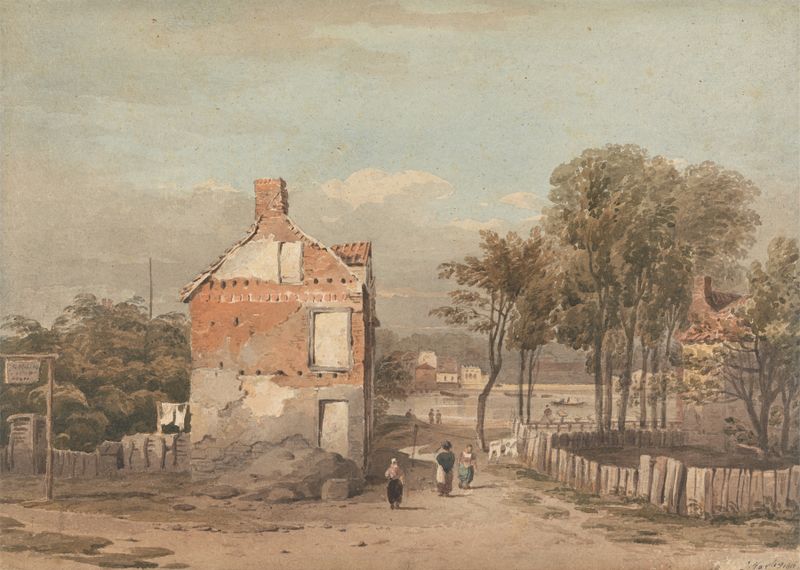
The Thames Near the Penitentiary, Millbank, London
John Varley

Vale of Clwyd, Wales
John Varley

A View along the Thames towards Chelsea Old Church
John Varley

The Thames at Windsor
John Varley





