
Christ at the Jacob's Well — History & Facts
A hush seems to hang over the landscape, as if the world itself is pausing to listen. At the edge of a well, a seated figure gestures with calm authority, his hand extended in a moment of teaching or revelation. The figures gathered around him lean in, their bodies turned, their faces attentive—every gesture in this small group draws the eye to the well itself, a place of meeting and quiet transformation.
The painter, Abel Grimmer, has chosen not the drama of confrontation but the stillness of encounter, setting the scene within a rolling countryside that stretches out to a distant, walled city under a sky of gentle clouds. The composition is a careful balance of intimacy and expanse. The well anchors the left foreground, its heavy stone rim and hanging bucket rendered with tactile clarity, while the figures’ robes catch the light in soft folds of ochre, blue, and rose. Beyond them, the land opens up in winding paths, dotted with small figures—some in conversation, others tending to daily tasks.
The trees rise in slender arcs, framing the scene but never crowding it, their leaves painted with a delicate, almost pointillist touch. The broad, pale sky and far-off city suggest a world both open and ordered, a stage for human encounter and divine presence. In this landscape, the story is not just told—it is quietly embedded in the rhythms of everyday life, inviting the viewer to linger and look again. Works like this, created between 1580 and 1619, reflect the late Renaissance fascination with biblical stories set within familiar, local landscapes—a hallmark of Netherlandish painting.
Artists such as Abel Grimmer often painted for private devotion or for wealthy patrons who wanted sacred history woven into scenes that echoed their own countryside. The painting now resides in the collection of Rijksmuseum Twenthe, a reminder of how art once bridged the worlds of scripture and daily experience. History has kept few traces of this particular panel’s early journey, but its quiet clarity still speaks across the centuries—inviting us to imagine what it would be like to pause at the well and listen.
More Artworks by Abel Grimmer

Flemish proverbs
Abel Grimmer
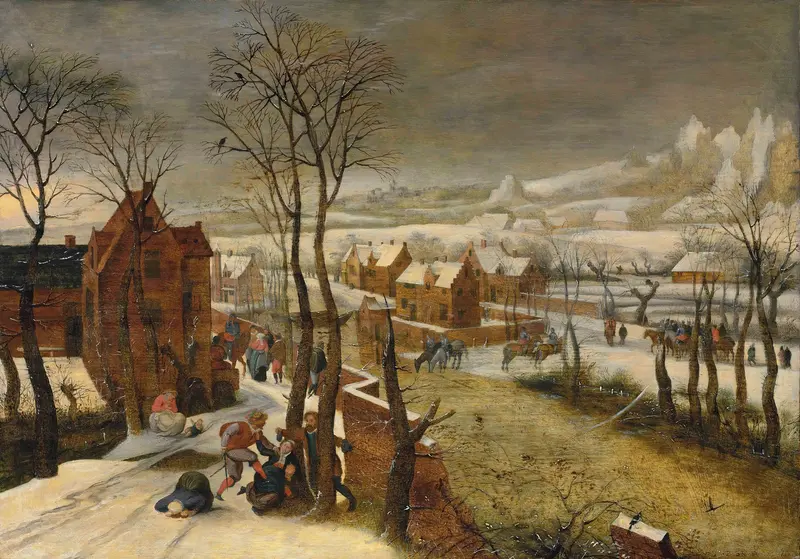
A Village Landscape In Winter With The Massacre Of The Innocents
Abel Grimmer
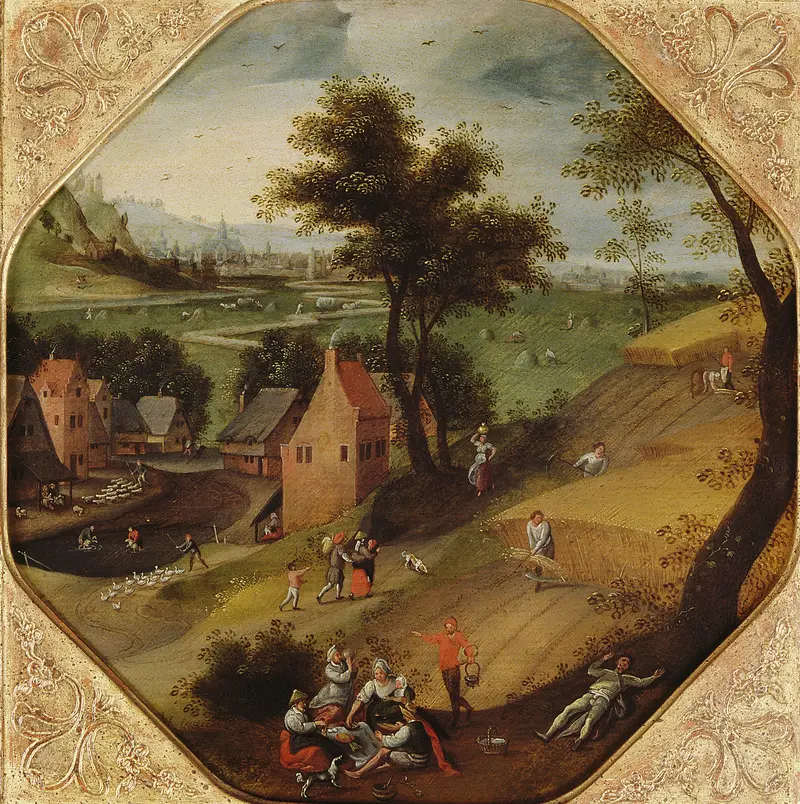
De Zomer
Abel Grimmer
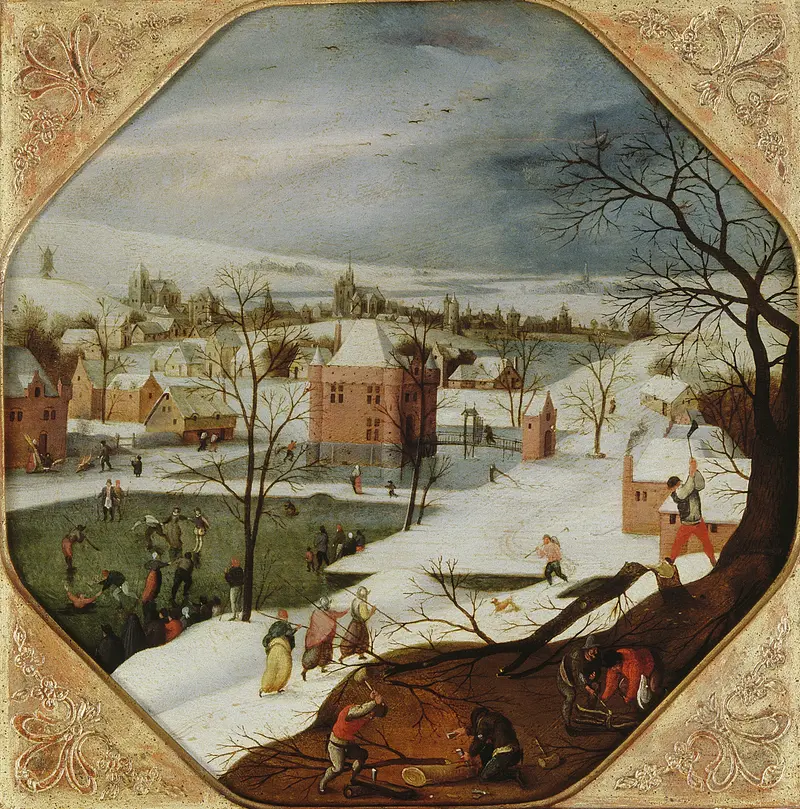
De Winter
Abel Grimmer
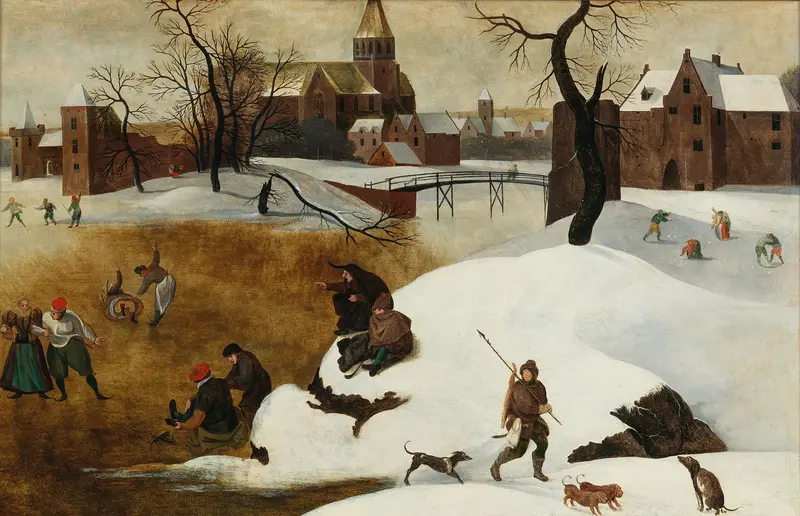
winter landscape with skaters
Abel Grimmer
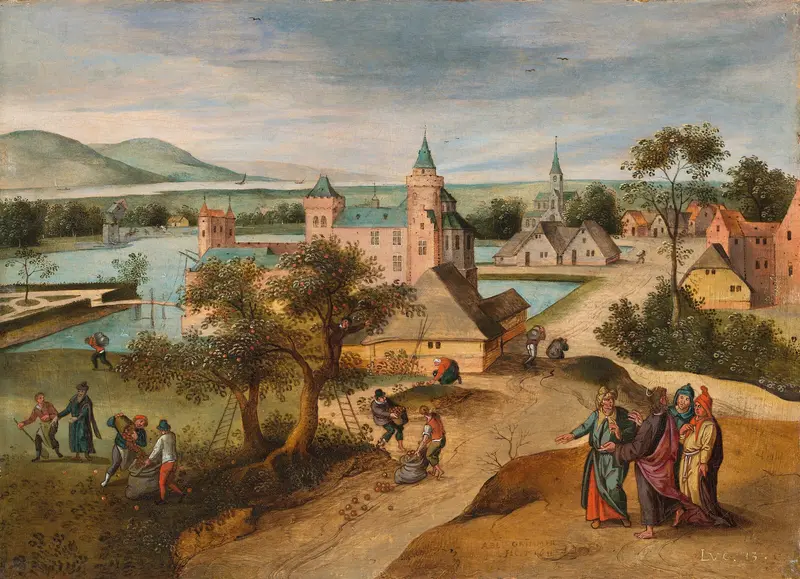
September – The Parable of the Barren Fig Tree
Abel Grimmer
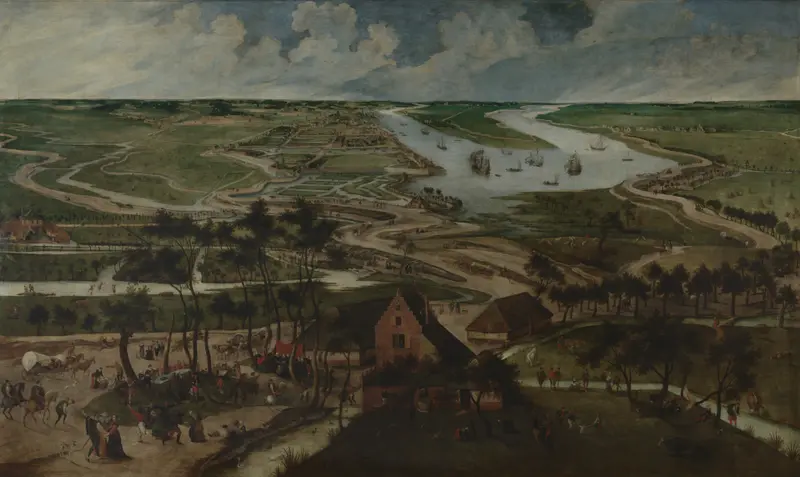
The Eel Huts in the Antwerp Polder outside the Lillo or Slijk Gate
Abel Grimmer
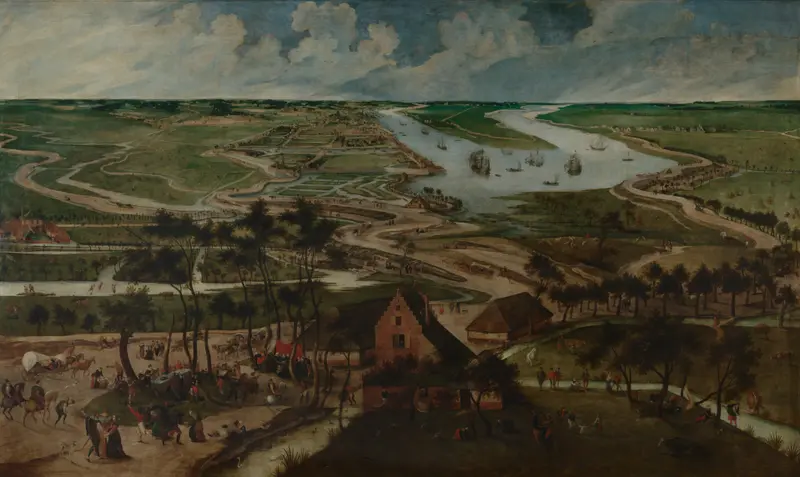
De Antwerpse polder en de Palinghuizen buiten de Slijk- of Lillopoort
Abel Grimmer
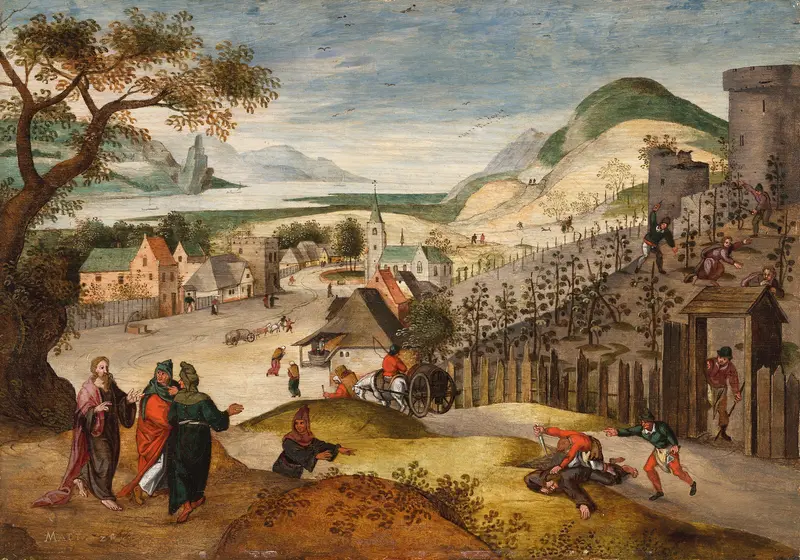
October – The Parable of the Vineyard
Abel Grimmer
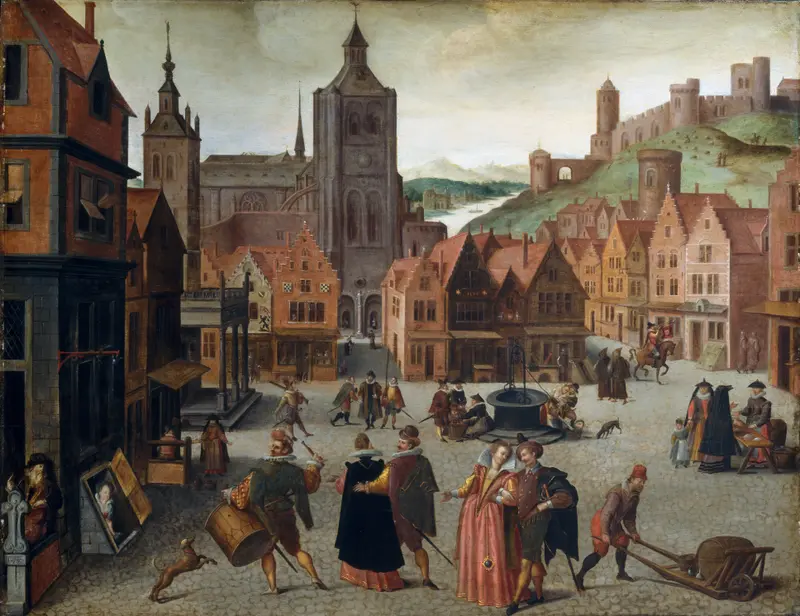
The Marketplace in Bergen op Zoom
Abel Grimmer





