
Christus aan het kruis — History & Facts
In the stillness of moments captured, we glimpse the profound renewal that whispering faith can inspire. It’s a reminder that even in despair, hope can blossom anew. Look to the center of the canvas where the figure of Christ hangs on the cross, serene yet poignant. The artist employs deep, rich colors—crimson reds and earthy browns—that contrast starkly against the pale sky, drawing the eye toward the figure’s vulnerability.
The meticulous detailing of the fabric draping from the cross, combined with the gentle brushstrokes, highlights not only the physicality of the scene but also the emotional depth. Notice how the light softly illuminates Christ’s face, casting shadows that suggest both suffering and divine presence. The central figure is flanked by mourners whose expressions range from sorrow to reverence, each conveying a spectrum of emotional tension. This juxtaposition of grief and peace speaks to the duality of sacrifice and rebirth—an invitation to reflect on what it means to endure.
Intricately woven into the fabric of the composition are symbols of resurrection, such as the faint halo that envelops Christ’s head, hinting at the promise of new life amidst anguish. Created in 1517, this work emerged from the depths of the Northern Renaissance, a period marked by a renewed interest in humanism and religious themes. Van Oostsanen, working in Amsterdam, was influenced by the shifting tides of spirituality and the arts, capturing the essence of Christ’s sacrifice while resonating deeply within a time of transformation in both faith and artistic expression.
More Artworks by Jacob Cornelisz van Oostsanen
Browse all →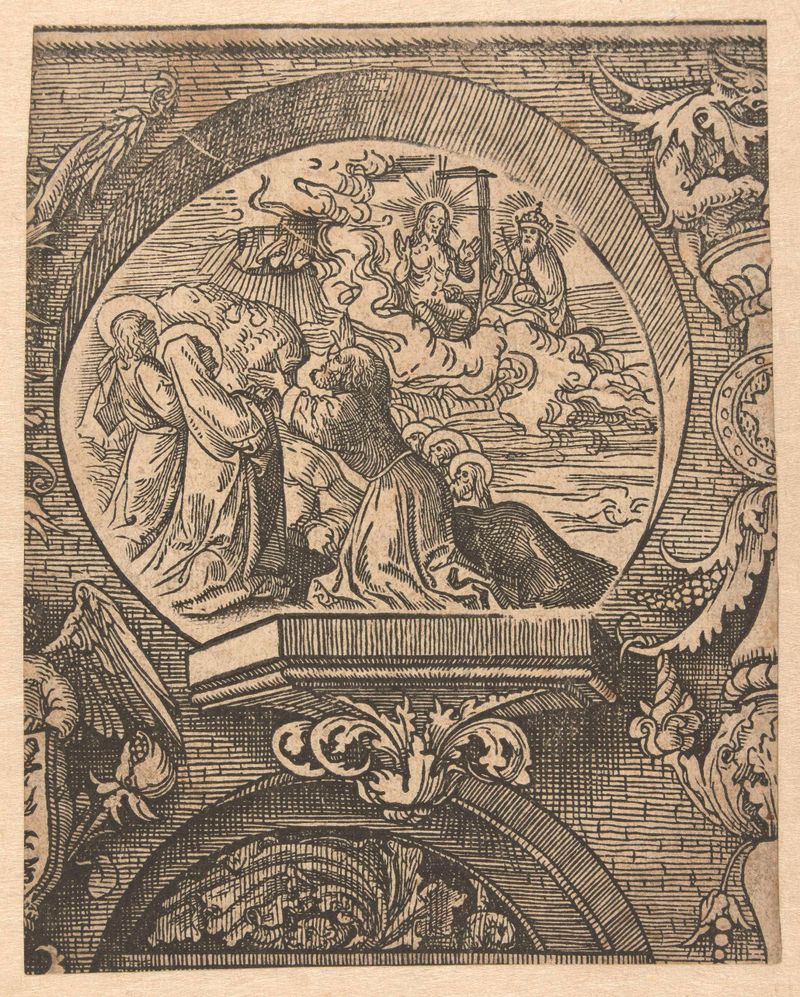
De hemelvaart en Christus voor God de Vader
Jacob Cornelisz van Oostsanen
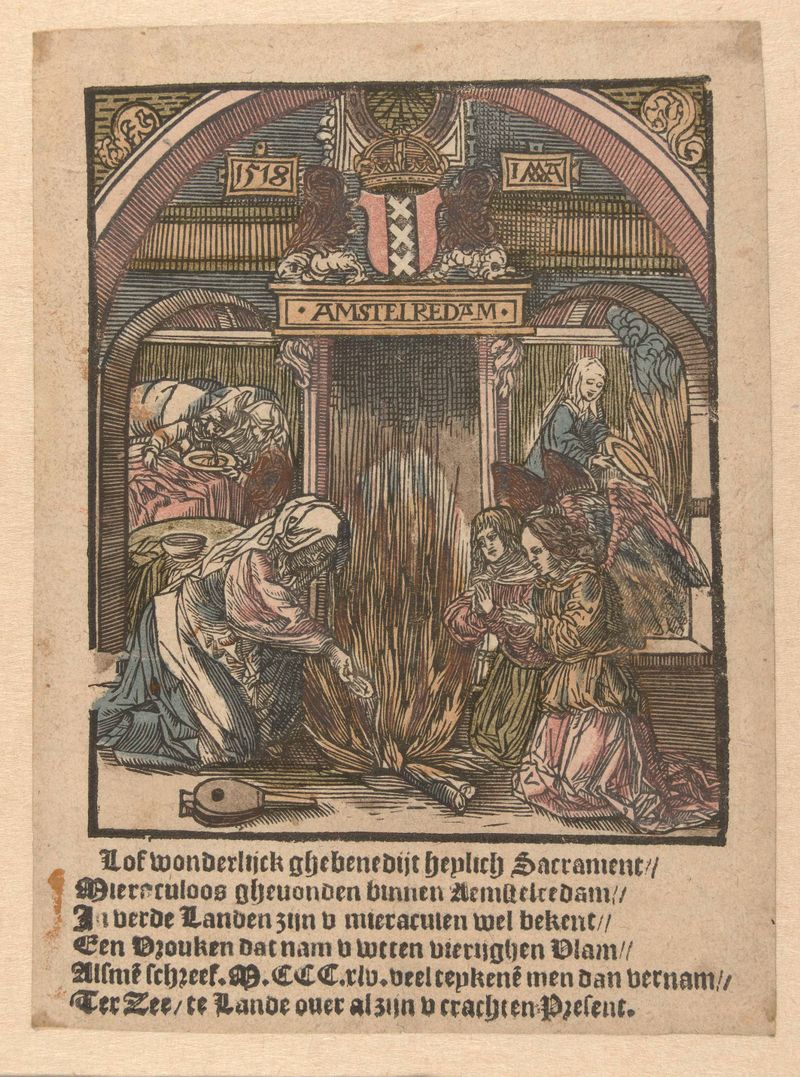
Het hostiewonder van Amsterdam
Jacob Cornelisz van Oostsanen
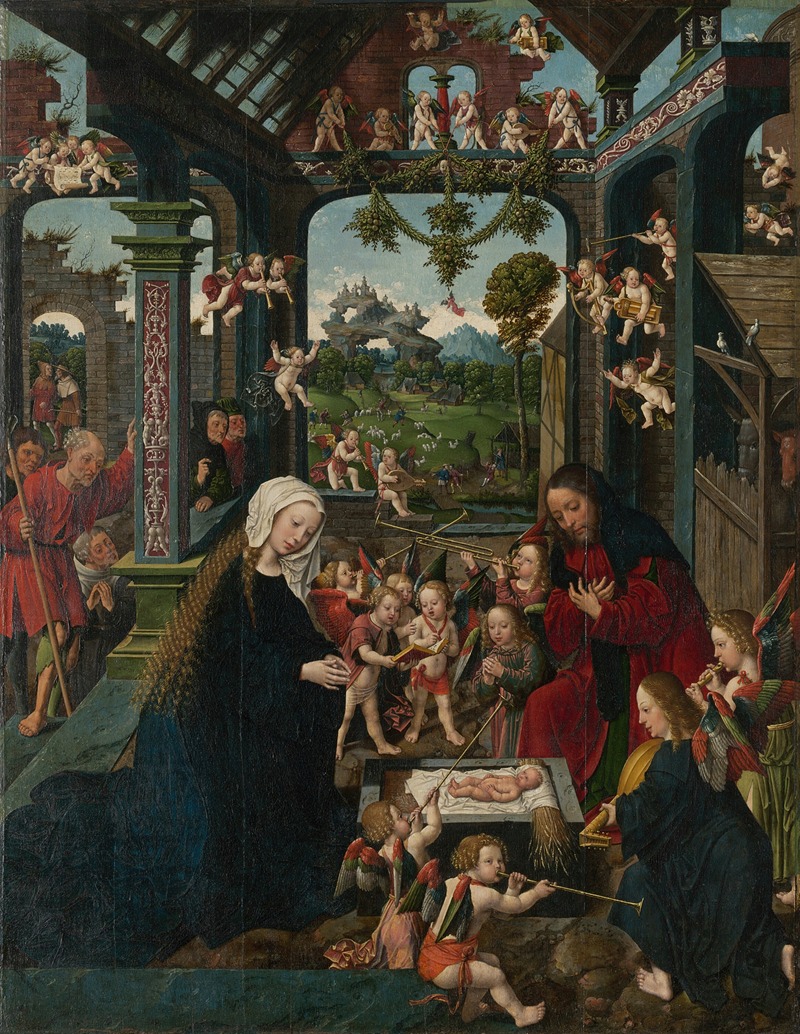
The Adoration of the Christ Child
Jacob Cornelisz van Oostsanen
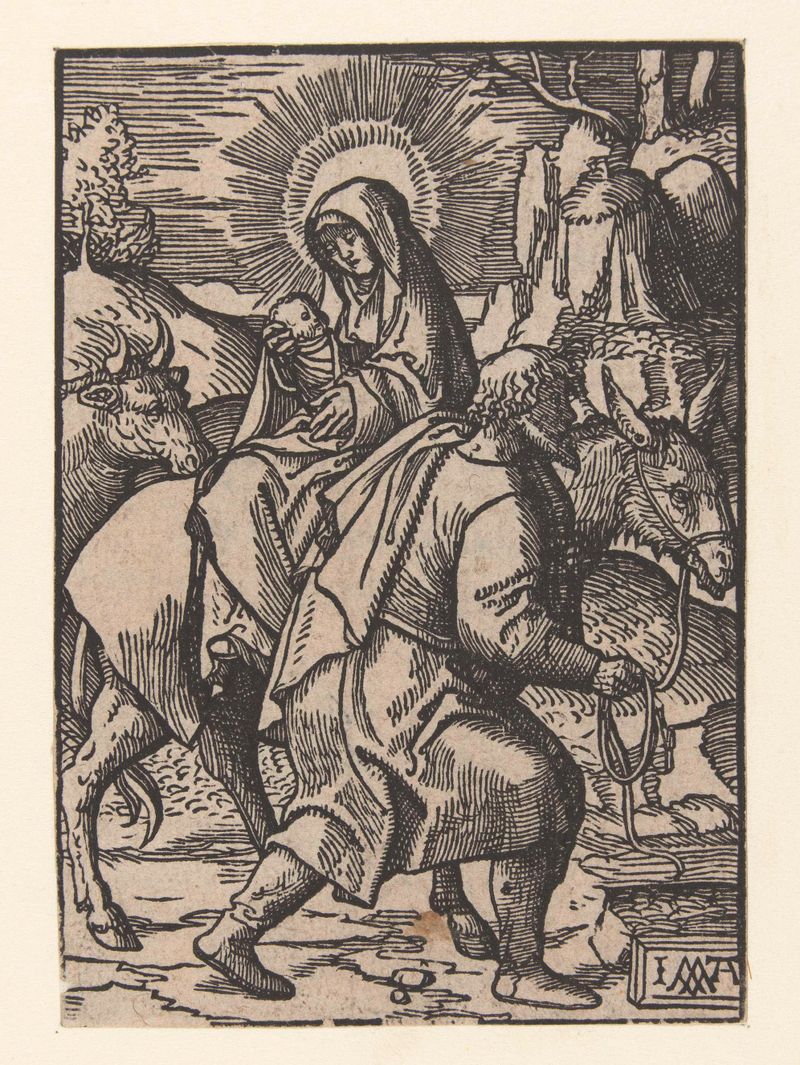
Vlucht naar Egypte
Jacob Cornelisz van Oostsanen
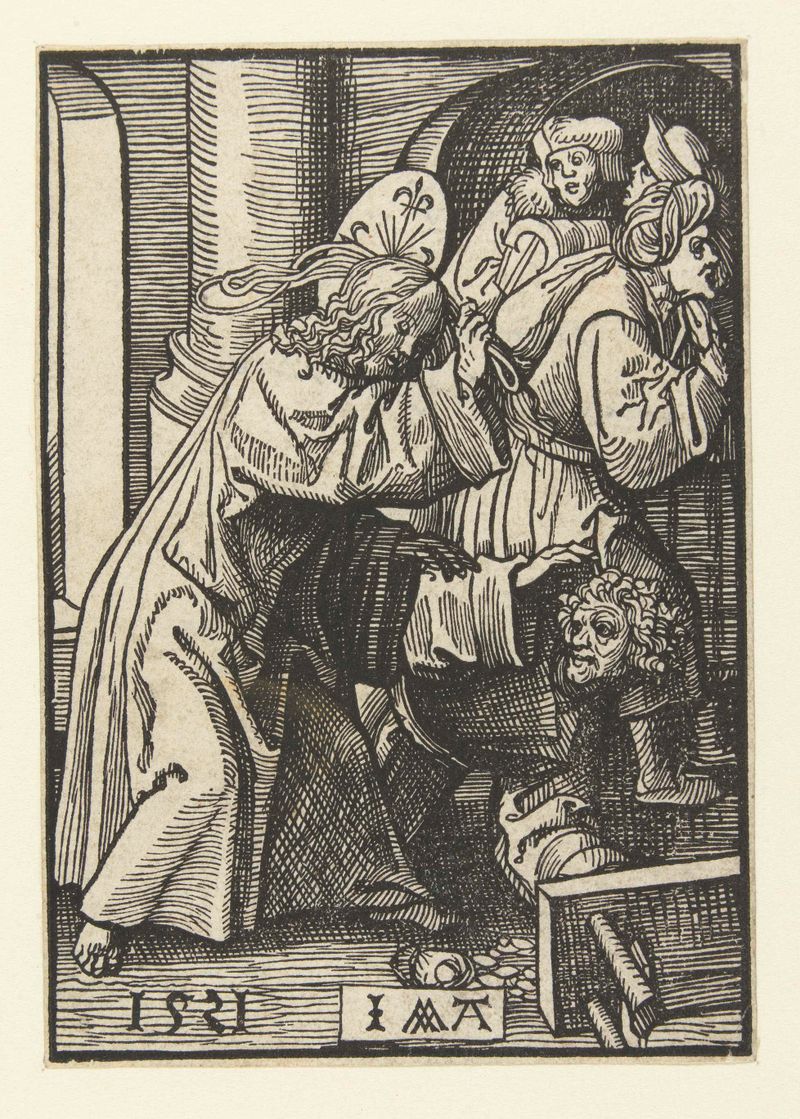
Verdrijving van de handelaren uit de tempel
Jacob Cornelisz van Oostsanen
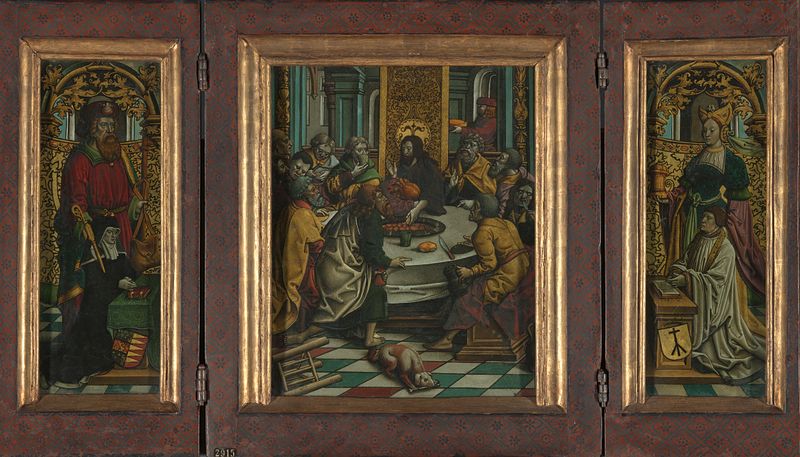
Triptych with the Last Supper and Donors
Jacob Cornelisz van Oostsanen
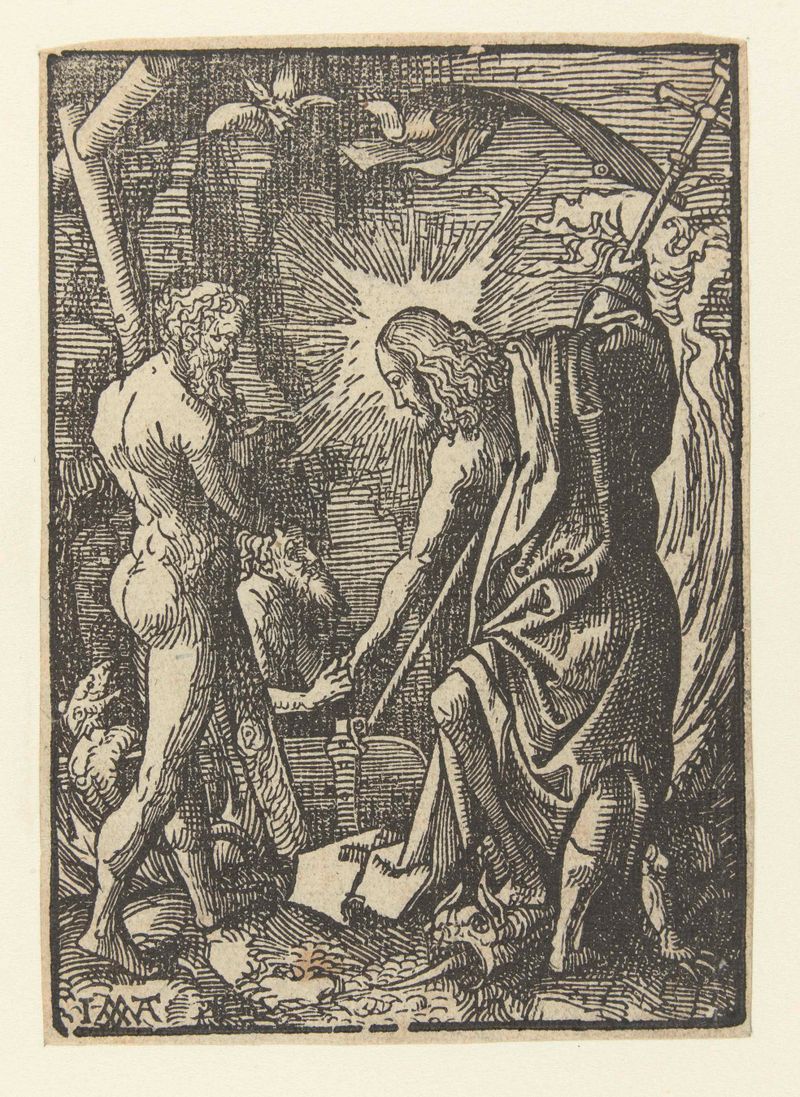
Christus in het voorgeborchte
Jacob Cornelisz van Oostsanen
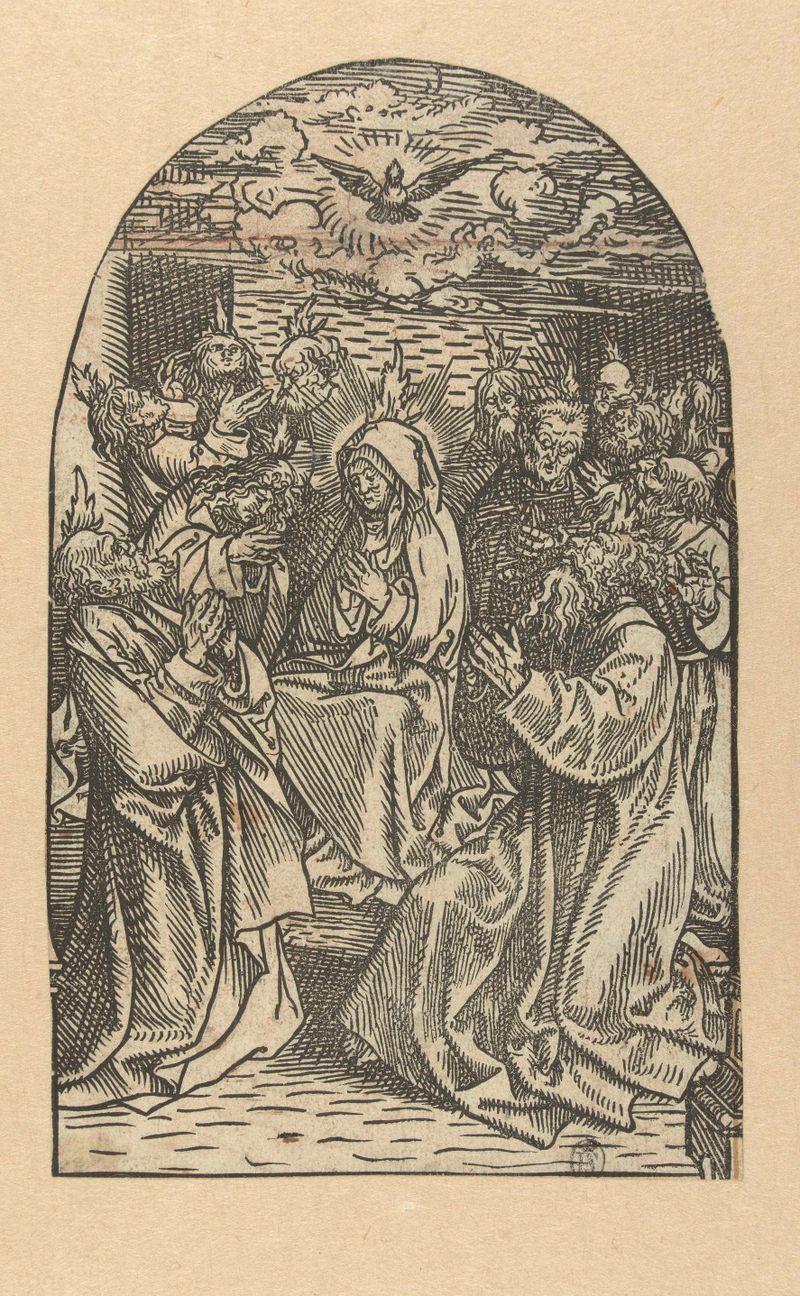
Uitstorting van de Heilige Geest
Jacob Cornelisz van Oostsanen
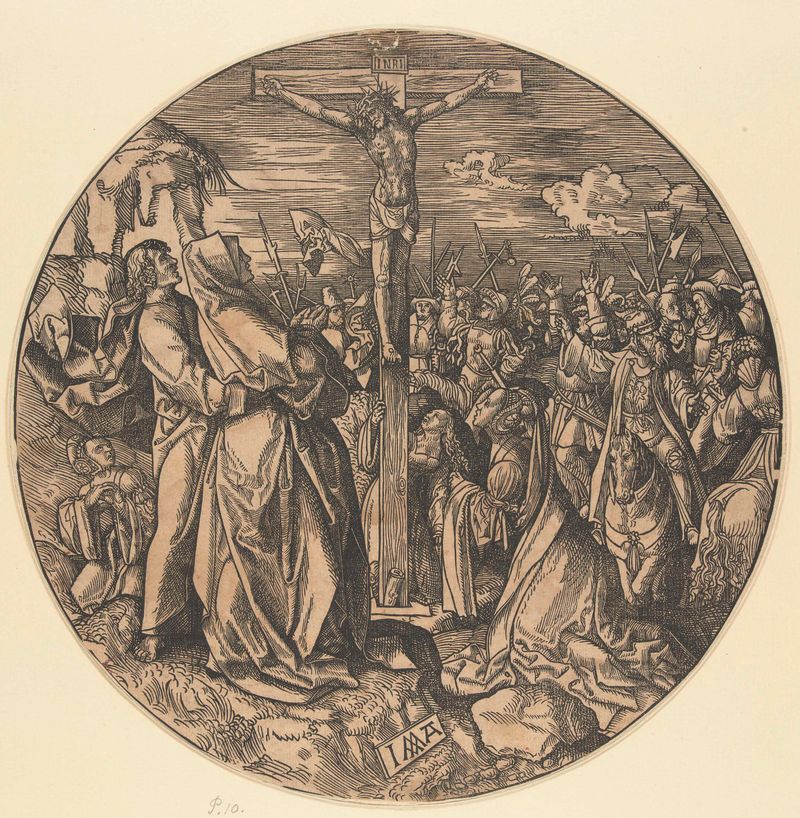
Christus aan het kruis
Jacob Cornelisz van Oostsanen

De kruisiging en de graflegging van Christus
Jacob Cornelisz van Oostsanen
More Religious Art
Browse all →
The Return of the Prodigal Son
Rembrandt van Rijn

The Garden of Earthly Delights
El Bosco

Count Orgaz’ funeral
El Greco

The Hundred Guilder Print: the central piece with Christ preaching, the plate arched
Rembrandt van Rijn

The Descent from the Cross
Rogier van der Weyden

The return of the prodigal son
Rembrandt van Rijn