
Christus als Salvator Mundi — History & Facts
Could a single brushstroke hold eternity? In Christus als Salvator Mundi, that question lingers, echoing the profound hope encapsulated in the figure of Christ, whose serene presence invites contemplation and solace. Look to the center of the canvas where Christ stands cloaked in rich, deep colors, his gaze steady and penetrating. Notice how the light illuminates his face, casting soft shadows that accentuate his gentle features. The subtle play of golden hues creates a halo effect, suggesting divinity, while the delicate detailing of the drapery draws the eye, inviting viewers to appreciate both the craftsmanship and spiritual depth of the work. Within the folds of his garments lies an intricate juxtaposition of serenity and strength.
The carefully rendered hands, one raised in blessing and the other cradling a crystal orb, symbolize both protection and the promise of salvation. This duality resonates with the viewer, evoking a sense of hope amidst uncertainty. The orb itself reflects a world filled with potential and challenges, a reminder of the complex interplay between faith and reality in the human experience. Jacob Cornelisz van Oostsanen created this piece between 1518 and 1523 during a time of significant change in Europe, as the Renaissance flourished and new theological ideas emerged.
Working in Amsterdam, he was influenced by the growing interest in humanism and the reformation of religious imagery, reflecting the spiritual aspirations and societal shifts of his era. This artwork stands as a testament to both his skill and the transformative power of faith in a rapidly evolving world.
More Artworks by Jacob Cornelisz van Oostsanen
Browse all →
De hemelvaart en Christus voor God de Vader
Jacob Cornelisz van Oostsanen
Het hostiewonder van Amsterdam
Jacob Cornelisz van Oostsanen
The Adoration of the Christ Child
Jacob Cornelisz van Oostsanen
Vlucht naar Egypte
Jacob Cornelisz van Oostsanen
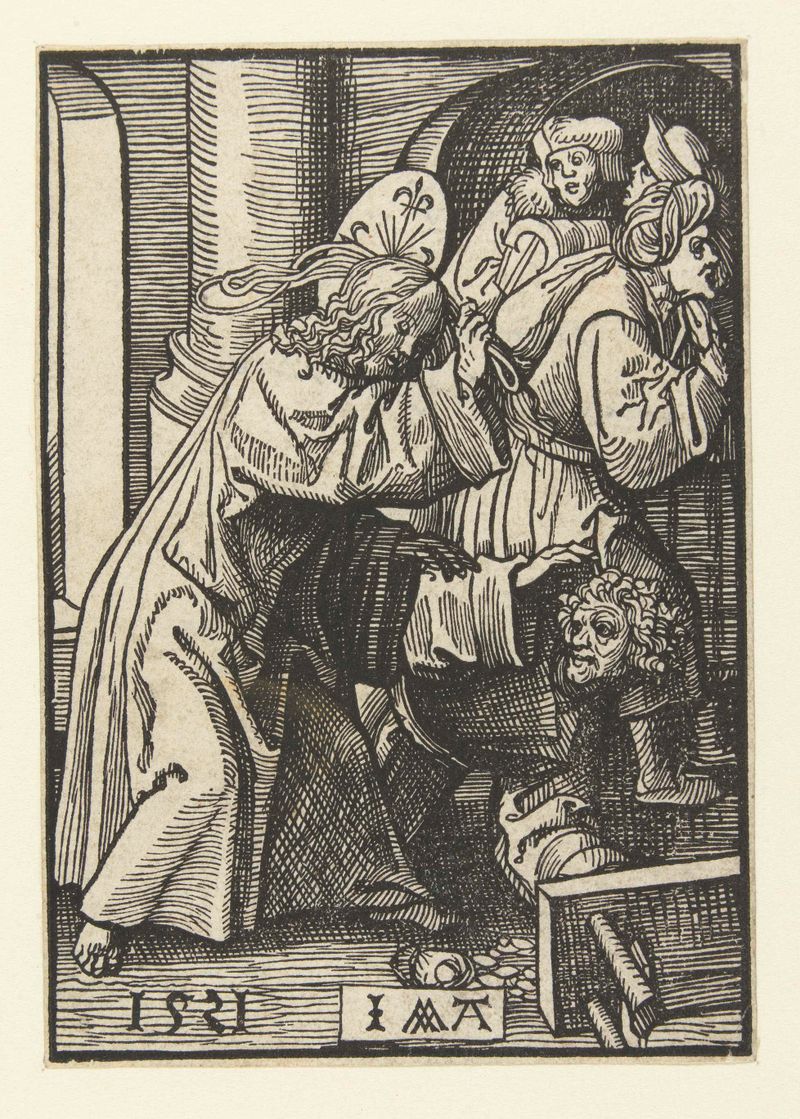
Verdrijving van de handelaren uit de tempel
Jacob Cornelisz van Oostsanen
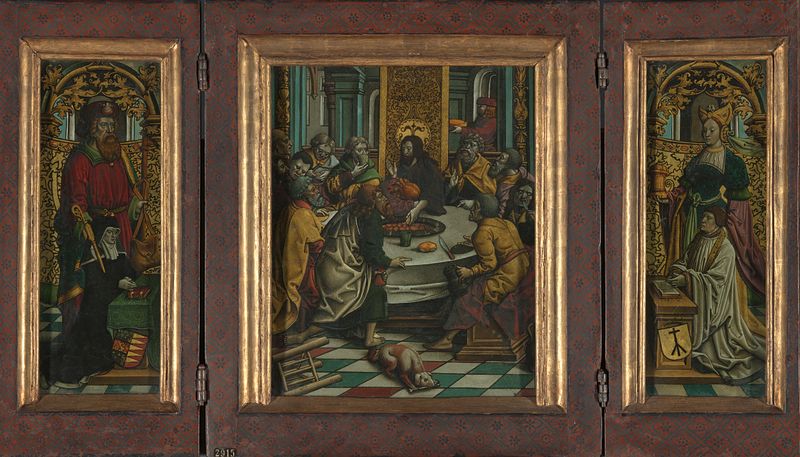
Triptych with the Last Supper and Donors
Jacob Cornelisz van Oostsanen
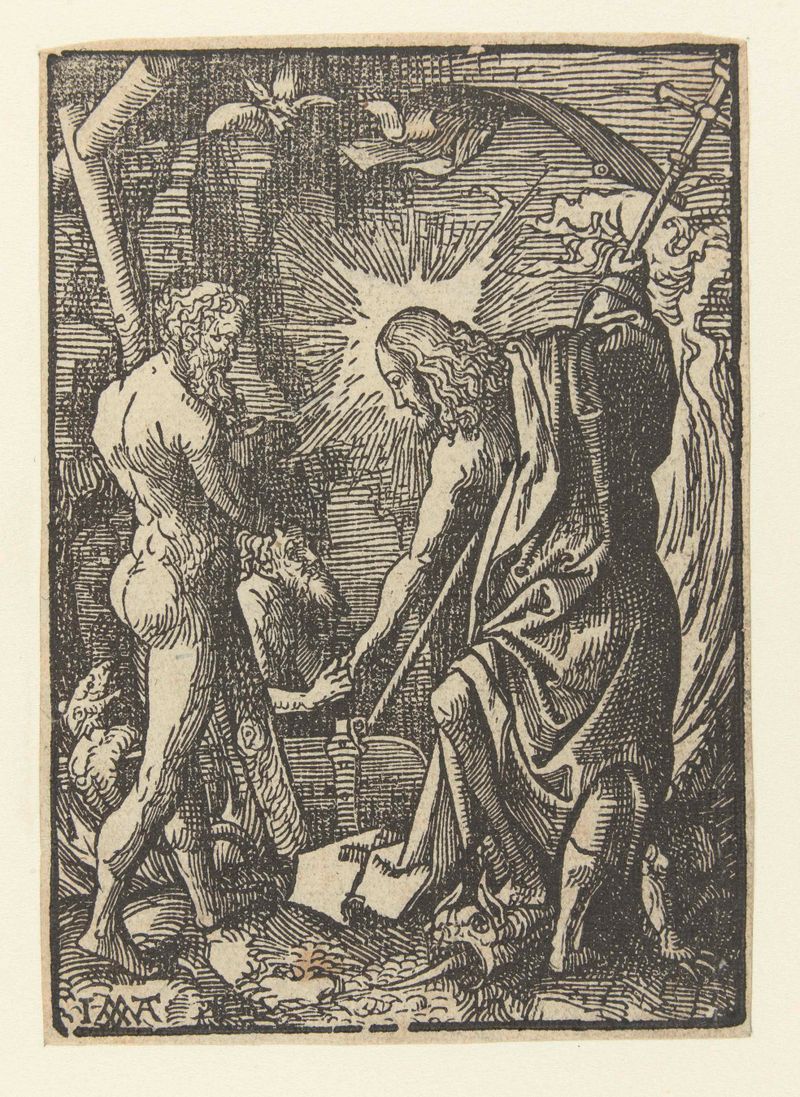
Christus in het voorgeborchte
Jacob Cornelisz van Oostsanen
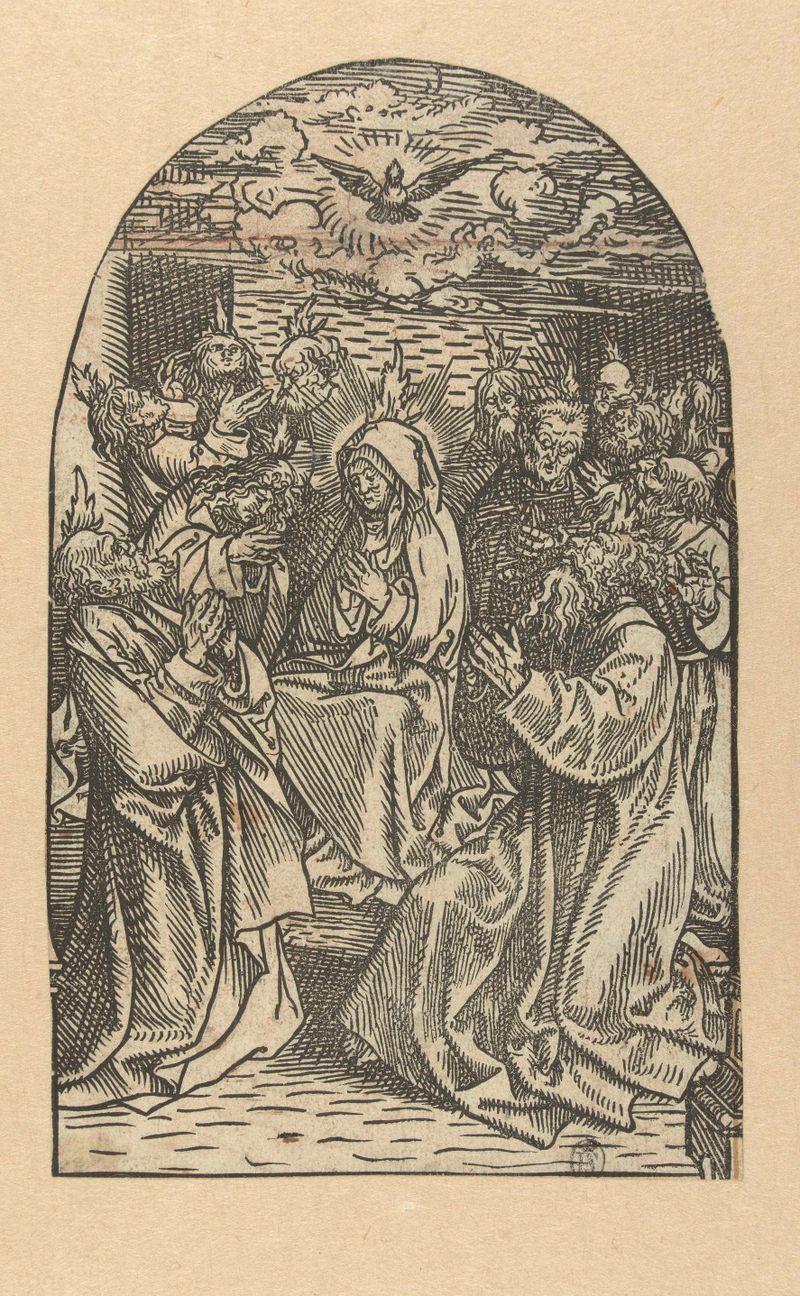
Uitstorting van de Heilige Geest
Jacob Cornelisz van Oostsanen
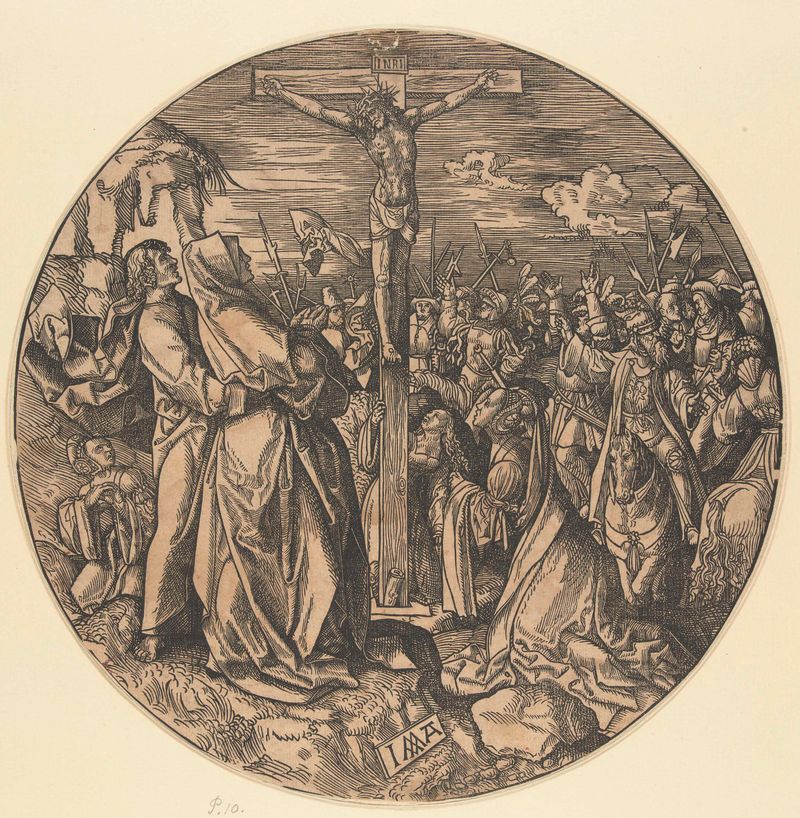
Christus aan het kruis
Jacob Cornelisz van Oostsanen

De kruisiging en de graflegging van Christus
Jacob Cornelisz van Oostsanen
More Religious Art
Browse all →
The Return of the Prodigal Son
Rembrandt van Rijn

The Garden of Earthly Delights
El Bosco

Count Orgaz’ funeral
El Greco

The Hundred Guilder Print: the central piece with Christ preaching, the plate arched
Rembrandt van Rijn

The Descent from the Cross
Rogier van der Weyden

The return of the prodigal son
Rembrandt van Rijn