
Christus bij Maria en Martha — History & Facts
Look closely at the central figures, Mary and Martha, as they engage with Christ. Notice how the warm hues of their garments contrast with the cool tones surrounding them, creating a visual tension that pulls your gaze. The light streams softly onto Christ, illuminating his serene expression, while the anxious gestures of Martha reveal her inner turmoil—this juxtaposition highlights the struggle between action and contemplation that defines the scene. The relationship between the three figures is laden with unspoken emotions.
Martha’s furrowed brow, a symbol of her anxiety, contrasts sharply with Mary’s calm demeanor, suggesting a deeper narrative of familial duty versus spiritual fulfillment. The intricate details of their clothing and the soft textures of the drapery further enhance the emotional weight, inviting viewers to reflect on their own fears and desires for balance amidst life's demands. In 1507, Jacob Cornelisz van Oostsanen created this piece during a time of artistic evolution in the Northern Renaissance. He painted it while living in Amsterdam, where he embraced humanist themes that blended religious iconography with vibrant, lifelike representations.
Amidst the rise of Reformation ideas and shifts in artistic conventions, this work reflects a moment of personal exploration, revealing the undercurrents of anxiety that accompany faith and devotion in a complex world.
More Artworks by Jacob Cornelisz van Oostsanen
Browse all →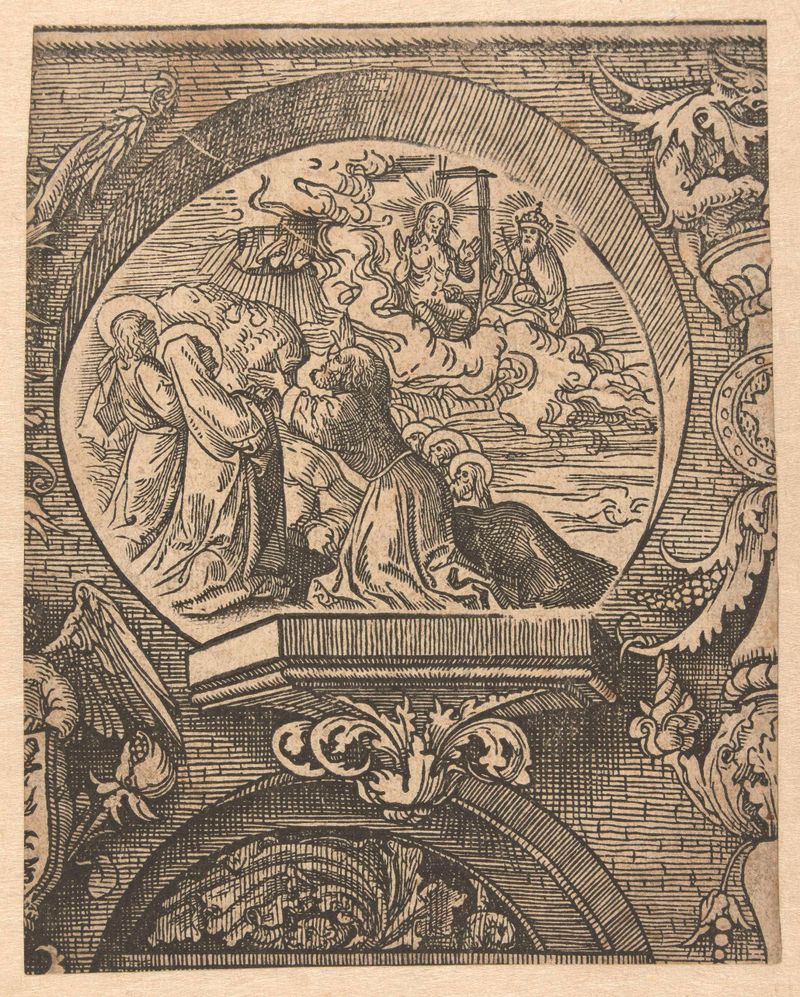
De hemelvaart en Christus voor God de Vader
Jacob Cornelisz van Oostsanen
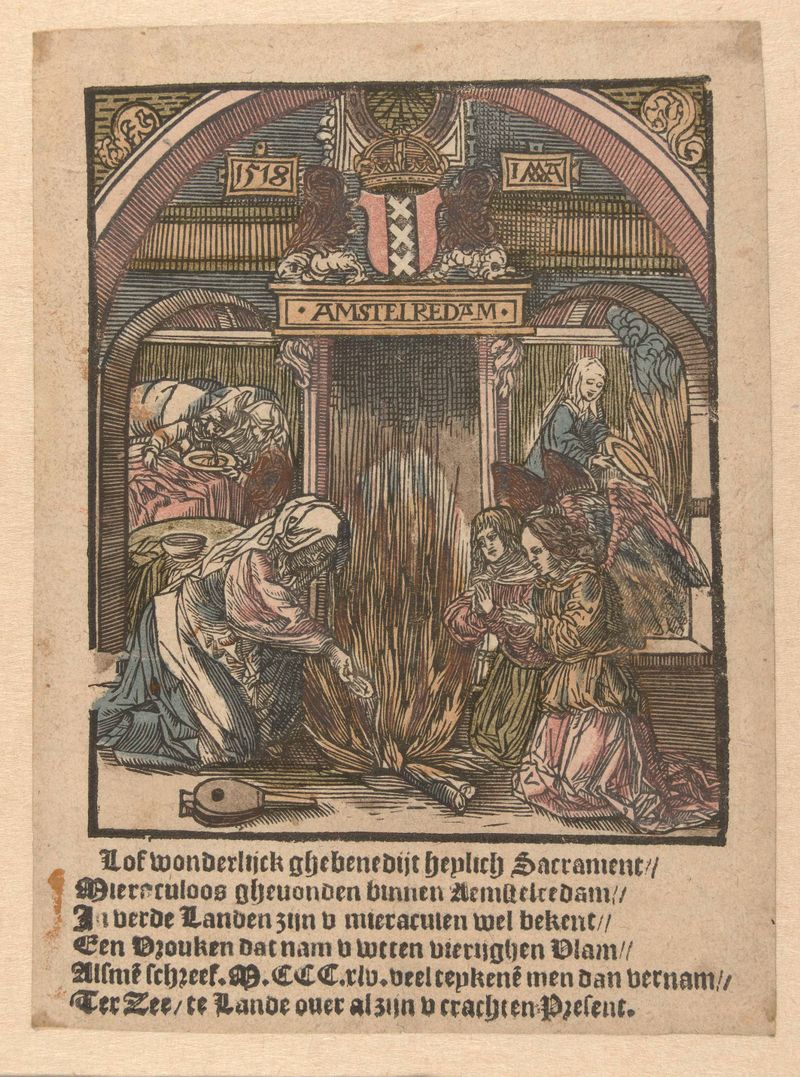
Het hostiewonder van Amsterdam
Jacob Cornelisz van Oostsanen
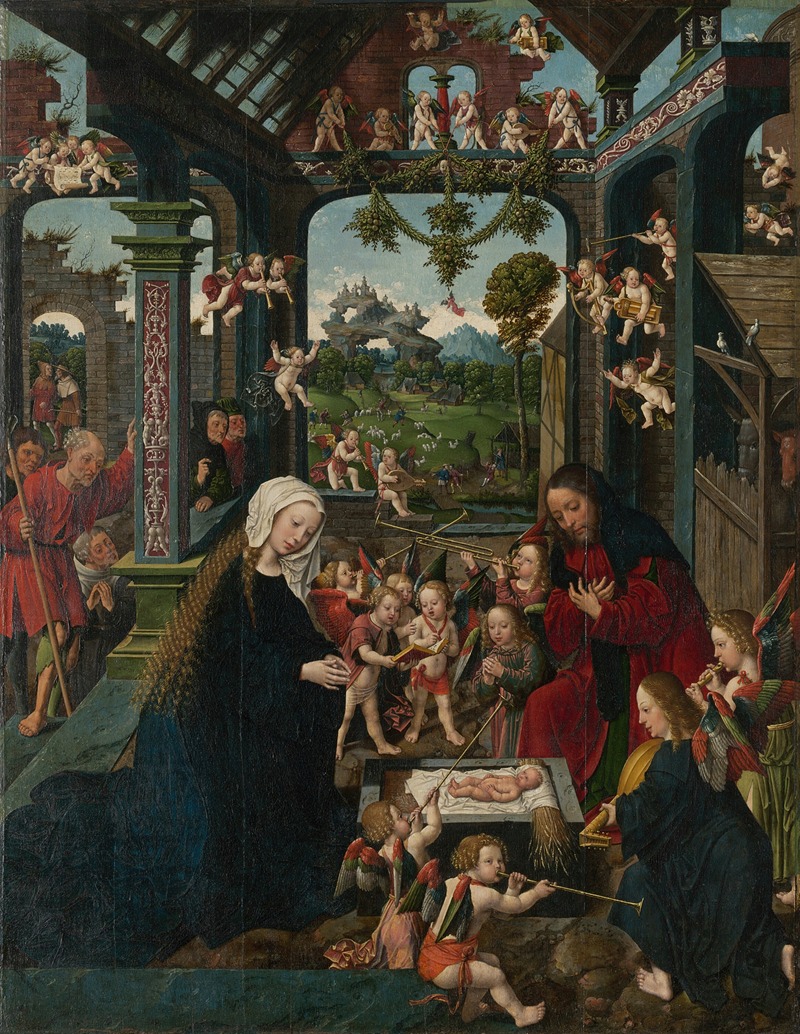
The Adoration of the Christ Child
Jacob Cornelisz van Oostsanen
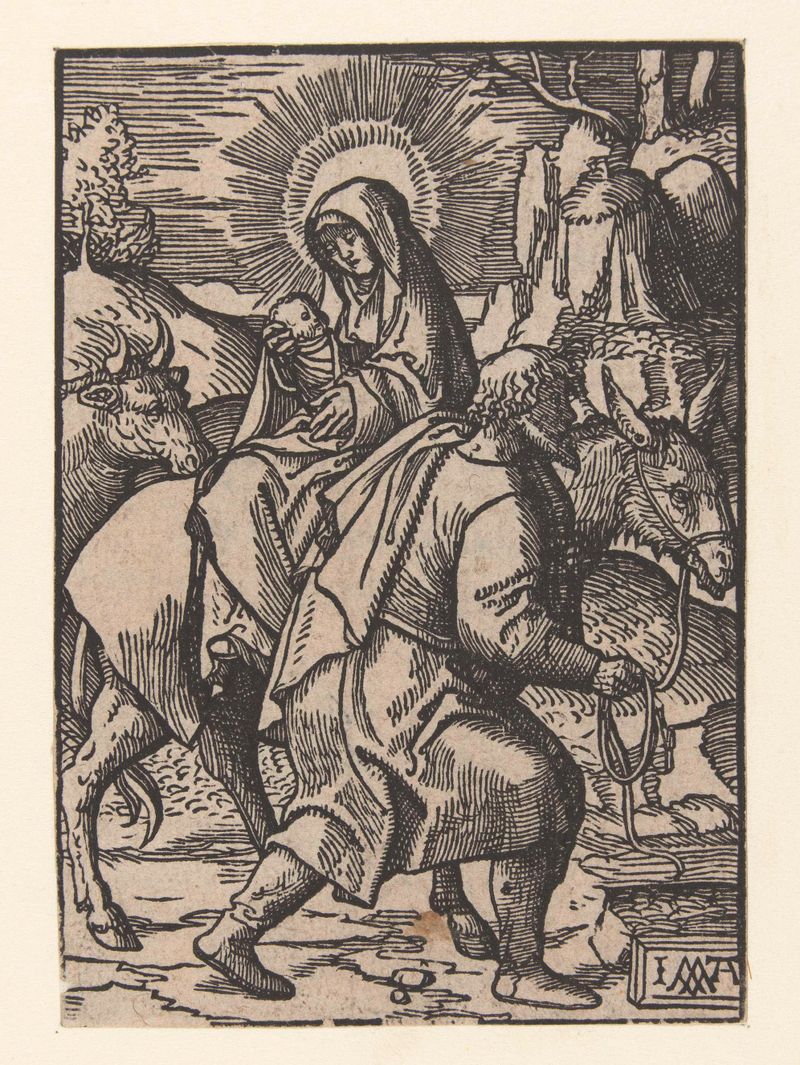
Vlucht naar Egypte
Jacob Cornelisz van Oostsanen
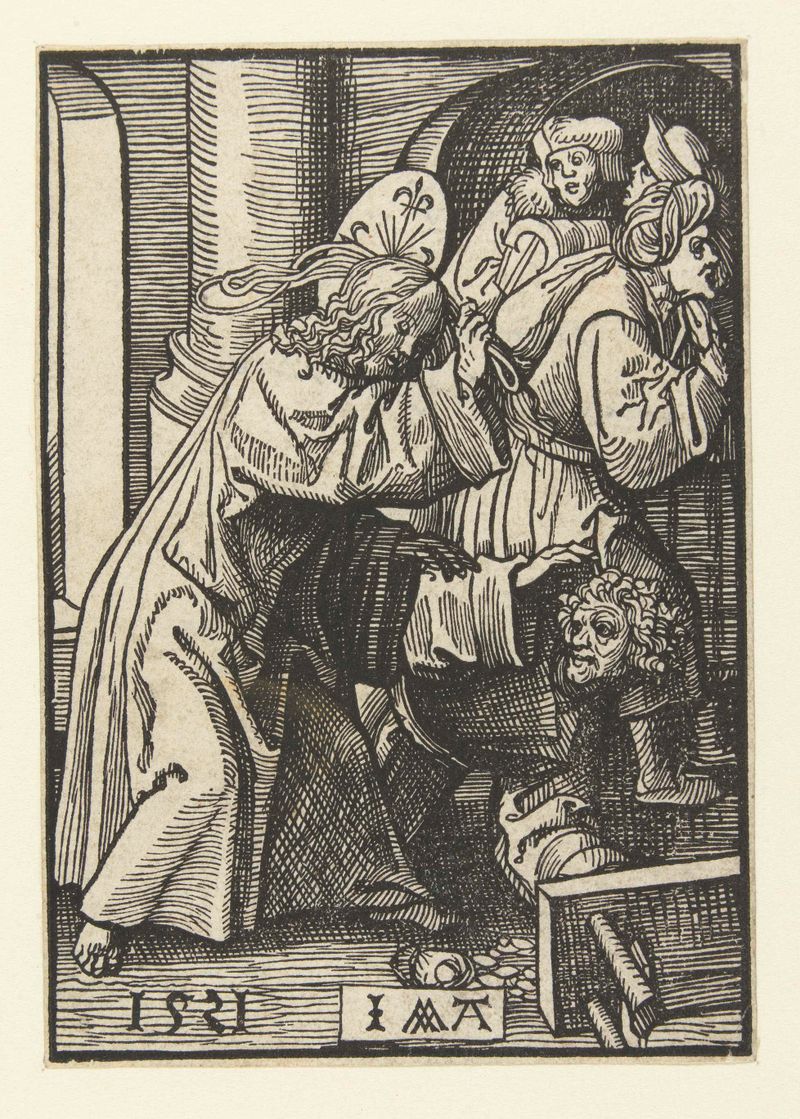
Verdrijving van de handelaren uit de tempel
Jacob Cornelisz van Oostsanen
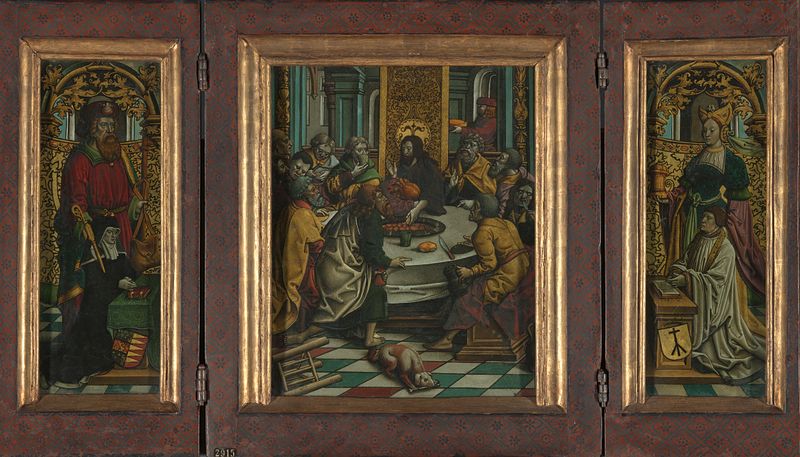
Triptych with the Last Supper and Donors
Jacob Cornelisz van Oostsanen
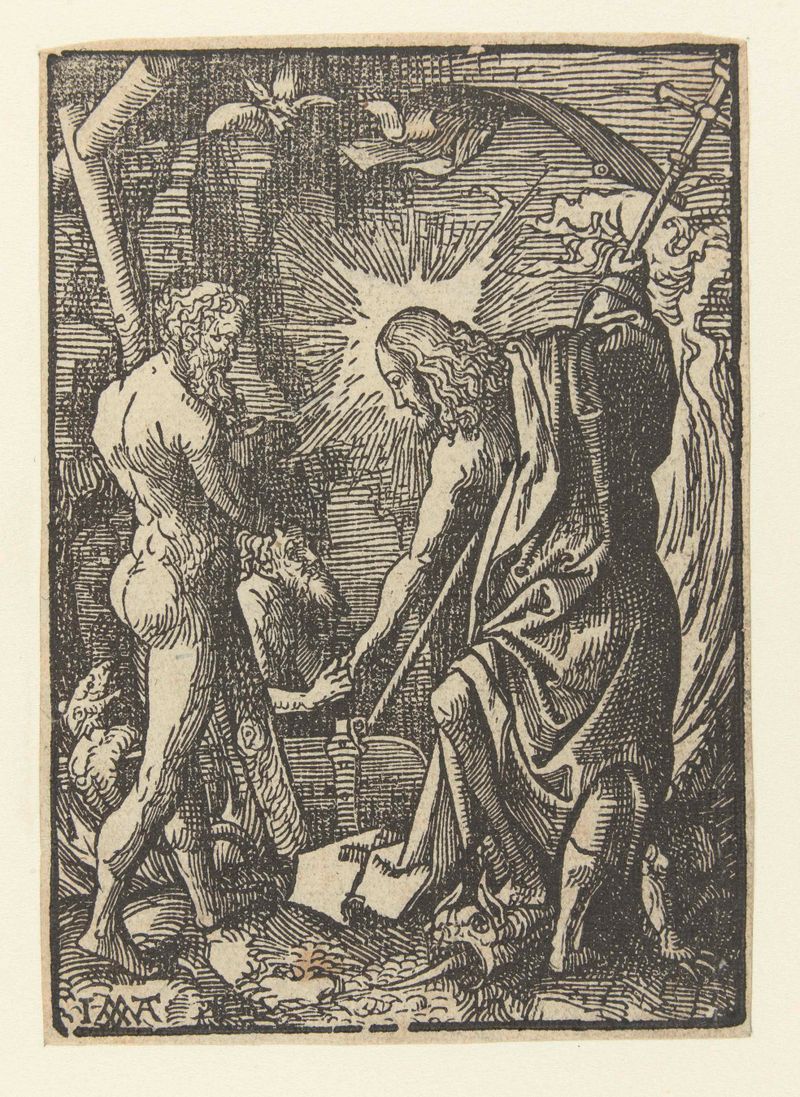
Christus in het voorgeborchte
Jacob Cornelisz van Oostsanen
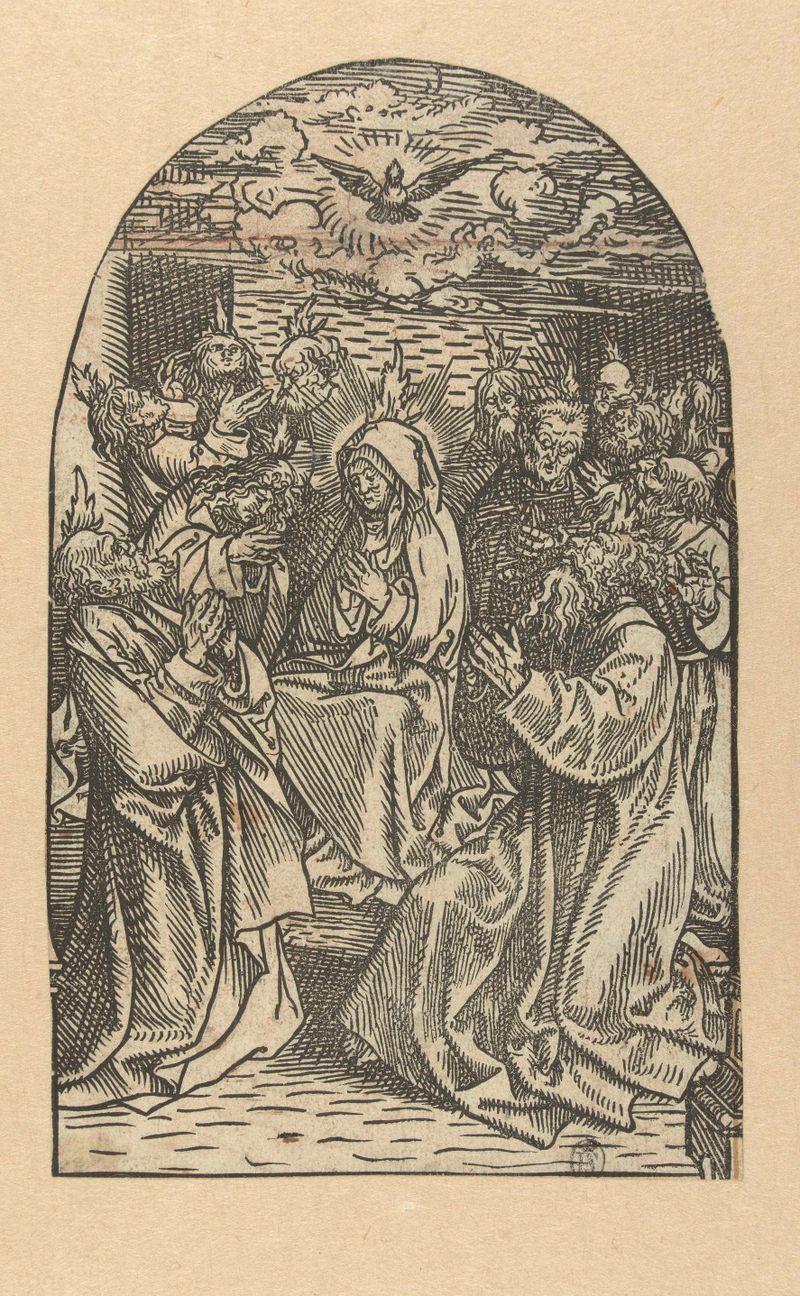
Uitstorting van de Heilige Geest
Jacob Cornelisz van Oostsanen
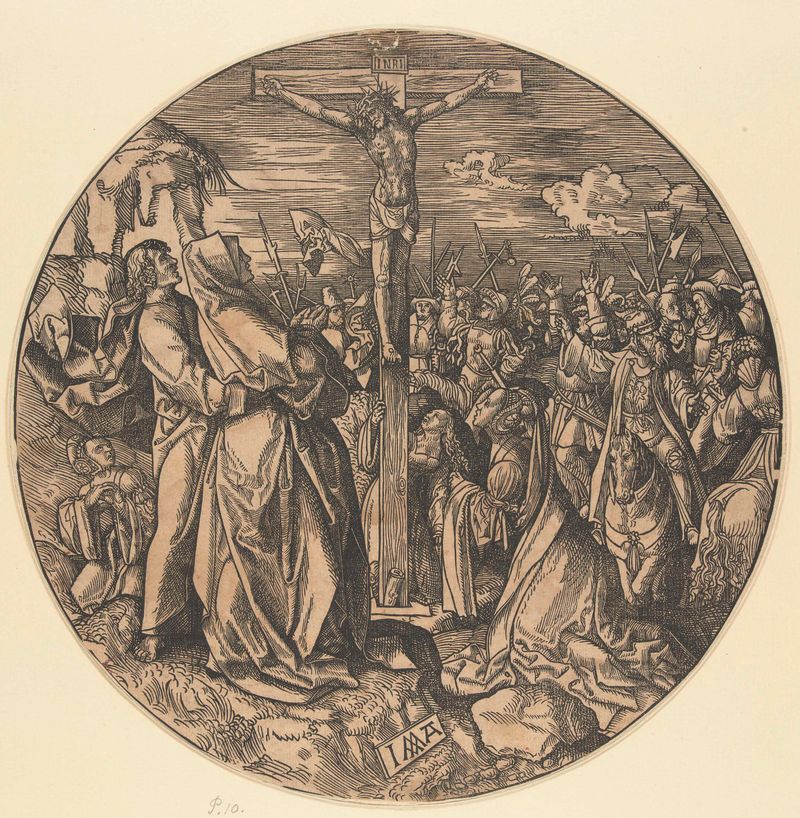
Christus aan het kruis
Jacob Cornelisz van Oostsanen

De kruisiging en de graflegging van Christus
Jacob Cornelisz van Oostsanen
More Religious Art
Browse all →
The Return of the Prodigal Son
Rembrandt van Rijn

The Garden of Earthly Delights
El Bosco

Count Orgaz’ funeral
El Greco

The Hundred Guilder Print: the central piece with Christ preaching, the plate arched
Rembrandt van Rijn

The Descent from the Cross
Rogier van der Weyden

The return of the prodigal son
Rembrandt van Rijn