
Christus op de Olijfberg — History & Facts
In the quiet moments of longing, our memories intertwine with the vivid strokes of an artist's brush, evoking emotions that linger long after the first glance. Focus first on the central figure, poised in contemplative sorrow, arms outstretched in a gesture of both supplication and acceptance. The delicate interplay of light and shadow casts a serene glow upon his anguished expression, highlighting the folds of his garment which billow gently, like the whispers of a restless wind. Notice the muted palette of blues and greens, signifying both the tranquility of night and the weight of the moment; it draws viewers into the depth of the scene, creating a sanctuary of introspection. Yet, beyond the immediate image of Christ, the painting teems with subtle contrasts.
The juxtaposition of night against the figure’s luminous aura speaks to the tension between despair and hope, while the distant city lights glimmer faintly in the background, a reminder of the world’s obliviousness to anguish. Each brushstroke embodies a sense of yearning, inviting the observer to confront the shadows of their own heart. In the early 16th century, during a period of great religious upheaval in Europe, the artist created this profound piece in or after 1517. Living in Haarlem, van Oostsanen was part of a pivotal moment in art history, melding the late Gothic style with emerging Renaissance ideals.
A master of emotional depth, he sought to convey not only the story but the profound feelings behind it, capturing the essence of a moment that was at once timeless and deeply personal.
More Artworks by Jacob Cornelisz van Oostsanen
Browse all →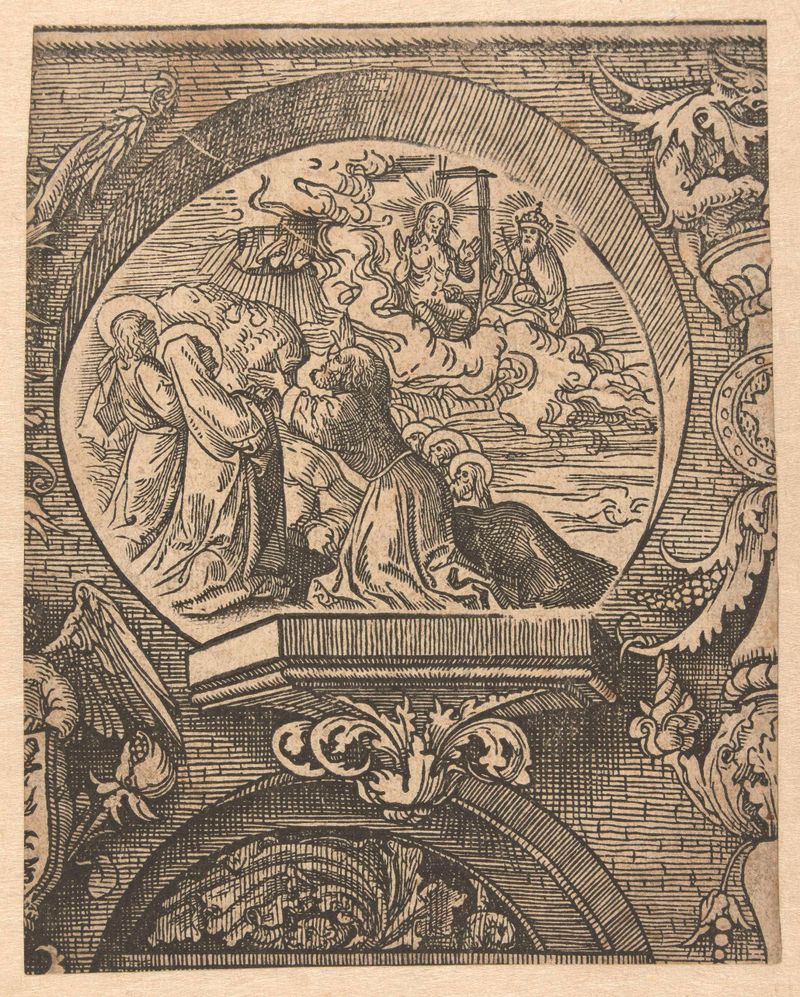
De hemelvaart en Christus voor God de Vader
Jacob Cornelisz van Oostsanen
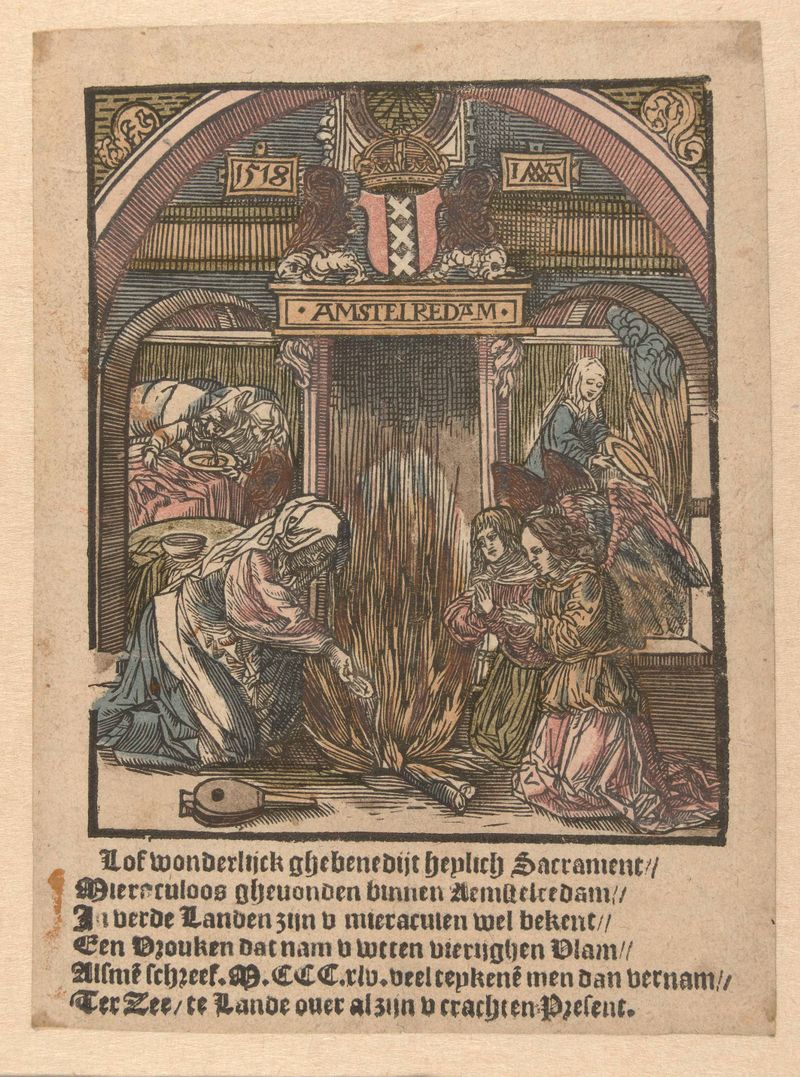
Het hostiewonder van Amsterdam
Jacob Cornelisz van Oostsanen
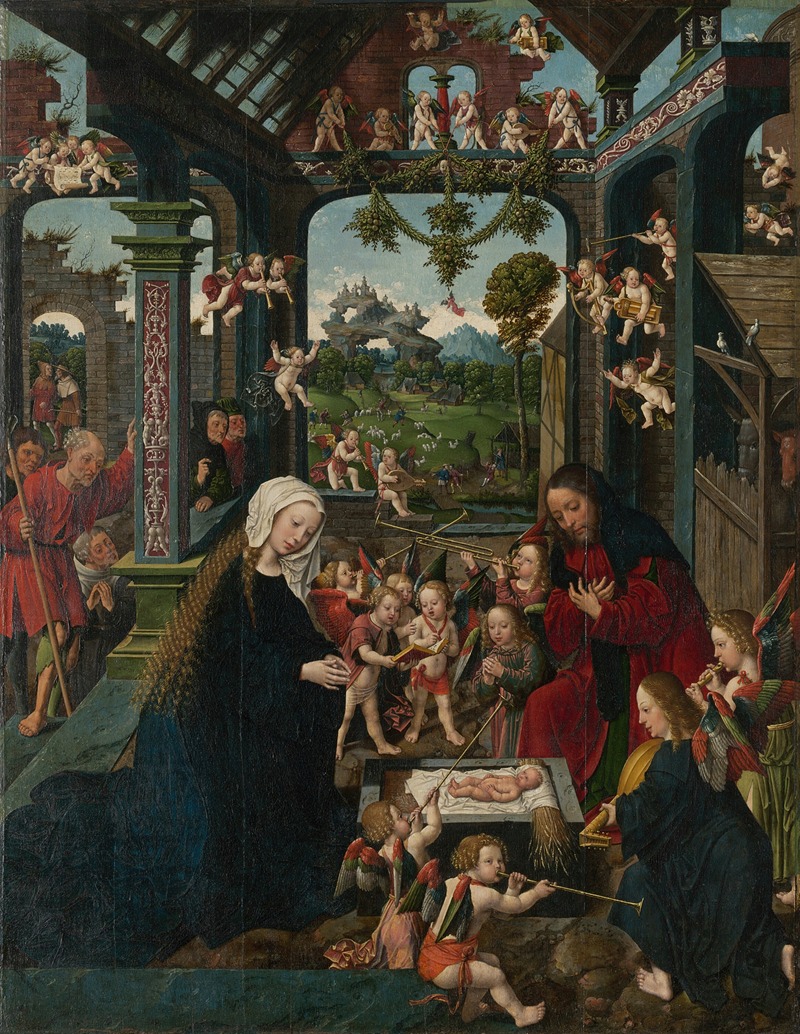
The Adoration of the Christ Child
Jacob Cornelisz van Oostsanen
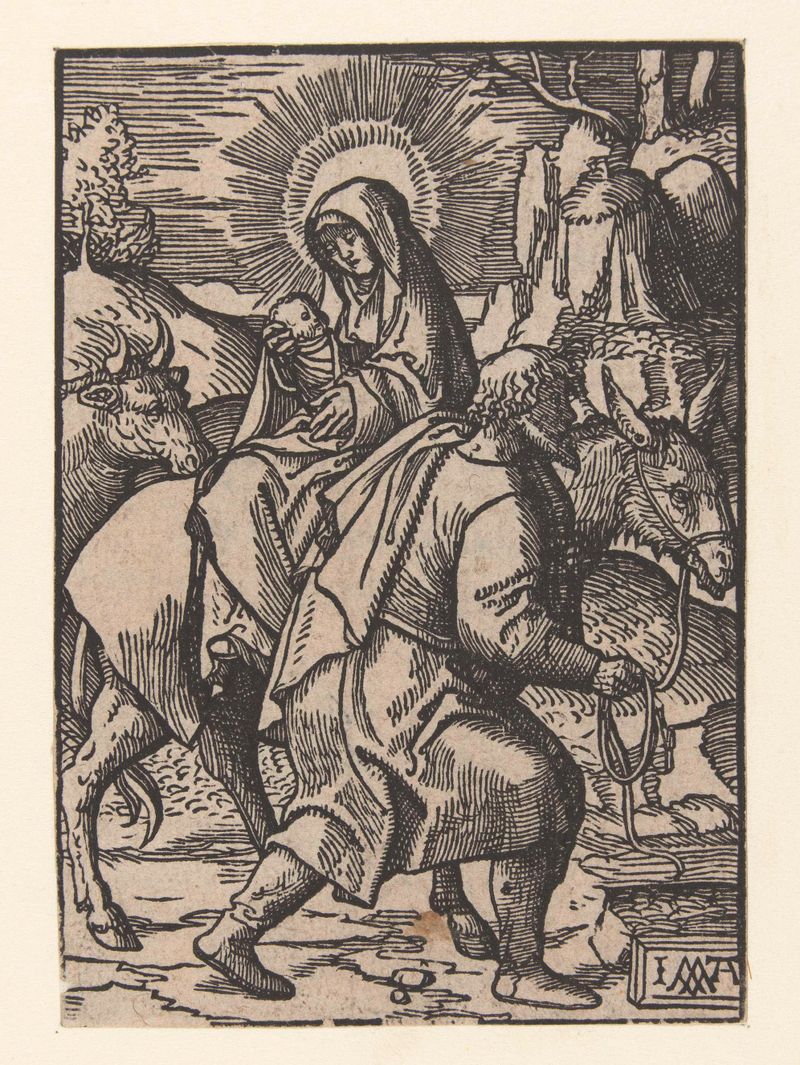
Vlucht naar Egypte
Jacob Cornelisz van Oostsanen
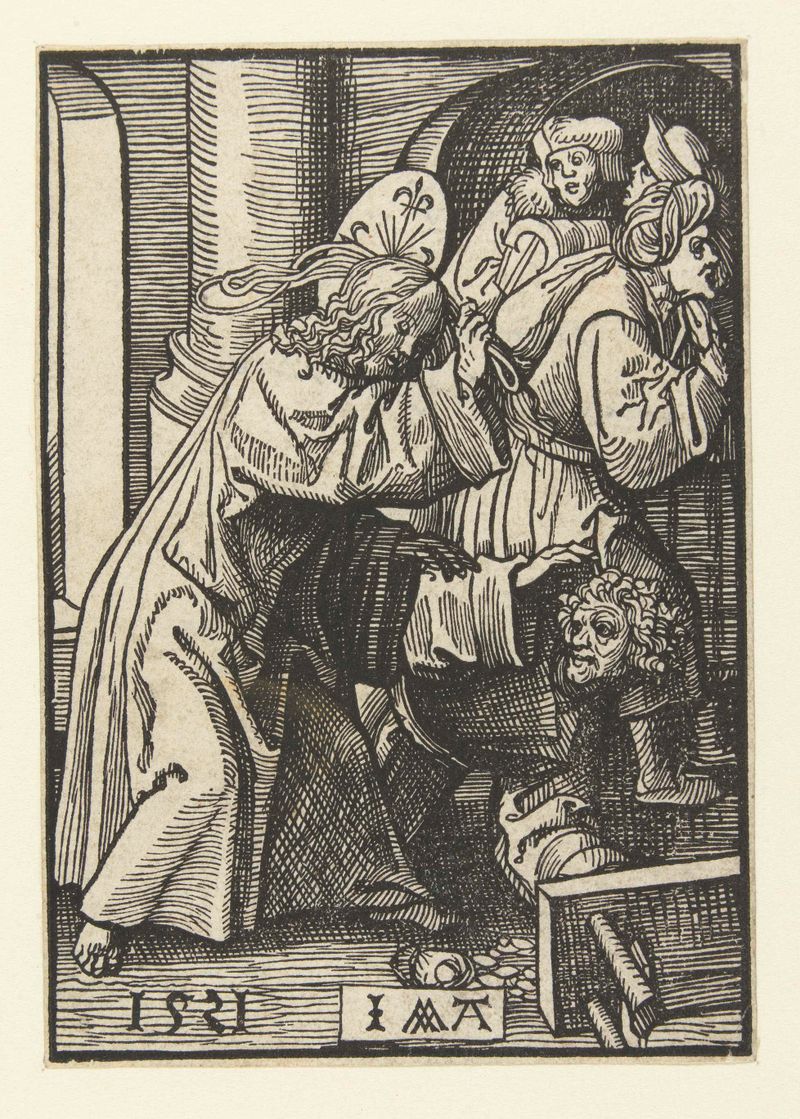
Verdrijving van de handelaren uit de tempel
Jacob Cornelisz van Oostsanen
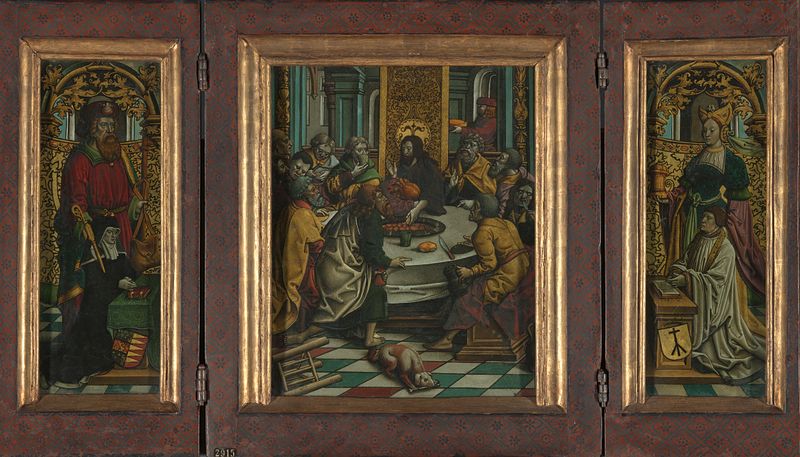
Triptych with the Last Supper and Donors
Jacob Cornelisz van Oostsanen
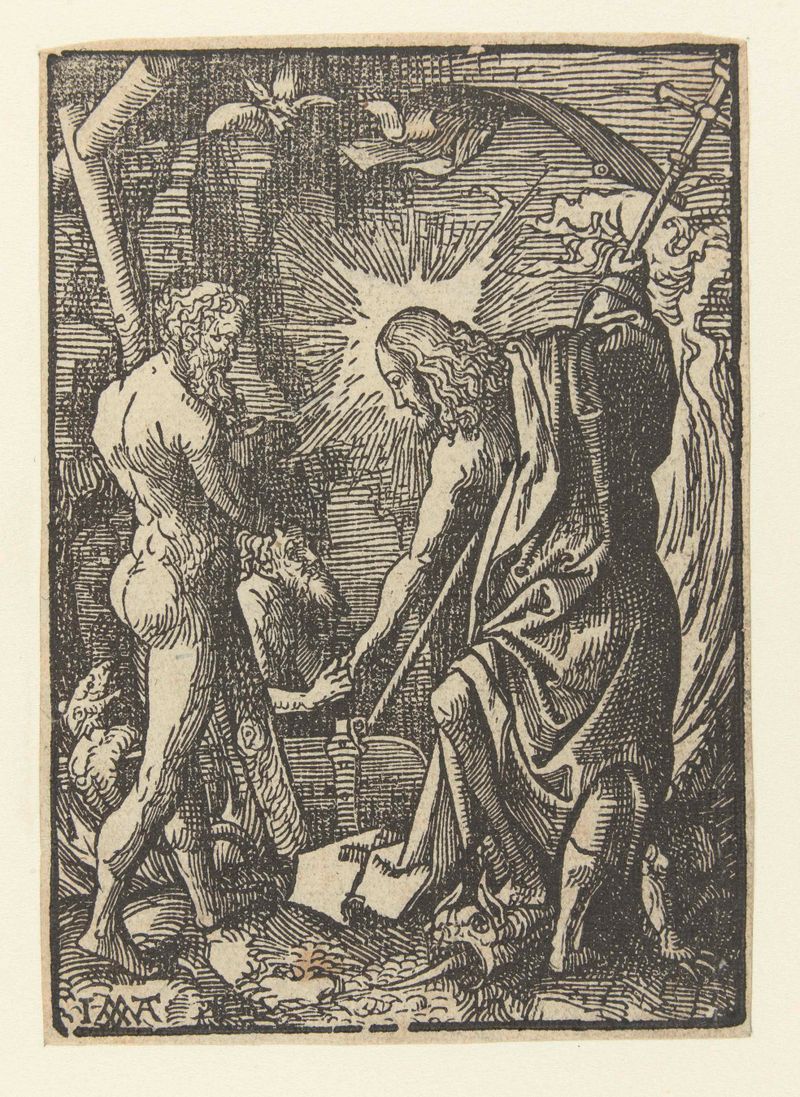
Christus in het voorgeborchte
Jacob Cornelisz van Oostsanen
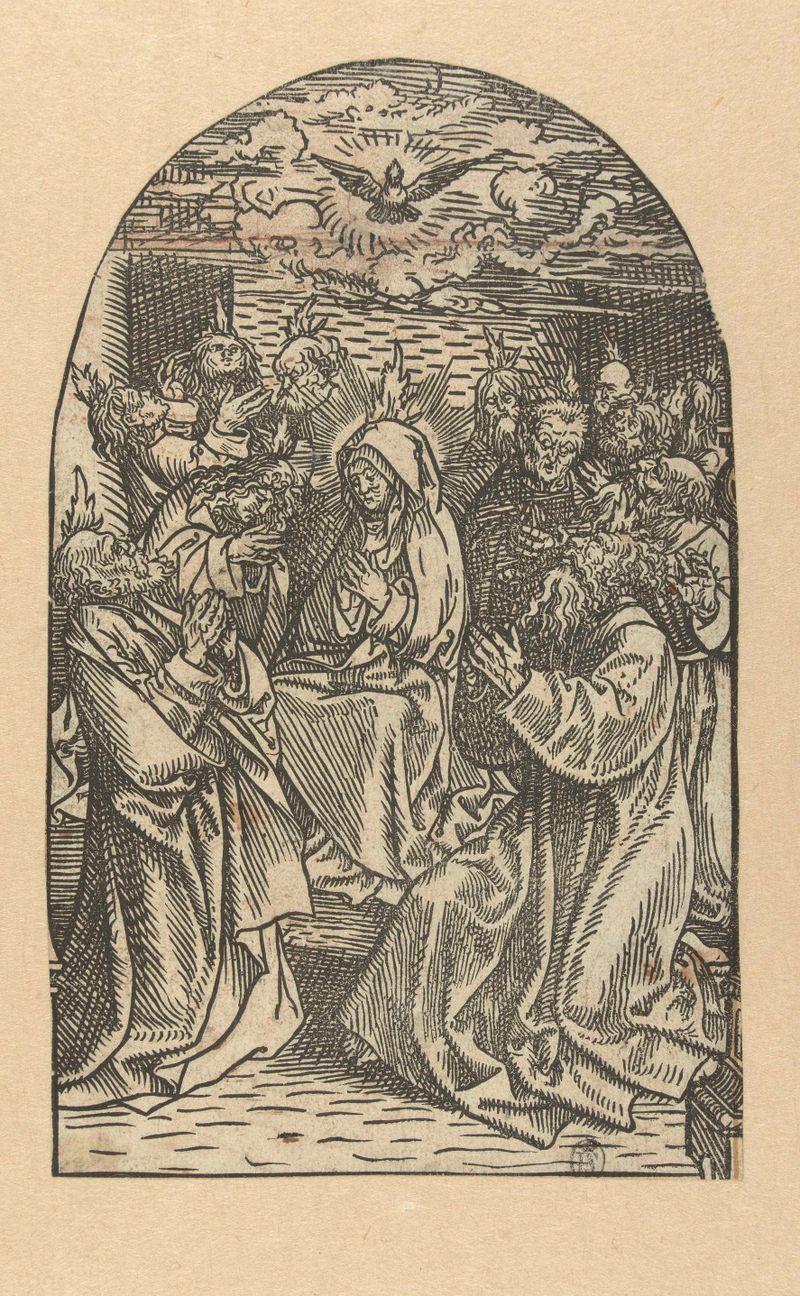
Uitstorting van de Heilige Geest
Jacob Cornelisz van Oostsanen
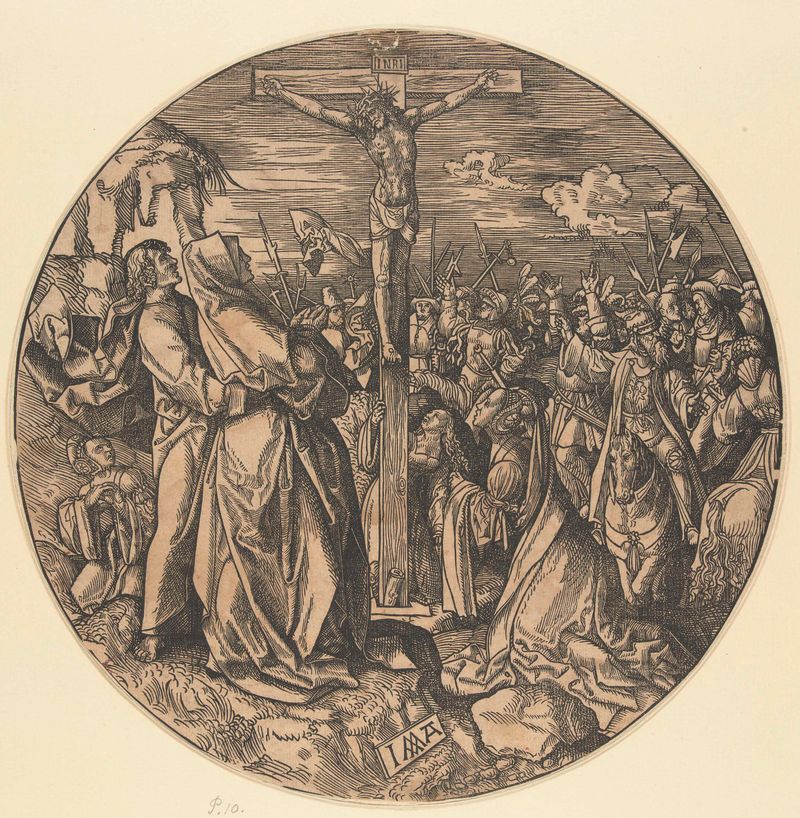
Christus aan het kruis
Jacob Cornelisz van Oostsanen

De kruisiging en de graflegging van Christus
Jacob Cornelisz van Oostsanen
More Religious Art
Browse all →
The Return of the Prodigal Son
Rembrandt van Rijn

The Garden of Earthly Delights
El Bosco

Count Orgaz’ funeral
El Greco

The Hundred Guilder Print: the central piece with Christ preaching, the plate arched
Rembrandt van Rijn

The Descent from the Cross
Rogier van der Weyden

The return of the prodigal son
Rembrandt van Rijn