
Christus verschijnt aan Maria — History & Facts
In a world where colors speak louder than words, how do we grasp the whispers of divine encounters? Focus on the central figure, an ethereal Christ appearing to Mary with a tender gaze, saturated in hues of soft golds and muted blues. Notice how the light envelops them, casting a warm glow that draws the eye to their serene expressions. The painter’s meticulous brushwork reveals layers of fabric, from the flowing elegance of Mary's garments to the gentle radiance of the divine presence.
Each stroke captures the interplay of shadow and light, creating a sacred space that invites contemplation. The contrast in color between Christ’s luminous figure and the cool tones of the surrounding atmosphere suggests a profound emotional tension between the earthly and the heavenly. The delicate positioning of Mary's hands, both in awe and reverence, conveys a moment of transformation—she stands at the threshold of belief and doubt. Additionally, small details, like the intricate patterns of the textile behind her, enrich the narrative, grounding the scene in a tangible reality even as the spiritual unfolds. Created in 1507, this work by Jacob Cornelisz van Oostsanen was born during a time of religious transformation in the Netherlands, where artists were beginning to explore more intimate depictions of biblical narratives.
As the Renaissance spread, a new artistic language emerged, blending devotion with personal expression. The artist’s own life was marked by the evolution of religious thought, reflected in his commitment to infusing emotion and humanity into sacred subjects.
More Artworks by Jacob Cornelisz van Oostsanen
Browse all →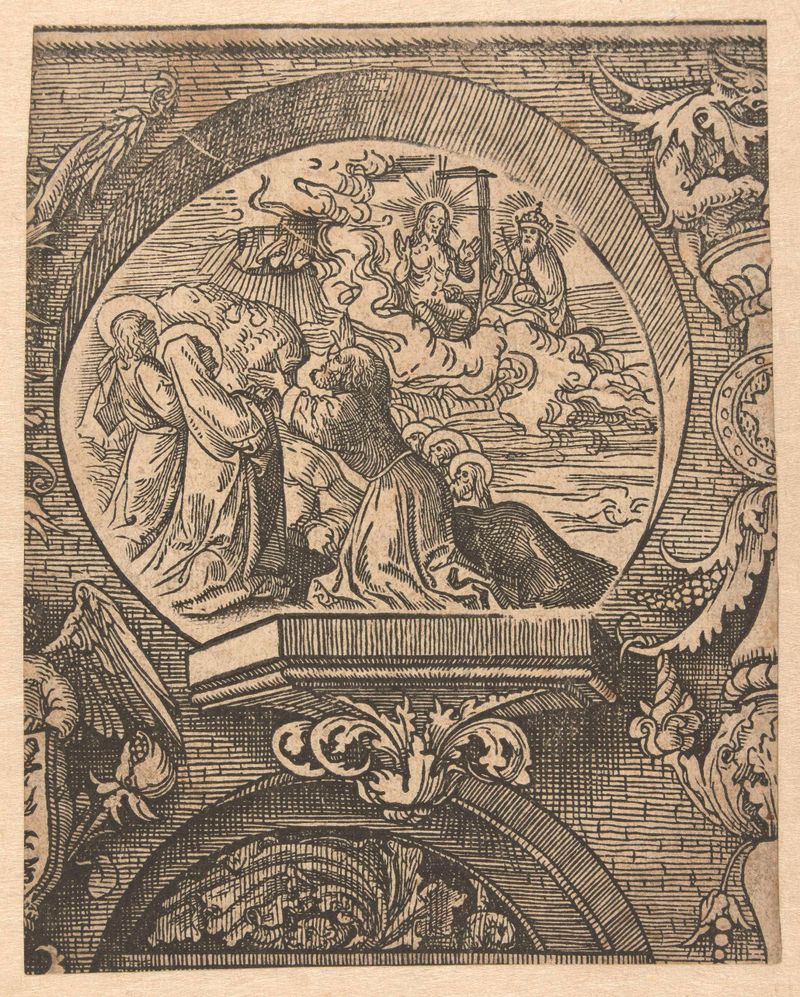
De hemelvaart en Christus voor God de Vader
Jacob Cornelisz van Oostsanen
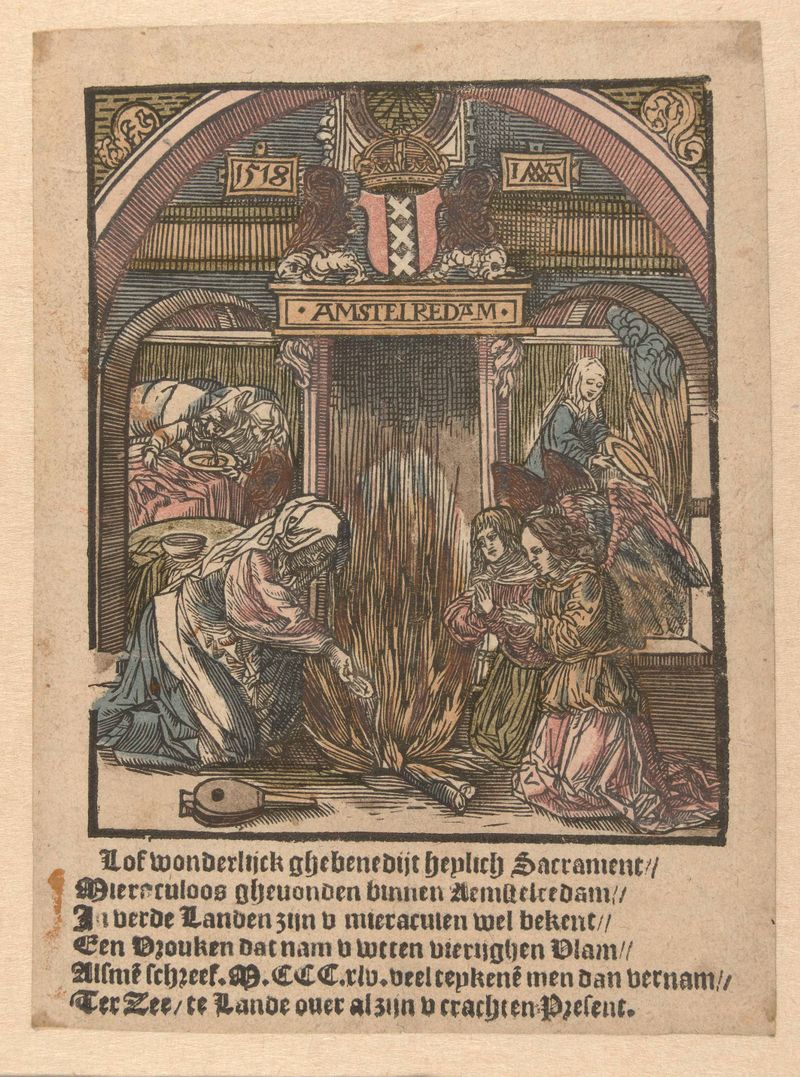
Het hostiewonder van Amsterdam
Jacob Cornelisz van Oostsanen
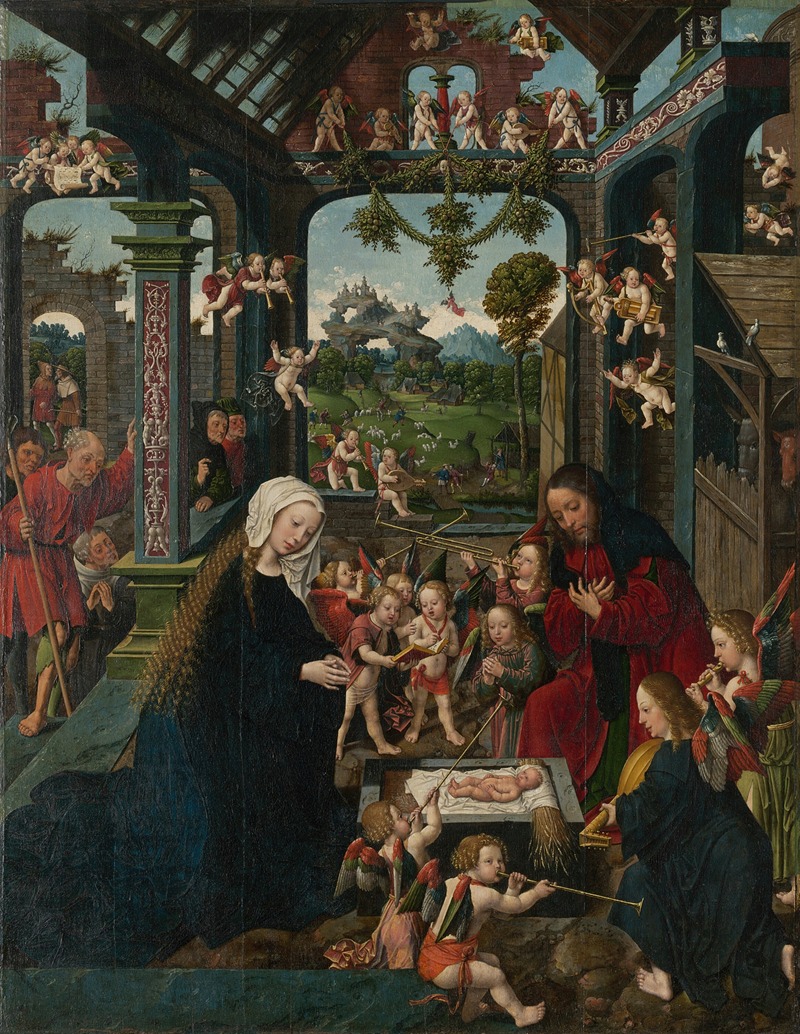
The Adoration of the Christ Child
Jacob Cornelisz van Oostsanen
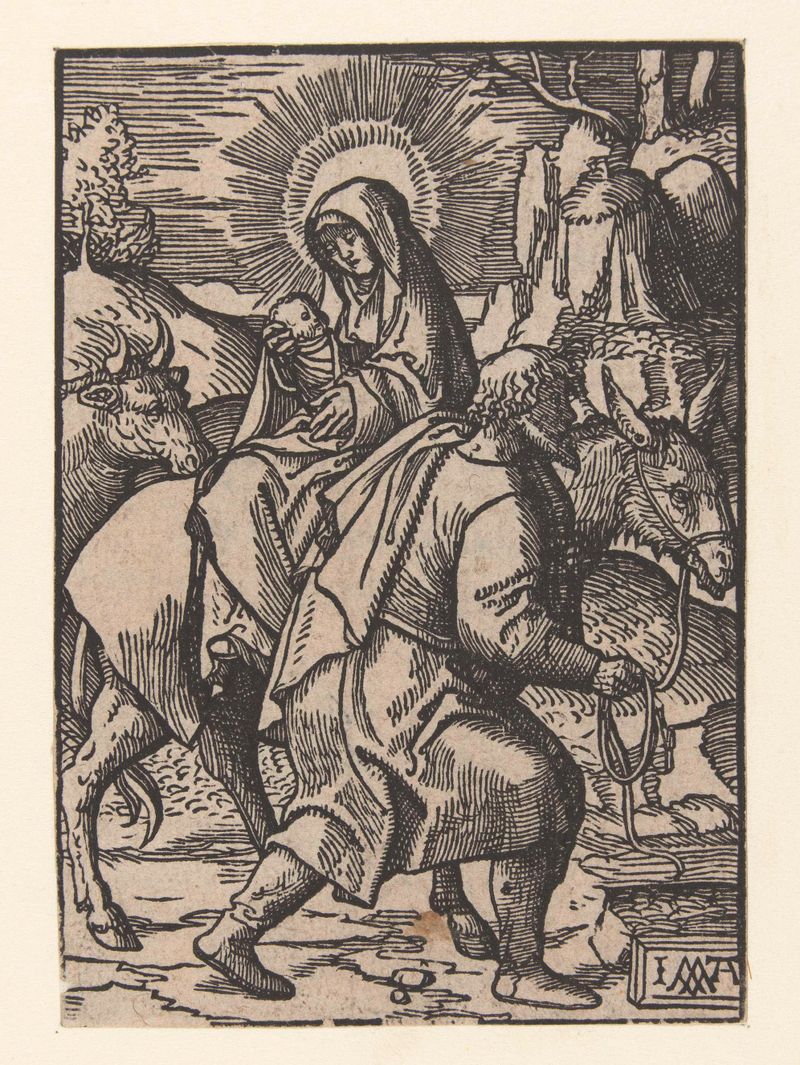
Vlucht naar Egypte
Jacob Cornelisz van Oostsanen
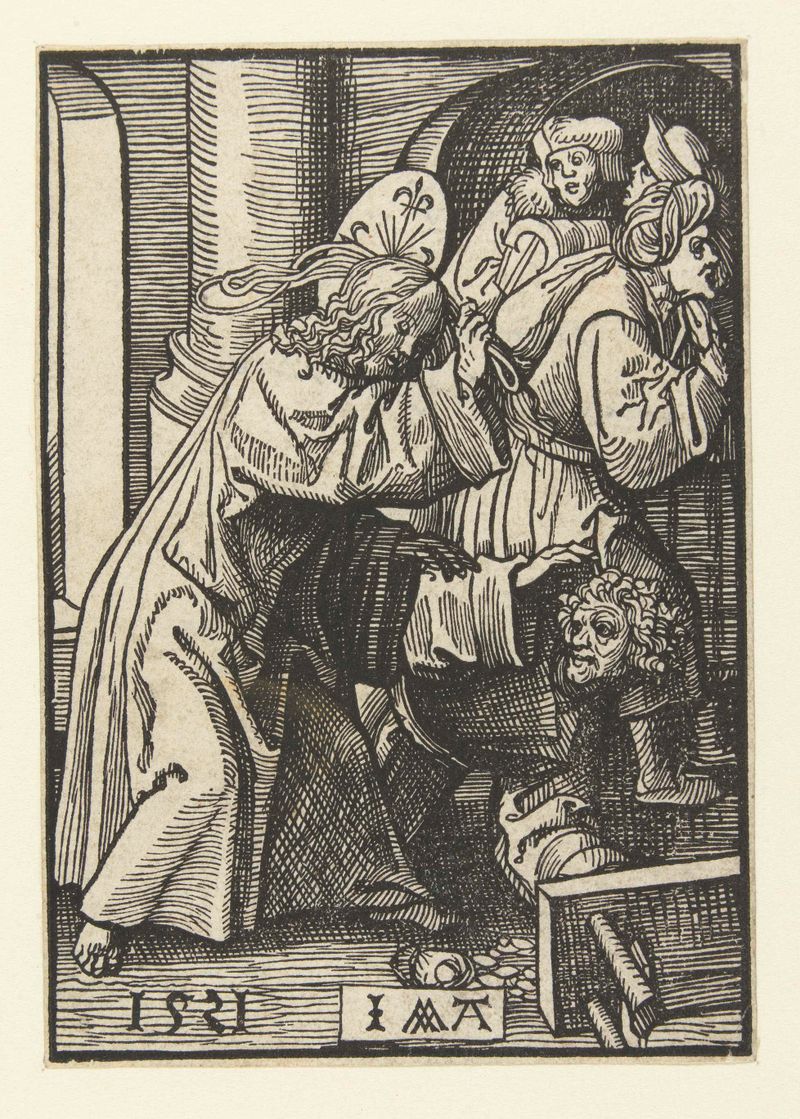
Verdrijving van de handelaren uit de tempel
Jacob Cornelisz van Oostsanen
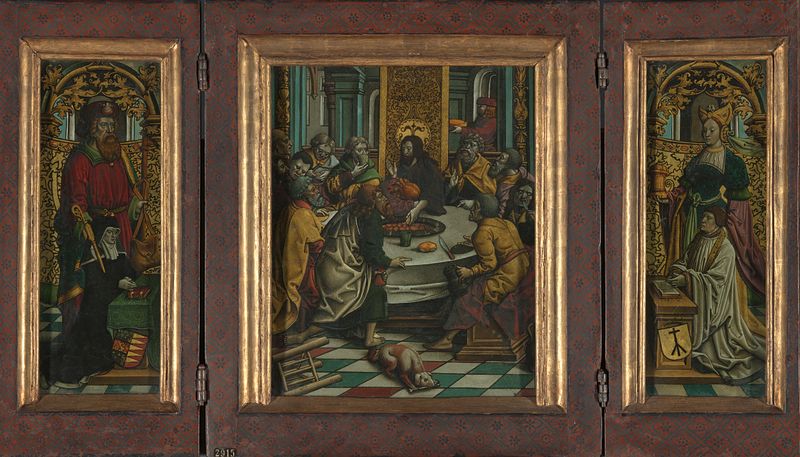
Triptych with the Last Supper and Donors
Jacob Cornelisz van Oostsanen
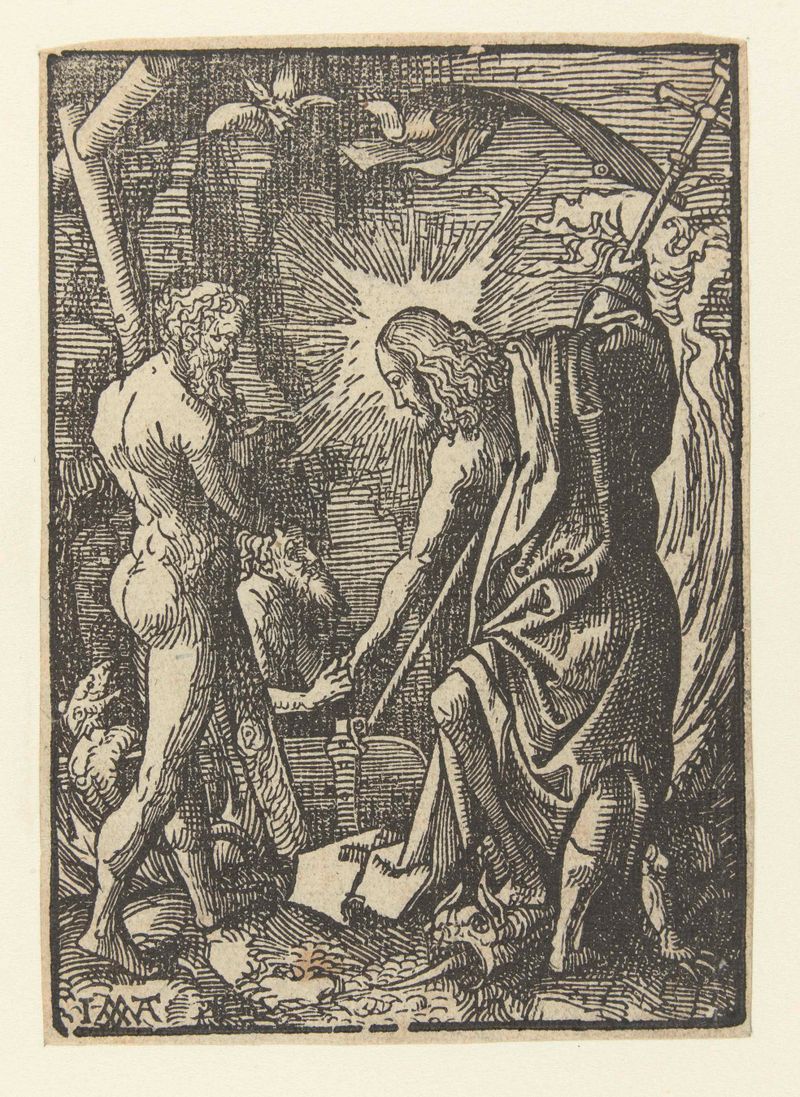
Christus in het voorgeborchte
Jacob Cornelisz van Oostsanen
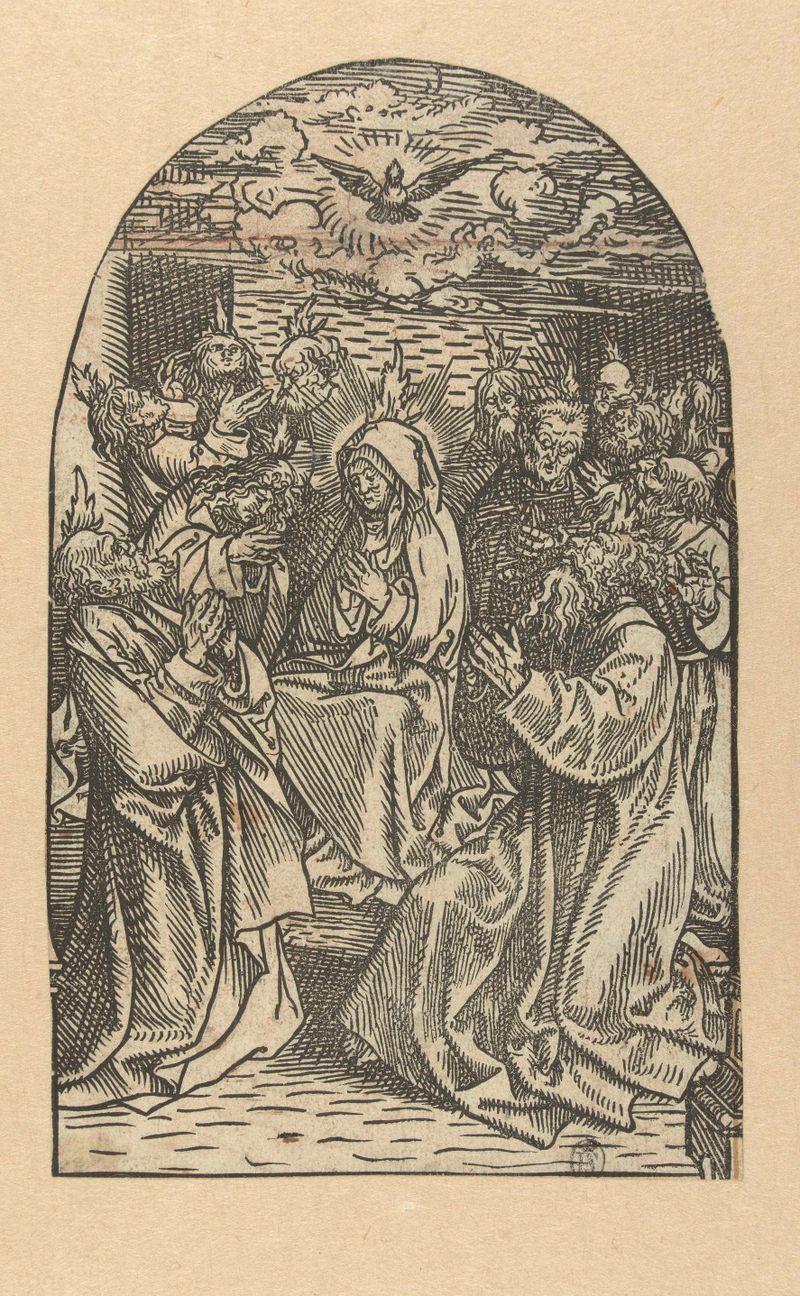
Uitstorting van de Heilige Geest
Jacob Cornelisz van Oostsanen
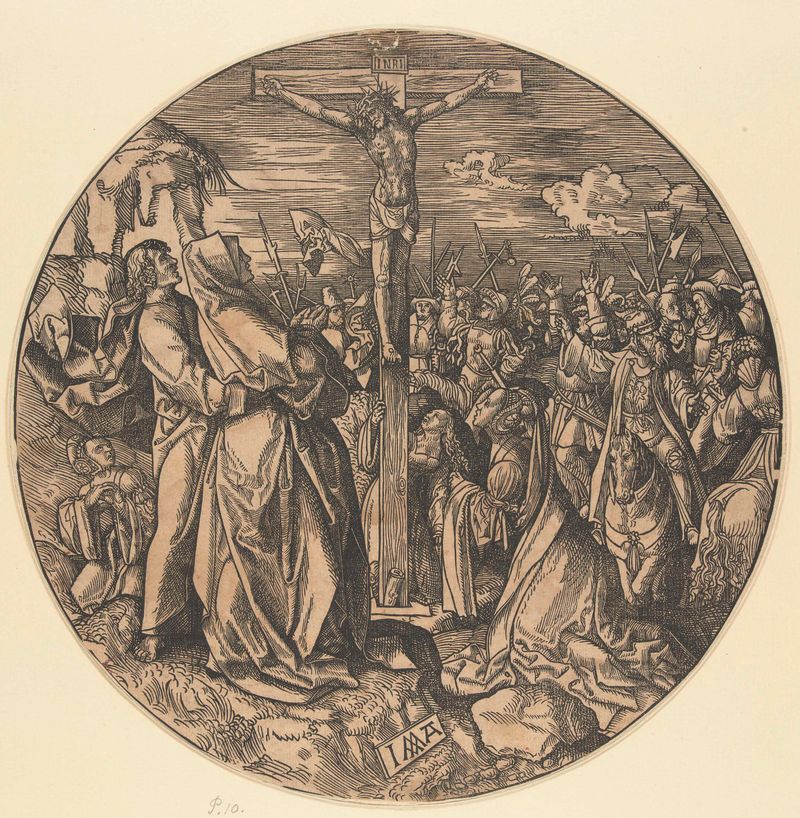
Christus aan het kruis
Jacob Cornelisz van Oostsanen

De kruisiging en de graflegging van Christus
Jacob Cornelisz van Oostsanen
More Religious Art
Browse all →
The Return of the Prodigal Son
Rembrandt van Rijn

The Garden of Earthly Delights
El Bosco

Count Orgaz’ funeral
El Greco

The Hundred Guilder Print: the central piece with Christ preaching, the plate arched
Rembrandt van Rijn

The Descent from the Cross
Rogier van der Weyden

The return of the prodigal son
Rembrandt van Rijn