
Christus weggeleid van Herodes — History & Facts
Did the painter know this moment would outlive them? In Christus weggeleid van Herodes, the act of transformation unfolds between the divine and the earthly, echoing through time and evoking contemplation. Look to the center of the composition, where a haunting presence of Christ is depicted, tethered in the gaze of both the viewer and the onlookers surrounding him. Notice the stark contrast between the deep, somber hues of the figures and the ethereal light that bathes Christ, illuminating his serene expression. The intricate detailing of the drapery and the varied gestures of the crowd serve to both frame and distance him, highlighting the separation between their worldly concerns and his divine purpose. Delve deeper into the nuances of the scene — the expressions etched on the faces of the figures, a subtle array of emotions, from indifference to contempt, hints at the societal divide.
The arresting gaze of Christ holds a quiet strength, embodying the transformative power of sacrifice amid the chaos of judgment. The contrast between the harshness of his fate and the tranquility of his demeanor invites profound reflection on suffering and redemption. In 1521, Jacob Cornelisz van Oostsanen created this work in the heart of the Northern Renaissance, a time of great religious upheaval and artistic exploration. As the Reformation gained momentum, artists like him navigated the complex interplay of faith and representation, seeking to capture the essence of spiritual narratives within their increasingly humanized contexts.
This painting reflects not only a pivotal moment in Christ's path but also the transformative spirit of an era ripe with change.
More Artworks by Jacob Cornelisz van Oostsanen
Browse all →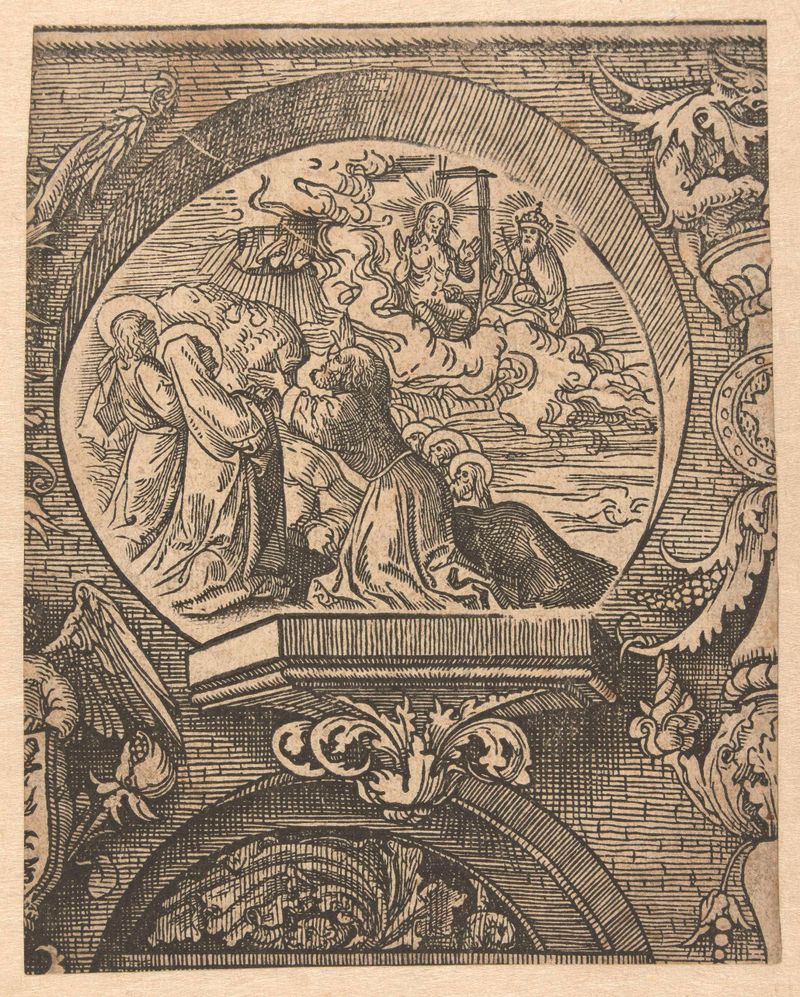
De hemelvaart en Christus voor God de Vader
Jacob Cornelisz van Oostsanen
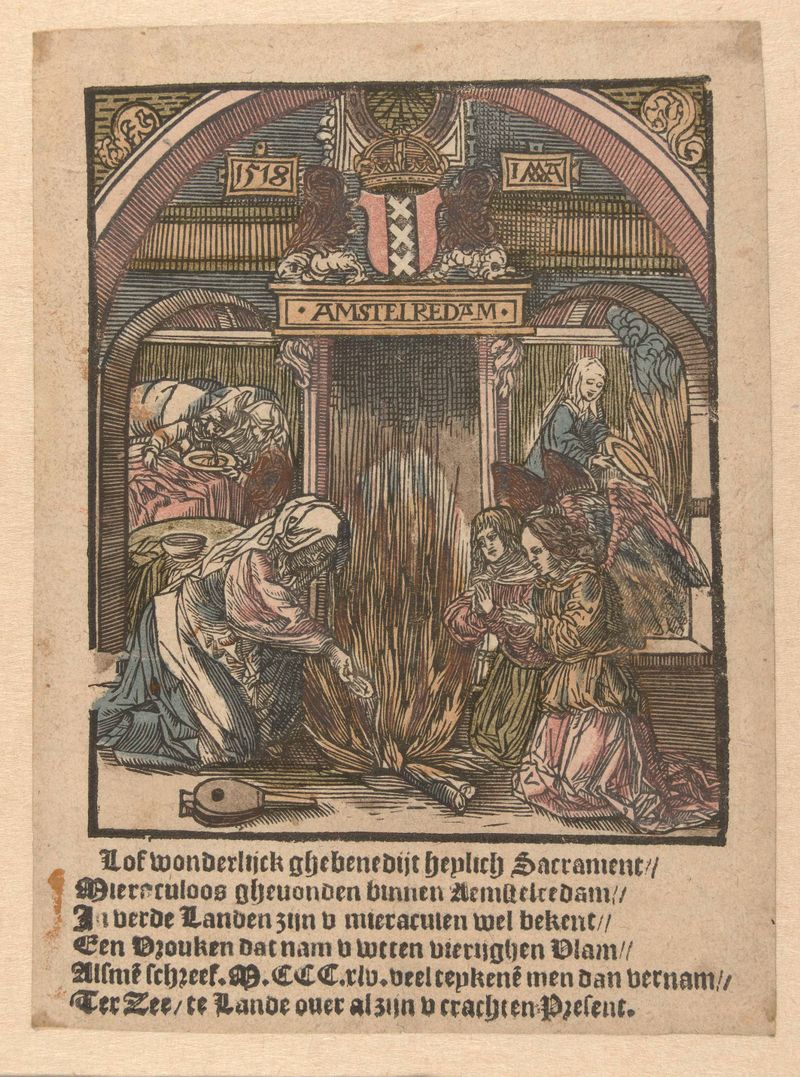
Het hostiewonder van Amsterdam
Jacob Cornelisz van Oostsanen
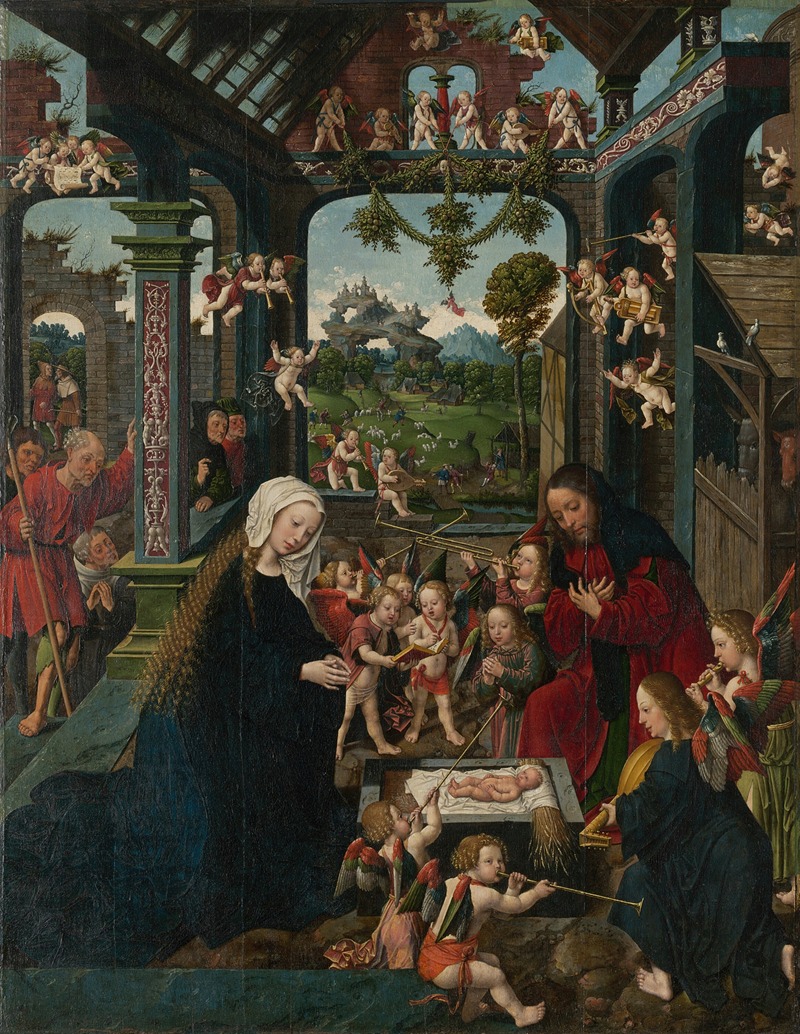
The Adoration of the Christ Child
Jacob Cornelisz van Oostsanen
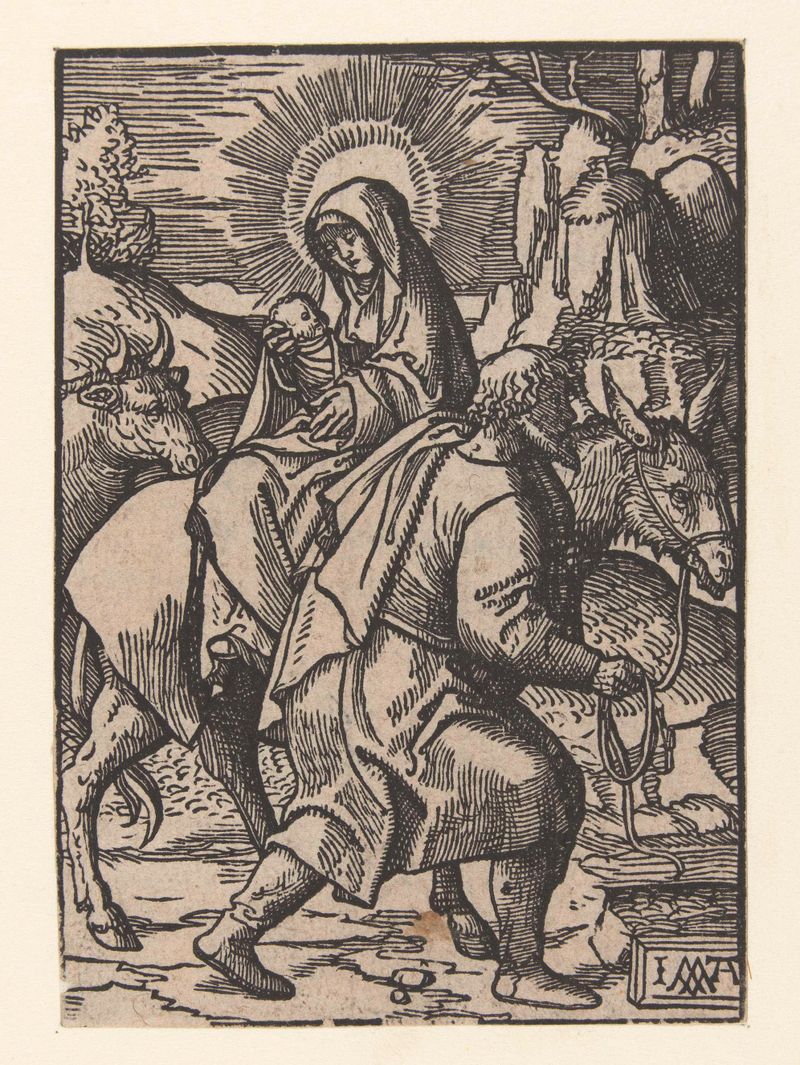
Vlucht naar Egypte
Jacob Cornelisz van Oostsanen
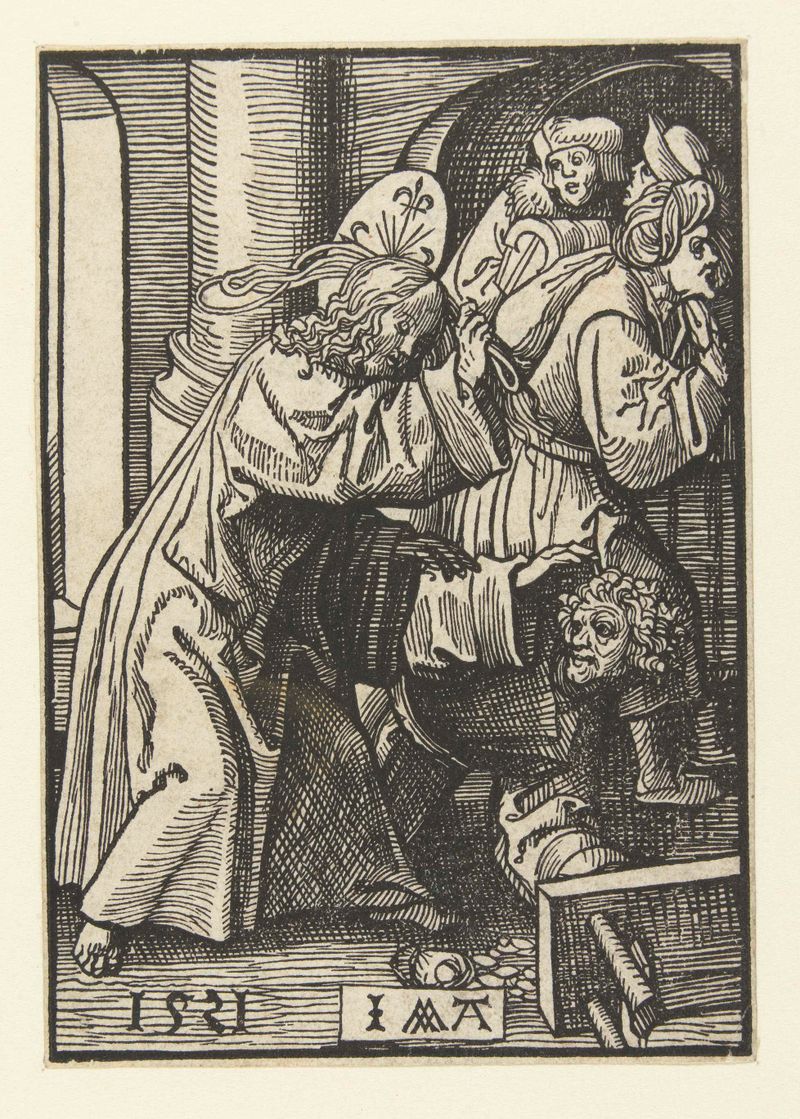
Verdrijving van de handelaren uit de tempel
Jacob Cornelisz van Oostsanen
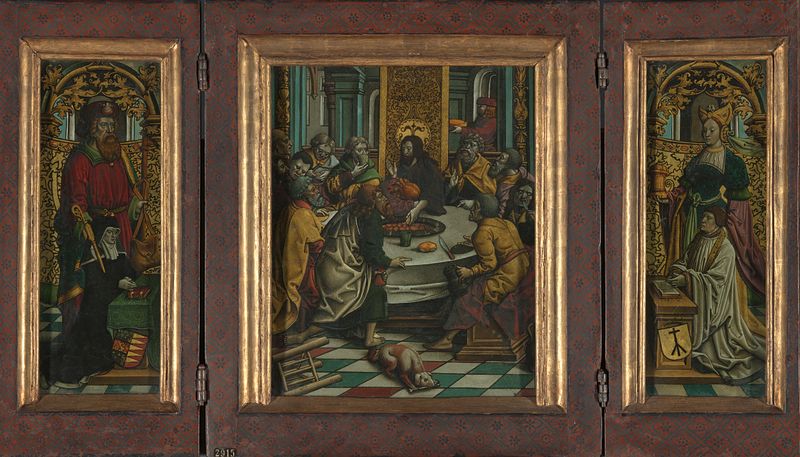
Triptych with the Last Supper and Donors
Jacob Cornelisz van Oostsanen
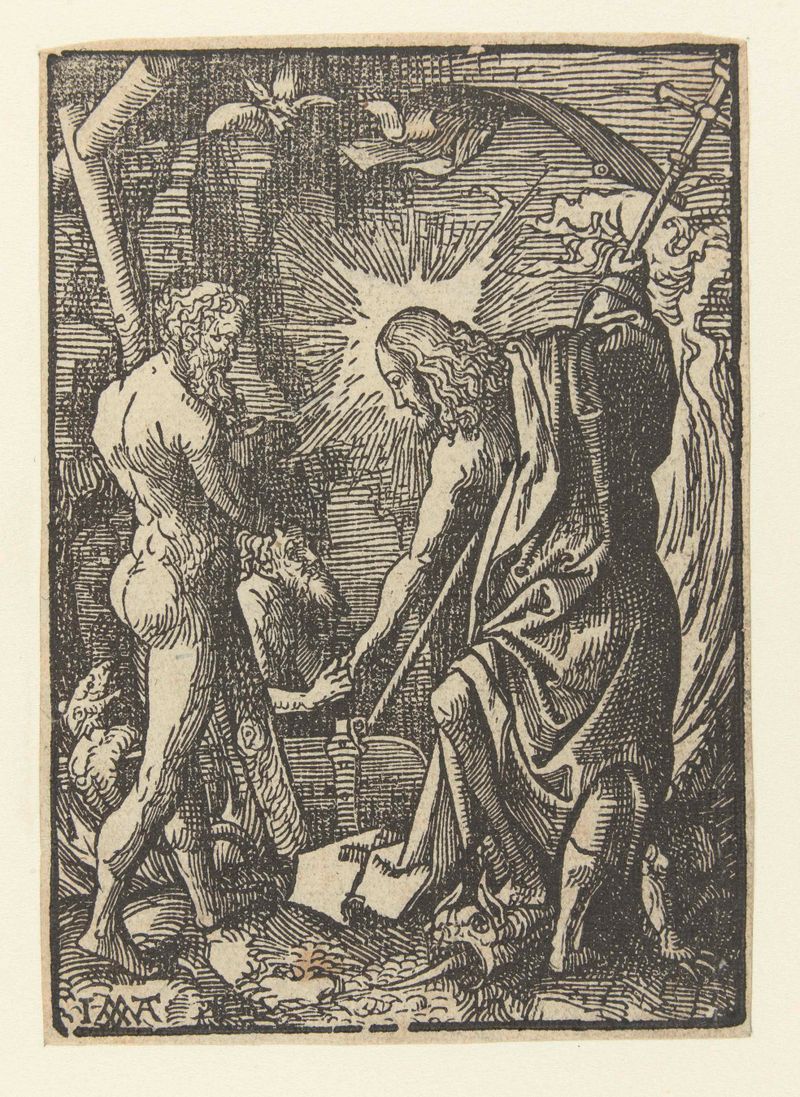
Christus in het voorgeborchte
Jacob Cornelisz van Oostsanen
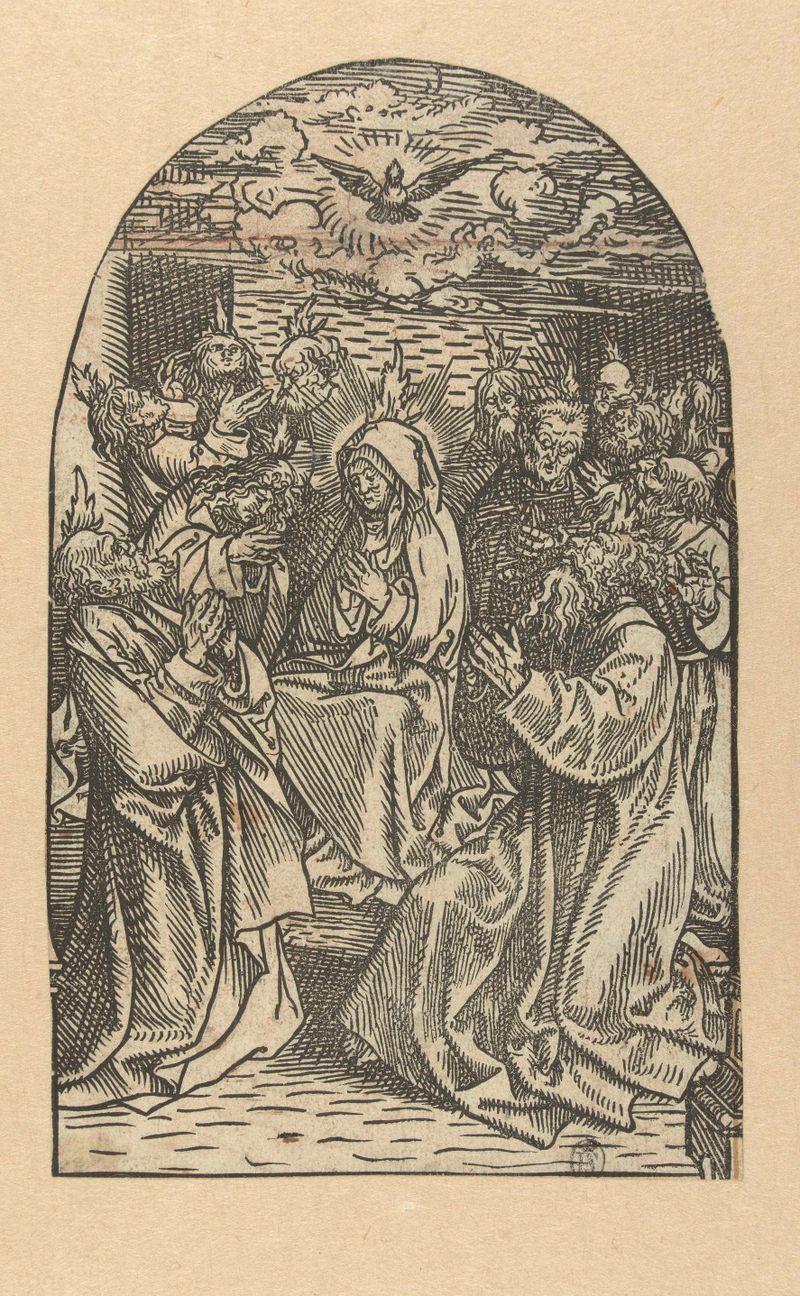
Uitstorting van de Heilige Geest
Jacob Cornelisz van Oostsanen
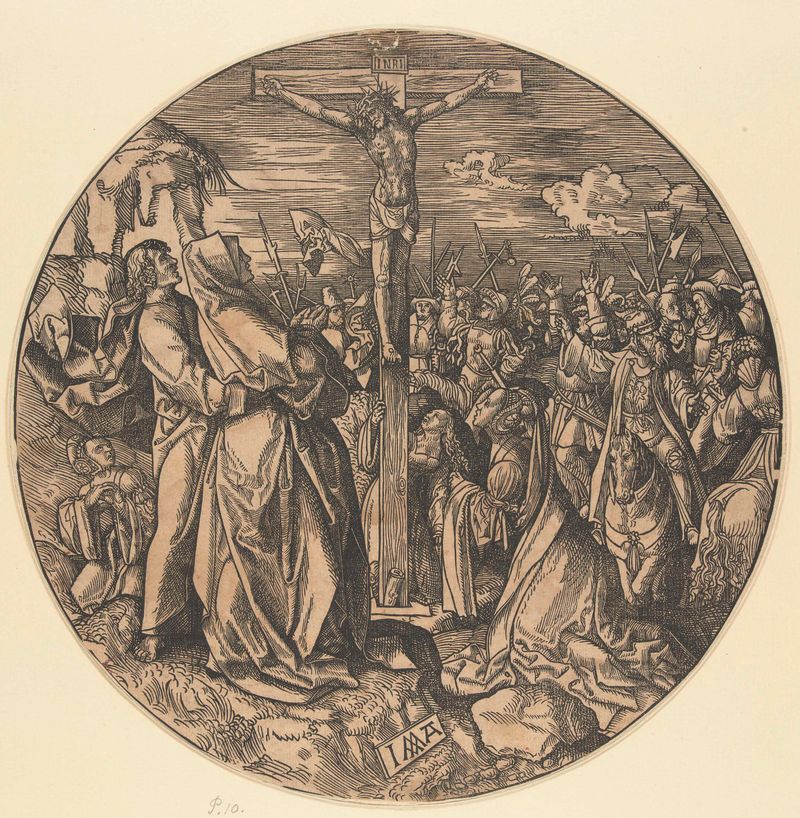
Christus aan het kruis
Jacob Cornelisz van Oostsanen

De kruisiging en de graflegging van Christus
Jacob Cornelisz van Oostsanen
More Religious Art
Browse all →
The Return of the Prodigal Son
Rembrandt van Rijn

The Garden of Earthly Delights
El Bosco

Count Orgaz’ funeral
El Greco

The Hundred Guilder Print: the central piece with Christ preaching, the plate arched
Rembrandt van Rijn

The Descent from the Cross
Rogier van der Weyden

The return of the prodigal son
Rembrandt van Rijn