
Christus wekt de slapende discipelen — History & Facts
Who listens when art speaks of silence? The moment captured breathes a profound stillness, inviting contemplation on the divine and the human condition intertwined. Look closely at the figures clustered around the central scene; the sleeping disciples form a striking contrast against the vibrant, glowing presence of Christ. The rich, muted colors of their garments draw the eye first, leading us to the serene face of the Savior. His raised hand, a gesture filled with tenderness and authority, illuminates the surrounding darkness, creating a stark interplay of light and shadow that underscores the gravity of this moment. Delve deeper into the expressions of those slumbering; they reflect weariness yet a yearning for enlightenment.
The way their hands and heads are positioned suggests vulnerability, a stark reminder of human frailty in the face of divine calling. Christ’s luminous presence is not just a beacon of hope but also a poignant challenge to wakefulness—a theme of vigilance that resonates through the ages. Painted in the early 1520s, this work emerged during a time of profound change in both the artist's life and the broader landscape of European art. Van Oostsanen found himself in Haarlem, where Renaissance ideas began to clash with traditional narratives.
This period saw a burgeoning interest in individualism, spirituality, and the human experience, as artists sought to portray not just events but the emotional essence behind them.
More Artworks by Jacob Cornelisz van Oostsanen
Browse all →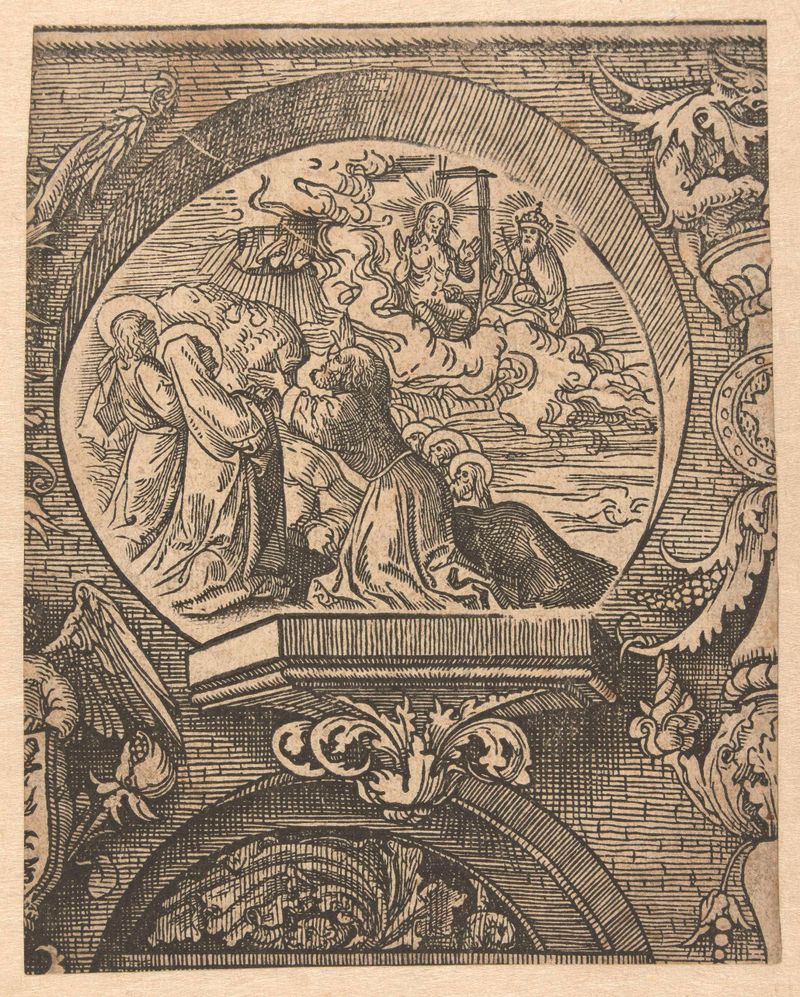
De hemelvaart en Christus voor God de Vader
Jacob Cornelisz van Oostsanen
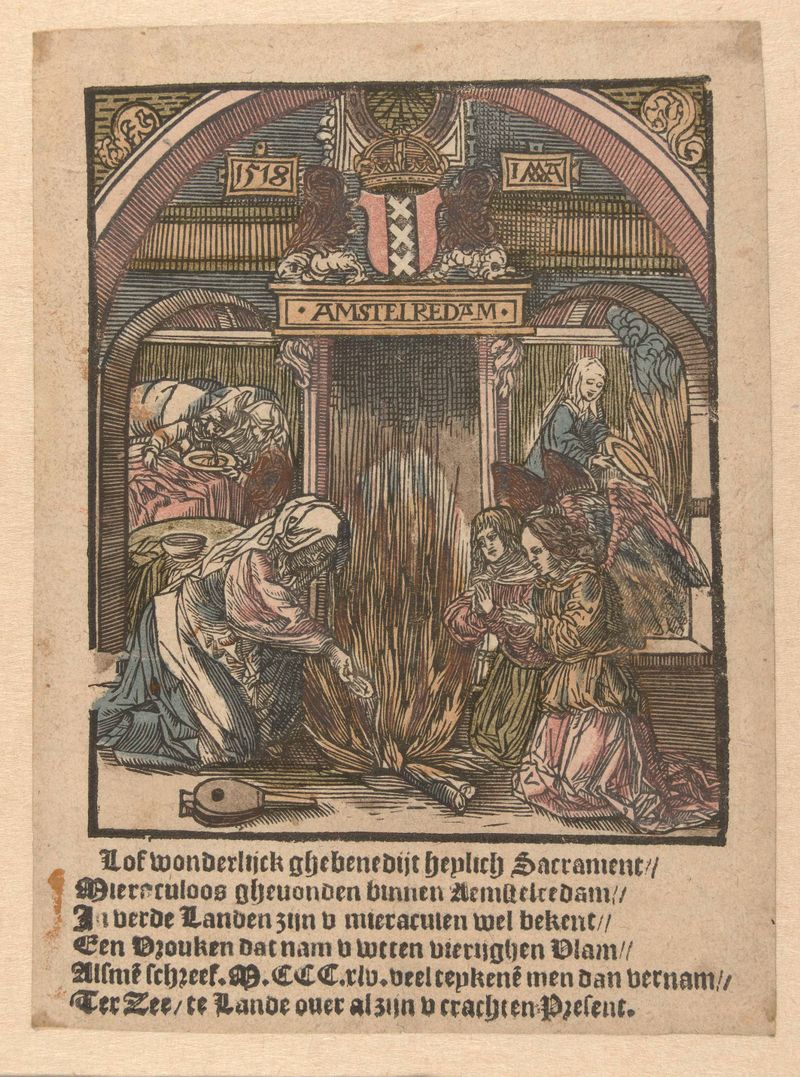
Het hostiewonder van Amsterdam
Jacob Cornelisz van Oostsanen
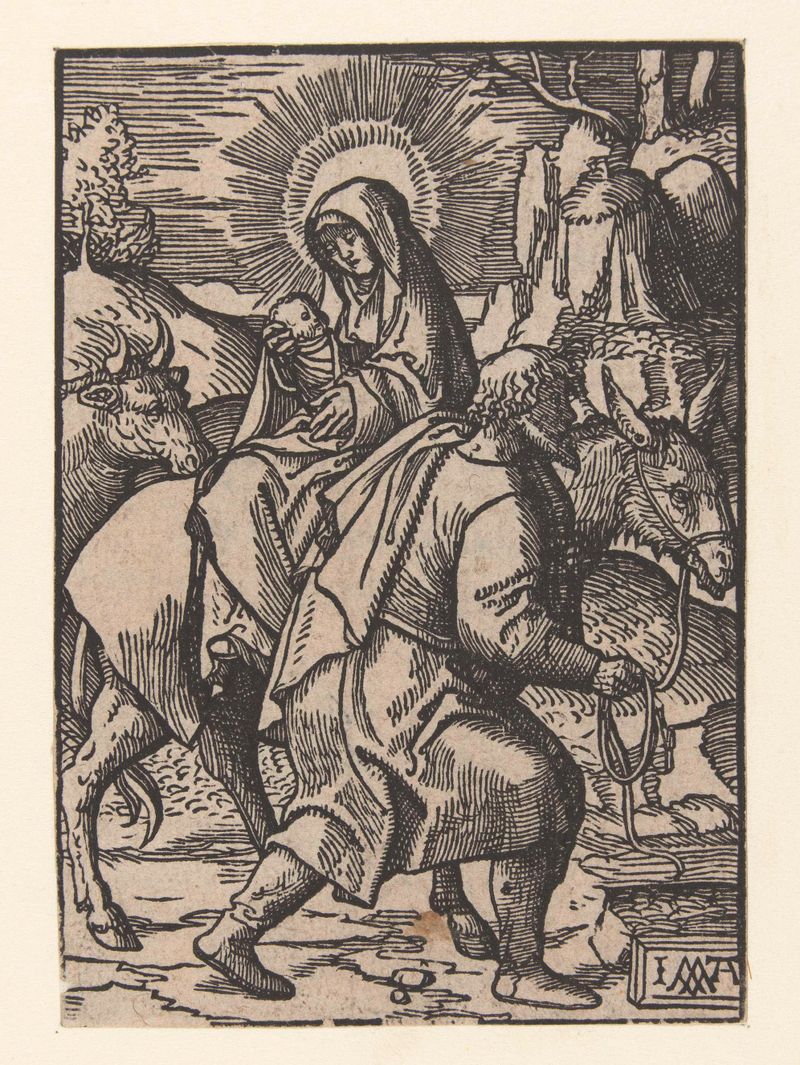
Vlucht naar Egypte
Jacob Cornelisz van Oostsanen
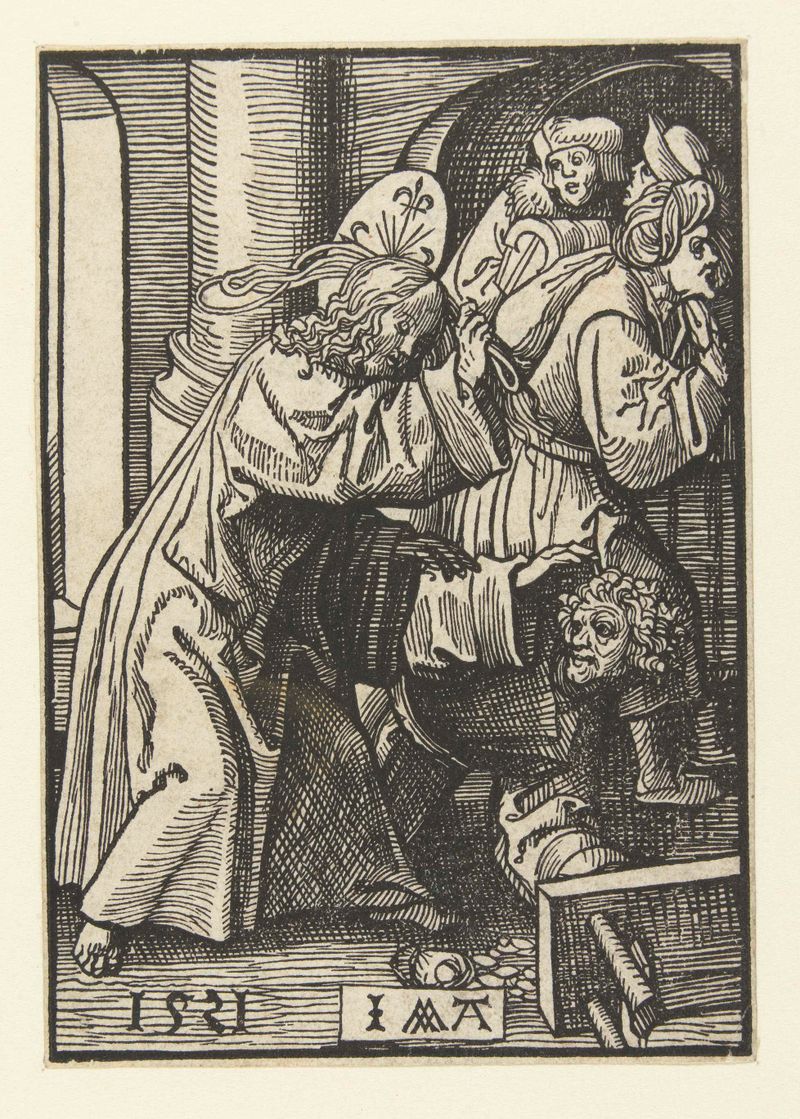
Verdrijving van de handelaren uit de tempel
Jacob Cornelisz van Oostsanen
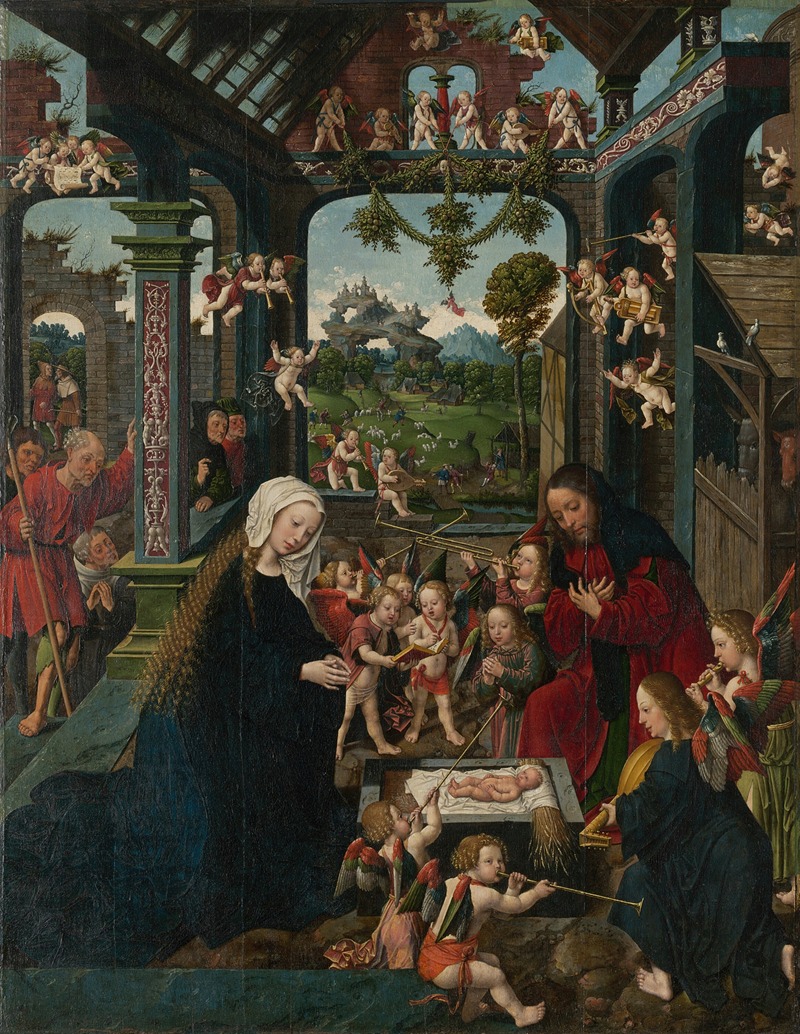
The Adoration of the Christ Child
Jacob Cornelisz van Oostsanen
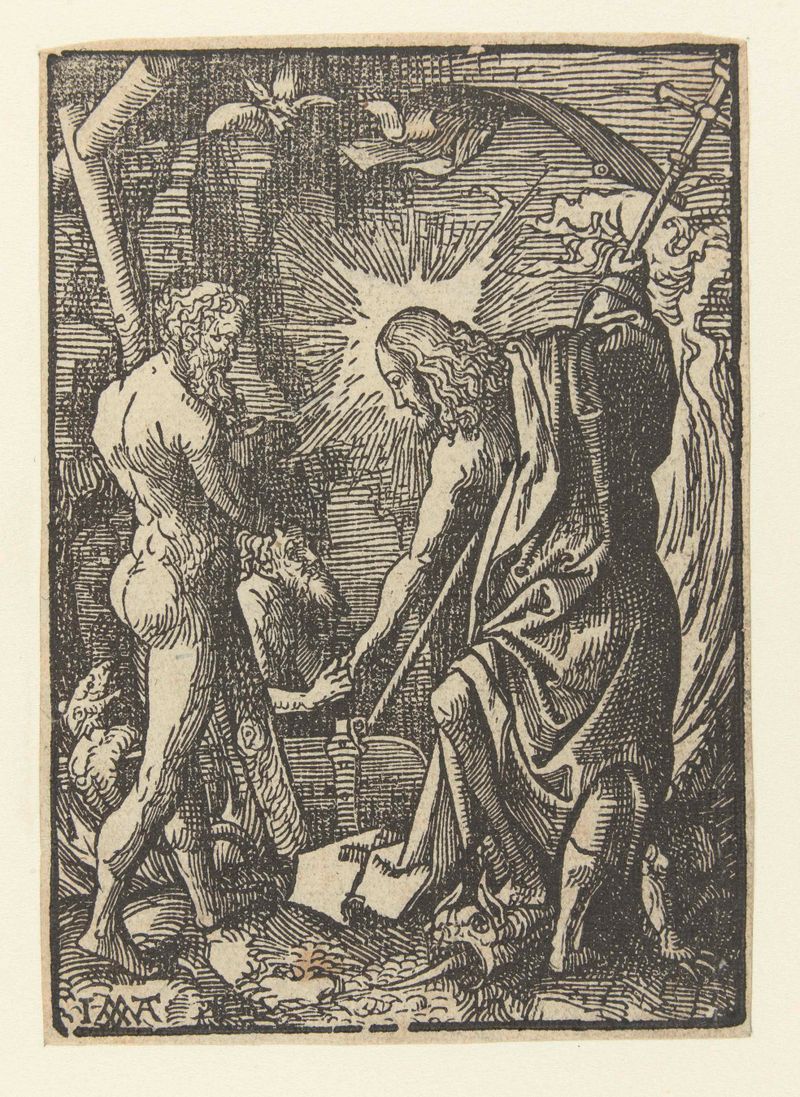
Christus in het voorgeborchte
Jacob Cornelisz van Oostsanen
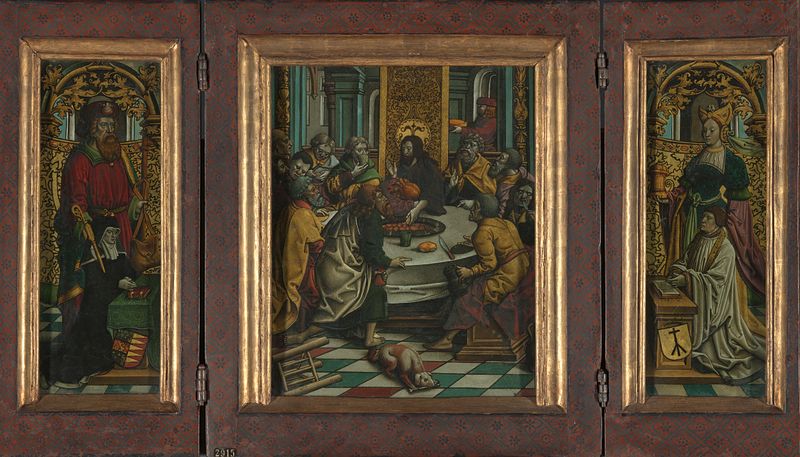
Triptych with the Last Supper and Donors
Jacob Cornelisz van Oostsanen
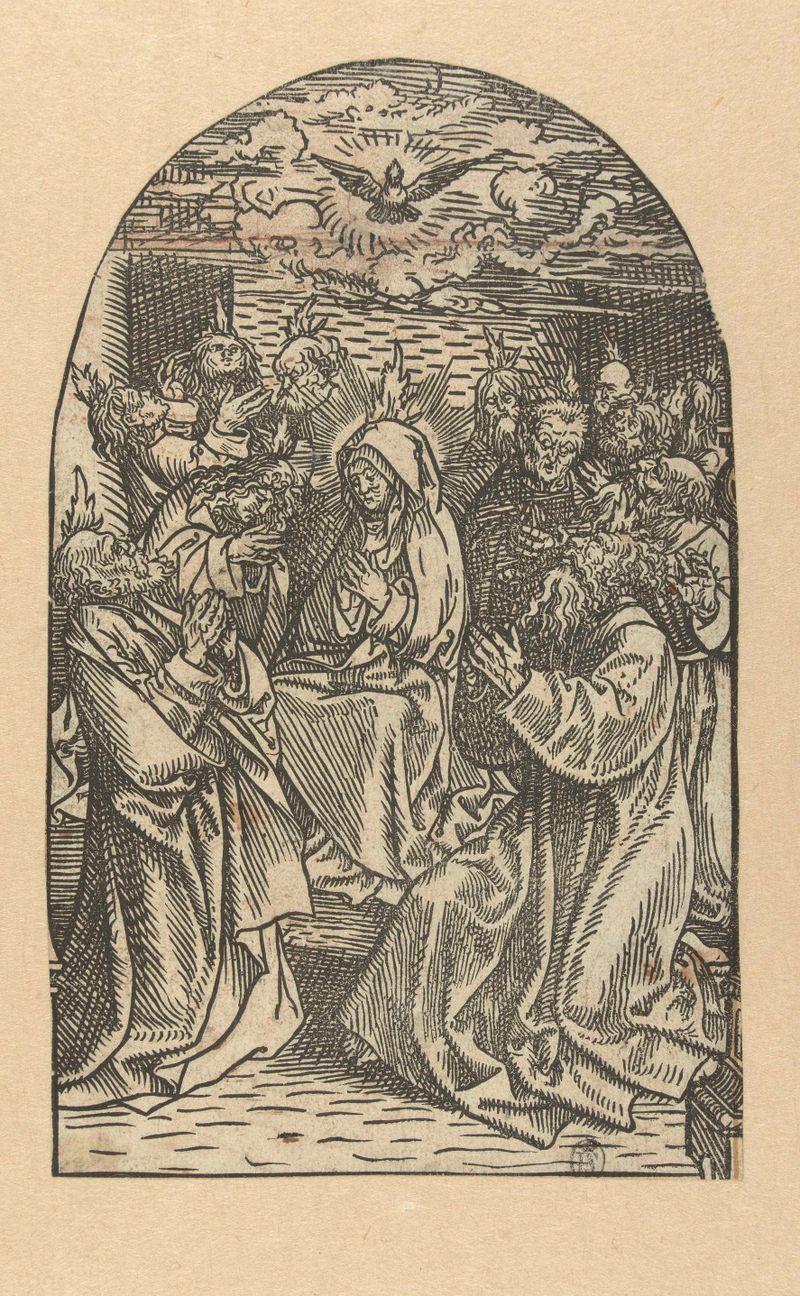
Uitstorting van de Heilige Geest
Jacob Cornelisz van Oostsanen
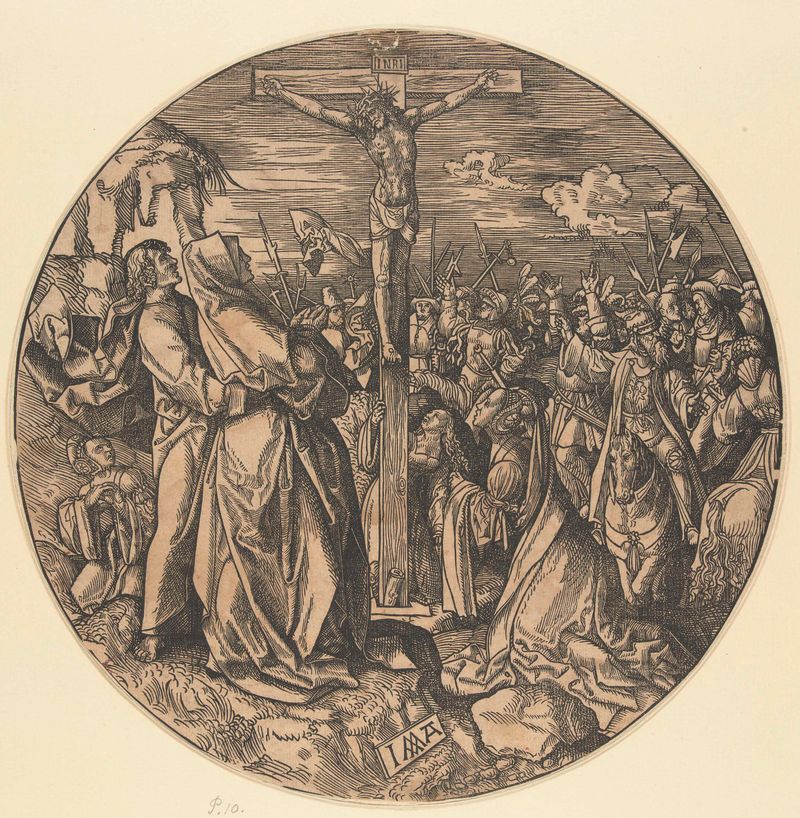
Christus aan het kruis
Jacob Cornelisz van Oostsanen
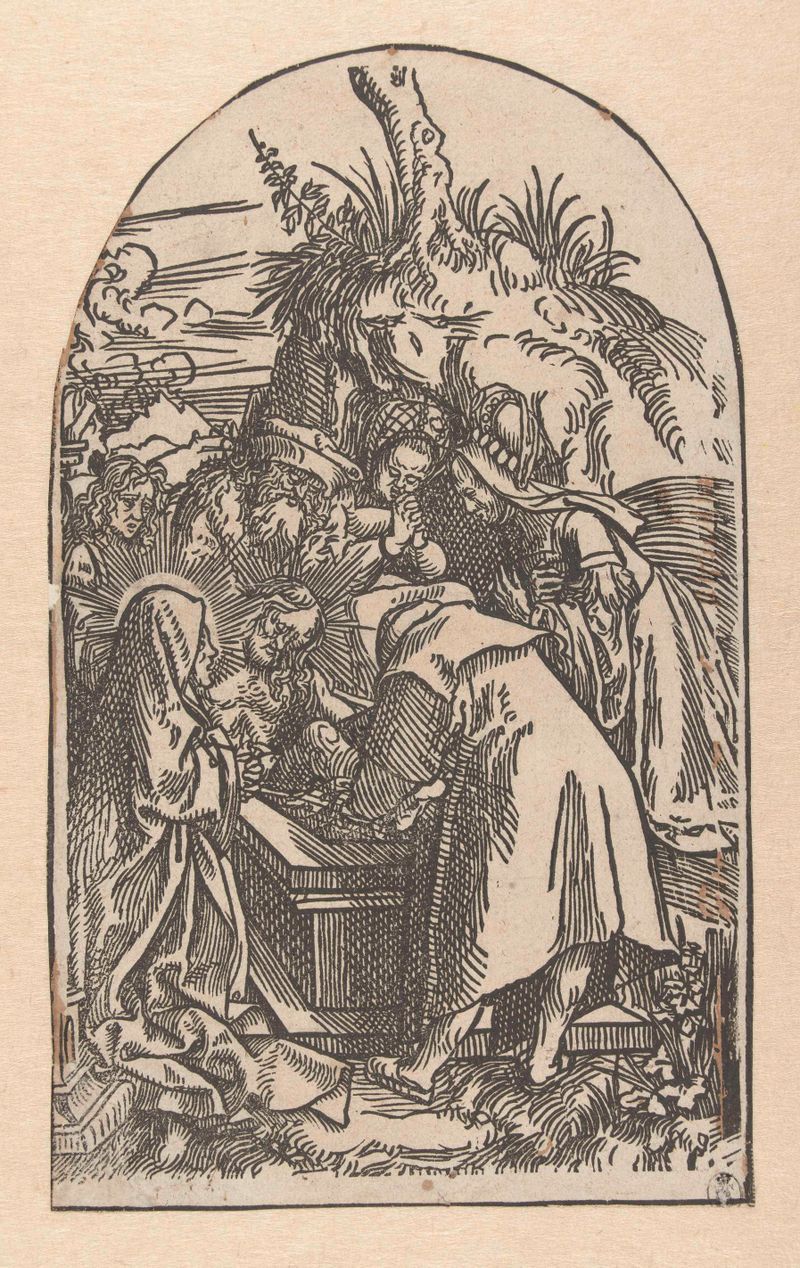
Graflegging
Jacob Cornelisz van Oostsanen
More Religious Art
Browse all →
The Return of the Prodigal Son
Rembrandt van Rijn

The Garden of Earthly Delights
El Bosco

Count Orgaz’ funeral
El Greco

The Hundred Guilder Print: the central piece with Christ preaching, the plate arched
Rembrandt van Rijn

The Descent from the Cross
Rogier van der Weyden

The return of the prodigal son
Rembrandt van Rijn