
Church in Kysak — History & Facts
Can paint confess what words never could? In the aftermath of revolution, when silence often speaks louder than sound, Church in Kysak captures a moment where stillness holds the weight of history. Look to the foreground, where the church’s façade stands resolute against a backdrop of tumultuous skies. The artist employs a palette of muted grays and blues, evoking a sense of somber reflection. Notice how the light struggles to break through the clouds, casting delicate shadows that dance along the stonework, revealing the architectural details with a tenderness that contrasts the chaos beyond.
This composition draws the eye upward, urging the viewer to ponder the sacred amidst uncertainty. Beneath the surface, the church symbolizes a steadfastness in faith against the tide of change. The juxtaposition of the solid structure against the swirling, turbulent sky speaks to the conflict between tradition and modernity. Every brushstroke encapsulates a duality: the sanctuary of the church offering solace, while the encroaching storm suggests unrest and transformation.
In essence, it becomes a testament to resilience, inviting contemplation on the intersection of faith and the societal upheaval surrounding it. In 1923, Ľudovít Čordák painted Church in Kysak during a period of significant change in Czechoslovakia, marked by the aftermath of World War I and the establishment of a new republic. This era influenced many artists to rethink their roles, as the cultural landscape evolved dramatically. Rooted in a quest for identity, the artist’s work reflects not only personal interpretation but also a collective yearning for stability amid a shifting world.
More Artworks by Ľudovít Čordák
Browse all →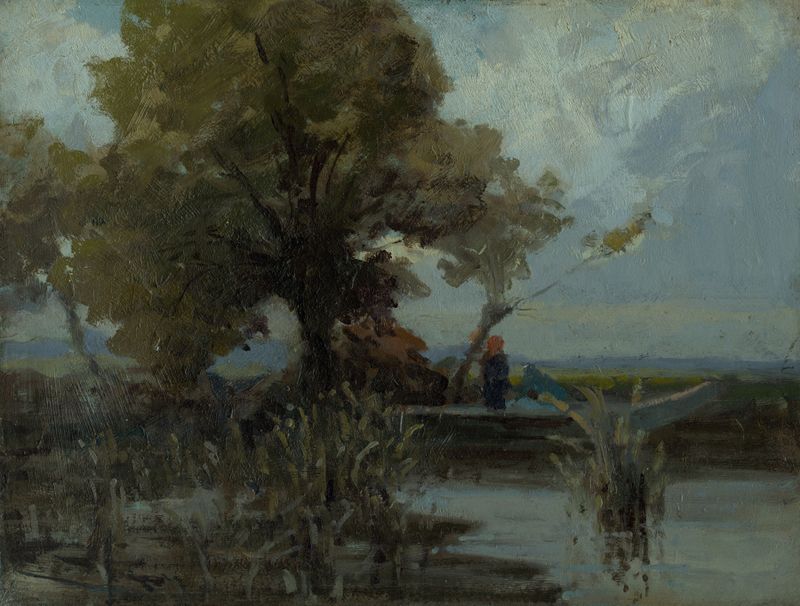
Košatý strom pri jazere
Ľudovít Čordák
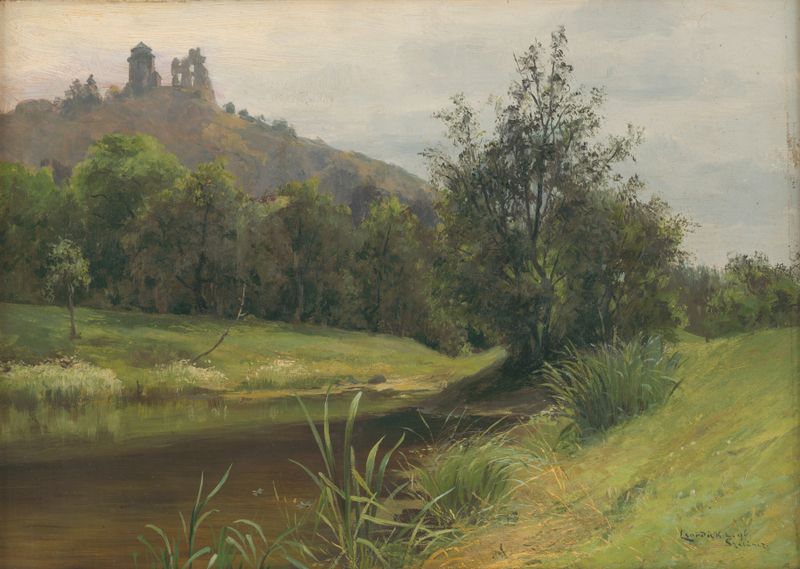
Močarina pod Slaneckým hradom
Ľudovít Čordák
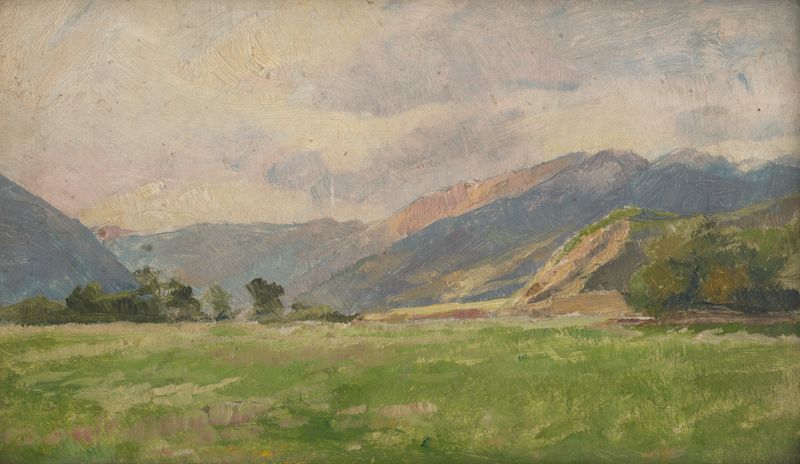
Mountain Meadow
Ľudovít Čordák
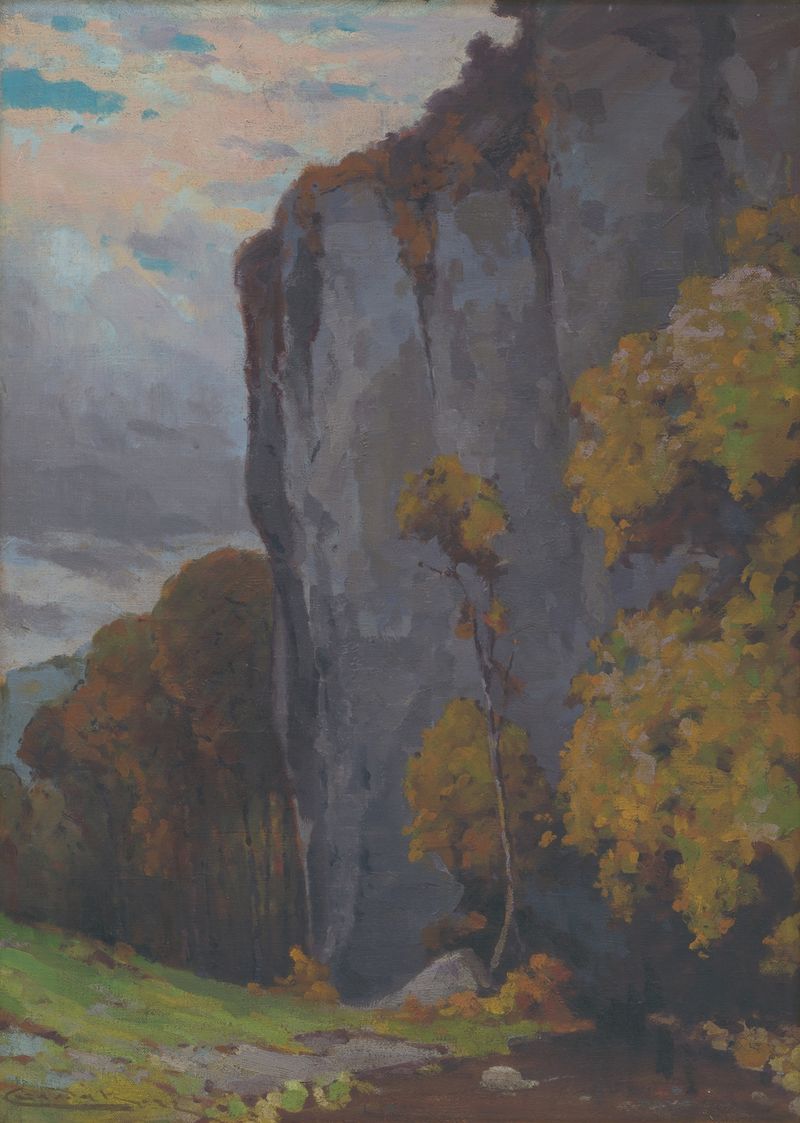
Zádiel
Ľudovít Čordák
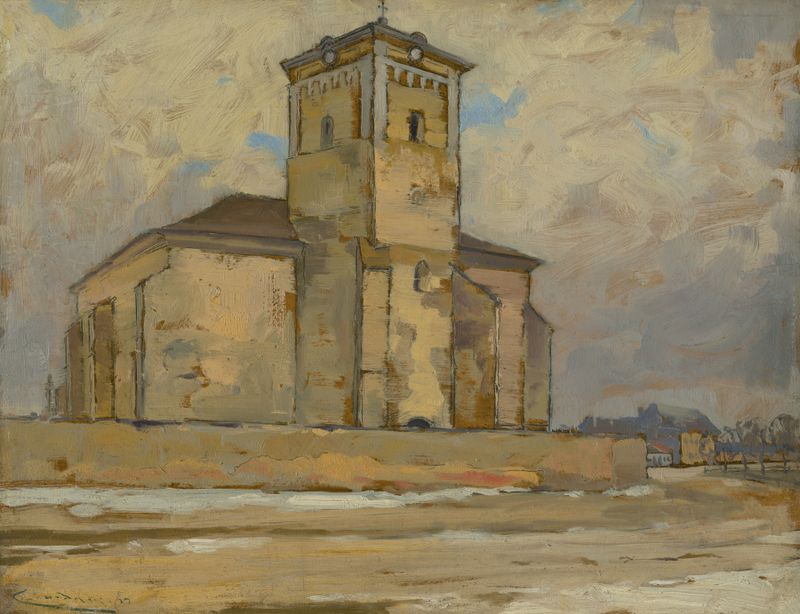
Church in Moldova
Ľudovít Čordák
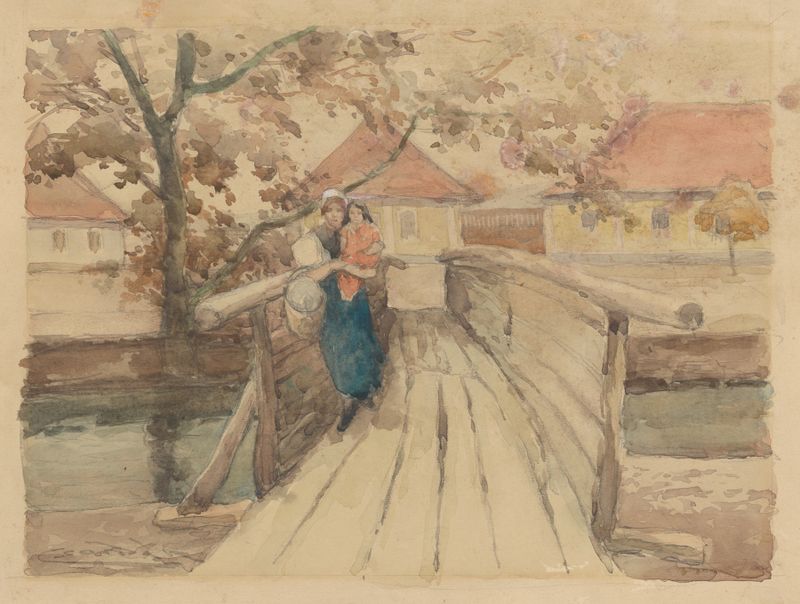
Wooden bridge
Ľudovít Čordák
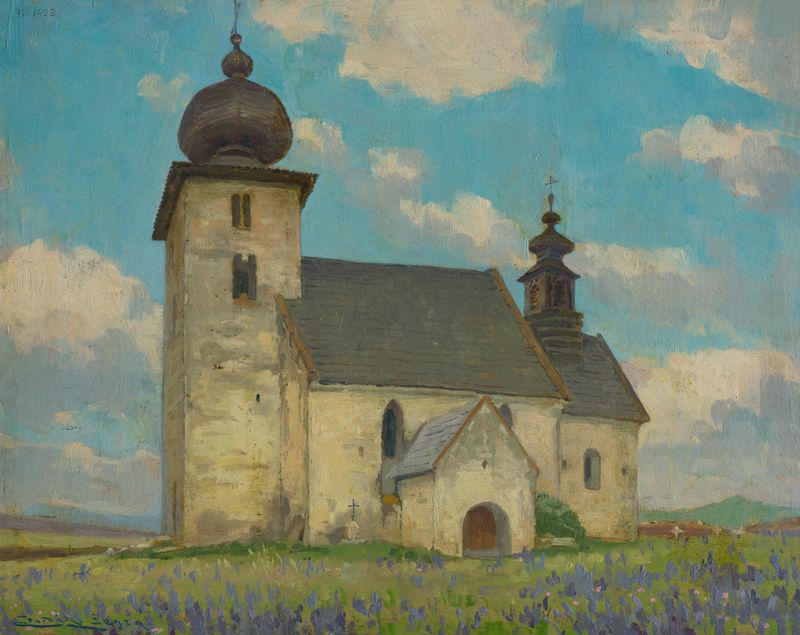
Gothic church in Žehra
Ľudovít Čordák
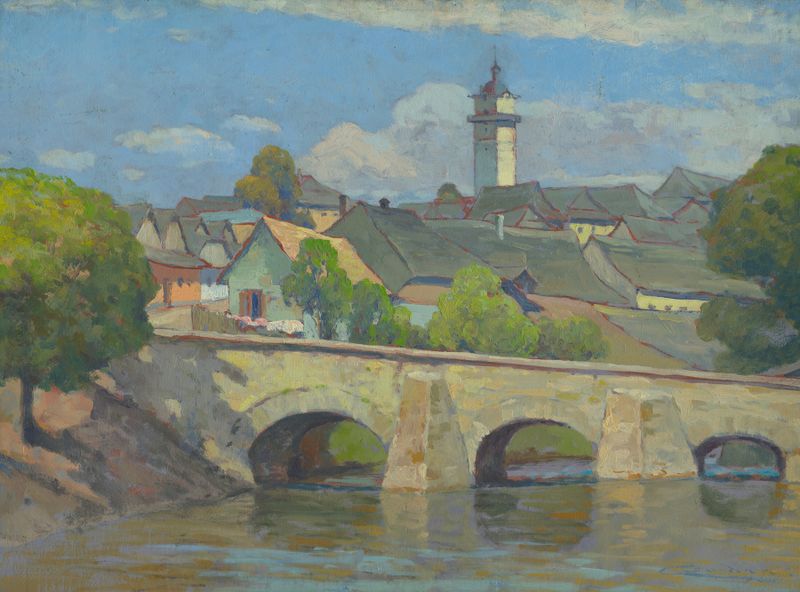
A small town in Spiš
Ľudovít Čordák
At Sunset
Ľudovít Čordák
Forest
Ľudovít Čordák





