
Church interior with Christ and the woman taken in adultery — History & Facts
What first catches the eye in Church interior with Christ and the woman taken in adultery is the vast, echoing emptiness of the Gothic nave, broken only by the small, clustered drama of figures on the checkered floor. Light pours in through tall, latticed windows, casting a pale geometry across the flagstones and drawing your gaze to the group at left, where a woman in ochre is pressed forward by a knot of men. The soaring columns and vaults dwarf the human action, yet the careful choreography of gestures—accusing arms, hesitant steps, a figure in calm isolation—signals a moment of judgment and mercy unfolding in the midst of monumental stone.
The painter’s palette, cool and restrained, heightens the sense of solemnity and the weight of the scene’s moral stakes. Painted in 1611 by Abel Grimmer, this work belongs to a Northern tradition fascinated by church interiors, spaces both public and sacred, where biblical stories are staged within the familiar architecture of the artist’s own time. Such pictures were often collected by prosperous burghers and city officials, who saw in them not only religious instruction but a celebration of civic order and architectural achievement. In an age when the Protestant Reformation had swept through the Low Countries, the depiction of a biblical episode within a grand, empty church would have resonated with contemporary debates about faith, forgiveness, and the role of the church itself.
Little is recorded about the journey of this particular painting, now documented in a 2006 Sotheby’s auction, but its quiet drama invites the viewer to linger, tracing the interplay of light, space, and human conscience.
More Artworks by Abel Grimmer

Flemish proverbs
Abel Grimmer
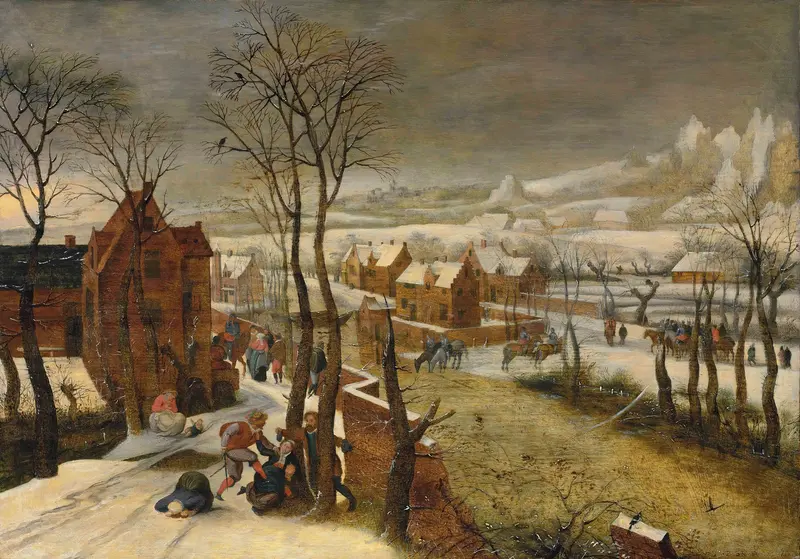
A Village Landscape In Winter With The Massacre Of The Innocents
Abel Grimmer
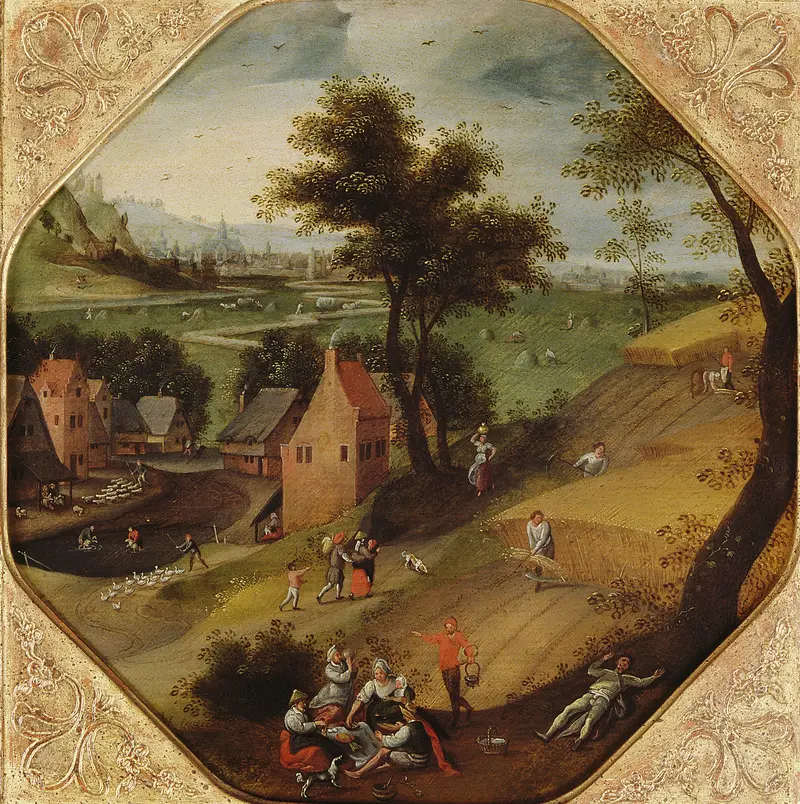
De Zomer
Abel Grimmer
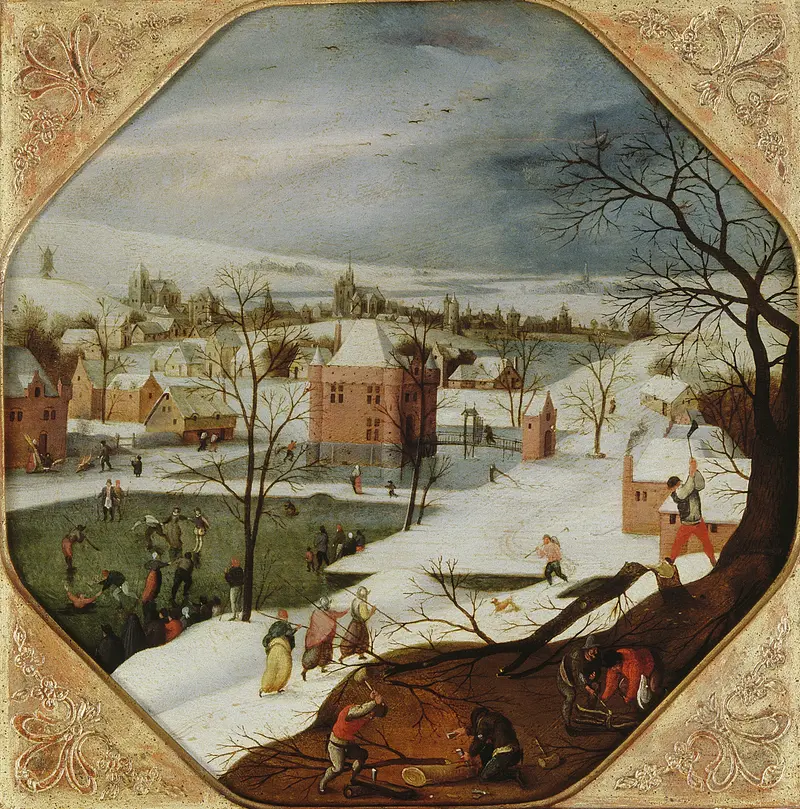
De Winter
Abel Grimmer
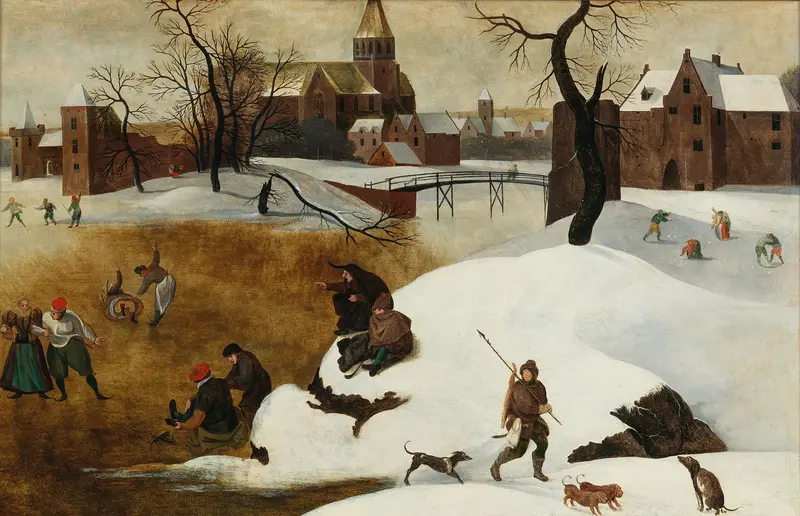
winter landscape with skaters
Abel Grimmer
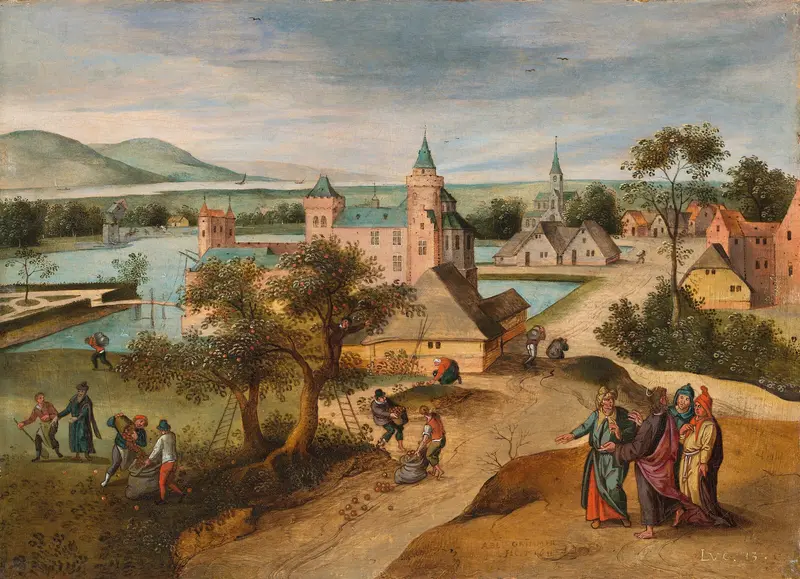
September – The Parable of the Barren Fig Tree
Abel Grimmer
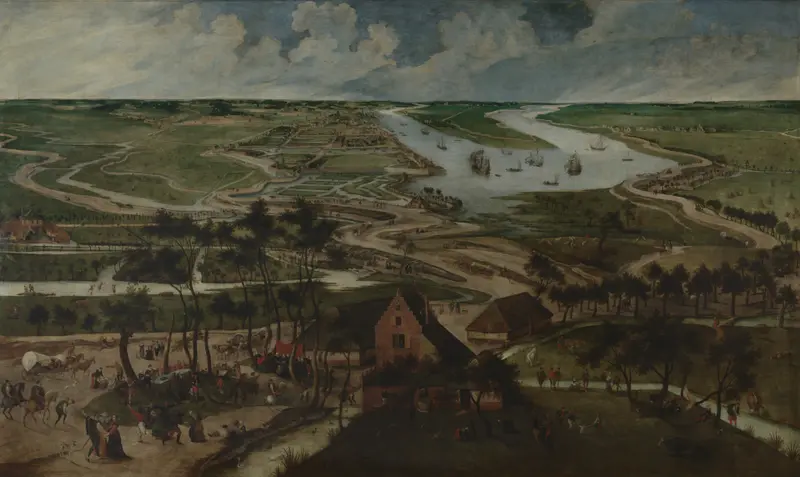
The Eel Huts in the Antwerp Polder outside the Lillo or Slijk Gate
Abel Grimmer
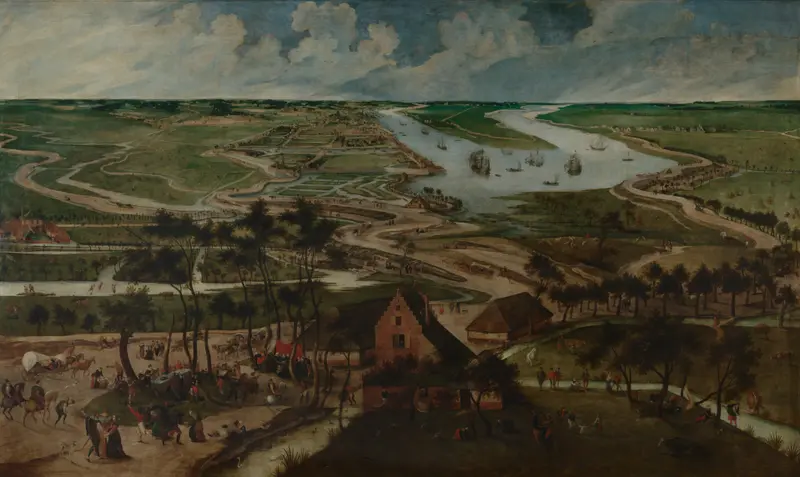
De Antwerpse polder en de Palinghuizen buiten de Slijk- of Lillopoort
Abel Grimmer
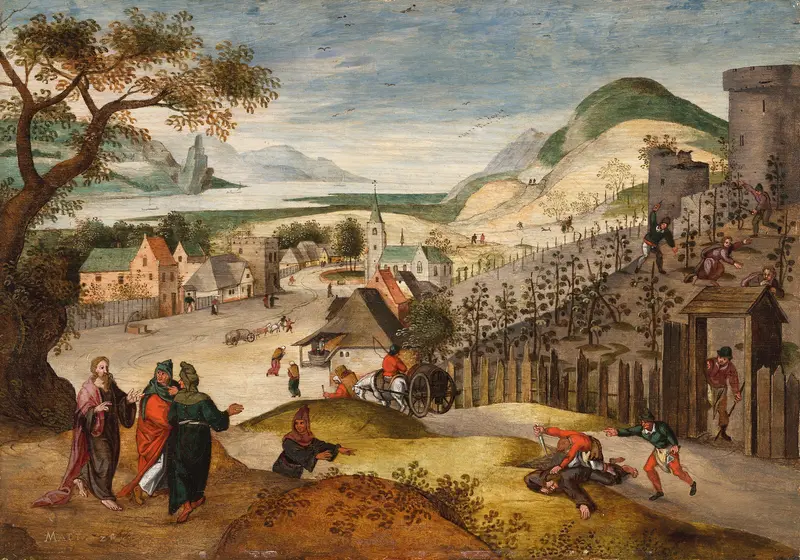
October – The Parable of the Vineyard
Abel Grimmer
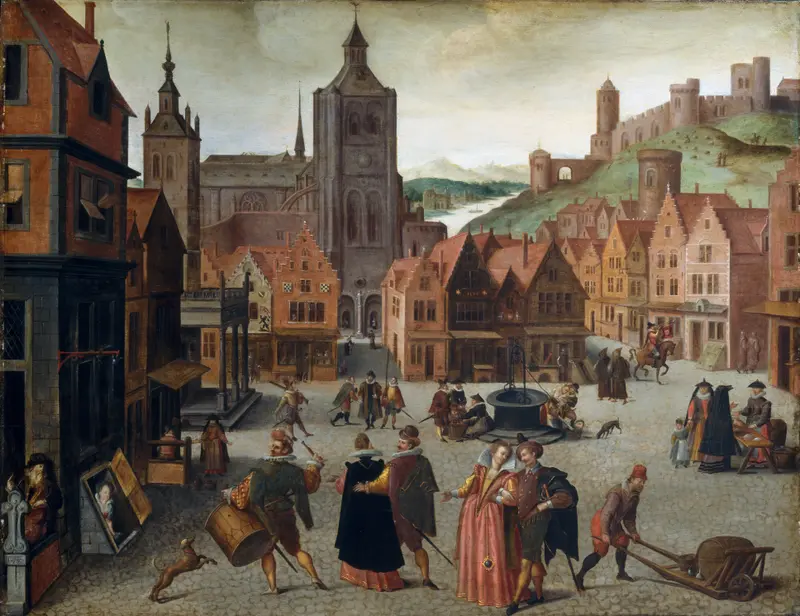
The Marketplace in Bergen op Zoom
Abel Grimmer





