
Church interior with staffage — History & Facts
A hush falls over the vaulted interior, broken only by the silent choreography of devotion: kneeling figures, heads bowed, all eyes drawn to the distant altar, where the priest’s gestures command the space as surely as the shafts of pale light. Church interior with staffage by Ignacy Gierdziejewski pulls the viewer into this moment of communal ritual, where faith is not abstract but lived, embodied in posture and presence. The banners and icons framing the scene do more than decorate—they signal the sacred, demarcating a threshold between the everyday and the divine.
The painter’s use of light is deliberate, drawing our gaze upward and inward, illuminating not just the altar but the faces and folded hands of the congregation, each a silent participant in the unfolding liturgy. This kind of church interior scene flourished in the eighteenth and nineteenth centuries, when artists across Europe and Eastern Europe turned their attention to the rituals and spaces that shaped communal identity. Such paintings were often commissioned by parishioners or clergy, intended to honor the spiritual life of a particular community or to serve as a record of local custom. The presence of the work today in the National Museum in Warsaw is a reminder of how little is recorded about Ignacy Gierdziejewski himself, and yet how much these quiet interiors can tell us about the world that produced them.
The painting invites us to linger, to notice the interplay of architecture, ceremony, and the ordinary people whose faith fills the space.
More Artworks by Ignacy Gierdziejewski

Dante and Vergil
Ignacy Gierdziejewski
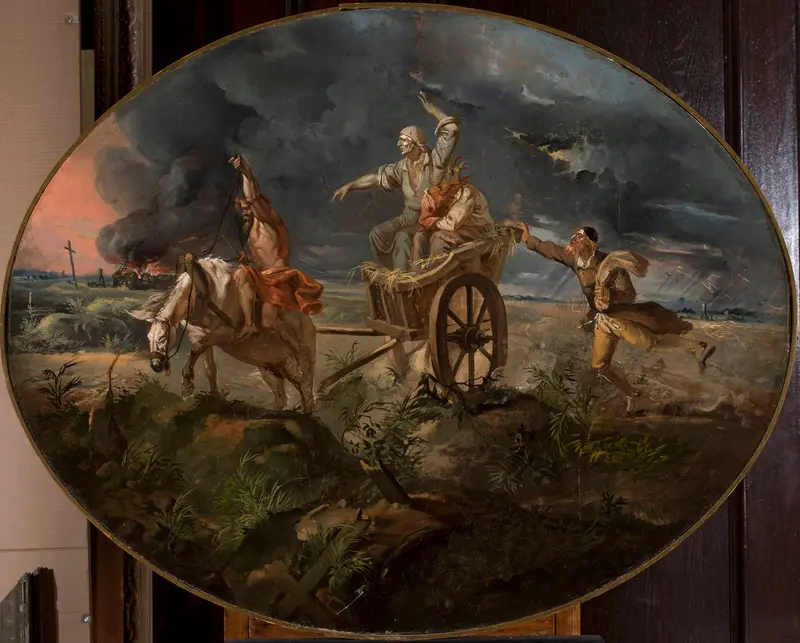
Symbolic scene – Poverty and misery come to see us
Ignacy Gierdziejewski
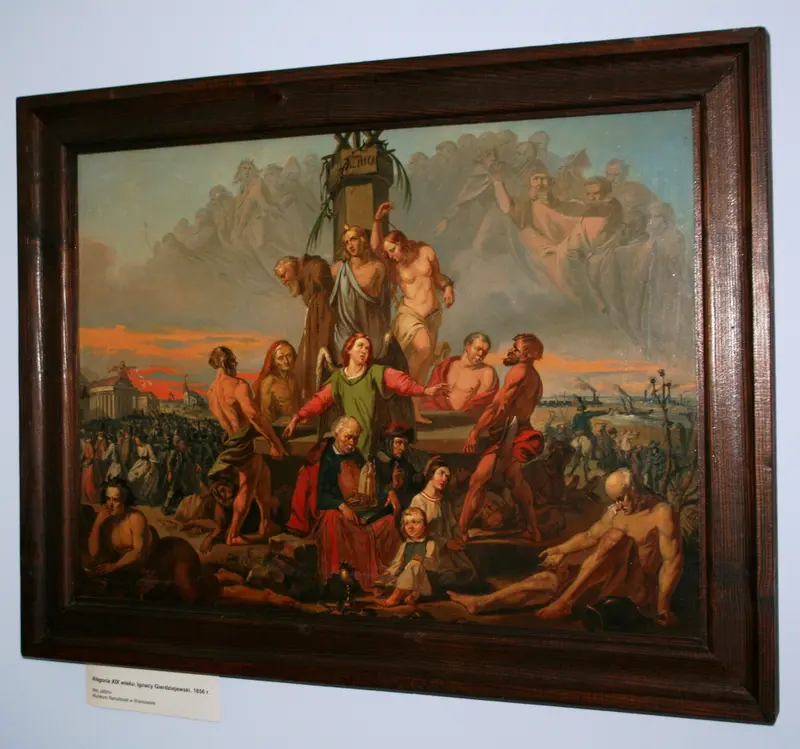
Allegory – The 19th Century
Ignacy Gierdziejewski
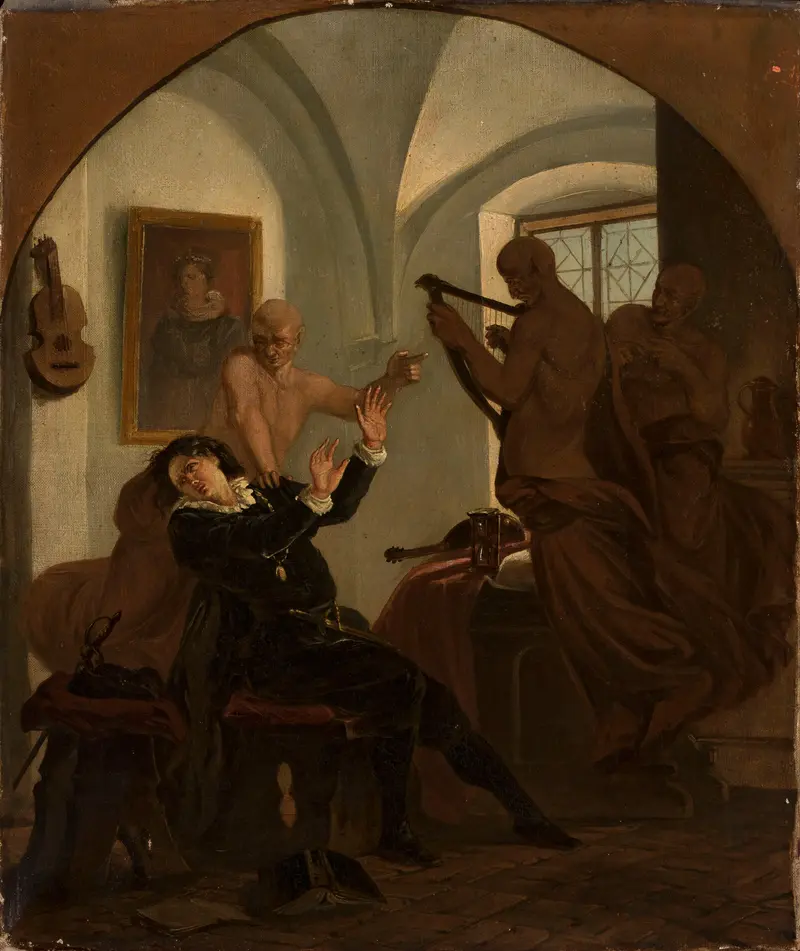
Bakfark, lutenist of Queen Bona
Ignacy Gierdziejewski
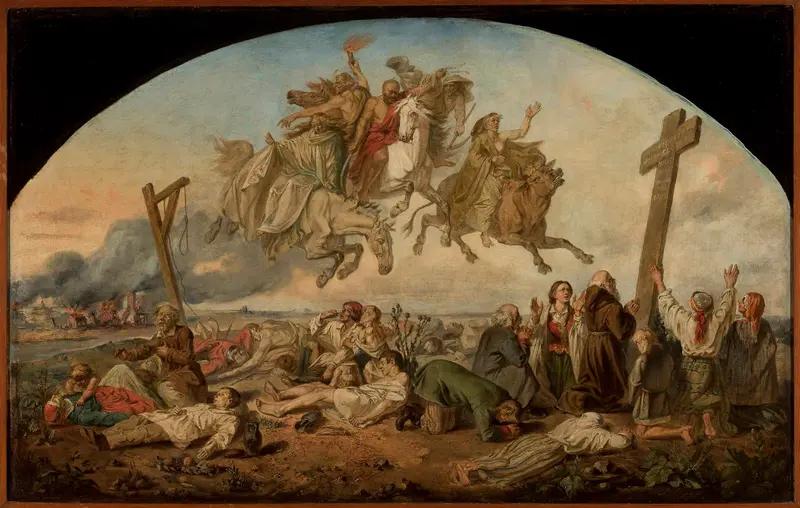
Lord deliver us from air, fire, war, famine and sudden death
Ignacy Gierdziejewski
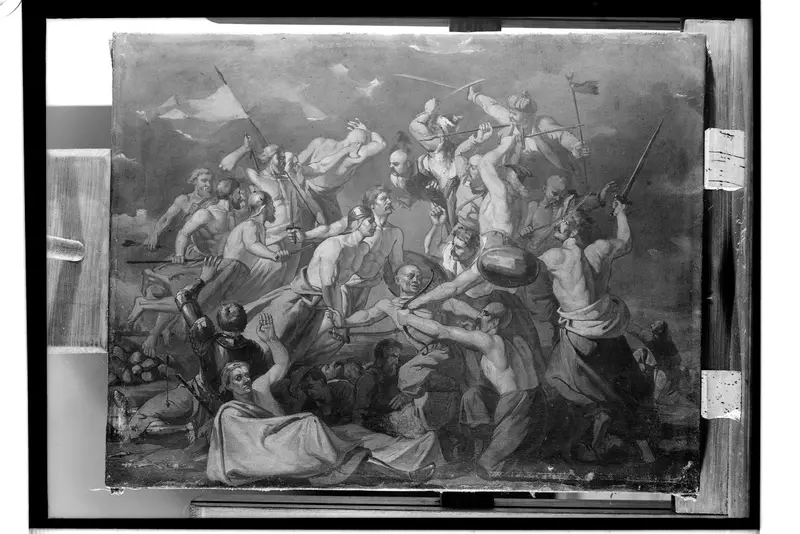
Night after the battle of Legnica
Ignacy Gierdziejewski
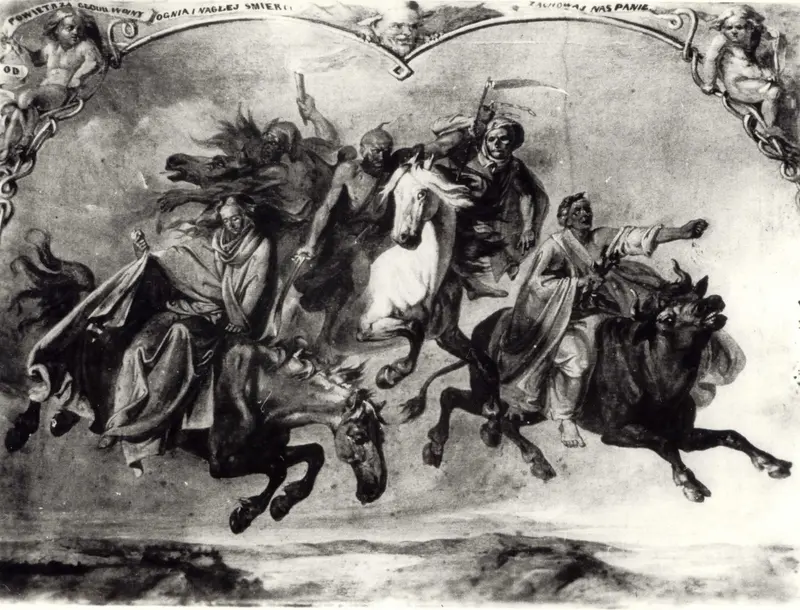
Apocalypse
Ignacy Gierdziejewski
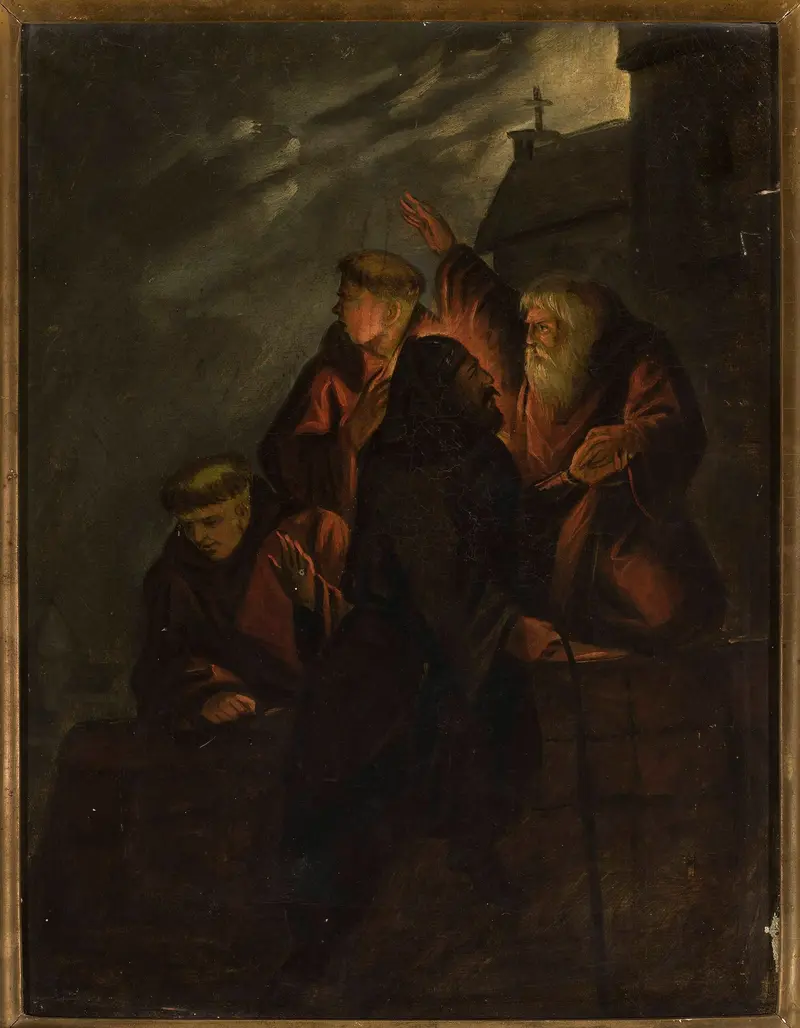
Priest Marek facilitates the escape of Władysław the Short
Ignacy Gierdziejewski
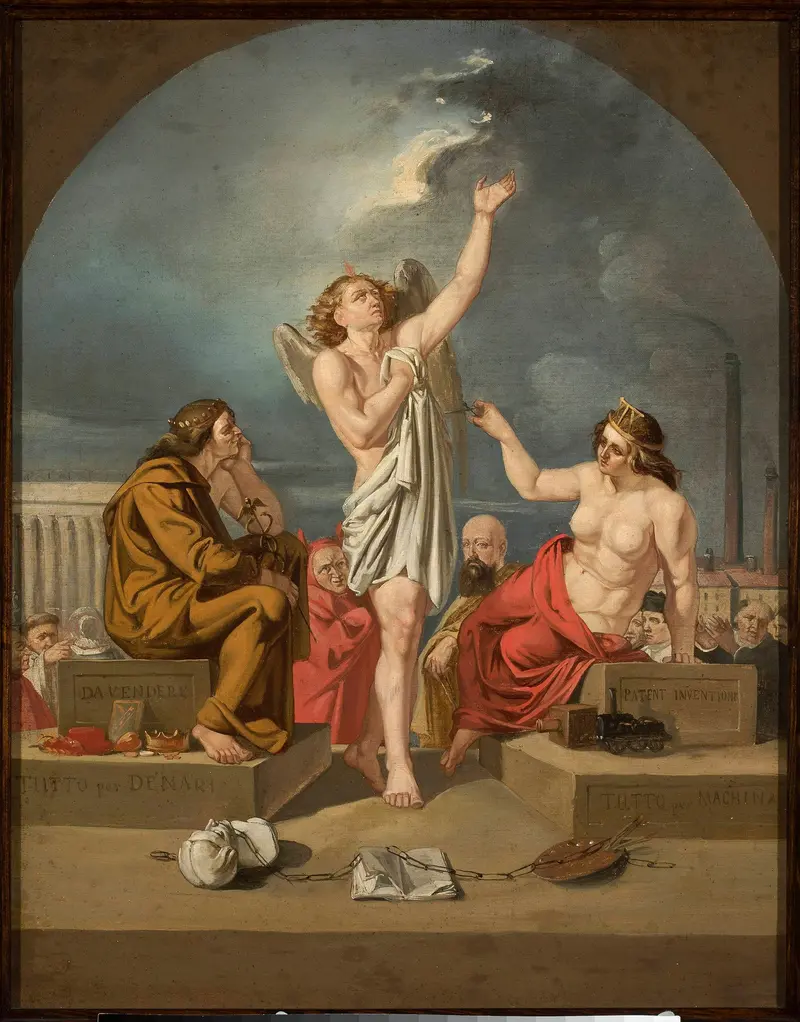
Symbolic scene – Tutto per Machina. Tutto per Denari
Ignacy Gierdziejewski
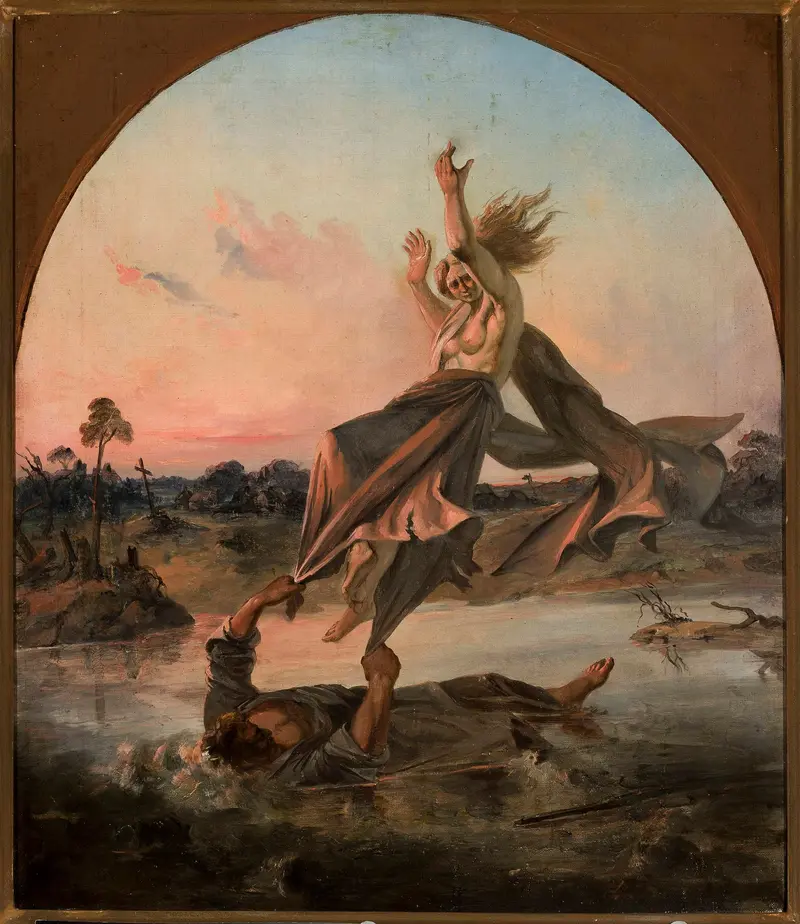
Pestilent air
Ignacy Gierdziejewski





