Church of Graville near Havre de Grace, Normandy; End of the North Transept — History & Facts
Did the painter know this moment would outlive them? In the stillness of the church interior, shadows whisper of devotion and decay, capturing a sanctuary that holds both solace and secrets. Fear lingers in the untouched corners, where light struggles against the encroaching darkness. Focus first on the towering arches that frame the composition, rising like solemn sentinels over the worshippers long gone. The muted palette of soft grays and earthy browns envelops the scene, inviting a contemplative gaze.
Note the delicate interplay of light filtering through stained glass, casting dappled colors onto the stone floor—each ray a fleeting moment preserved in time. The meticulous brushwork conveys both the solidity of the architecture and the ethereal quality of the atmosphere, compelling you to breathe in its history. As you explore further, deeper meanings emerge from the textures and tones. The juxtaposition between the church’s grandeur and the encroaching shadows evokes a sense of existential dread, hinting at the impermanence of faith and legacy.
Hidden details, like the chipped stone and worn pews, beckon the viewer to consider the passing of time and the fragility of human endeavor within the confines of divine spaces. This work emerged in 1817 when the artist was deeply engaged with the Romantic movement in England, seeking to capture the emotional resonance of landscape and architecture. Cotman, known for his watercolors and sensitivity to light, painted this piece during a period of personal challenges and shifting artistic trends, reflecting both his inner struggles and the broader conversation around nature and spirituality in art.
More Artworks by John Sell Cotman
Browse all →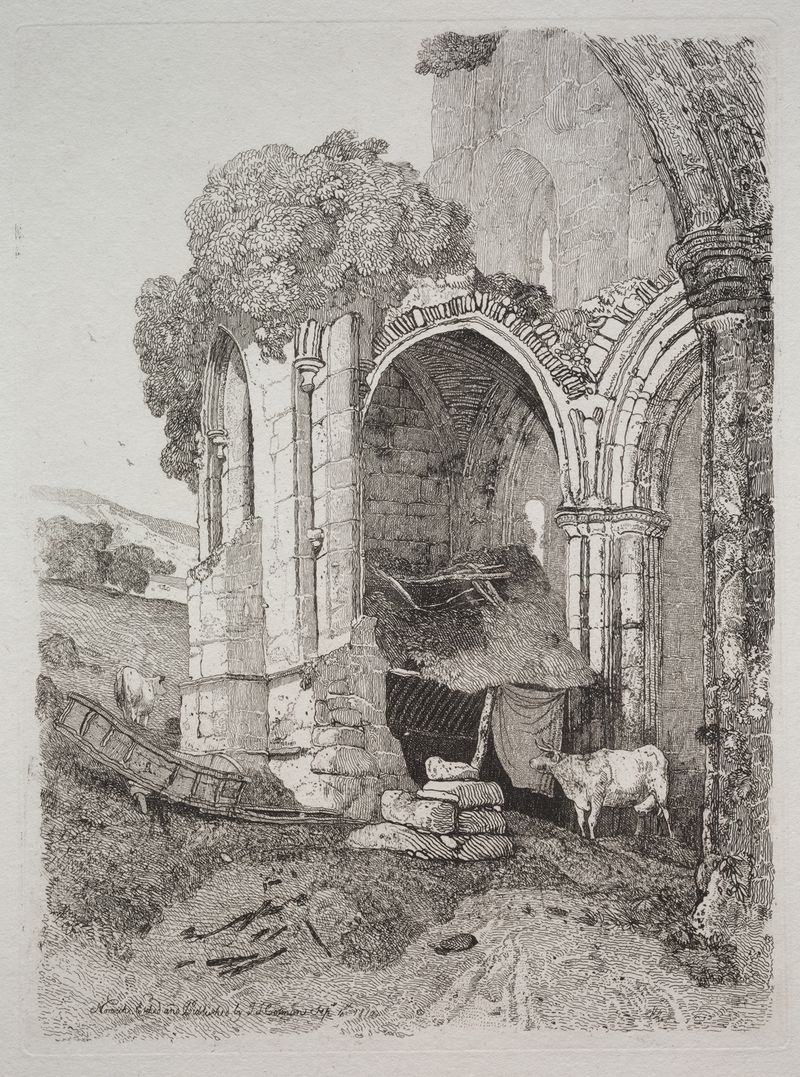
Rievaulx Abbey, Yorkshire
John Sell Cotman
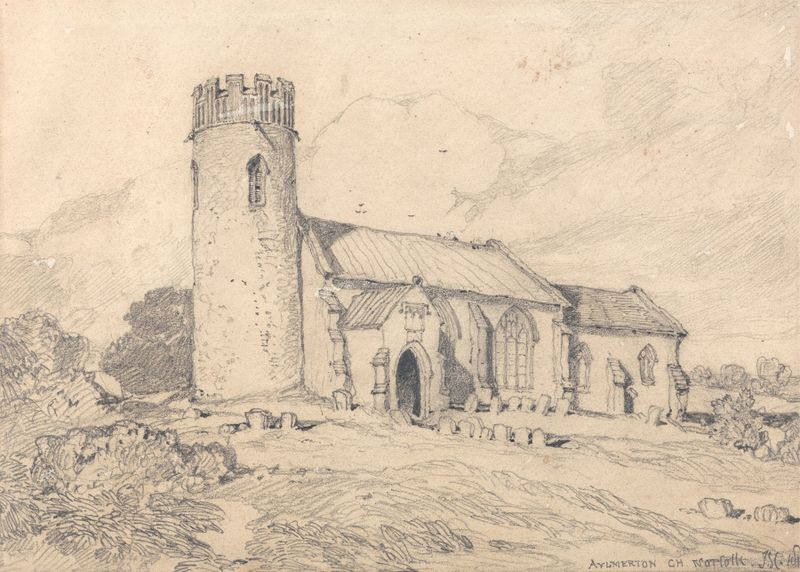
Aylmerton Church; Norfolk, from the South-West
John Sell Cotman
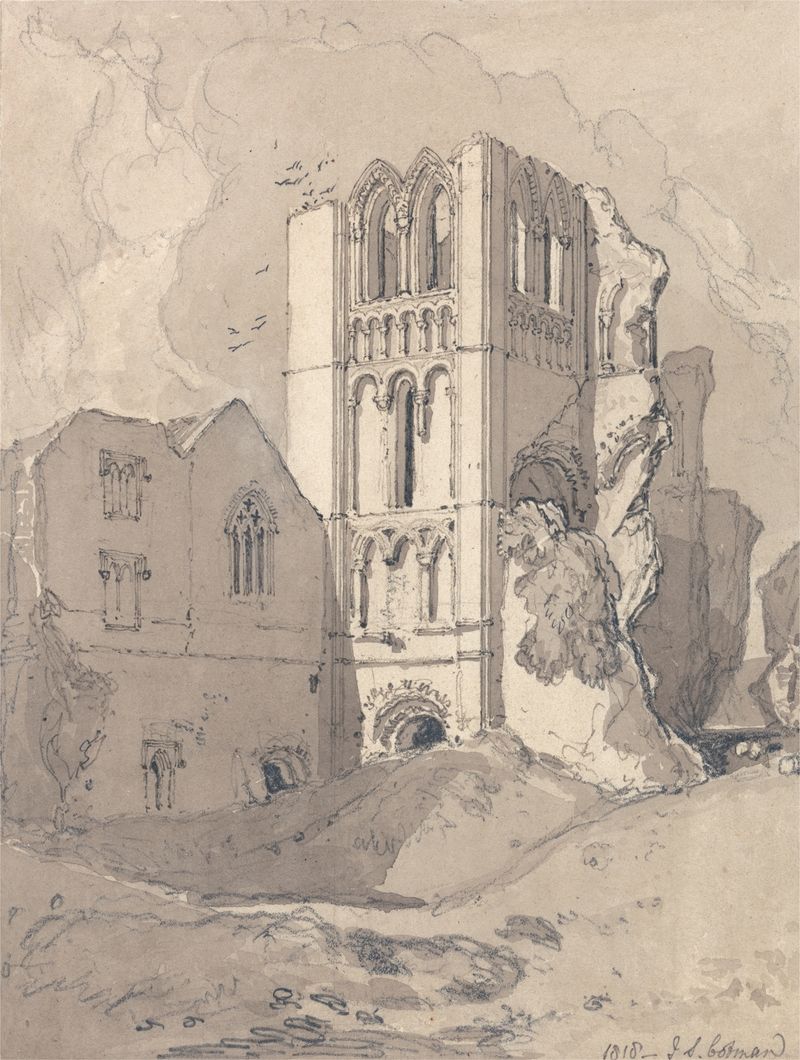
Castle Acre Priory, Norfolk
John Sell Cotman
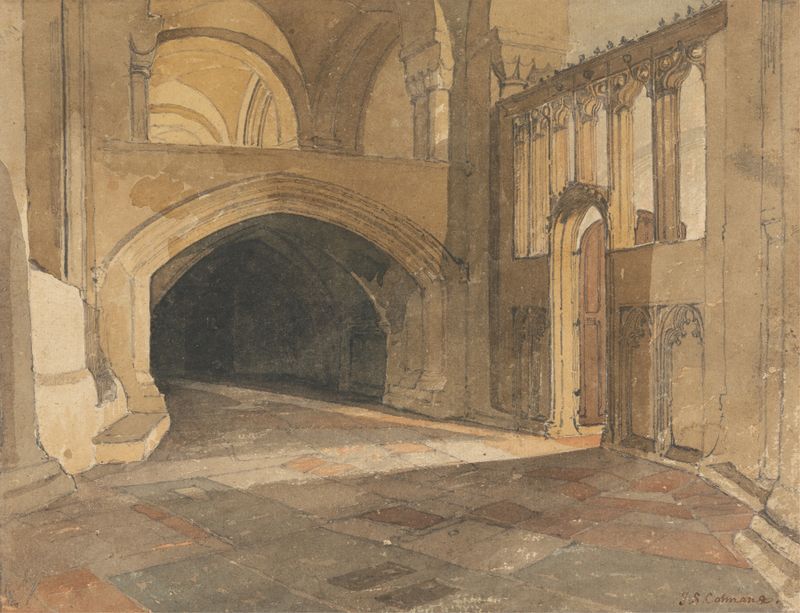
Norwich Cathedral; Entrance to Jesus Chapel
John Sell Cotman
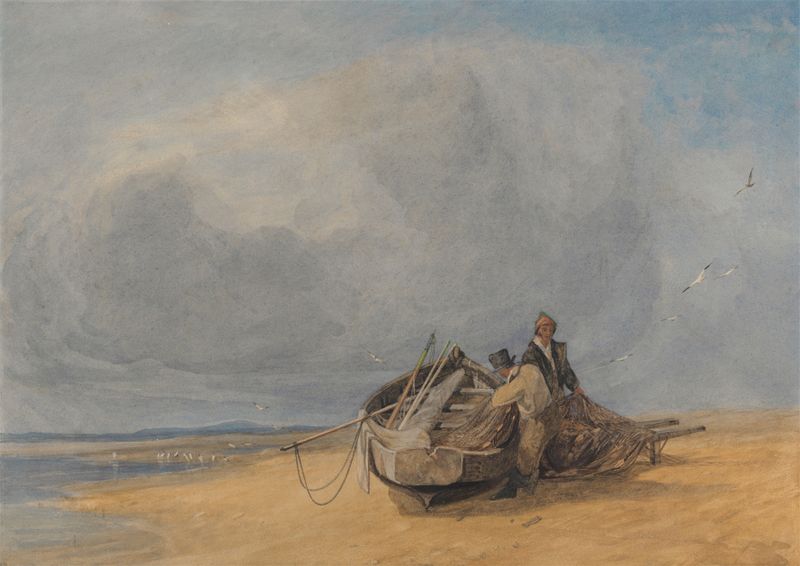
Yarmouth Sands, Norfolk
John Sell Cotman
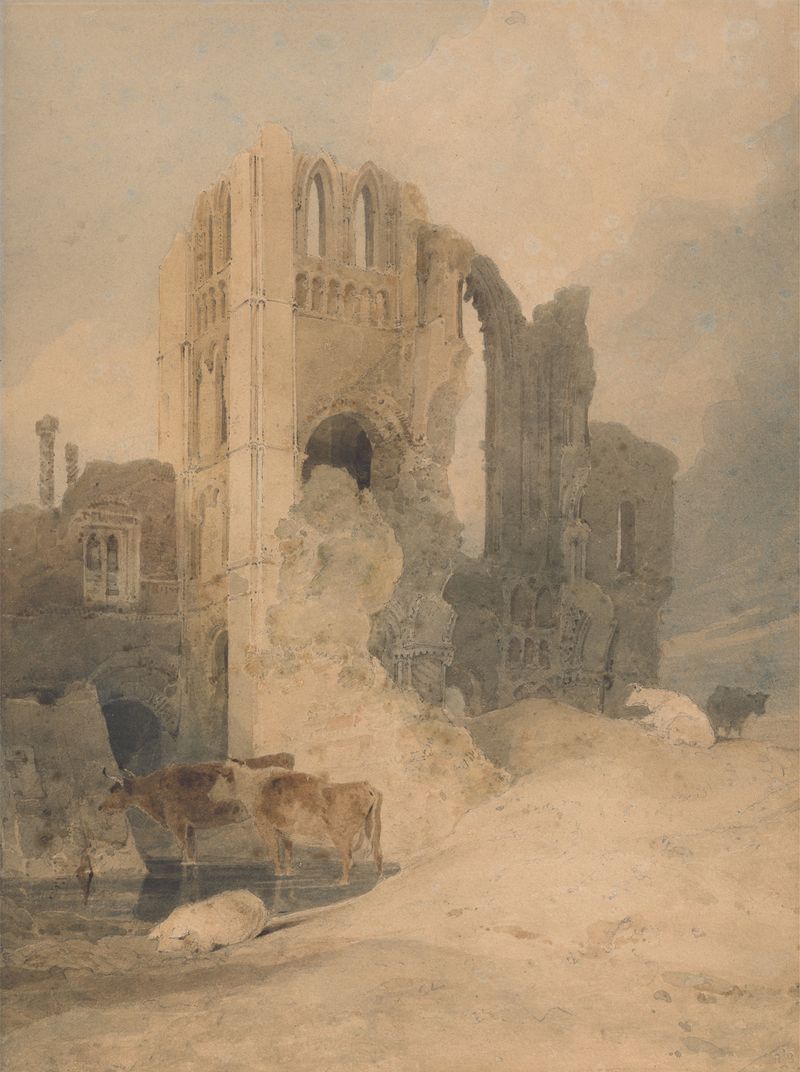
Castle Acre Priory, Norfolk
John Sell Cotman
Near Whitby, Yorkshire
John Sell Cotman
Whitby
John Sell Cotman
The Barons’ Hall, Mont Saint Michel
John Sell Cotman
Norwich Cathedral; Interior of the North Aisle of the Choir, Looking East
John Sell Cotman