
Ciel d’orage — History & Facts
Nostalgia seeps into the depths of our memories, transforming longing into something exquisite yet melancholic. Look to the horizon, where the dark, swirling clouds embrace a flicker of warm light. The interplay of blues and golds creates a dramatic contrast that draws you in, revealing the depth of emotion within the scene. Notice how the brushwork captures the tumultuous sky, each stroke conveying the weight of impending rain while simultaneously illuminating the landscape below — a reminder that beauty often exists alongside turmoil. Delve deeper into the subtleties: the silhouettes of trees reaching towards the tempest reflect both resilience and surrender.
The heavy atmosphere evokes a sense of foreboding, yet the warm glow hints at hope, suggesting a bittersweet balance between despair and solace. This duality invites contemplation, making the viewer reflect on their own experiences of beauty overshadowed by sadness. In 1867, the artist found himself amidst the changing tides of the Parisian art world, a time when Romanticism was giving way to Impressionism. Working in the French countryside, he was influenced by the natural world and the emotional resonance it evoked.
This painting emerged during a period of personal introspection and societal turmoil, where the interplay of light and shadow became a testament to the complexity of human experience.
More Artworks by Narcisse-Virgile Diaz de La Peña
Browse all →
Forest Scene
Narcisse-Virgile Diaz de La Peña
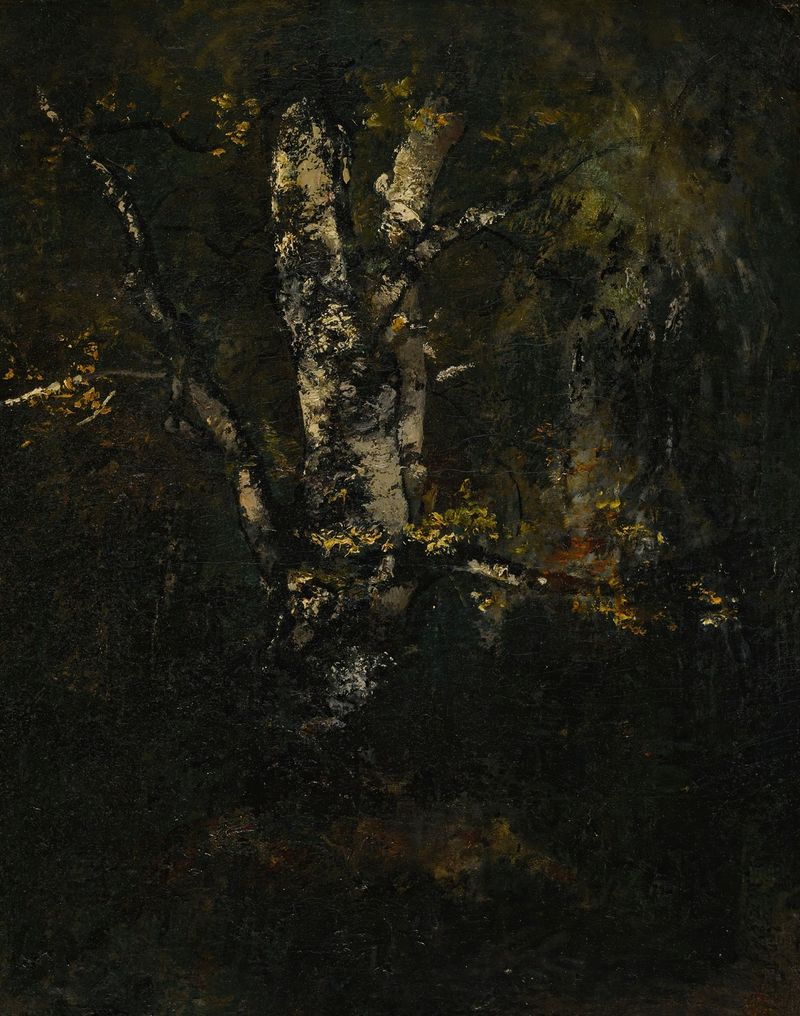
Vieux Troncs De Hêtres
Narcisse-Virgile Diaz de La Peña
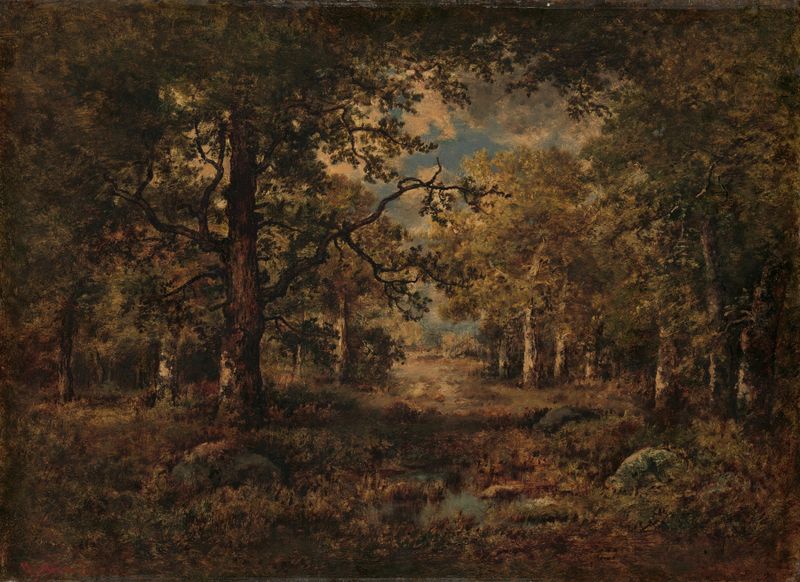
A Vista through Trees; Fontainebleau
Narcisse-Virgile Diaz de La Peña
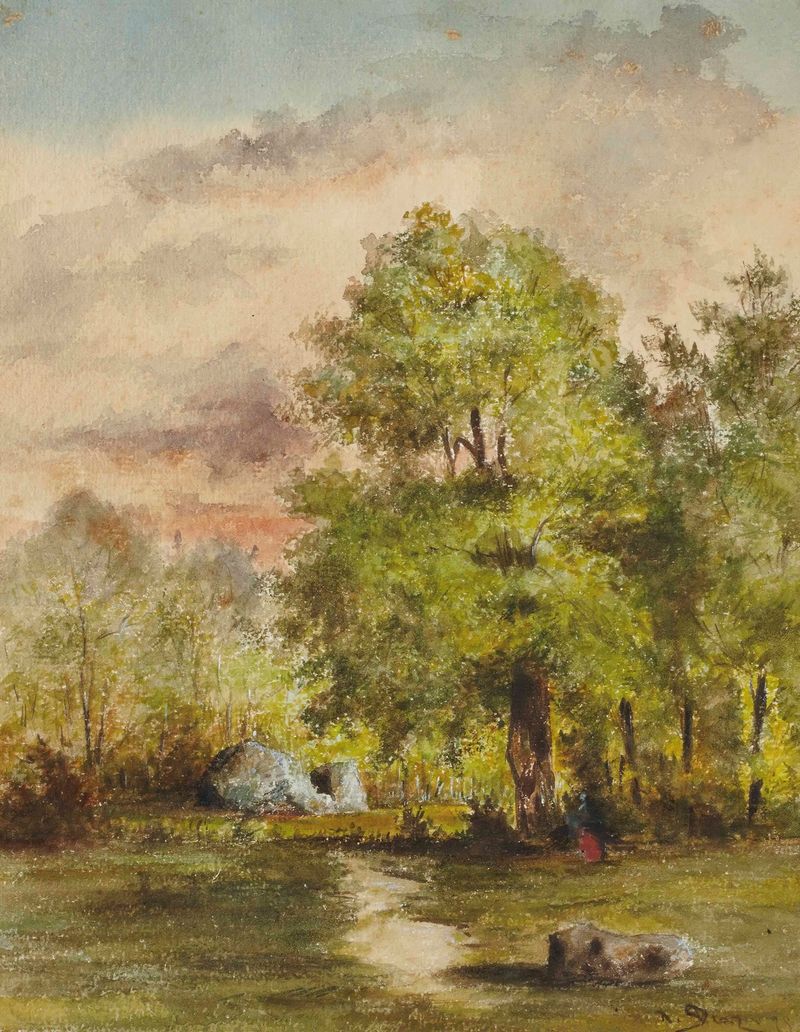
Vue d’une clairière
Narcisse-Virgile Diaz de La Peña

Pond in the Woods
Narcisse-Virgile Diaz de La Peña
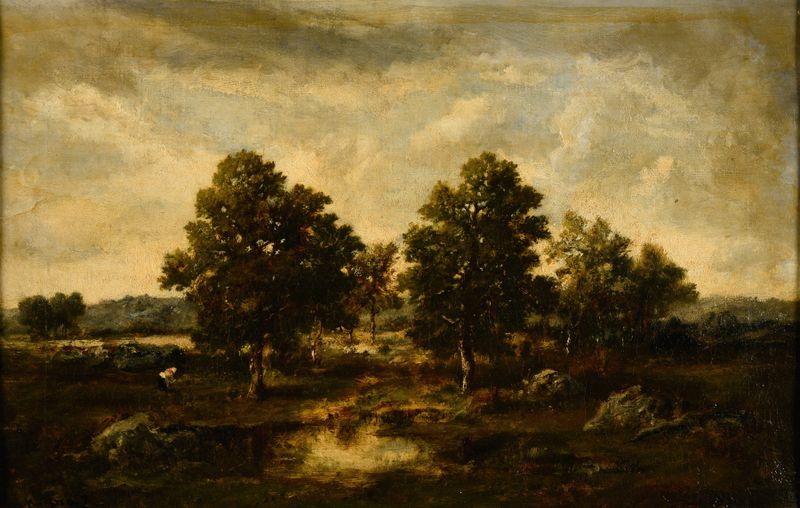
Mare dans une lande
Narcisse-Virgile Diaz de La Peña
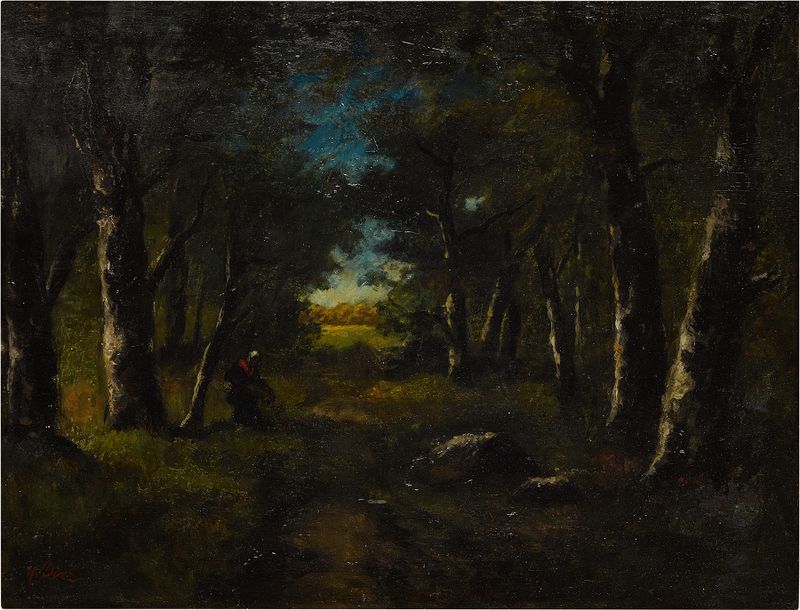
Foraging in the Forest
Narcisse-Virgile Diaz de La Peña
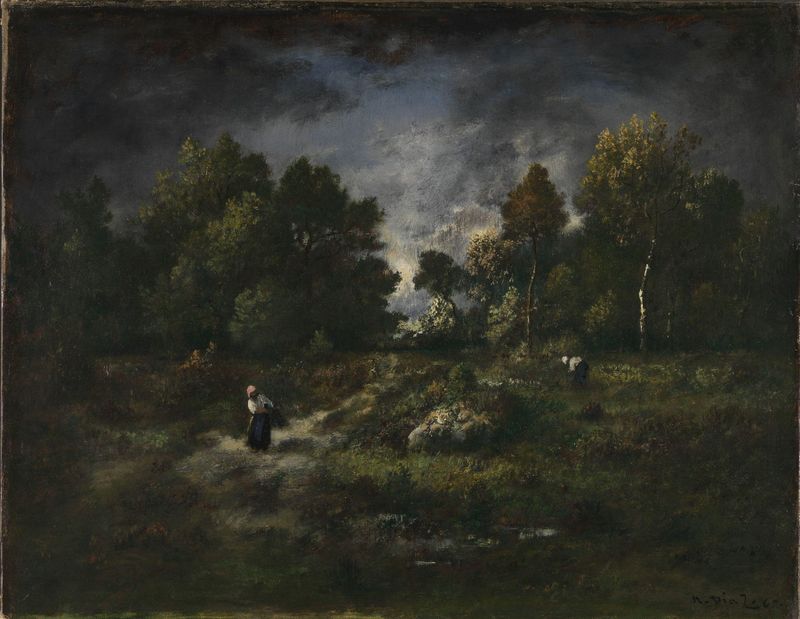
Faggot Gatherers in a Wooden Landscape
Narcisse-Virgile Diaz de La Peña
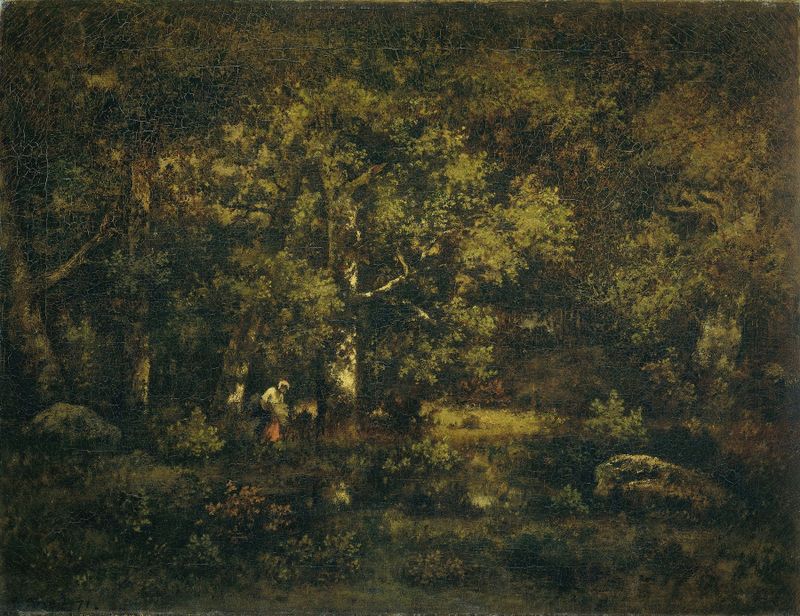
The Forest of Fontainebleau
Narcisse-Virgile Diaz de La Peña

Sous-bois
Narcisse-Virgile Diaz de La Peña





