
City on a river — History & Facts
In this striking depiction, the city sprawls across the river’s edge, a gleaming facade that conceals deeper narratives beneath its surface. Look to the shimmering waters, where the painter’s brush dances lightly, capturing the interplay of light and color. The vibrant blues and golds draw the eye, leading it toward the horizon where the city’s structures rise, a blend of the natural and the manmade. Notice how the delicate strokes evoke movement, reflecting not just the river's flow, but also the pulse of life within the city—its heart beating in sync with the water. Beneath the surface, contrasts emerge: the city’s radiance is juxtaposed with the quiet isolation of the riverbank, suggesting a duality of beauty and solitude.
Each building stands tall, yet one can almost feel the weight of the untold stories held within their walls—dreams realized and dreams abandoned. The river, a lifeline, cradles this urban sprawl, simultaneously nurturing and reflecting the transient nature of existence. In the 1820s, Varley explored the evolving relationship between nature and urbanization in England. He painted City on a River during a time when industrial growth began to reshape the landscape, symbolizing both progress and the melancholy that often accompanies transformation.
His work captures a moment of revelation, reflecting on not just the beauty of a city alive with potential, but also the underlying complexities that define its essence.
More Artworks by John Varley
Browse all →
Knaresborough on the River Nidd, Yorkshire
John Varley

Kirkstall Abbey near Leeds
John Varley

Bamborough Castle from the Northeast, with Holy Island in the Distance, Northumberland
John Varley
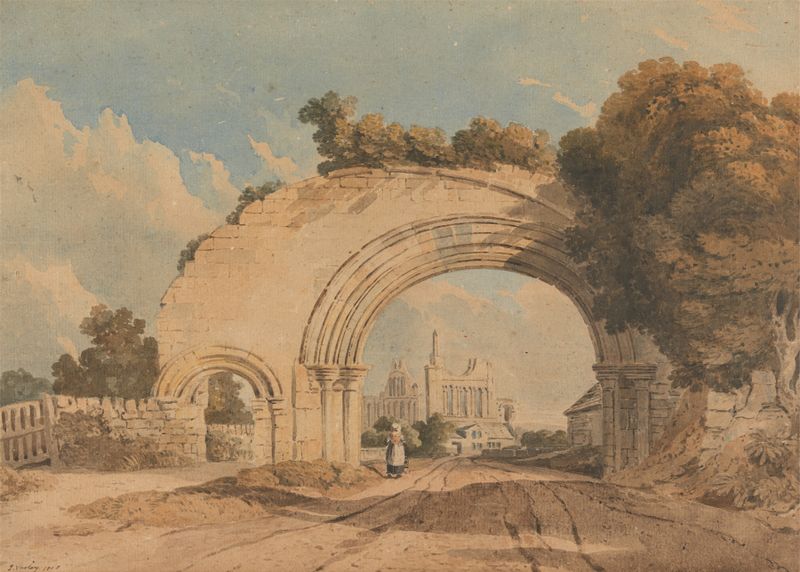
Byland Abbey, Yorkshire
John Varley

View of Conwy Castle, North Wales
John Varley
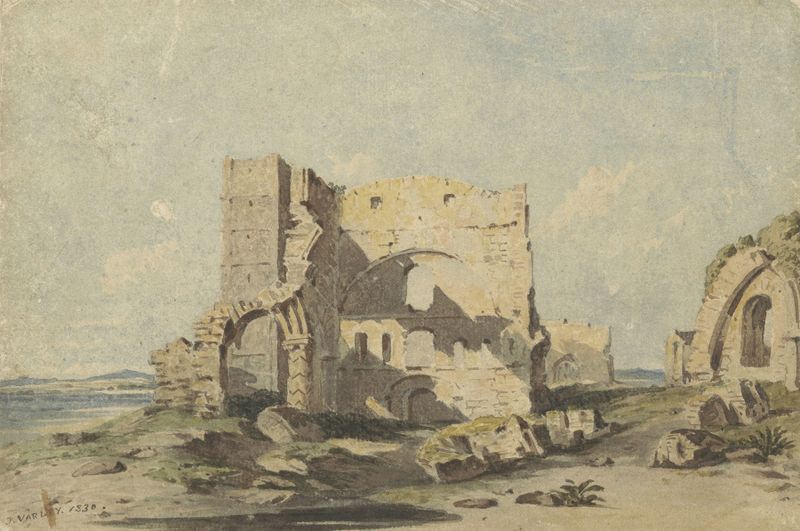
Lindisfarne Abbey op Holy Island, Northumberland
John Varley
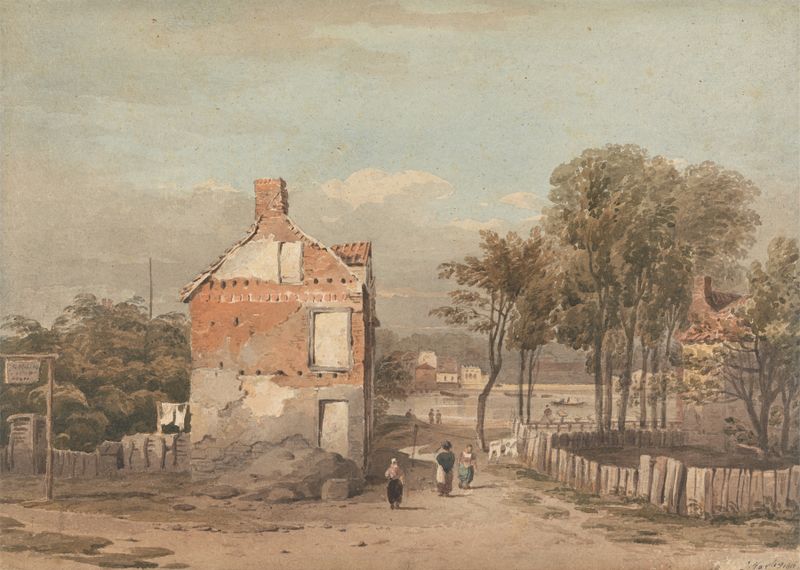
The Thames Near the Penitentiary, Millbank, London
John Varley

Vale of Clwyd, Wales
John Varley

A View along the Thames towards Chelsea Old Church
John Varley

The Thames at Windsor
John Varley





