
Clair de lune — History & Facts
In the stillness of twilight, a whispered transformation takes place, where light dances upon water and shadows embrace the landscape. It is in this delicate balance that Harpignies captures the essence of a serene night, inviting the viewer to linger in the quietude of the moment. Look closely at the shimmering reflections in the water, where the silvery glow of the moon weaves an ethereal thread through the darkened foliage. Notice how the blues and greens blend seamlessly, creating a dreamlike quality that beckons you deeper into the scene.
The brushstrokes offer a fluidity that suggests movement while maintaining a sense of calm, allowing the viewer to feel the cool evening air and the gentle rustle of leaves. Beneath the surface, the painting explores contrasts: light and dark, tranquility and the unseen life that stirs beneath the moonlit surface. The absence of human figures amplifies the isolation of nature, suggesting a world untouched, a moment of connection between the earth and the celestial. This reflective solitude encourages contemplation, inviting one to consider the nature of transformation—not just of the landscape as day yields to night, but of the inner self that mirrors this shift. In 1898, amid the burgeoning Impressionist movement, Harpignies was in his later years, deeply immersed in capturing the ephemeral beauty of nature.
Working primarily in France, he sought to convey the emotional resonance of light and atmosphere, responding to the changing perceptions of art. This period marked a transition as artists began to focus on personal expression, and Clair de lune stands as a poignant testament to that evolving vision.
More Artworks by Henri-Joseph Harpignies
Browse all →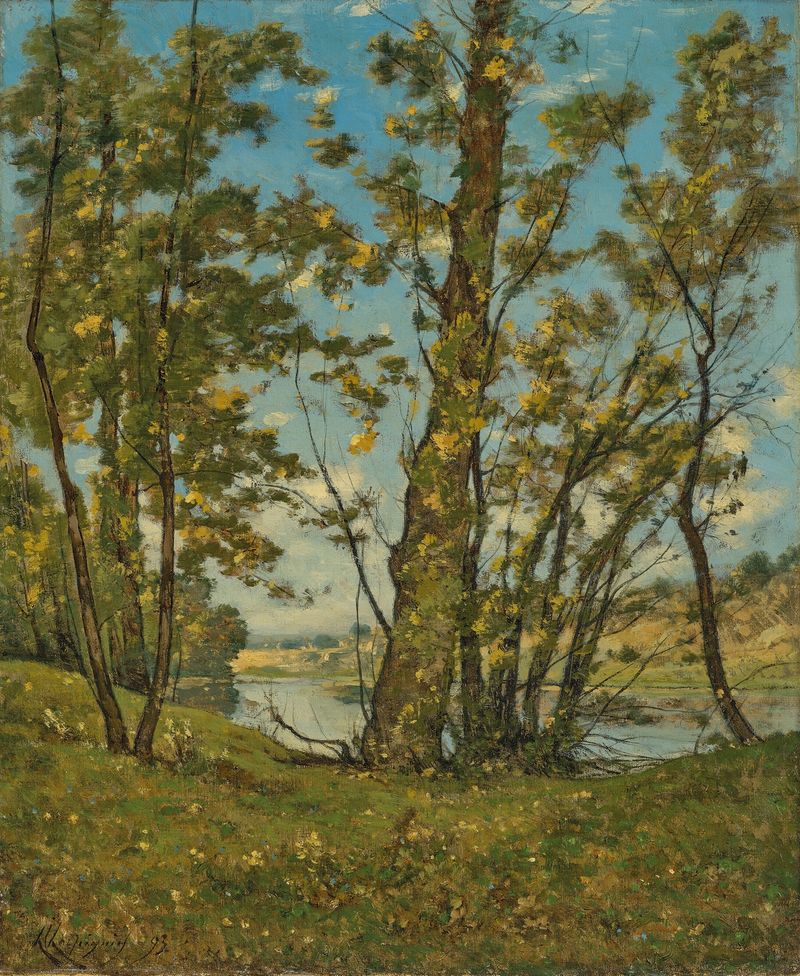
La Loire à Bonny
Henri-Joseph Harpignies
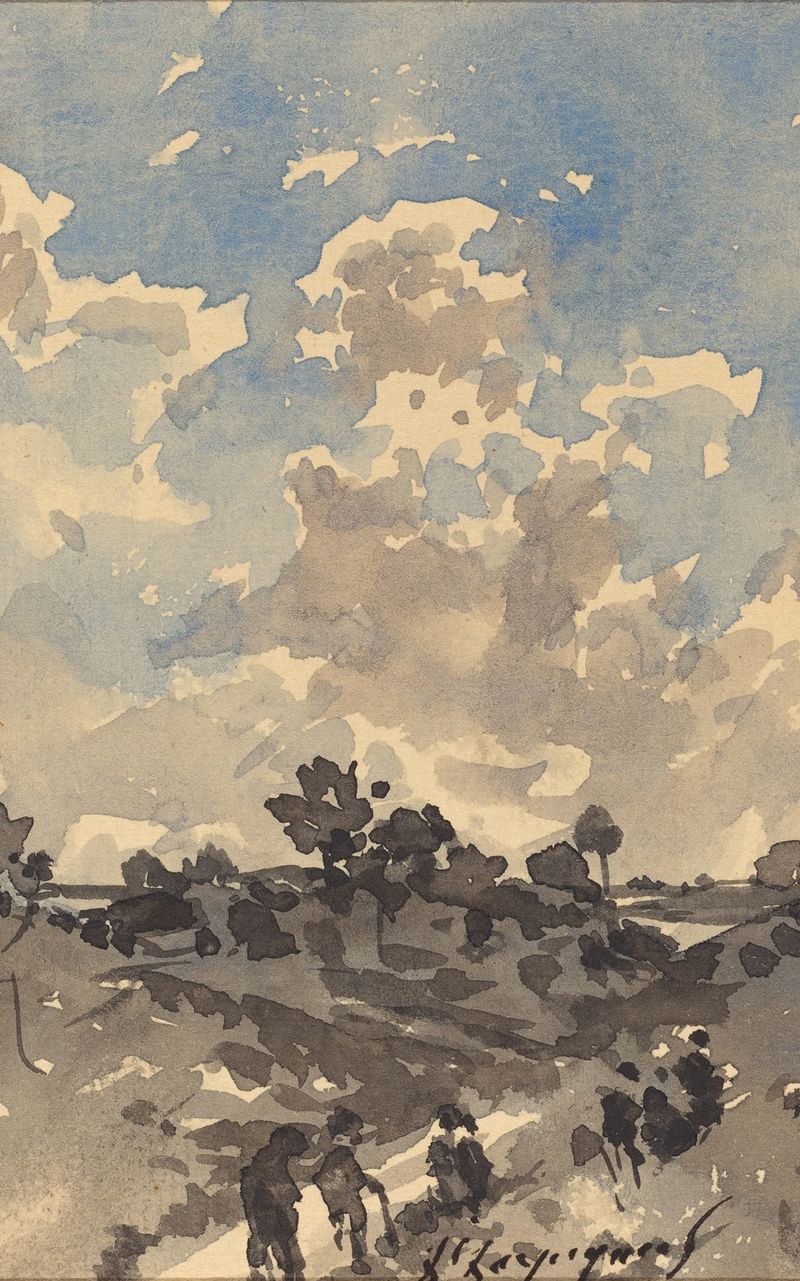
A Landscape with Figures Walking along a Path
Henri-Joseph Harpignies
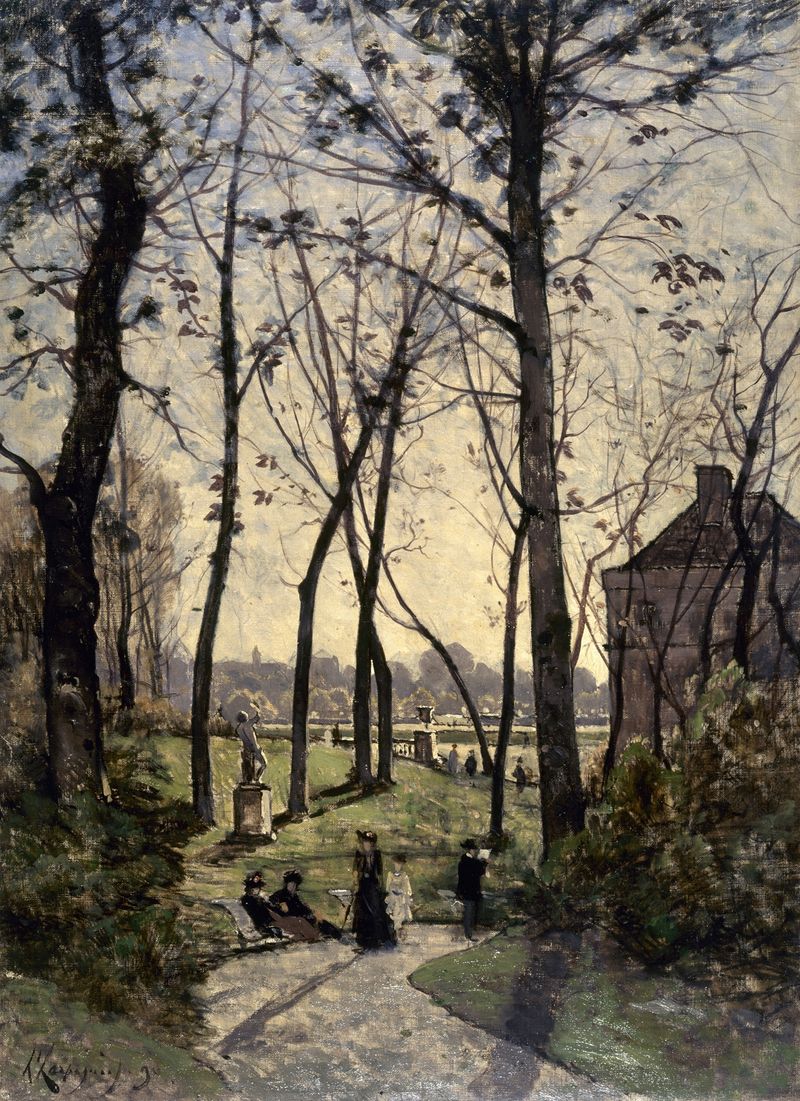
Le jardin du Luxembourg
Henri-Joseph Harpignies
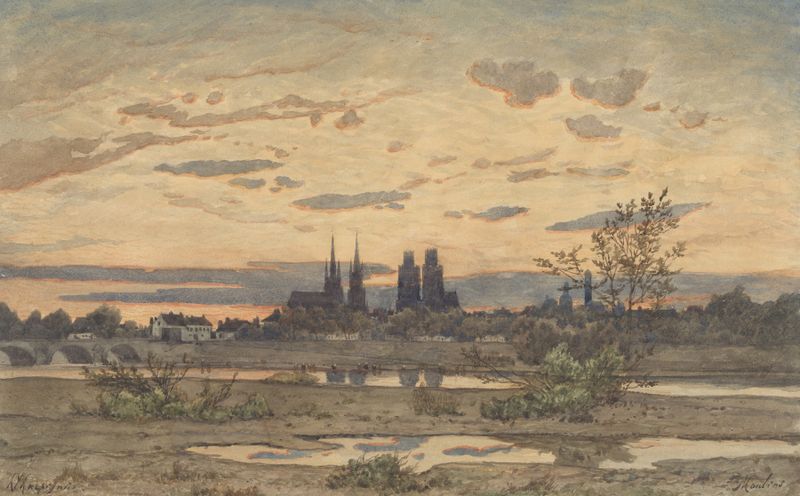
A View of Moulins
Henri-Joseph Harpignies
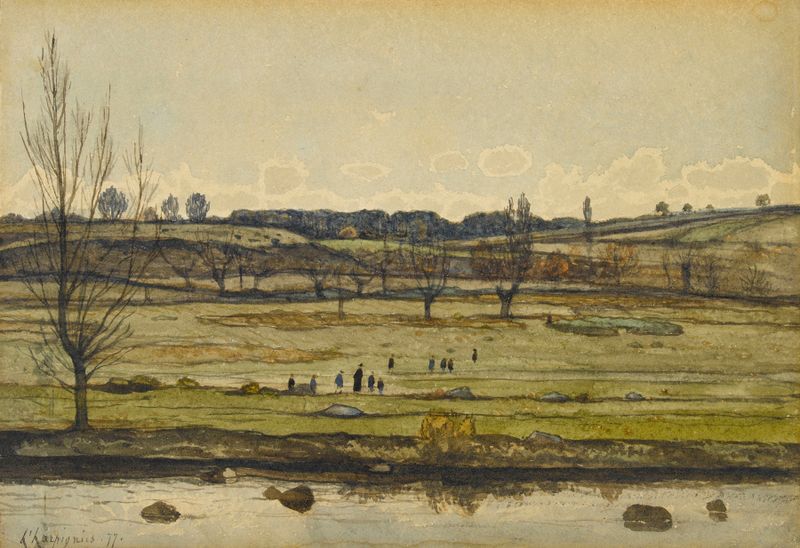
Paysage
Henri-Joseph Harpignies
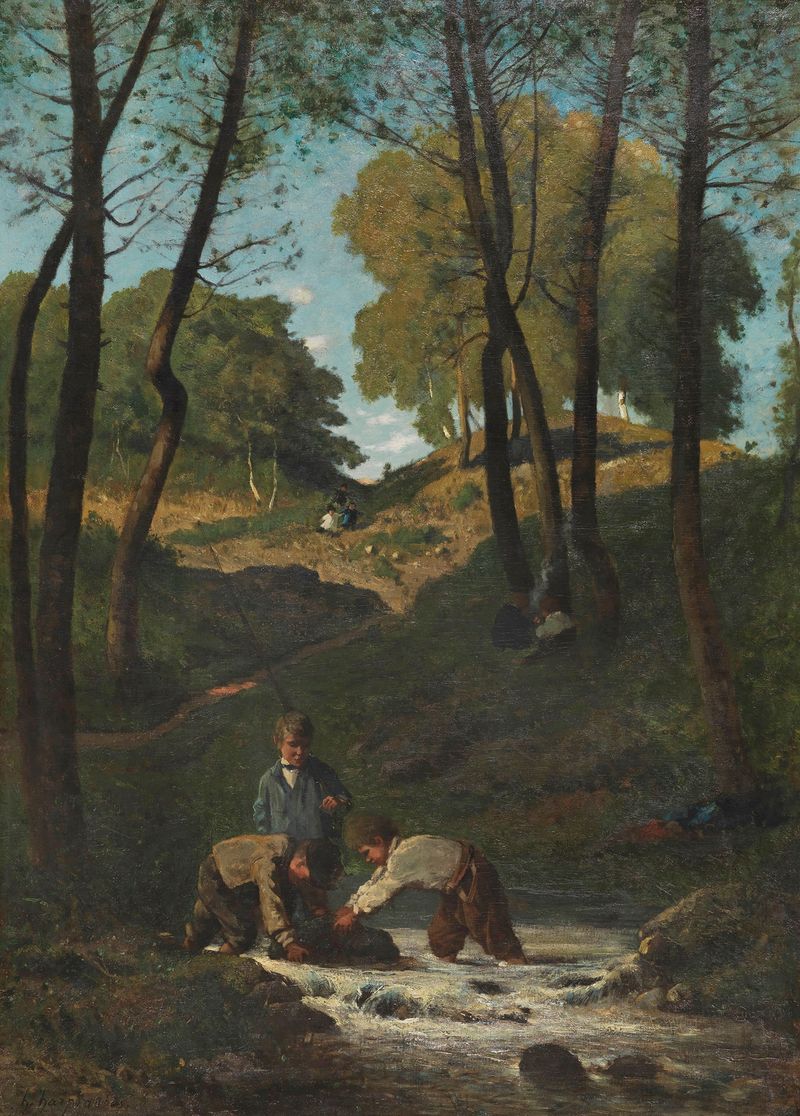
Chercheurs d’écrevisses
Henri-Joseph Harpignies
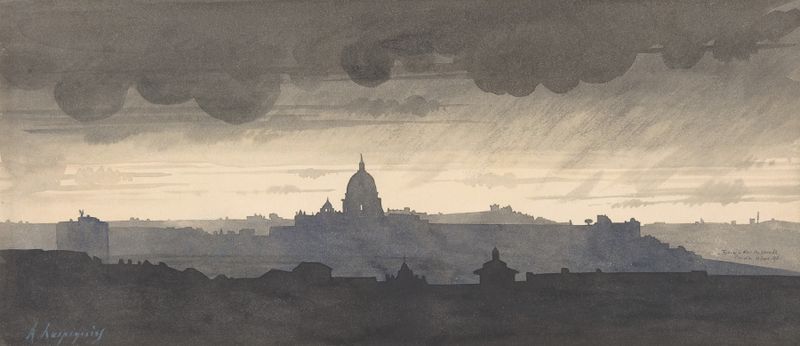
Saint Peter’s Seen From the Pincio, Rome
Henri-Joseph Harpignies
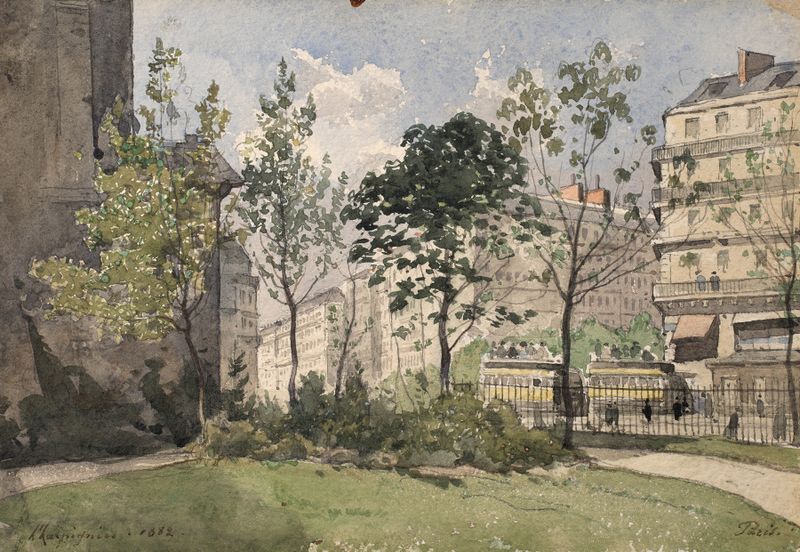
View of the forecourt of the Saint-Germain-des-Prés church
Henri-Joseph Harpignies
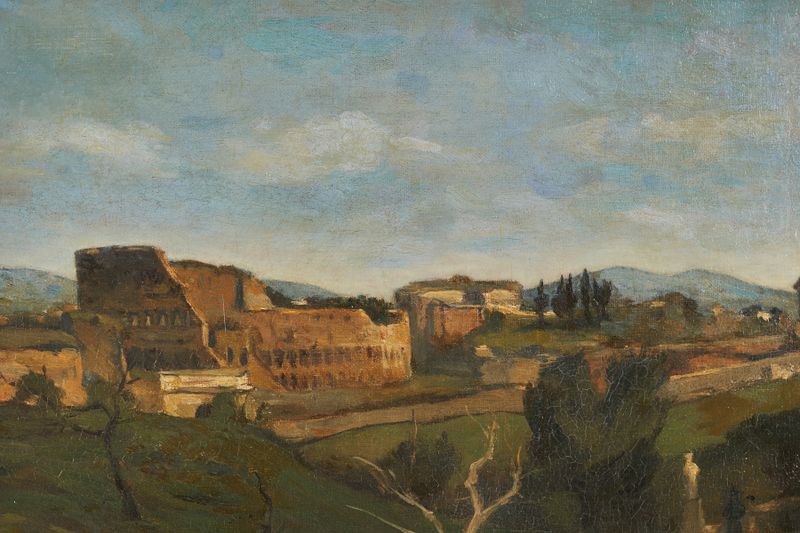
Le Colisée à Rome
Henri-Joseph Harpignies

Villefranche
Henri-Joseph Harpignies





