
Clairière Dans La Forêt De Fontainbleau — History & Facts
Can beauty exist without sorrow? In the intricate interplay of light and shadow, Narcisse-Virgile Diaz de La Peña invites us to ponder this eternal question. Look to the left at the dappled sunlight filtering through the dense canopy of trees. Notice how the vibrant greens of the foliage contrast with the deep browns of the forest floor, creating a natural tapestry that beckons the eye. The delicate brushwork captures the rustle of leaves and the whisper of the wind, drawing the viewer into a serene yet dynamic woodland scene.
The warm hues of sunlight illuminate patches of wildflowers, suggesting life and vibrancy amidst the tranquil shadows. Deeper within this composition lies a tension between the light and the darkness that envelops it. The vibrant blooms, vibrant yet ephemeral, symbolize fleeting beauty, contrasting sharply with the shadows that hint at the mysteries of nature. There is a palpable sense of stillness, yet the unseen wildlife seems to pulse beneath the surface, echoing the duality of joy and melancholy inherent in the natural world.
This rich composition reflects the artist’s deep appreciation for nature’s beauty, yet also its inherent complexities. In 1869, while residing in the outskirts of Paris, the artist painted this mesmerizing piece during a time when Romanticism was evolving into Impressionism. He was deeply influenced by the forest of Fontainebleau, a site popular among artists for its enchanting landscapes. This painting emerges from a period of personal exploration and artistic experimentation, reflecting both his admiration for nature and a growing desire to capture the nuanced atmosphere of the world around him.
More Artworks by Narcisse-Virgile Diaz de La Peña
Browse all →
Forest Scene
Narcisse-Virgile Diaz de La Peña
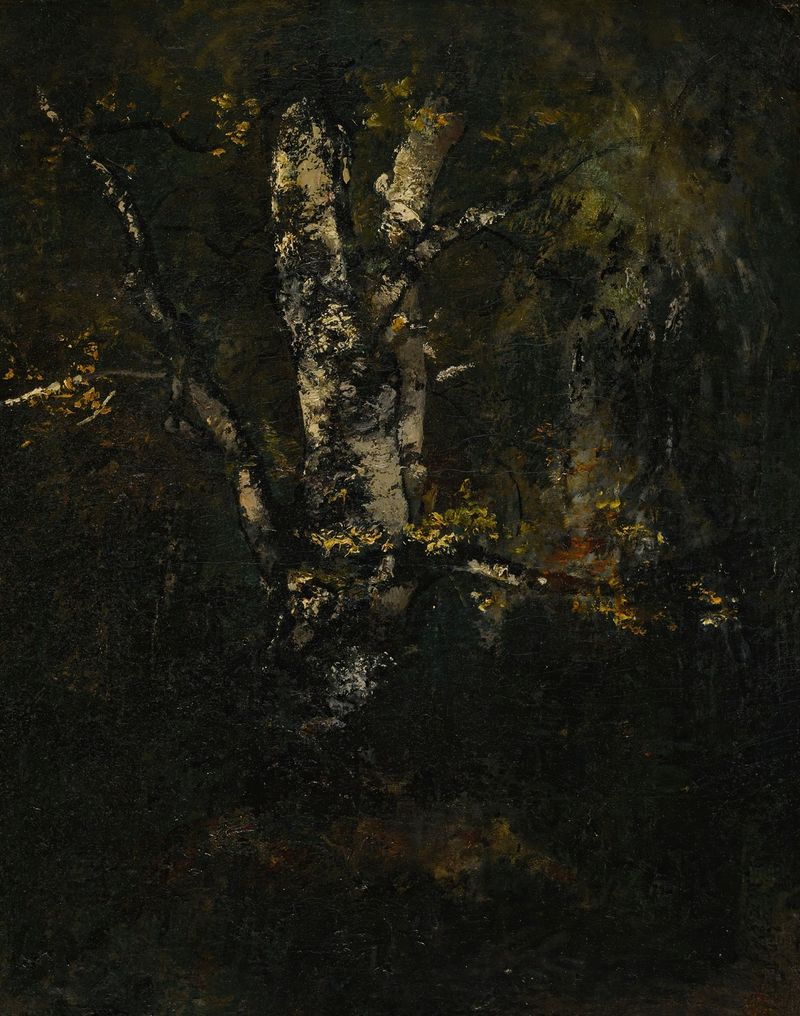
Vieux Troncs De Hêtres
Narcisse-Virgile Diaz de La Peña
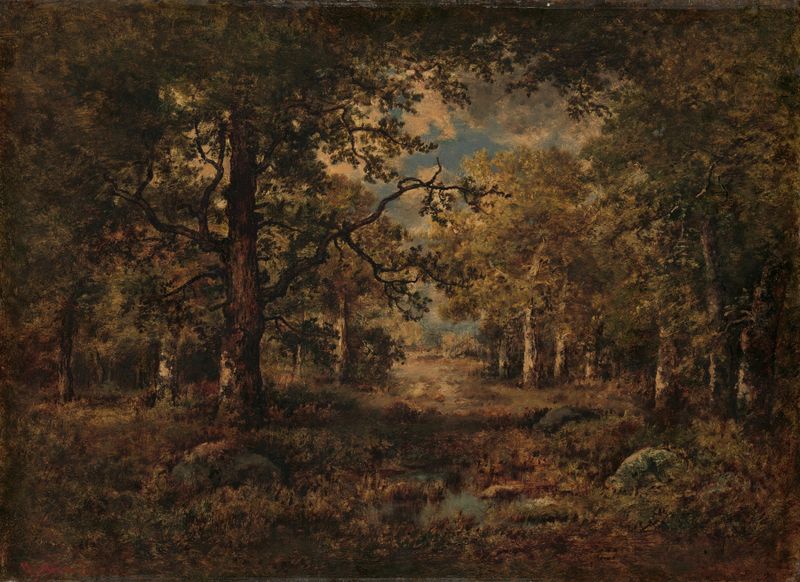
A Vista through Trees; Fontainebleau
Narcisse-Virgile Diaz de La Peña
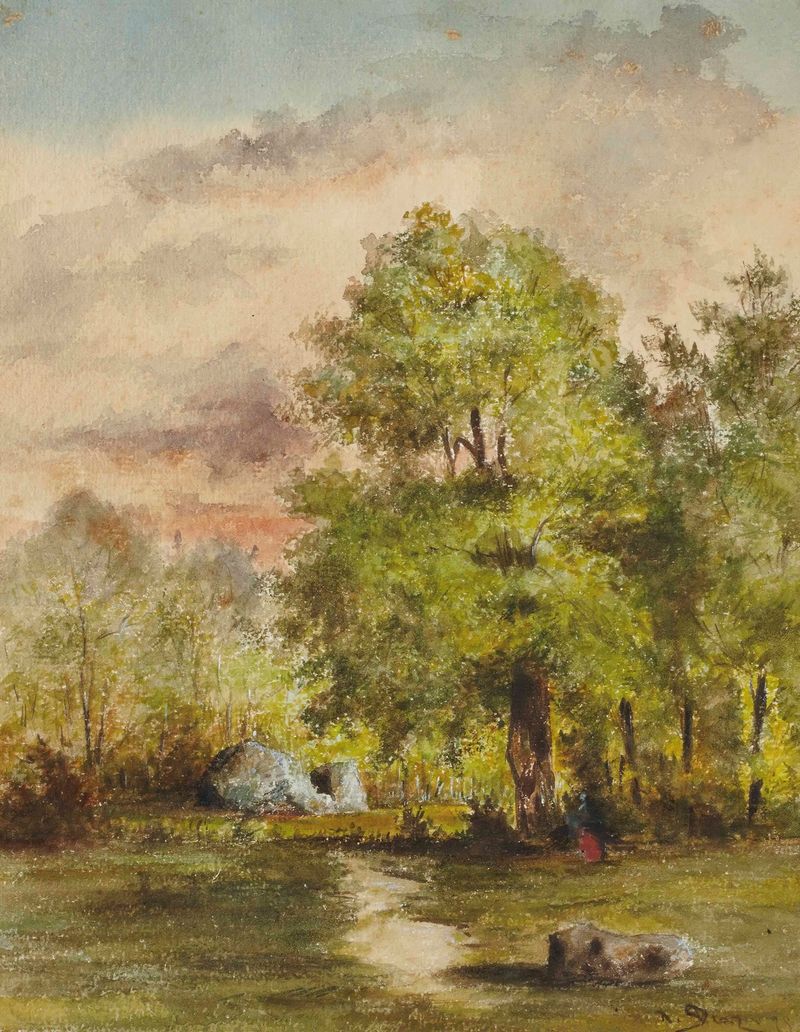
Vue d’une clairière
Narcisse-Virgile Diaz de La Peña

Pond in the Woods
Narcisse-Virgile Diaz de La Peña
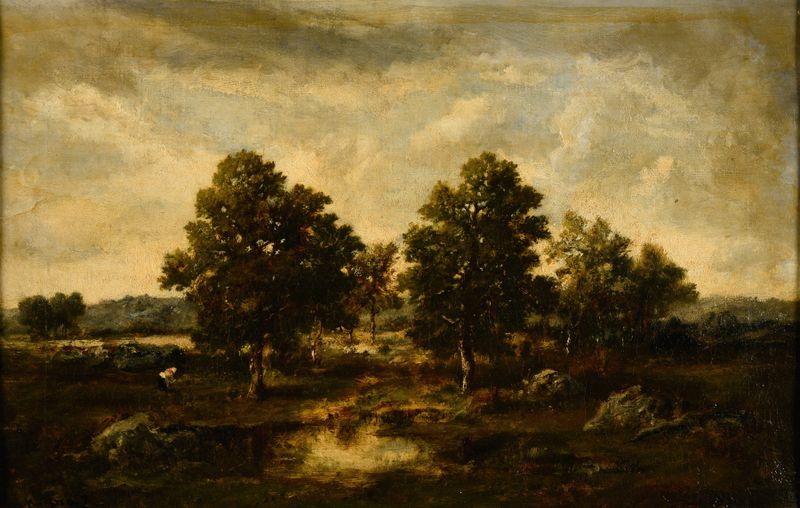
Mare dans une lande
Narcisse-Virgile Diaz de La Peña
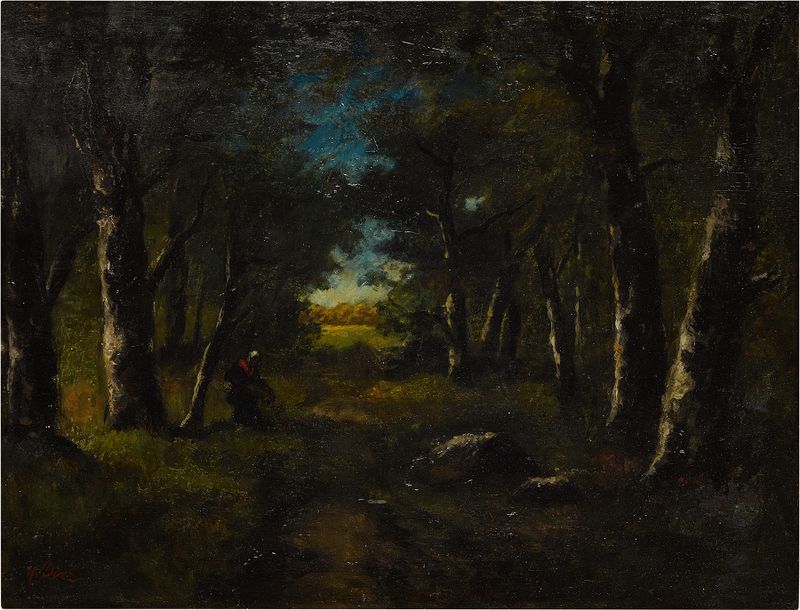
Foraging in the Forest
Narcisse-Virgile Diaz de La Peña
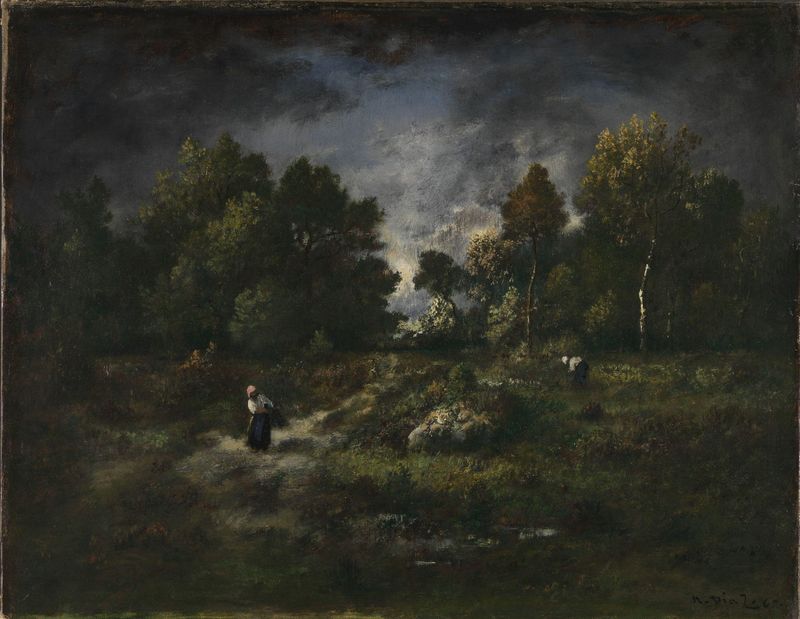
Faggot Gatherers in a Wooden Landscape
Narcisse-Virgile Diaz de La Peña
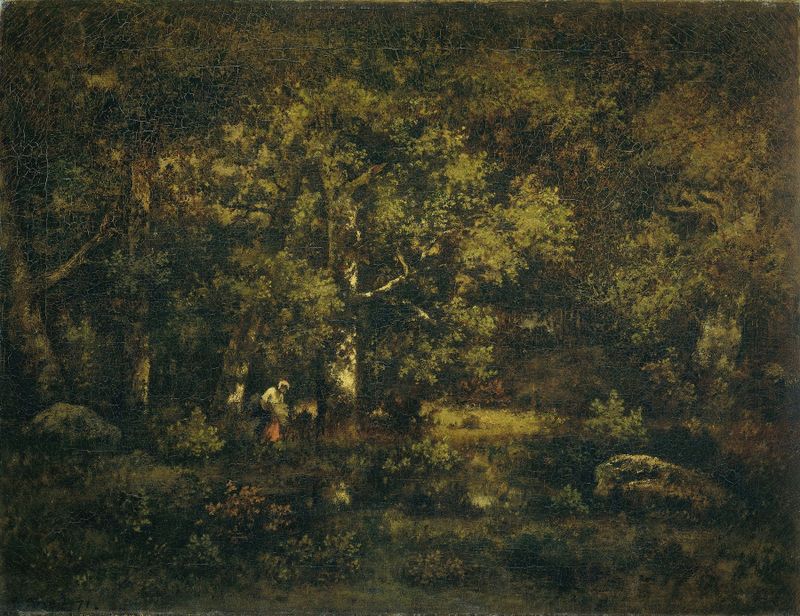
The Forest of Fontainebleau
Narcisse-Virgile Diaz de La Peña

Sous-bois
Narcisse-Virgile Diaz de La Peña





