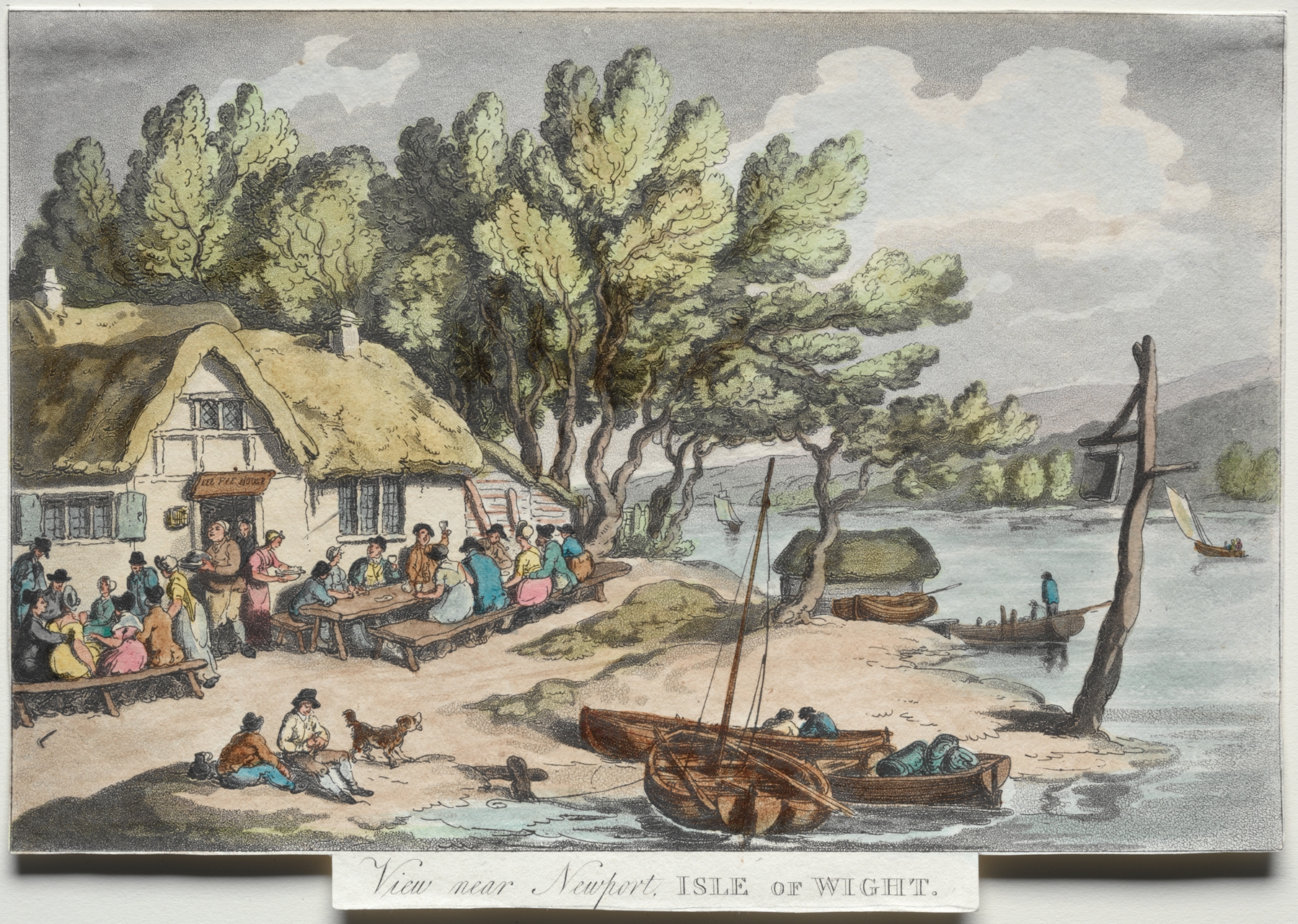
Clearing a Wreck on the North Coast of Cornwall — History & Analysis
“Sometimes beauty is just pain, disguised in gold.” The struggle between aspiration and reality plays out vividly in a moment captured on canvas, revealing the delicate balance between dreams and despair. Look to the center of the painting, where a group of figures labor tirelessly to clear the remnants of a wreck along the rugged North Coast. The dramatic cliffs loom over them, painted in earthy hues that contrast sharply with the sunlit waves lapping at the shore. Notice how the artist employs a palette of muted colors, punctuated by the glint of gold in the sunlight, highlighting the determination etched into the workers' faces and the weight of their task.
Hidden within this scene is a poignant commentary on hope amid ruin. The wreck symbolizes the fragility of human endeavor, while the persistent waves suggest the relentless passage of time. The juxtaposition of the tranquil sea and the chaos of labor encapsulates the tension between nature's beauty and the harsh realities of life — a delicate dance between dreams and the disarray they often bring.
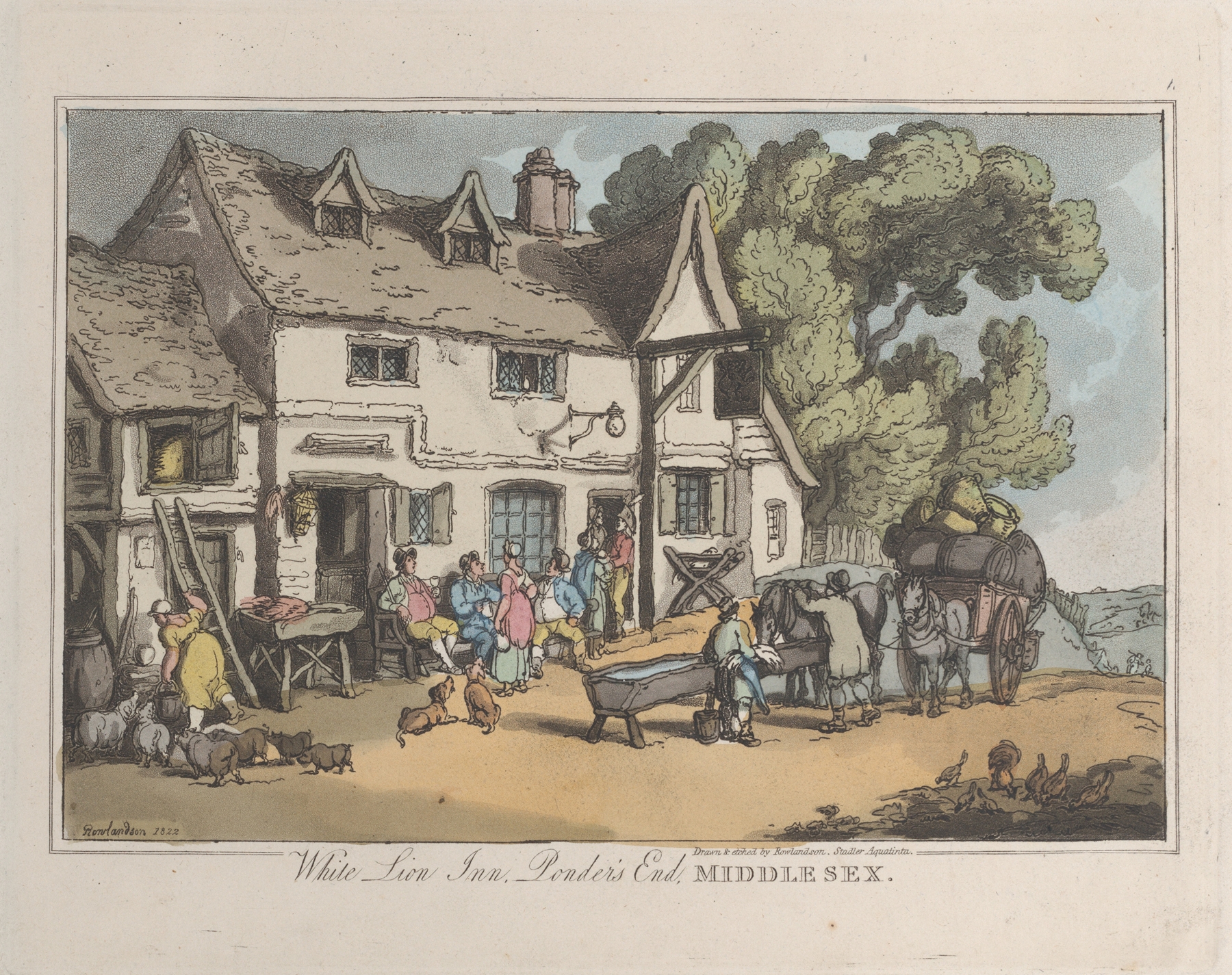
In 1822, Rowlandson painted this work during a period when the Romantic movement was flourishing, questioning the boundaries between nature and human emotion. He was in England, a time of both artistic exploration and social upheaval, as the Industrial Revolution reshaped the landscape. This painting reflects his keen observation of the human spirit, a poignant moment where resilience meets the unforgiving forces of nature.