Discover insights about this artwork
Clio and Pheme — History & Facts
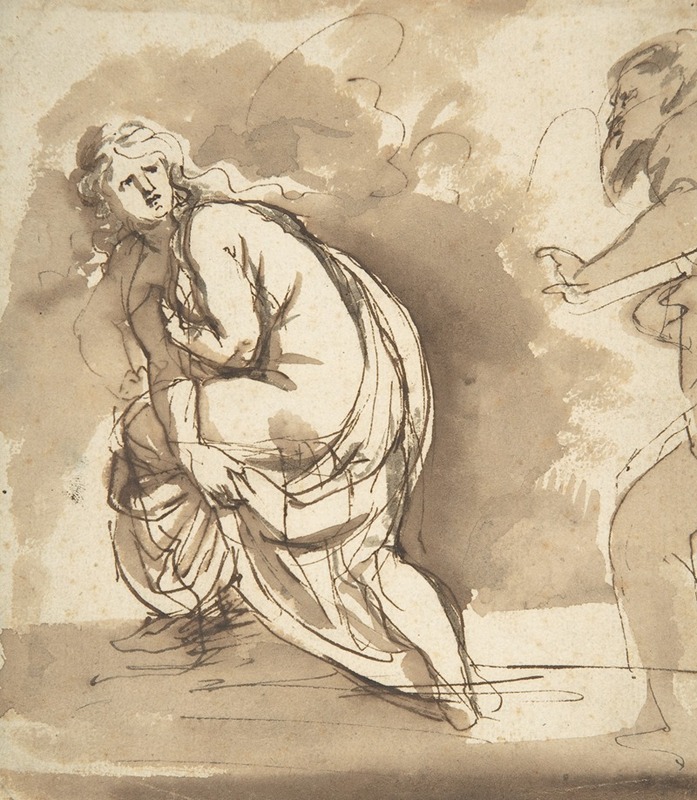
In Clio and Pheme, Nicolas Poussin presents two female figures, Clio, the muse of history, and Pheme, the personification of fame. The painting features a rich palette of colors, with warm earth tones contrasting with vibrant blues and whites. Clio is depicted holding a book, symbolizing history, while Pheme is shown with a trumpet, representing fame.
The background is a serene landscape that adds depth to the scene. The painting is executed in oil on canvas, showcasing Poussin's skill in creating texture and depth. The figures are rendered with careful attention to anatomy and drapery, typical of the Baroque style. Light plays a significant role, highlighting the contours of the figures and enhancing the overall composition.
Viewers can appreciate the meticulous brushwork and the harmonious arrangement of elements. Nicolas Poussin, a leading figure of the Baroque movement, often explored themes of mythology and history in his work. Clio and Pheme is notable for its allegorical representation of knowledge and recognition. Interestingly, this painting reflects Poussin's belief in the importance of history as a source of inspiration for art.
It is considered a significant example of his mature style and philosophical approach to painting.
More Artworks by Nicolas Poussin
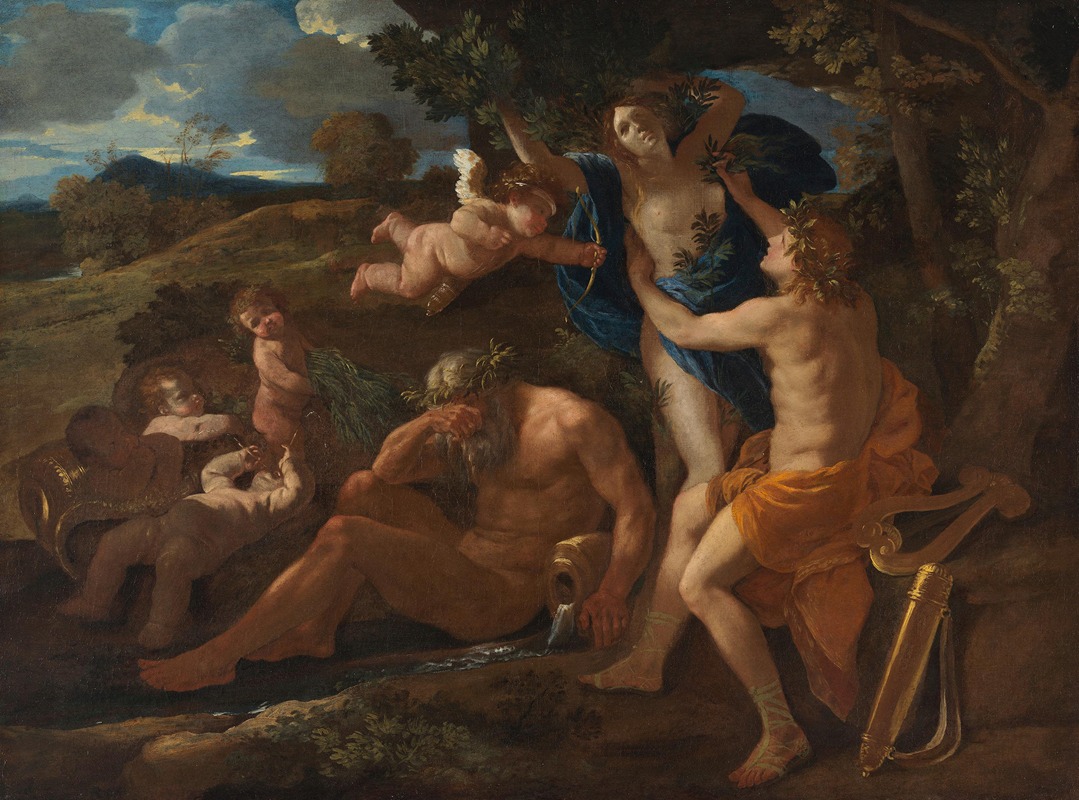
Apollo and Daphne
Nicolas Poussin
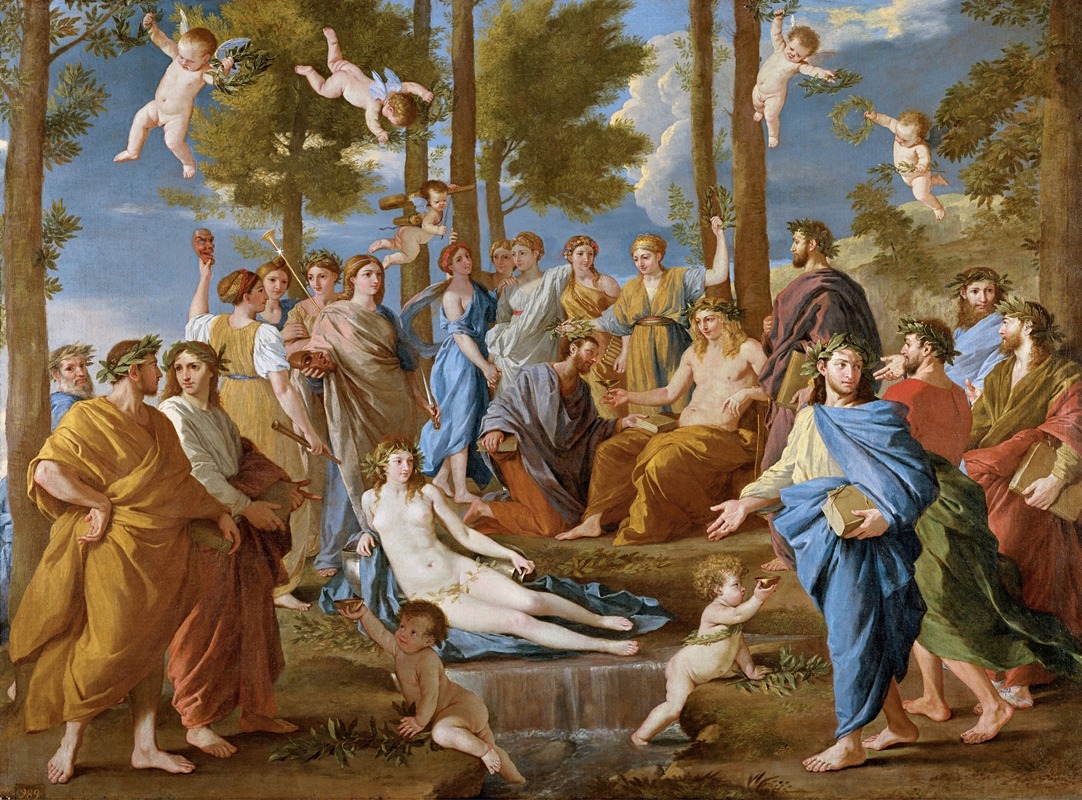
El Parnaso
Nicolas Poussin
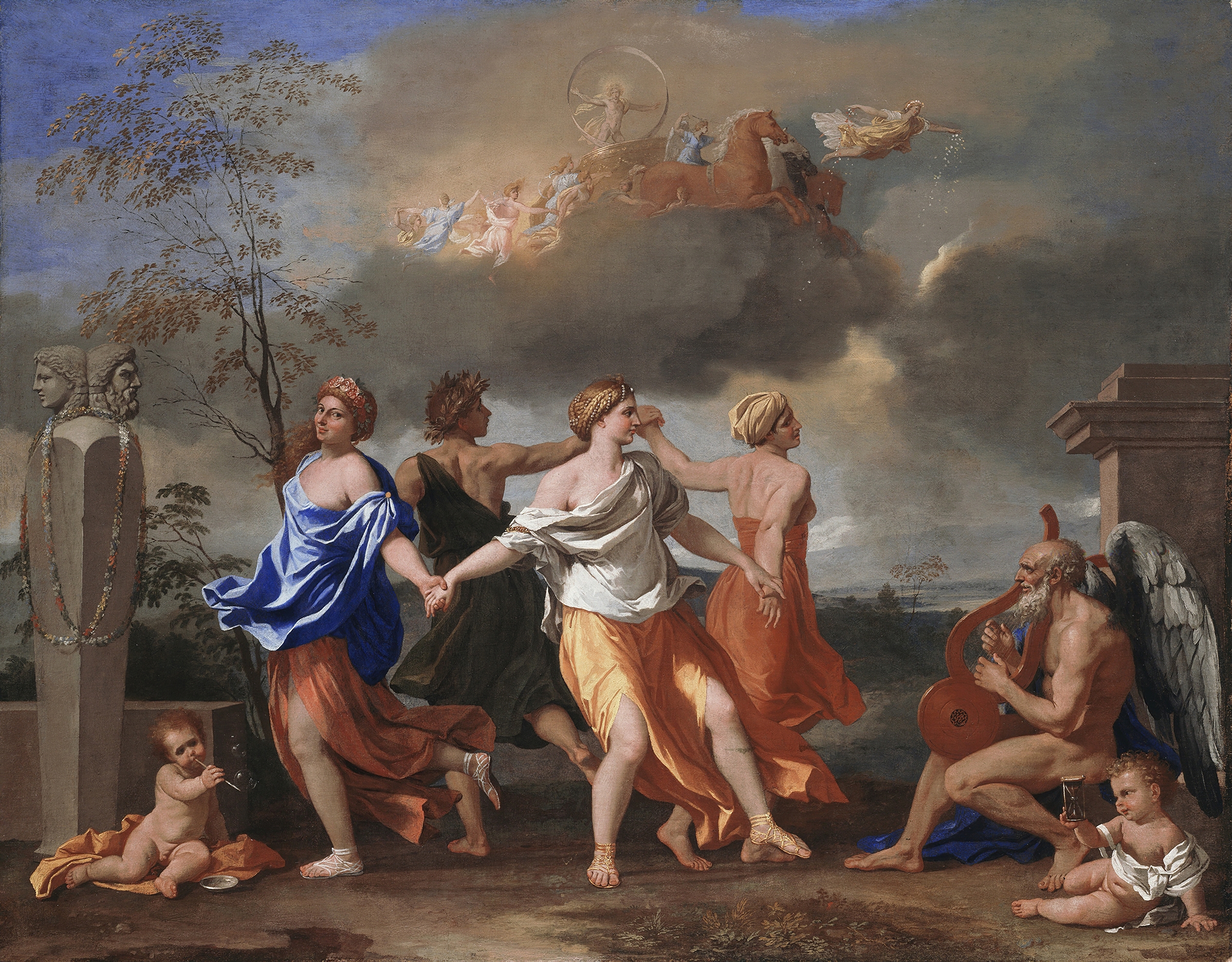
A Dance to the Music of Time
Nicolas Poussin
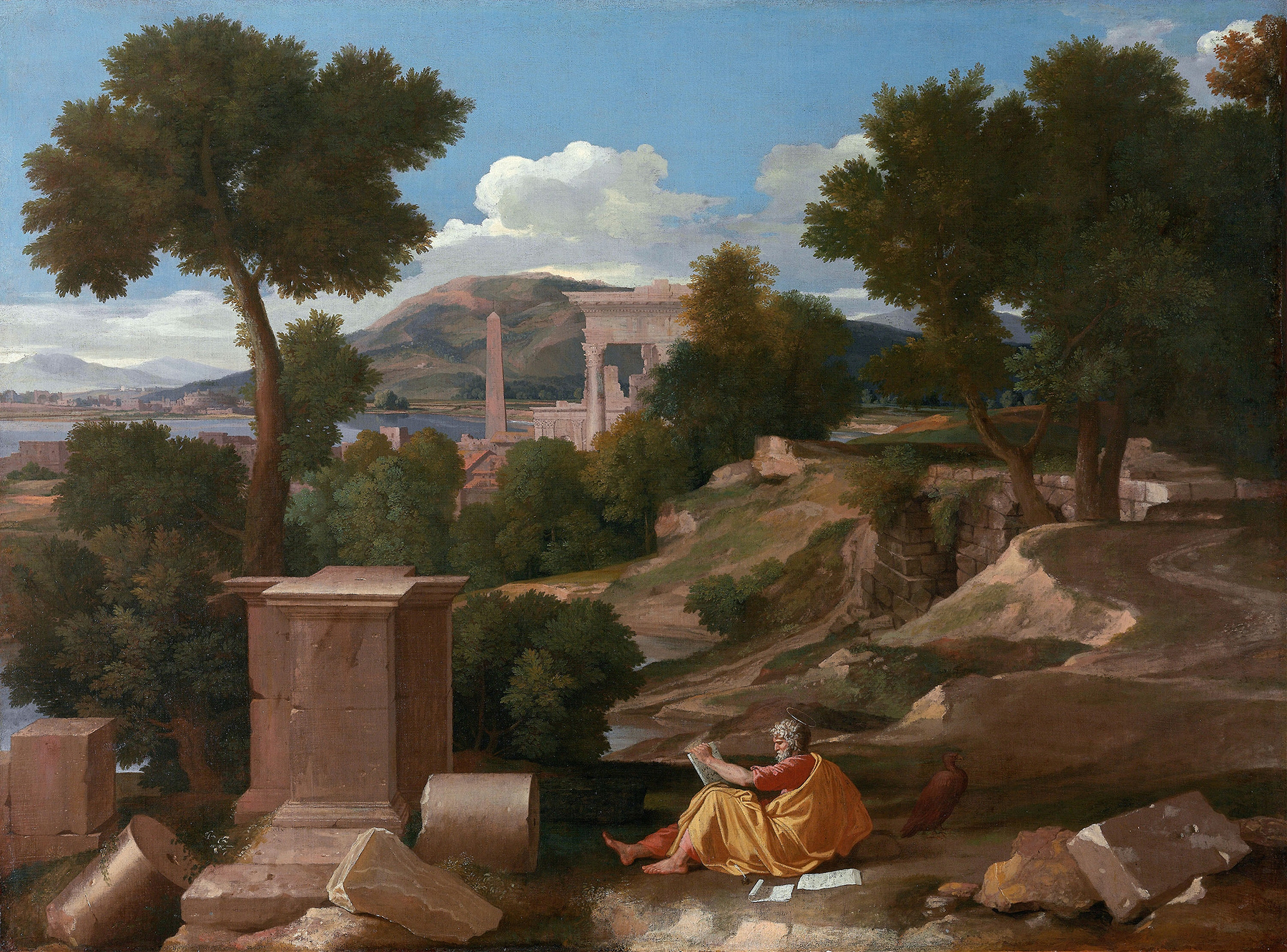
Landscape with Saint John on Patmos
Nicolas Poussin

Landscape with Saint John on Patmos
Nicolas Poussin
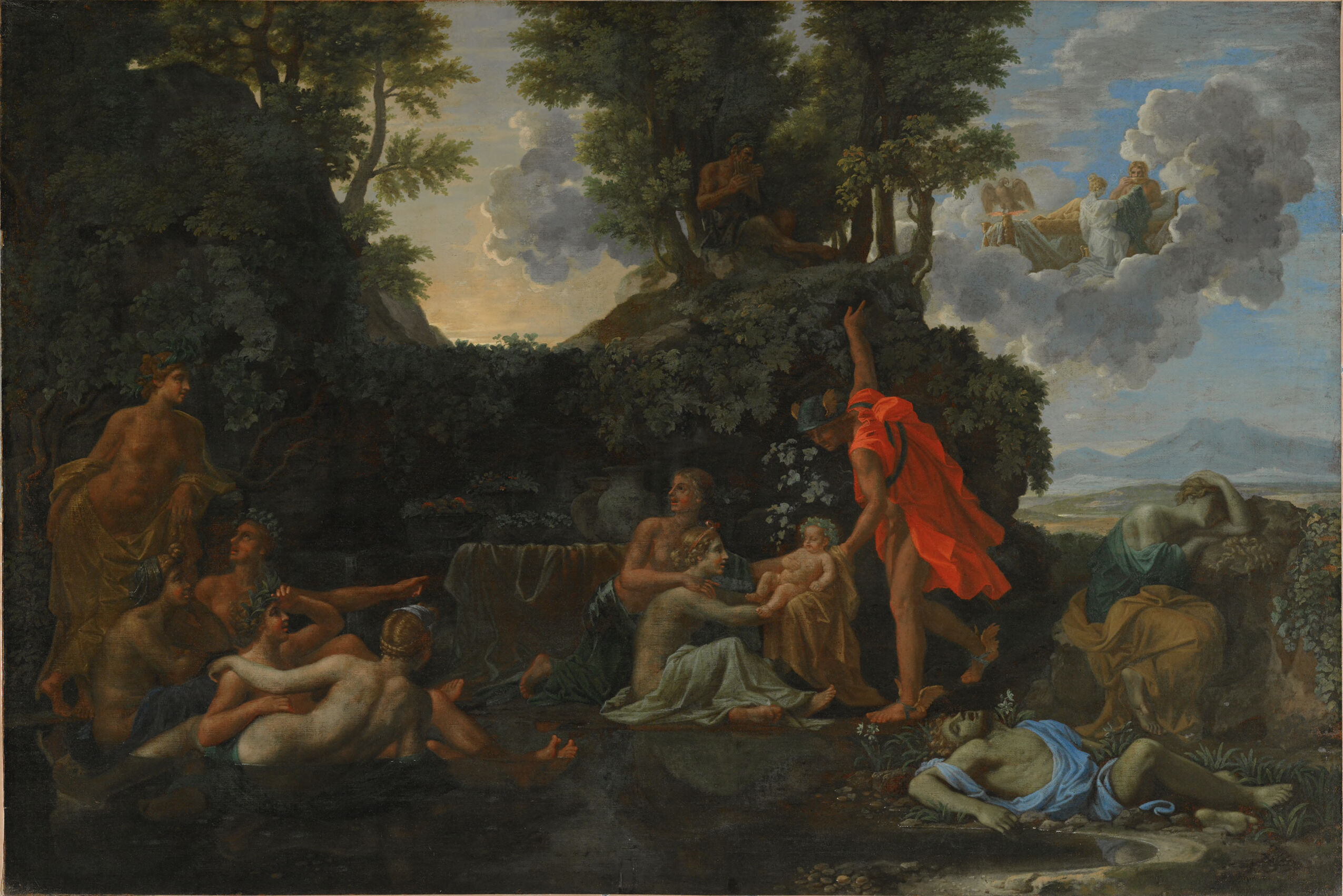
The Infant Bacchus Entrusted to the Nymphs of Nysa; The Death of Echo and Narcissus
Nicolas Poussin
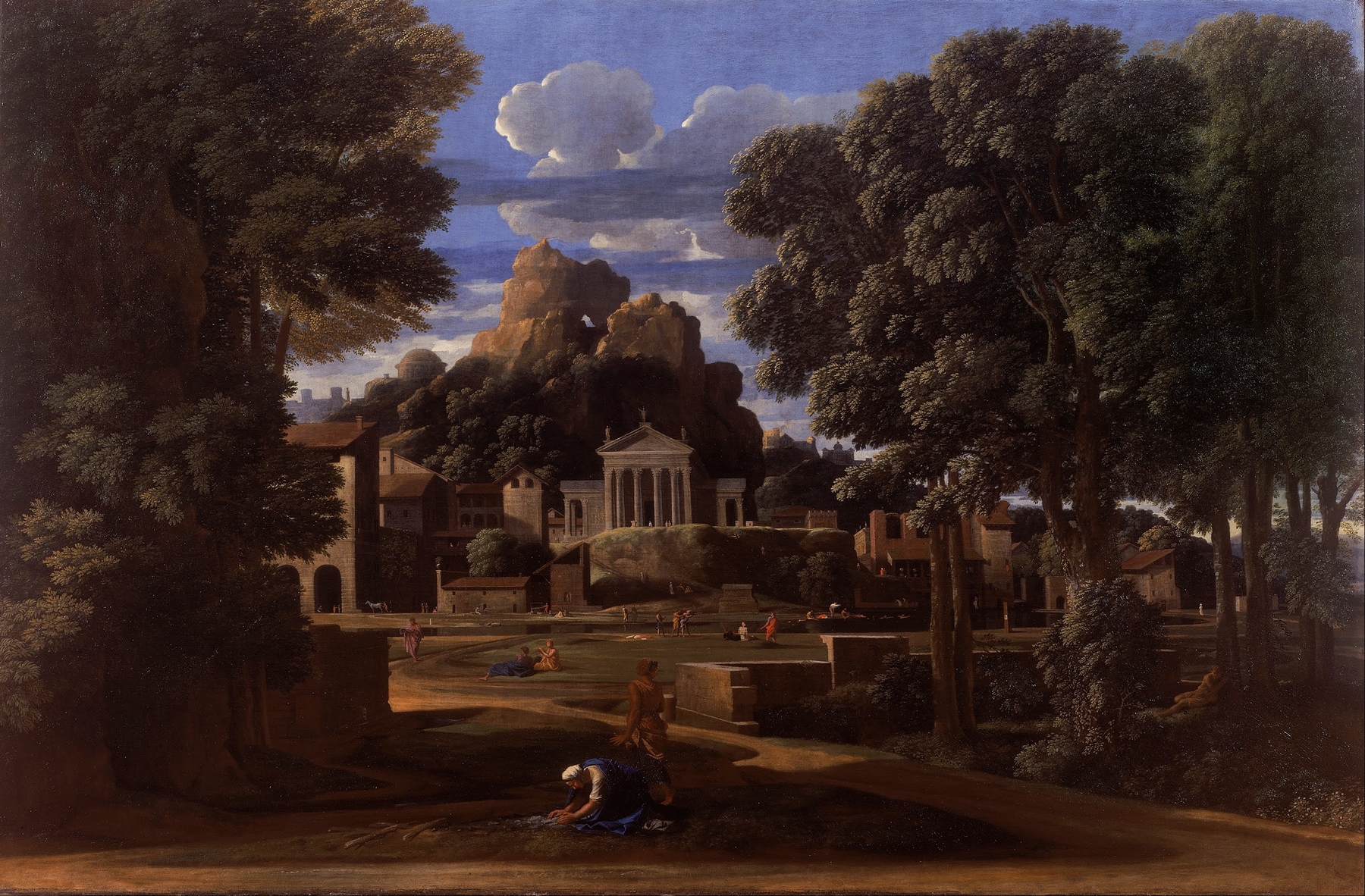
Landscape with the Ashes of Phocion
Nicolas Poussin
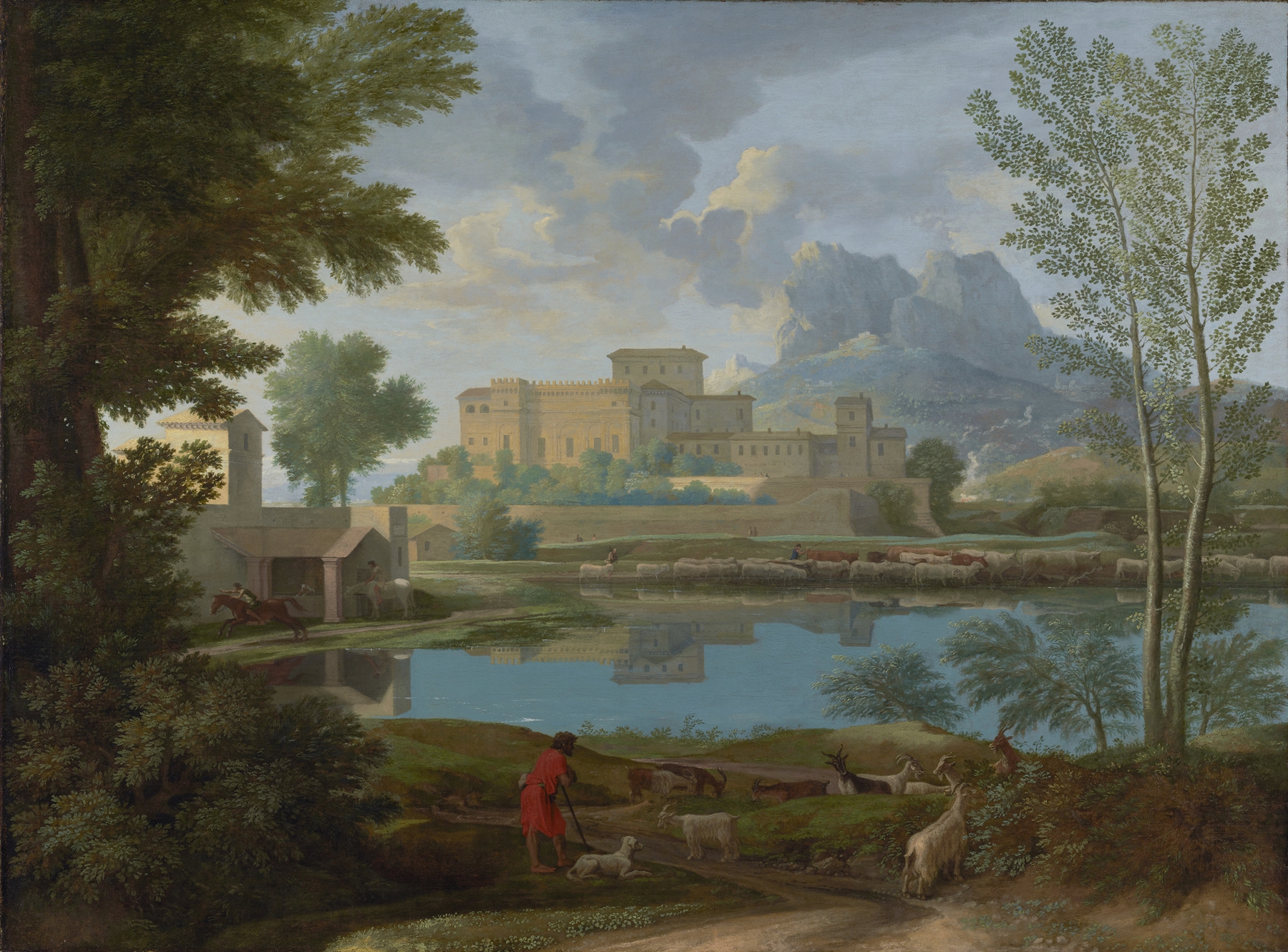
Landscape with a Calm
Nicolas Poussin
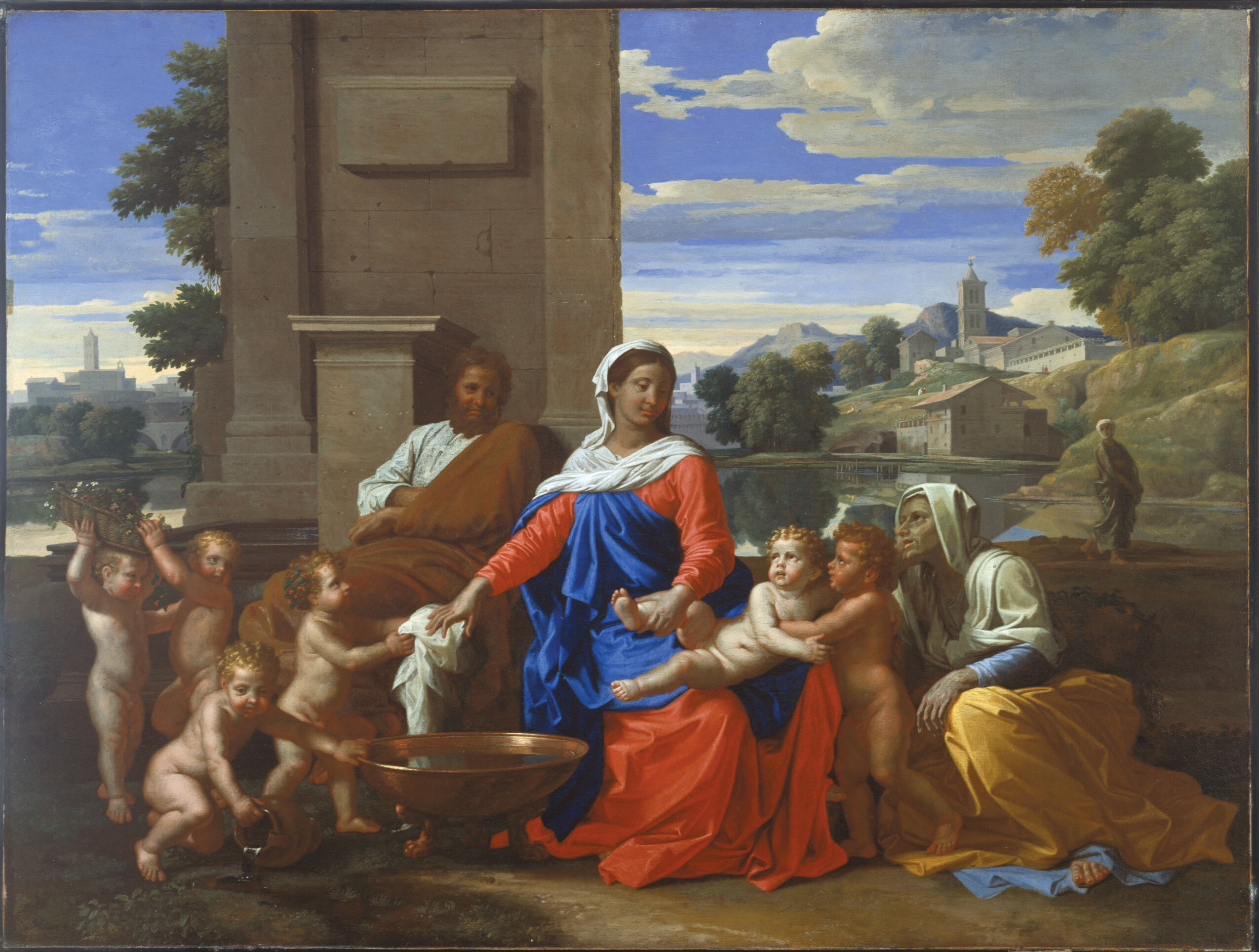
The Holy Family with the Infant Saint John the Baptist and Saint Elizabeth
Nicolas Poussin
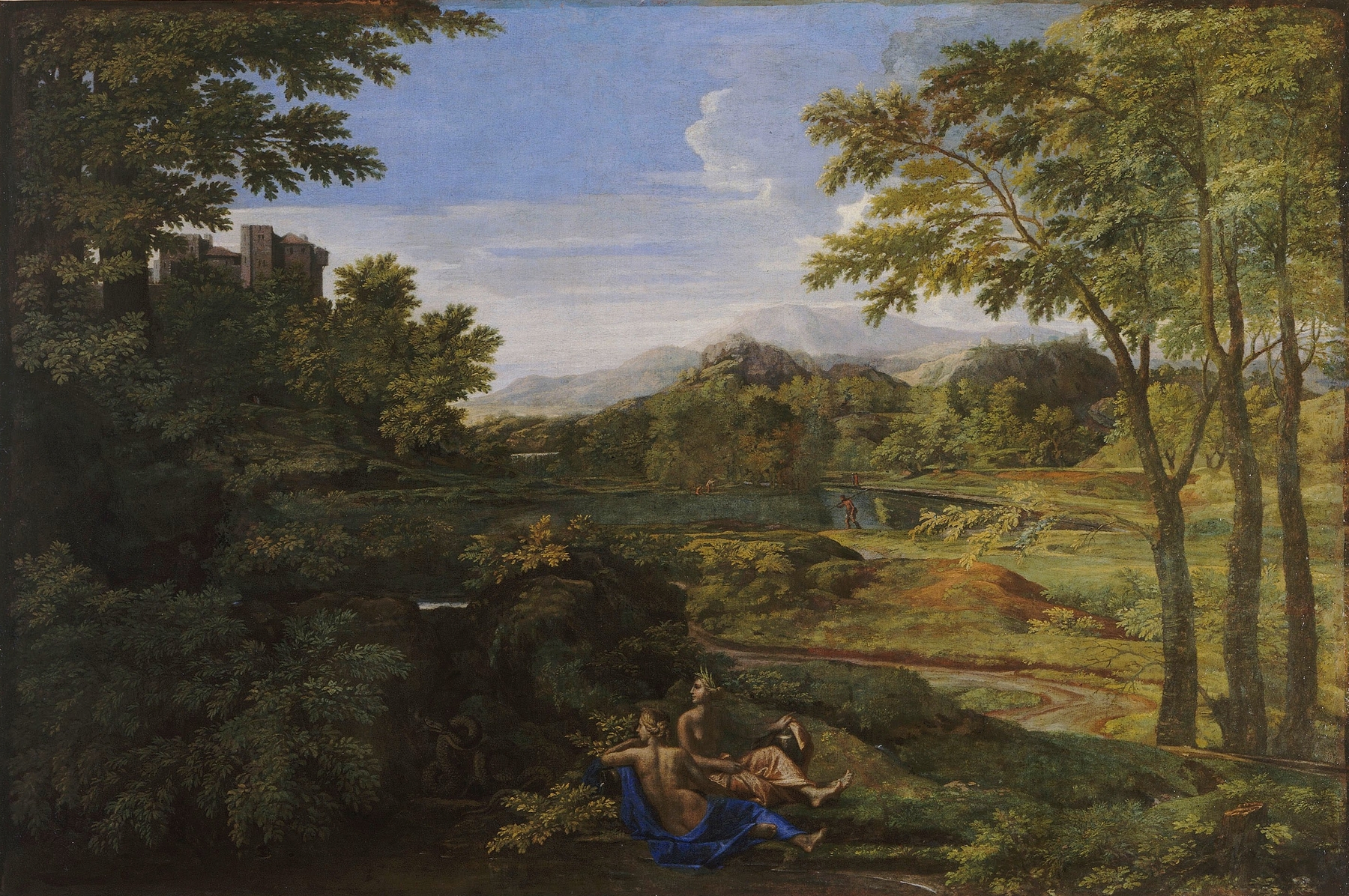
Paysage avec deux nymphes et un serpent
Nicolas Poussin