
Cock and Hens in a Landscape — History & Facts
What holds the gaze here is not just the proud rooster, but the quiet, layered drama of barnyard life unfolding beneath a vast, golden sky. The rooster’s upright stance and sharp, direct stare command the foreground, his feathers catching the light in a way that makes him both sentinel and monarch. Around him, hens cluster in various attitudes of rest and alertness—one nestles low to the ground, another cranes her neck, a third pecks at the earth—while chicks scuttle at their feet, their tiny forms animated by curiosity.
The light, warm and low, glances off feathers and straw, drawing the eye from the rooster’s crown to the scattered brood, then out to the soft horizon. The palette is earthy and natural, with ochres and browns anchoring the scene in a world both familiar and quietly dignified. Painted in 1651, Cock and Hens in a Landscape by Aelbert Cuyp belongs to a Dutch tradition that found grandeur in the everyday. In the mid-seventeenth century, such scenes were prized by prosperous townspeople eager to celebrate the rhythms of rural life and the prosperity it represented.
The Mauritshuis collection, where this work now resides, preserves it as a window into that world—a world where the humble barnyard could be rendered with as much care as a royal portrait. Little is recorded about the specific journey of this painting, but its survival speaks to the enduring appeal of such scenes. Look again at the rooster’s eye: in it, you may find the quiet pride of an era that saw beauty in the ordinary.
More Artworks by Aelbert Cuyp

The Maas at Dordrecht
Aelbert Cuyp
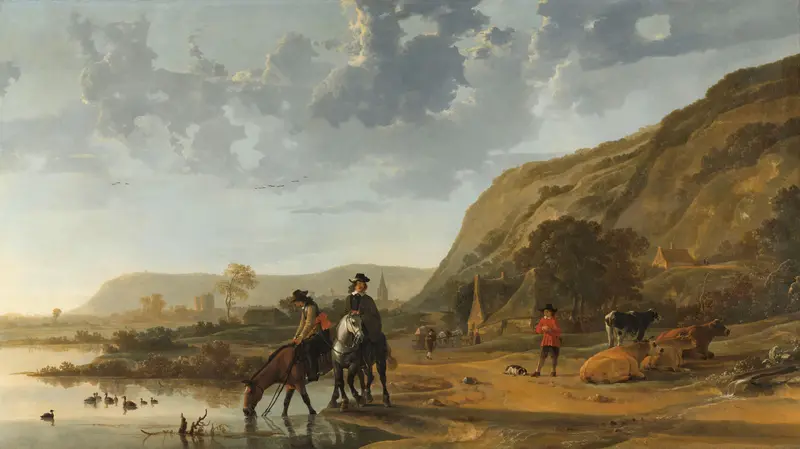
River Landscape with Riders
Aelbert Cuyp

The Maas at Dordrecht
Aelbert Cuyp
Gezicht op Dordrecht
Aelbert Cuyp
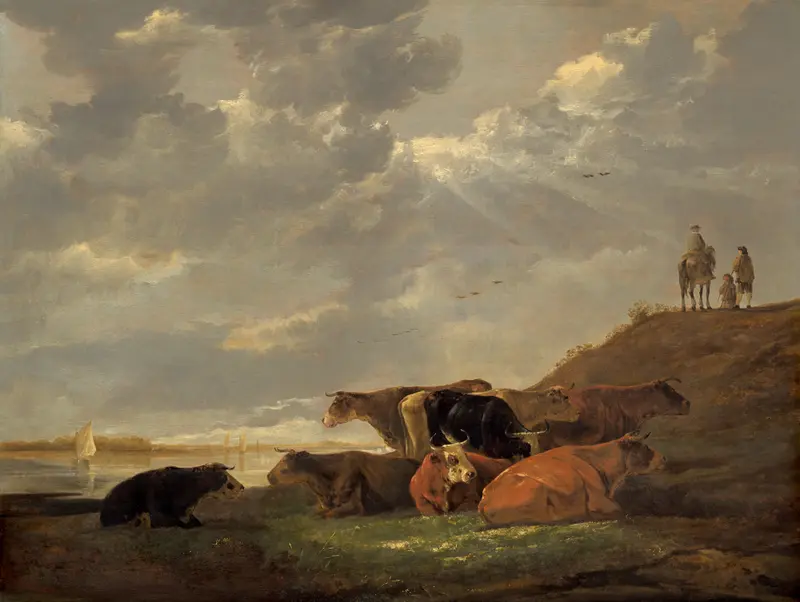
River Landscape with Cows
Aelbert Cuyp
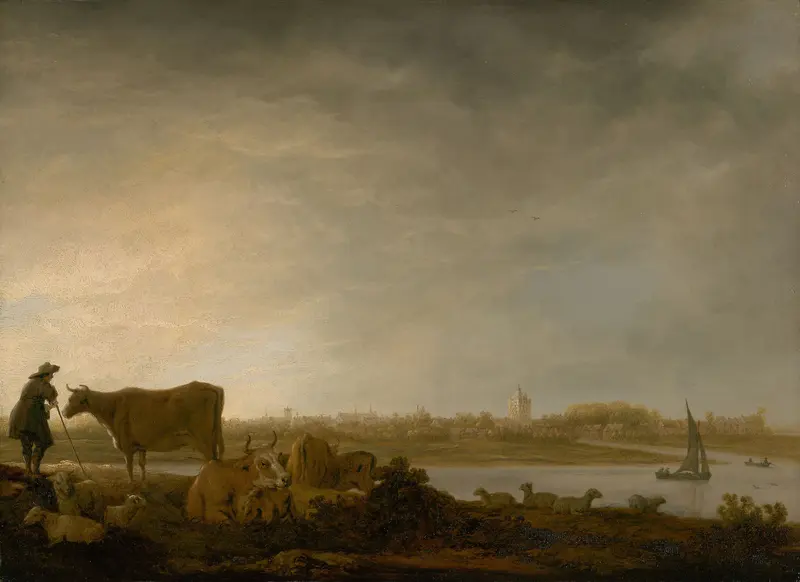
A View of Vianen with a Herdsman and Cattle by a River
Aelbert Cuyp
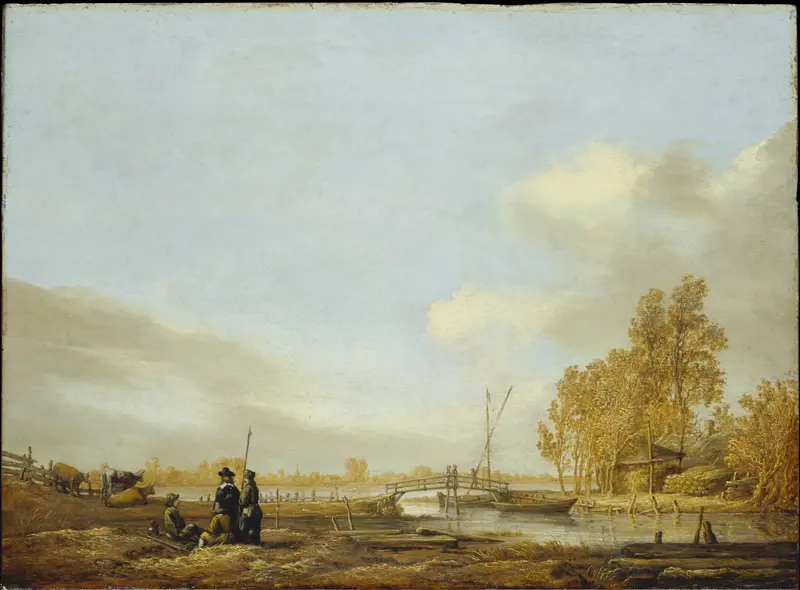
River Landscape with Footbridge
Aelbert Cuyp
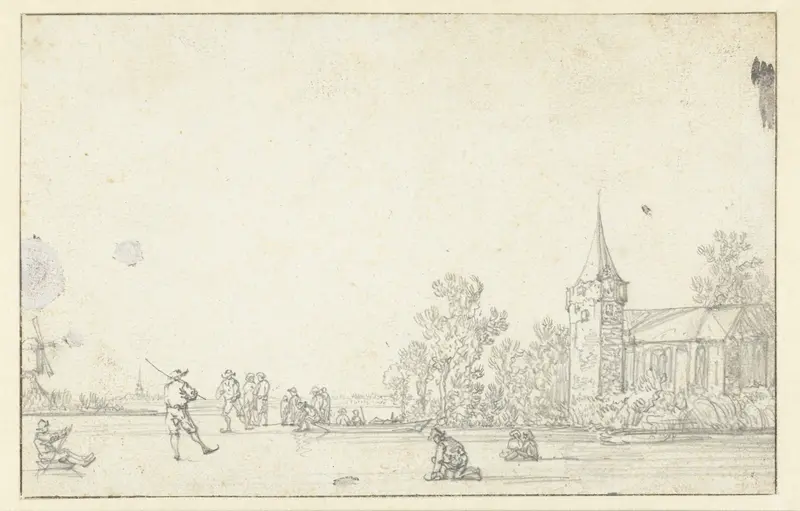
Bevroren rivier met schaatsers bij een kerk
Aelbert Cuyp

Cattle near a River
Aelbert Cuyp
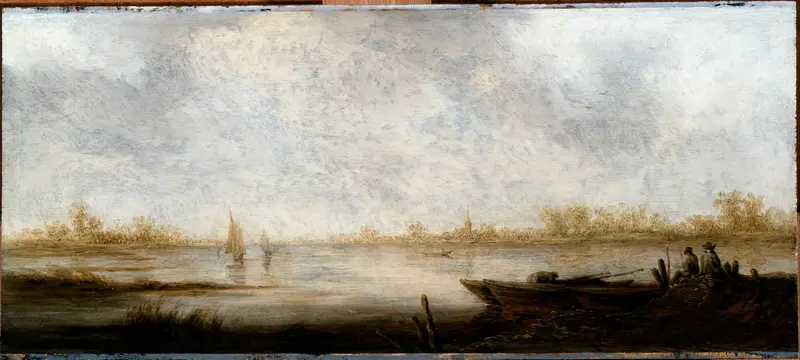
River Landscape
Aelbert Cuyp





