
Collatinus en Brutus bij de stervende Lucretia — History & Facts
What if silence could speak through light? A moment frozen in grief, where the weight of loss hangs palpably in the air, echoing the unuttered sorrow of its figures. Focus on the center of the composition, where the anguished Lucretia lies, her pale skin illuminated by a soft yet haunting light. Notice how the somber tones of her garments contrast sharply with her ethereal pallor, drawing your gaze and conveying her tragic fate. The positioning of Collatinus and Brutus, flanking her, creates a triangle of tension, their expressions a mix of despair and resolve, hinting at the painful choices that lie ahead. The interplay of light and shadow serves as a silent commentary on the emotional turmoil enveloping the trio.
The delicate curl of Lucretia's fingers, almost reaching out for salvation, starkly contrasts with Brutus's clenched fist, symbolizing the dichotomy between personal anguish and political duty. Each figure embodies a different response to loss: resignation, rage, and the weight of expectation, woven together in a fabric of palpable grief. Georg Pencz painted this poignant scene between 1546 and 1547, during a period marked by introspection in the Northern Renaissance. Influenced by the tumult of Reformation thought, he sought to capture the human experience's complexity, merging classical themes with contemporary sensibilities.
At this time, artists began to focus more on emotional depth, making this work a significant reflection of Pencz’s world and his personal struggles with the themes of honor and sacrifice.
More Artworks by Georg Pencz
Browse all →
Parabel van de zaaier
Georg Pencz

Parabel van de arbeiders in de wijngaard
Georg Pencz
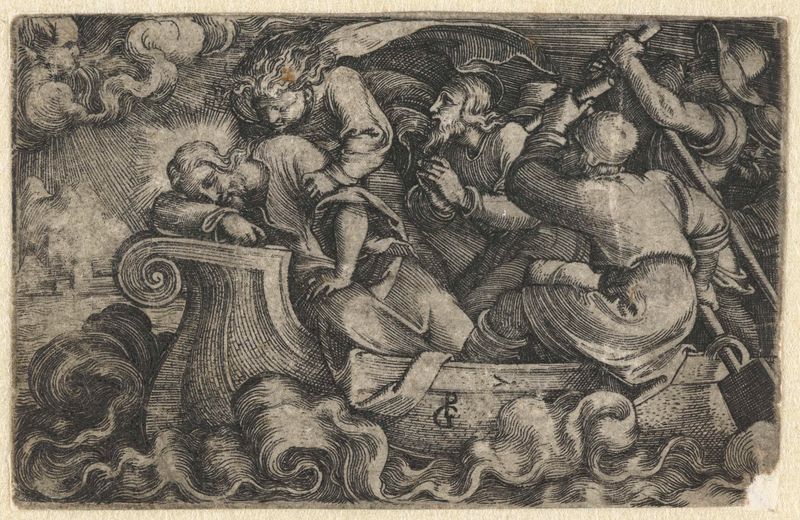
Discipelen wekken slapende Christus tijdens storm op Meer van Galilea
Georg Pencz

Afgunst (Invidia)
Georg Pencz
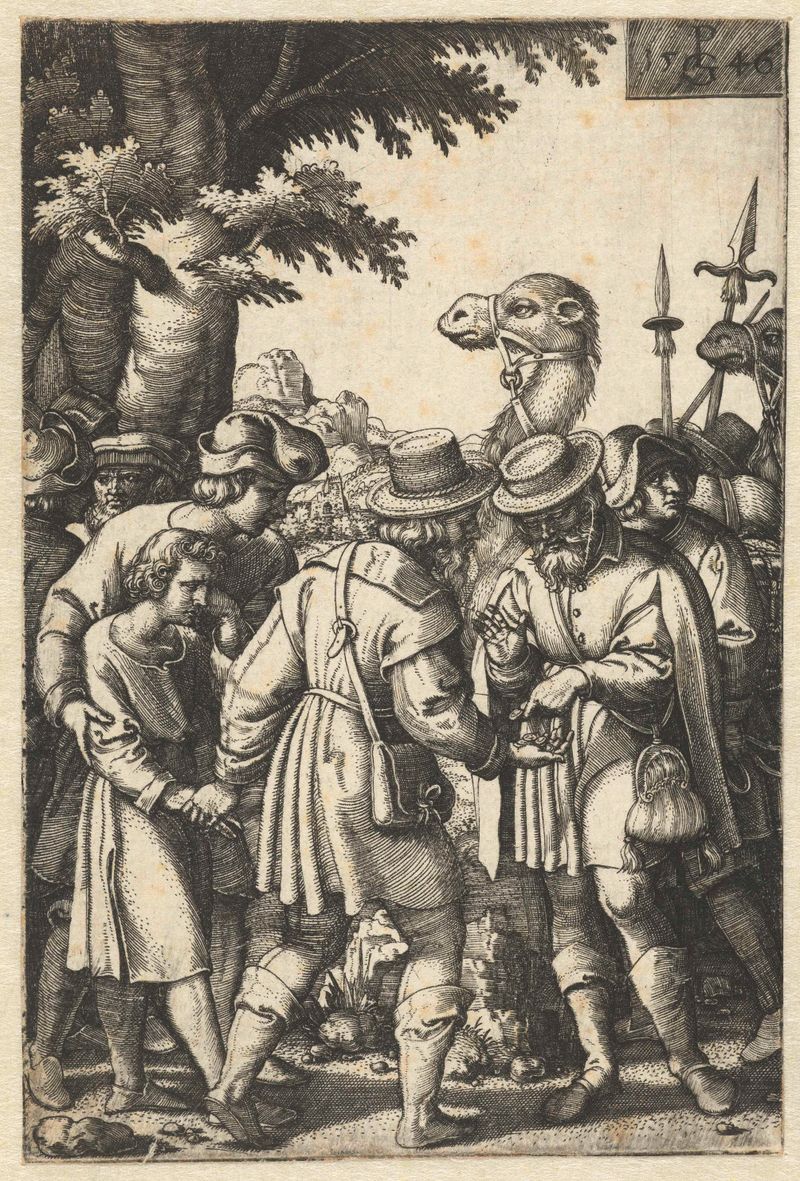
Jozef wordt verkocht aan kooplieden op weg naar Egypte
Georg Pencz

Aanbidding der koningen
Georg Pencz
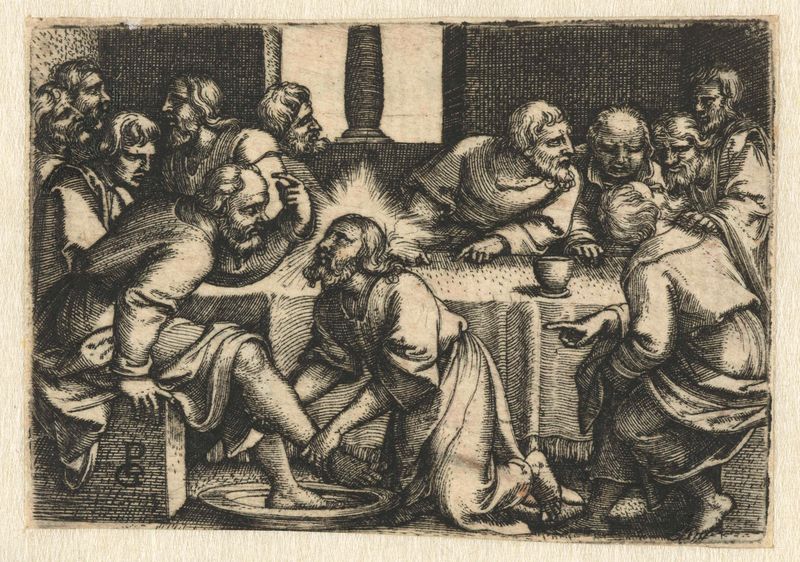
Petrus protesteert als Christus zijn voeten wast
Georg Pencz
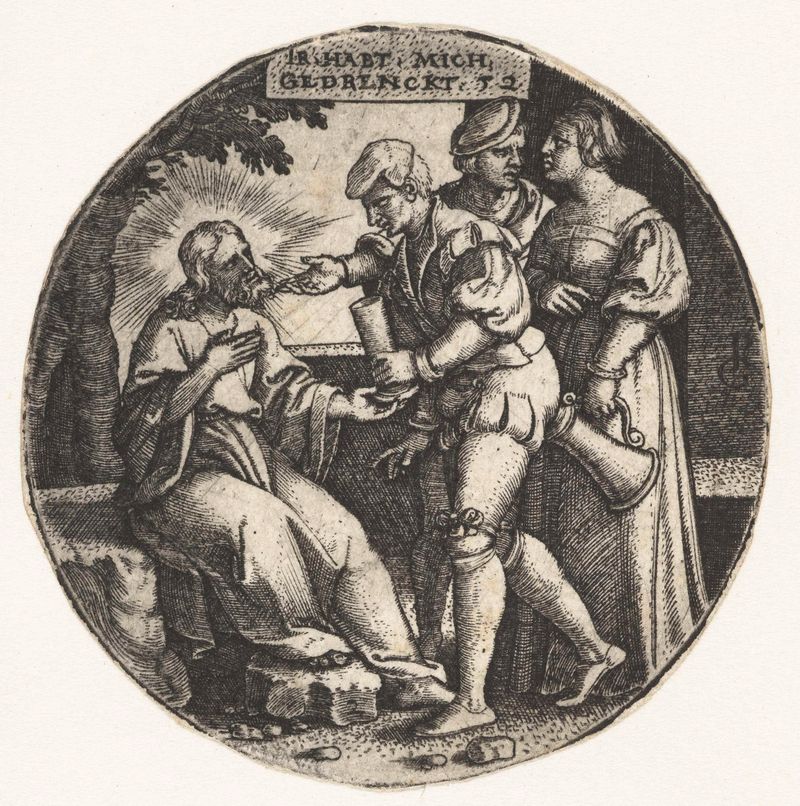
Christus heeft dorst en krijgt drinken aangeboden
Georg Pencz
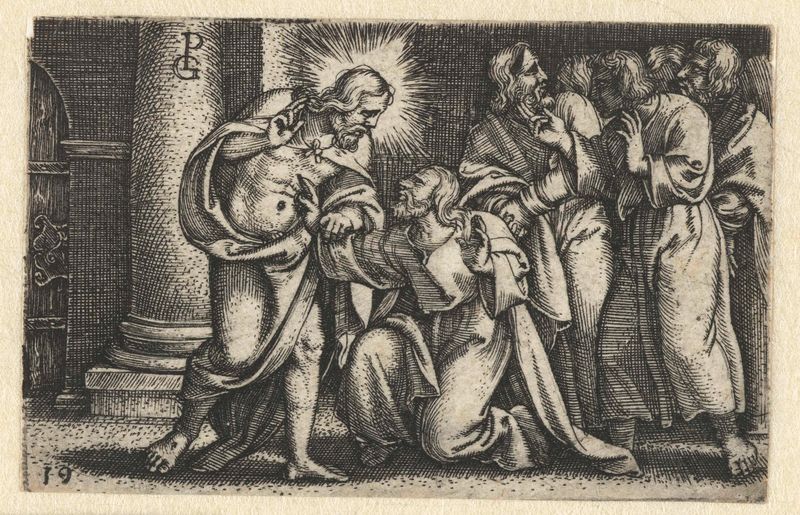
Ongelovige Thomas raakt wonden Christus aan
Georg Pencz

Offer van Abraham van Isaak
Georg Pencz
More Historical Art
Browse all →
The Night Watch Militia Company of District II under the Command of Captain Frans Banninck Cocq
Rembrandt van Rijn
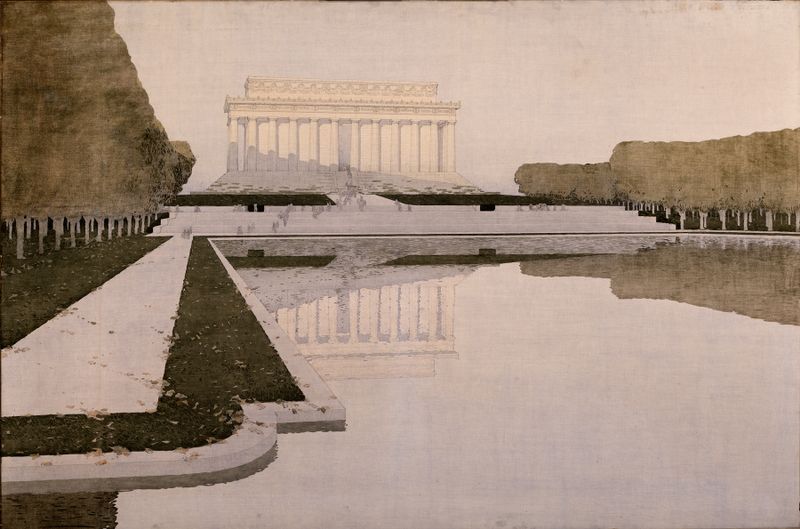
Lincoln Memorial
Henry Bacon
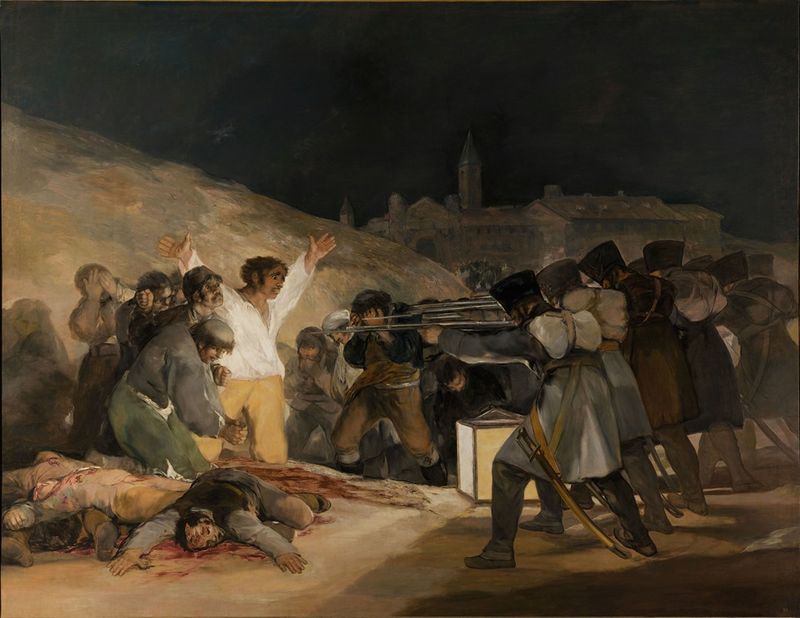
The Third of May 1808
Francisco de Goya

Isaac and Rebecca, Known as ‘The Jewish Bride’
Rembrandt van Rijn
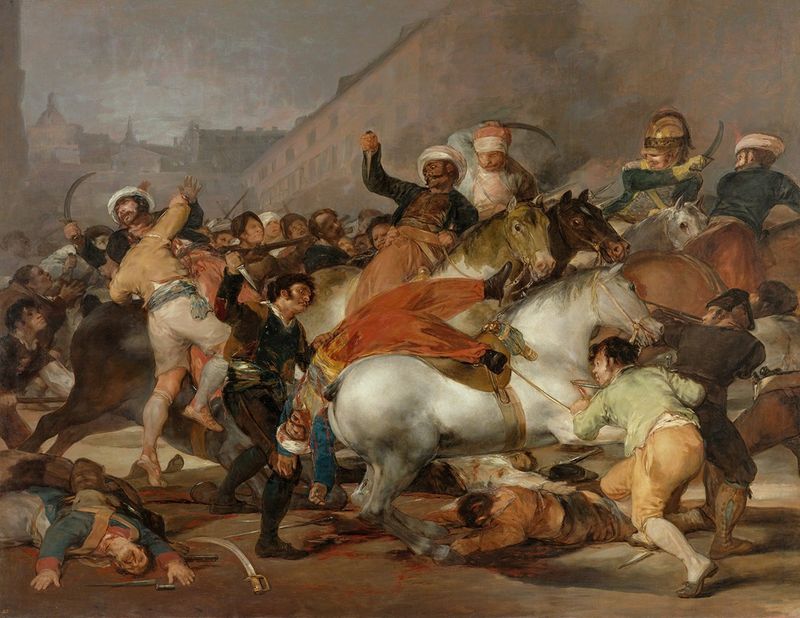
The Charge of the Mamelukes (1814)
Francisco de Goya

De vier ruiters van de apocalyps
Albrecht Dürer