
Colosseum — History & Facts
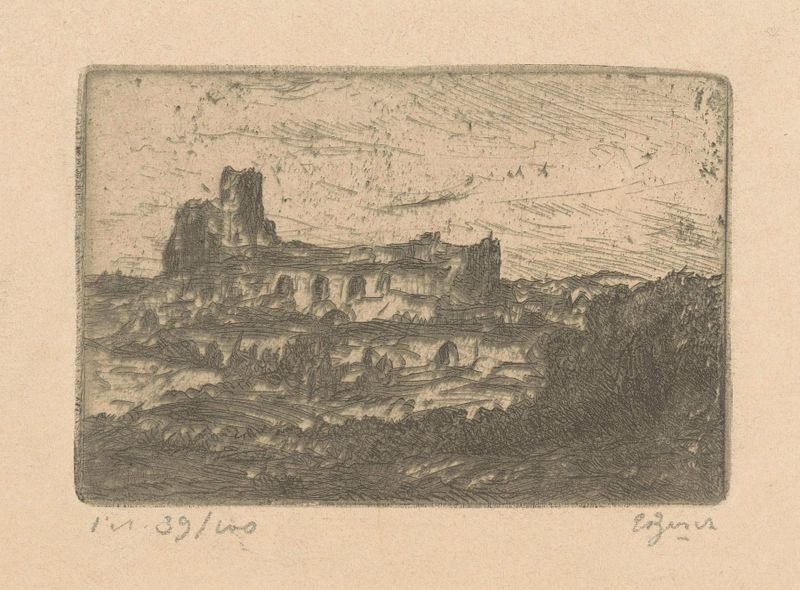
Can beauty exist without sorrow? In Etienne Bosch's Colosseum, the answer lingers in the air like a whisper in the ruins of time, inviting contemplation on the intertwining of grandeur and decay. Focus on the towering arches, their once-mighty forms etched against the azure sky. The warm ochres and rich terracotta hues breathe life into the stone, where shadows deepen the recesses and highlight the weathered textures. Notice the delicate interplay of light as it dances across the façade, illuminating the intricate carvings that tell stories of a bygone era.
Each archway frames a glimpse into history, drawing the eye into the heart of the composition, inviting the viewer to wander through its silent corridors. Yet beneath this majestic beauty lies a profound contrast—the juxtaposition of the Colosseum's regal past with its present state of ruin. Each cracked stone echoes with the laughter and cries of the crowds that once filled the arena, creating a poignant reminder of fleeting glory. The work encapsulates not just the physical structure but the emotional weight of lost grandeur, revealing the layers of truth that resonate with every glance.
This duality of splendor and sorrow permeates the canvas, evoking a sense of reverence for what once was. Bosch painted Colosseum during a period marked by artistic exploration and a fascination with historical subjects, spanning the late 19th to early 20th century. Living in Paris amidst a thriving art community, he sought to capture the essence of iconic landmarks, reflecting a broader cultural interest in archaeology and the romanticism of the past. This masterpiece serves not only as a testament to the architectural wonder but also as a meditation on the passage of time and the truths hidden within the remnants of history.
More Artworks by Etienne Bosch
Browse all →
Gezicht op de achterkant van de Notre Dame in Parijs Notre Dame
Etienne Bosch
Venetië
Etienne Bosch

Amsterdamse poort te Haarlem
Etienne Bosch

Le Palatin Rome
Etienne Bosch

Landschap bij Rome
Etienne Bosch
Boerenwoning
Etienne Bosch

Scheveningen
Etienne Bosch
Ruïne Rome
Etienne Bosch
Ruelle, Rome
Etienne Bosch
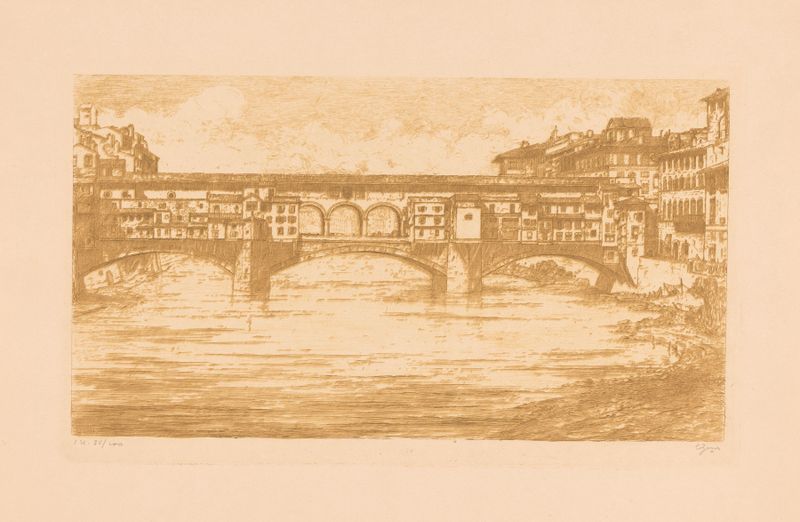
Ponte Vecchio in Florence
Etienne Bosch
More Architecture Art
Browse all →
The statue of Liberty
Frédéric Auguste Bartholdi

View of Houses in Delft, Known as ‘The Little Street’
Johannes Vermeer

View of Houses in Delft, Known as ‘The Little Street’
Johannes Vermeer

The Cathedral in Rouen. The portal, Grey Weather
Claude Monet

The yellow house
Vincent van Gogh

The Church in Auvers-sur-Oise, View from the Chevet
Vincent van Gogh