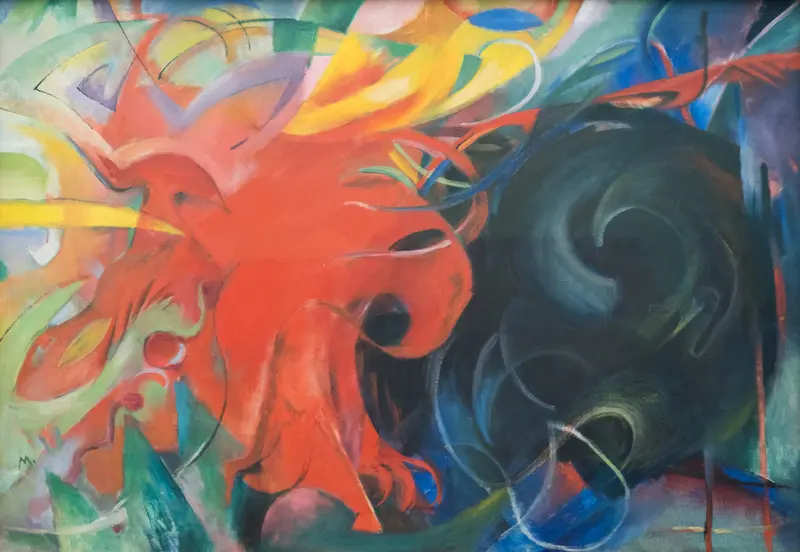
Composition with spinning top — History & Facts
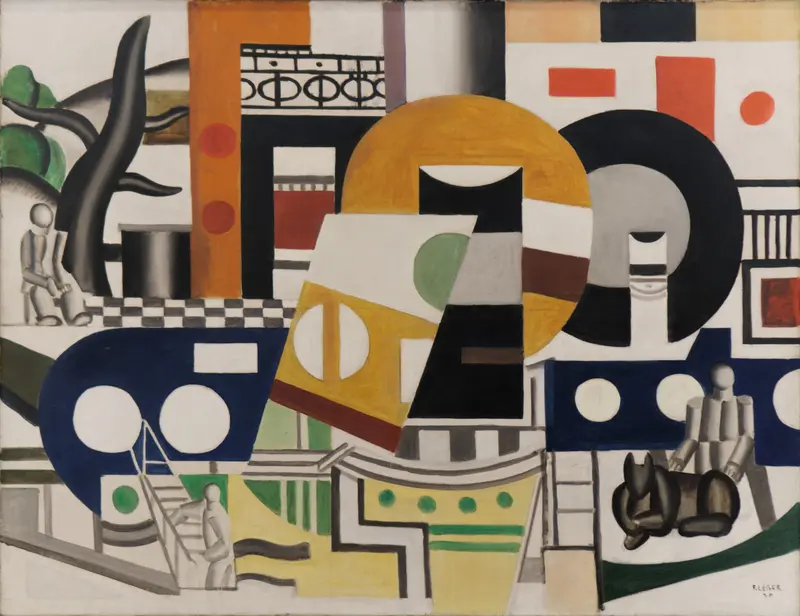
A spinning top, frozen mid-whirl, anchors the eye at the heart of Composition with spinning top by Fernand Léger. The painting’s forms interlock with the precision of machinery, yet pulse with the playful energy of a child’s toy. Léger’s thick black outlines carve out a world of rounded, almost sculptural shapes—each one a puzzle piece, each color block a signal.
The spinning top itself, rendered in creamy whites and ochres, seems to hover between object and symbol, its motion stilled but not silenced. The palette is bold: primaries and earth tones, with a flash of red that slices through the left edge like a warning or a flag. This is a picture built from contrasts—hard edges and soft curves, mechanical order and organic suggestion. Léger’s language is unmistakably modern, the forms suggesting both the gears of industry and the human body.
The blue rectangle on the right, punctuated by a yellow circle and white triangle, hints at a coded system, perhaps a machine’s control panel or a child’s building block. The black shape at center could be the shadow of a figure, or the negative space left by overlapping objects. Light is used not to model, but to declare: each area is flat, defined, and deliberate, flattening depth in favor of clarity and rhythm. Painted in 1929, this work belongs to a moment when Fernand Léger was deeply engaged with the visual language of the machine age.
The late 1920s in Paris saw artists grappling with the speed and order of modern life, and Léger’s canvases often celebrated the beauty of everyday objects, seen through the lens of Cubism and Purism. History has kept few traces of the private stories behind such works, but their public purpose is clear: to make the viewer see the poetry in the mechanical, the humanity in the manufactured. Léger’s spinning top invites us to look again—not just at toys, but at the very building blocks of vision and invention.
More Artworks by Fernand Léger

The Tugboat Bridge
Fernand Léger
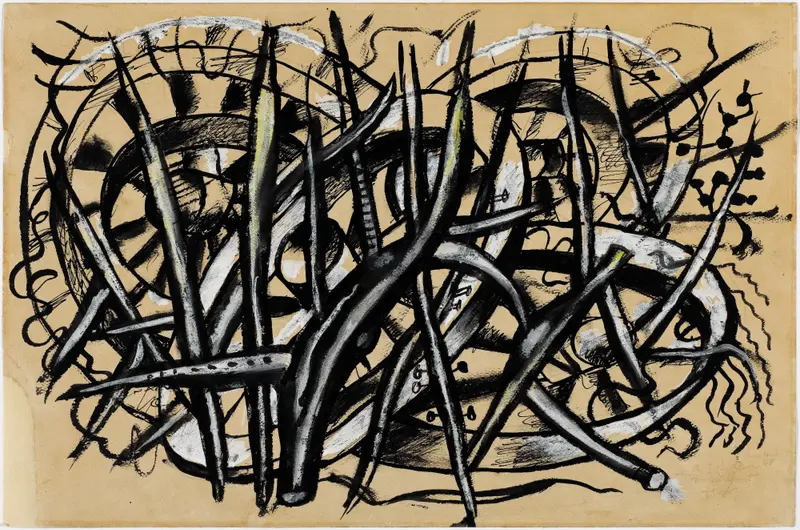
The Wheels
Fernand Léger

Le Cirque Médrano
Fernand Léger
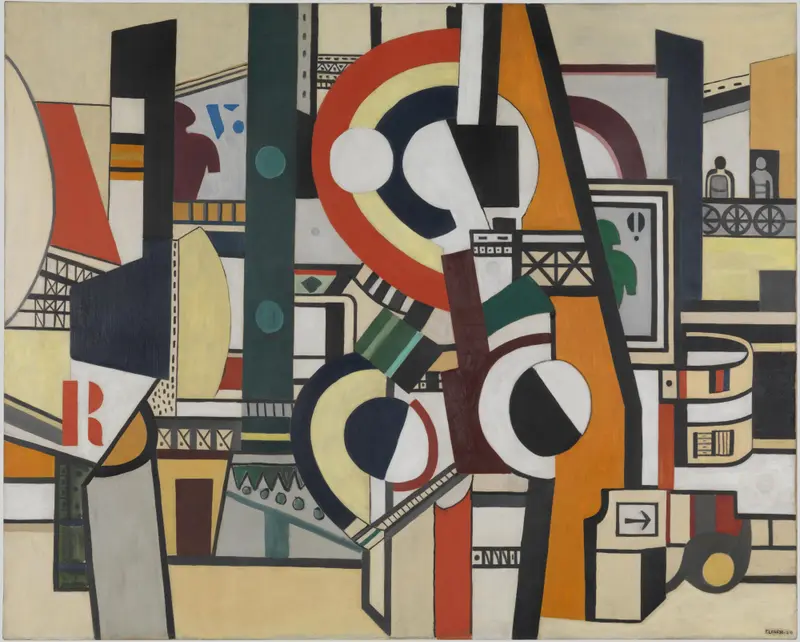
The Disks in the City
Fernand Léger
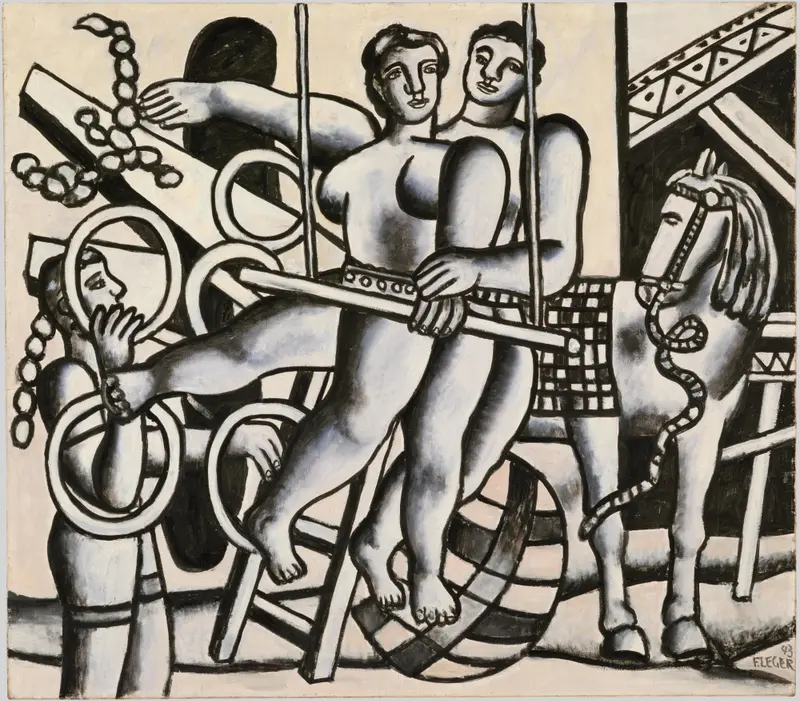
Le Jongleur et les acrobates
Fernand Léger
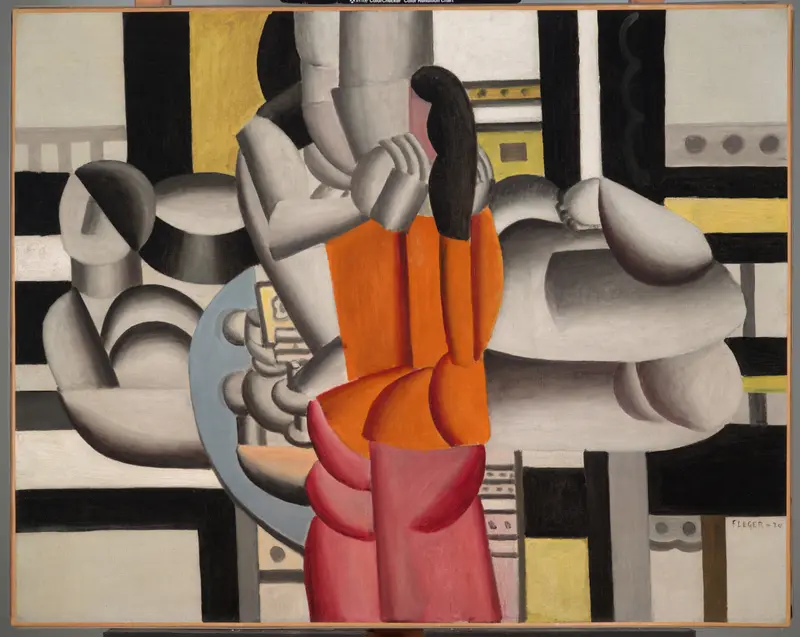
Three Women and Still Life (Déjeuner)
Fernand Léger
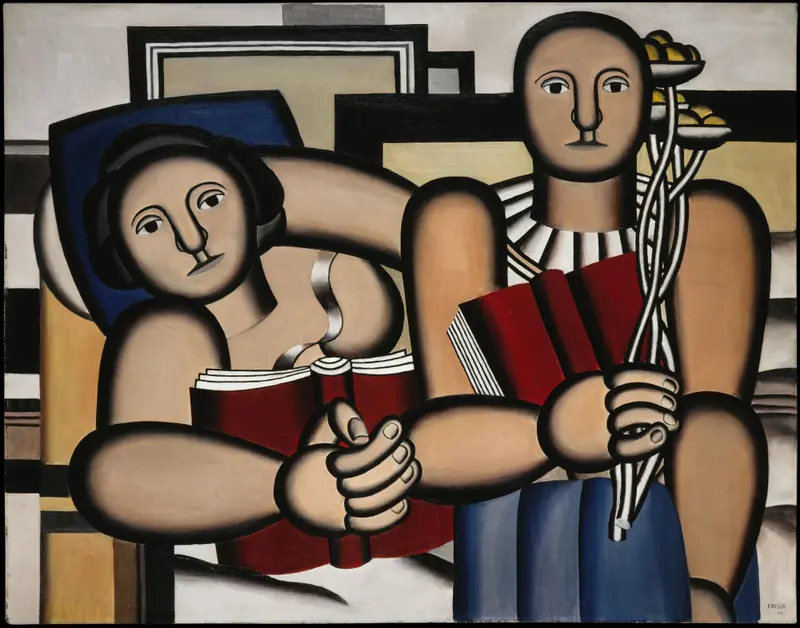
Reading
Fernand Léger
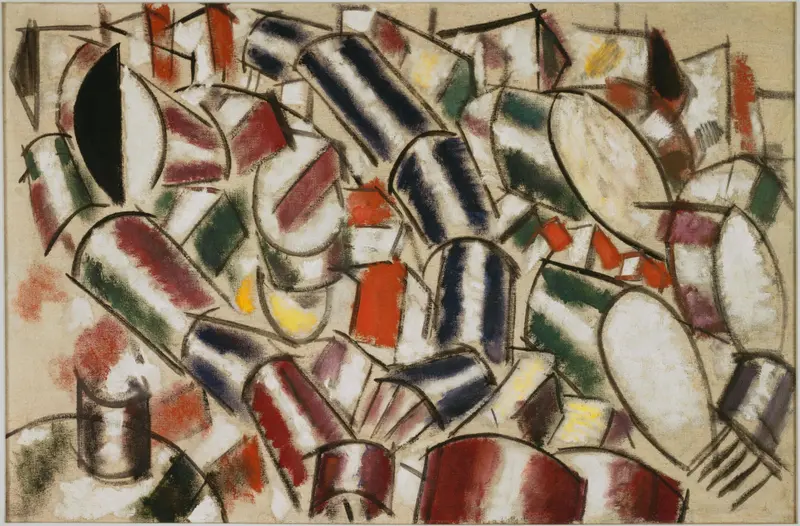
Femme couchée
Fernand Léger
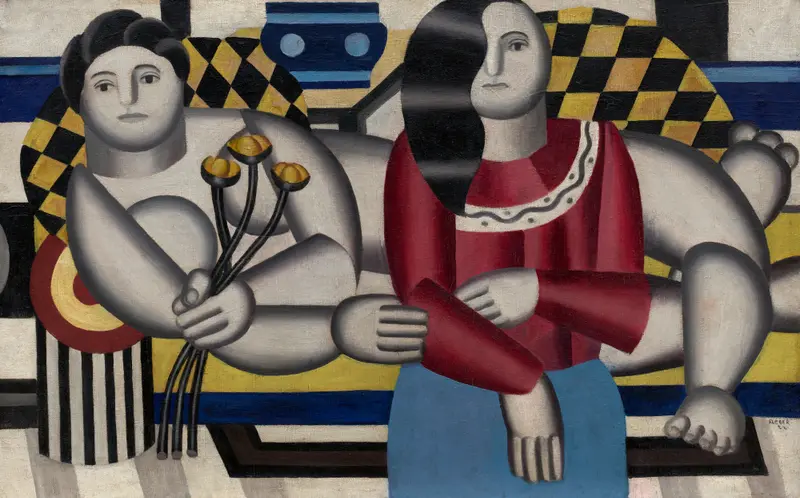
Woman holding flowers
Fernand Léger
The Tug
Fernand Léger