
Reading — History & Facts
What first catches the eye in Reading is the bold geometry that seems to pulse with life, as if the figures might shift or speak at any moment. Two monumental forms—one reclining, one upright—fill the frame, their limbs rendered in thick, sculptural lines that recall both machinery and ancient sculpture. The reclining figure’s gaze meets the viewer with a calm directness, a red book open in their lap, while the upright companion clutches both another book and a spray of stylized yellow flowers.
The palette is pared down yet striking: blocks of cream, ochre, and blue set off the vivid red of the books, while the black outlines give every shape a sense of weight and clarity. Here, reading is not a private escape but a shared, almost ceremonial act, the books as central and solid as the figures themselves. Painted in 1924, this work belongs to the world of Fernand Léger, a moment when artists across Europe were reimagining the human figure for the machine age. Léger, associated with the Cubist and later Purist movements, was fascinated by the rhythms of modern life—factories, cities, and the new visual language of mass culture.
The robust, almost mechanical bodies in Reading reflect this fascination: they are built of cylinders and planes, suggesting both strength and harmony. In the Paris of the 1920s, such images were both a celebration of modernity and a meditation on how tradition—here, the age-old act of reading—could find new form in a changing world. Now part of the Centre Pompidou collection, this painting invites viewers to linger, tracing the dialogue between body and book, past and present, in every confident line.
More Artworks by Fernand Léger

The Tugboat Bridge
Fernand Léger
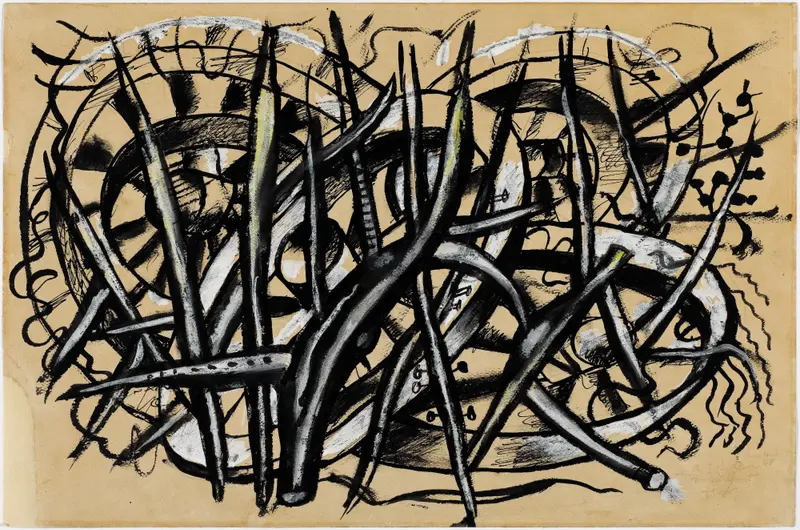
The Wheels
Fernand Léger

Le Cirque Médrano
Fernand Léger
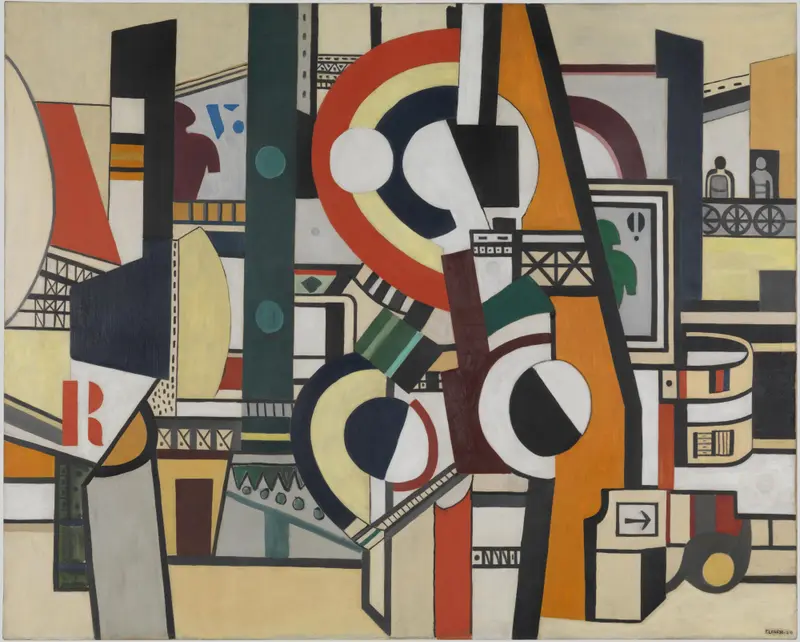
The Disks in the City
Fernand Léger
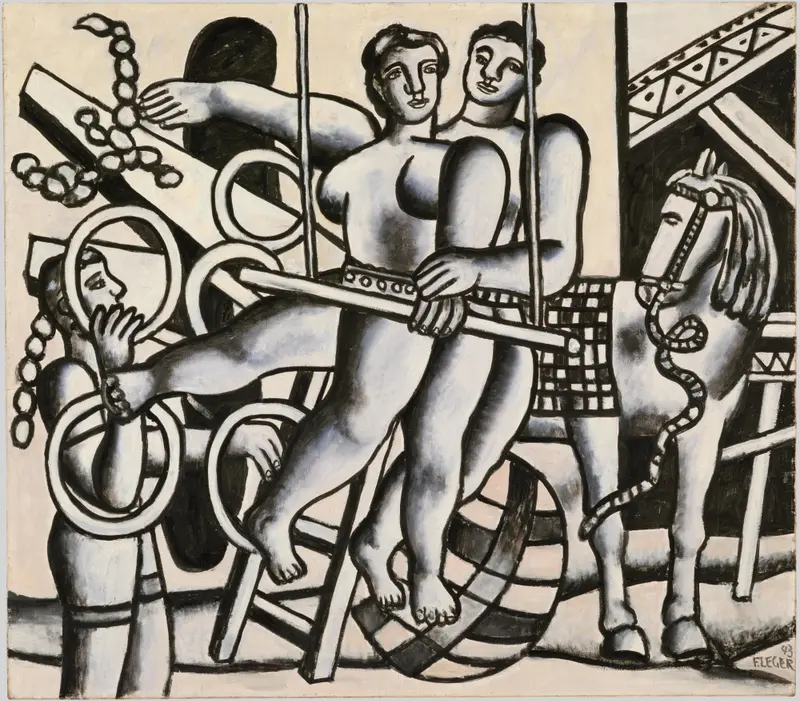
Le Jongleur et les acrobates
Fernand Léger
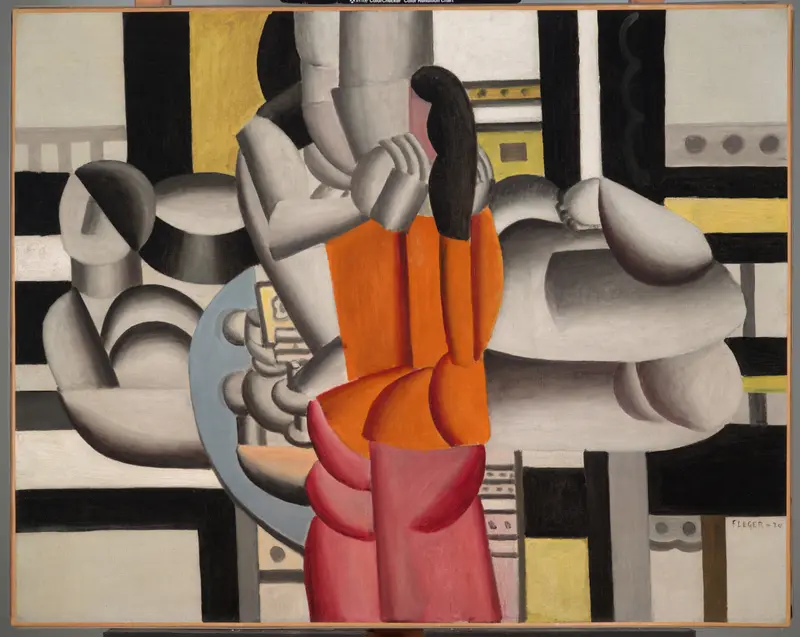
Three Women and Still Life (Déjeuner)
Fernand Léger
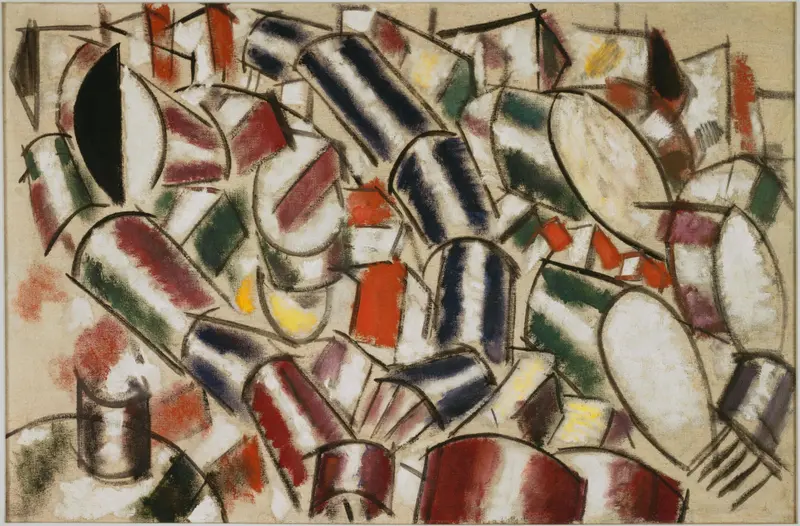
Femme couchée
Fernand Léger
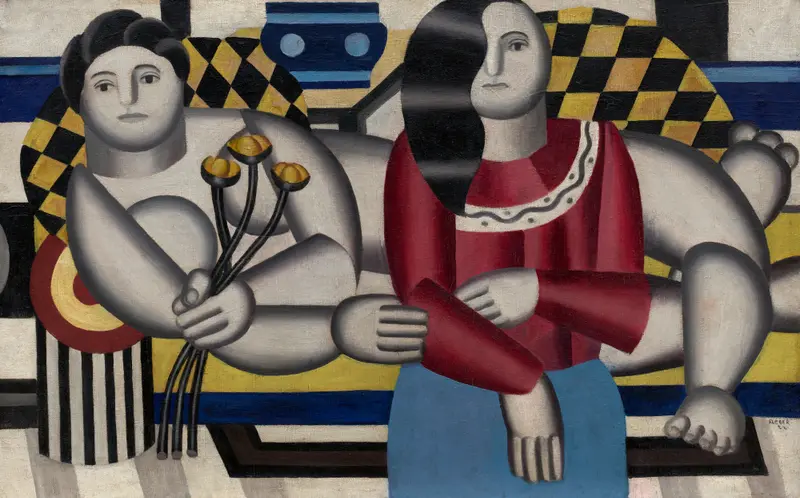
Woman holding flowers
Fernand Léger
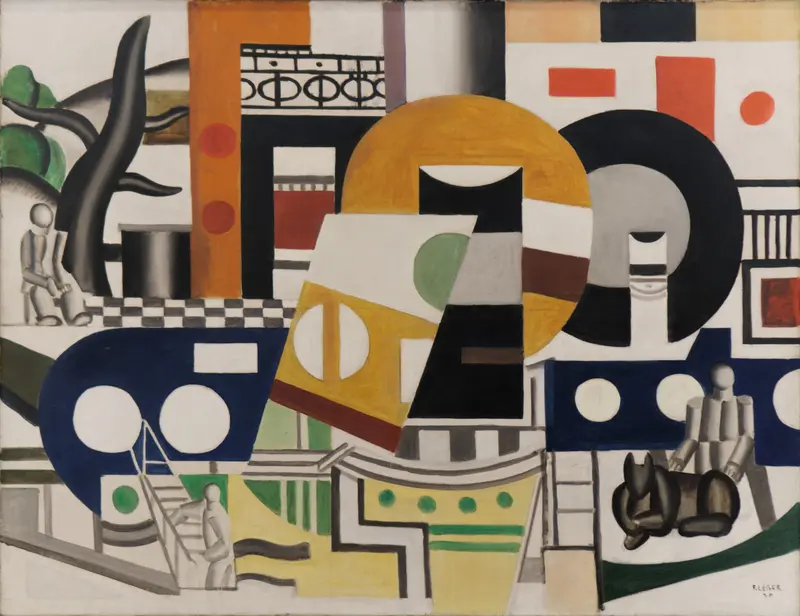
The Tug
Fernand Léger

Study for The Disks in the City
Fernand Léger



