
Coney Island — History & Facts
Did the painter know this moment would outlive them? The vibrant, bustling scene of Coney Island captures a world brimming with life, laughter, and a sense of fleeting joy that yearns to be immortalized. Look to the foreground, where figures crowd the shoreline, a medley of hats and umbrellas punctuating the sandy expanse. Notice how the artist employs a dynamic interplay of light and shadow, the bright sun illuminating joyous faces while casting elongated shadows that hint at the passage of time. This technique enlivens the canvas, drawing the viewer into the infectious energy of a day at the beach.
The bold strokes and saturated hues evoke a sense of nostalgia, making the viewer acutely aware of both the joy and the transience of such moments. As you delve deeper, consider the contrasts at play. The laughter among the sunbathers juxtaposes the distant, solitary figures who linger at the water’s edge, hinting at the duality of connection and isolation that defines human experience. The swirling waves reflect an uncontrollable force of nature, reminding us of how ephemeral bliss can be.
Here, longing is palpable in the air, as people seem to reach out not just for the ocean's embrace but also for deeper connections amid the revelry. In 1904, Joseph Pennell created Coney Island during an era of rapid urbanization and change in America. Living in New York, his work reflected the dynamic landscape of modern life, capturing the essence of leisure and the burgeoning cultural identity of the time. This piece serves as both a celebration of joy and a poignant reminder of fleeting moments, encapsulating the spirit of a society on the brink of transformation.
More Artworks by Joseph Pennell
Browse all →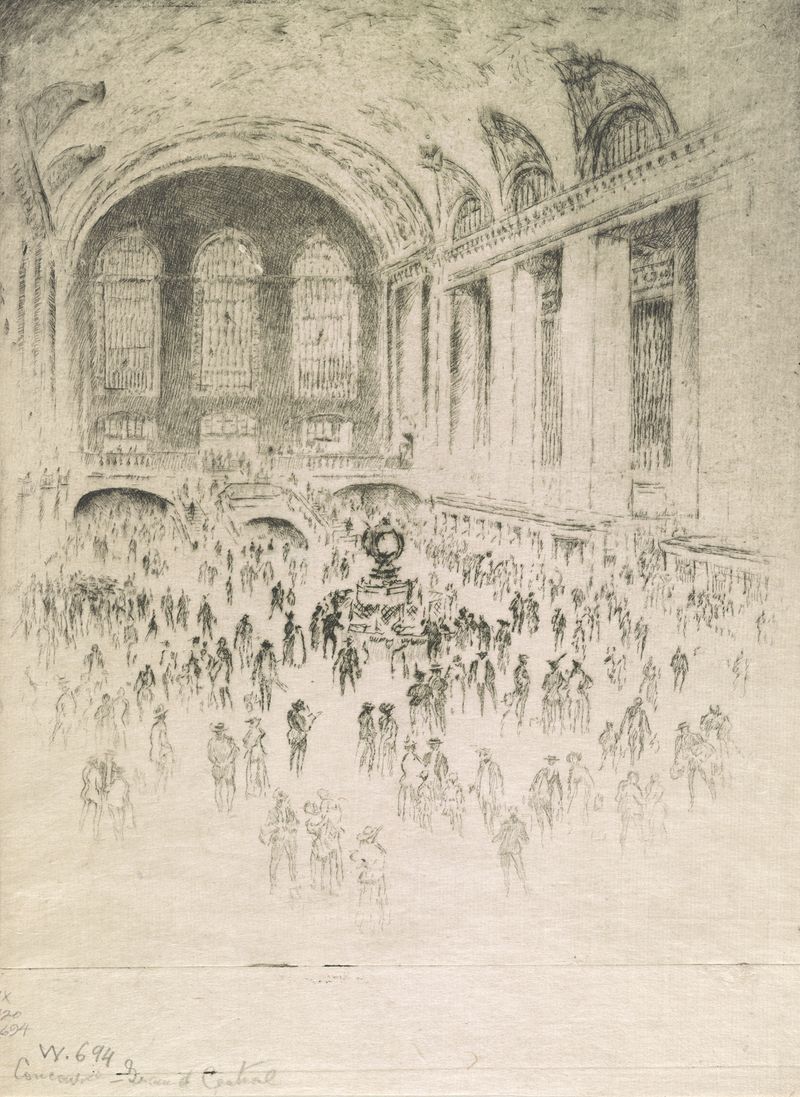
Concourse, Grand Central
Joseph Pennell
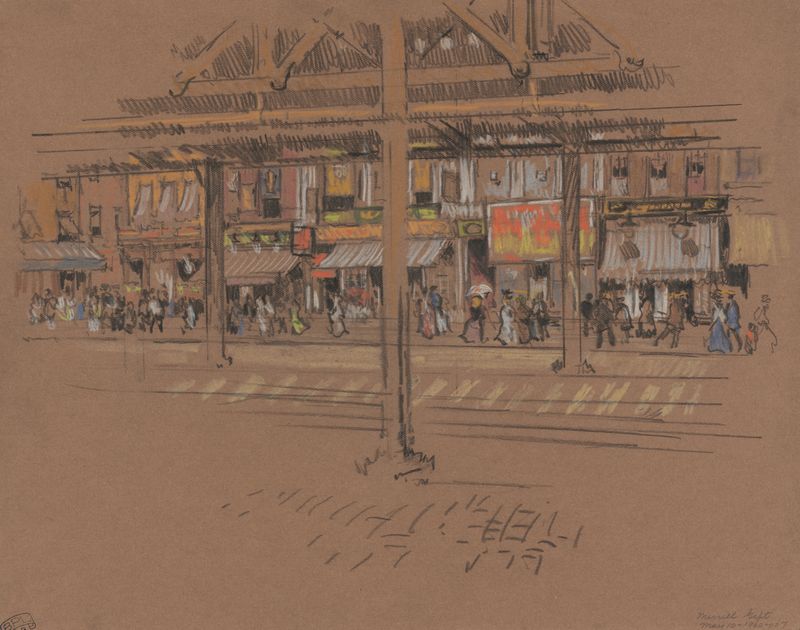
Sixth Avenue
Joseph Pennell
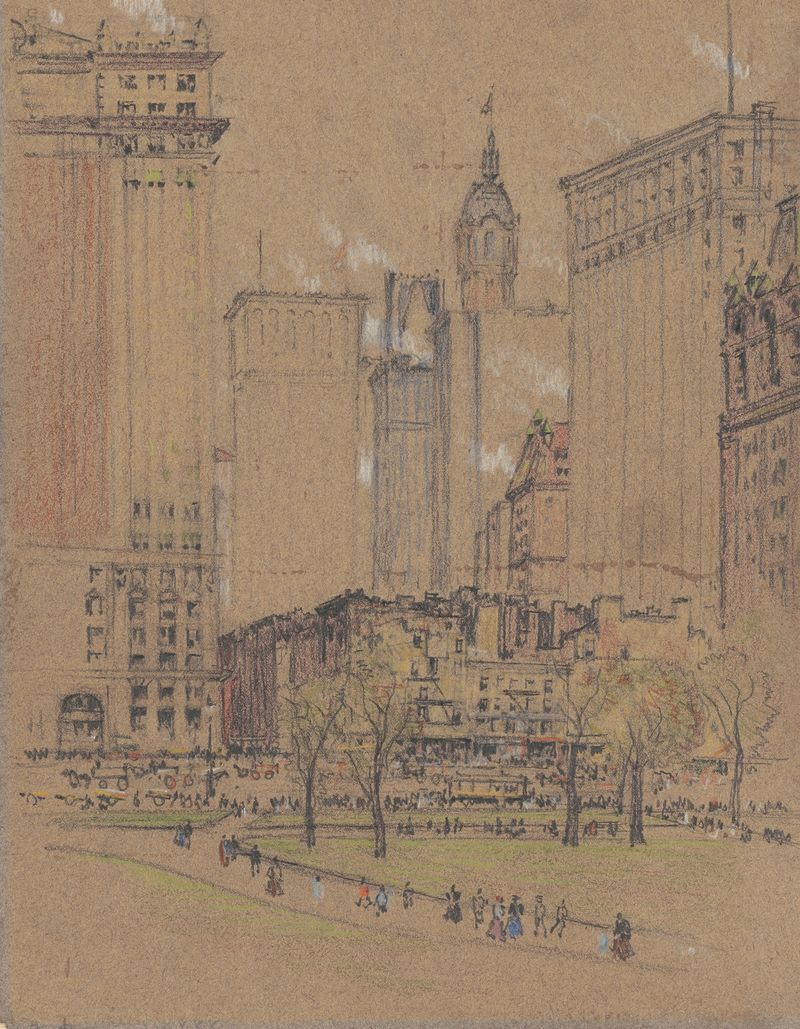
New York,the Old and the New
Joseph Pennell
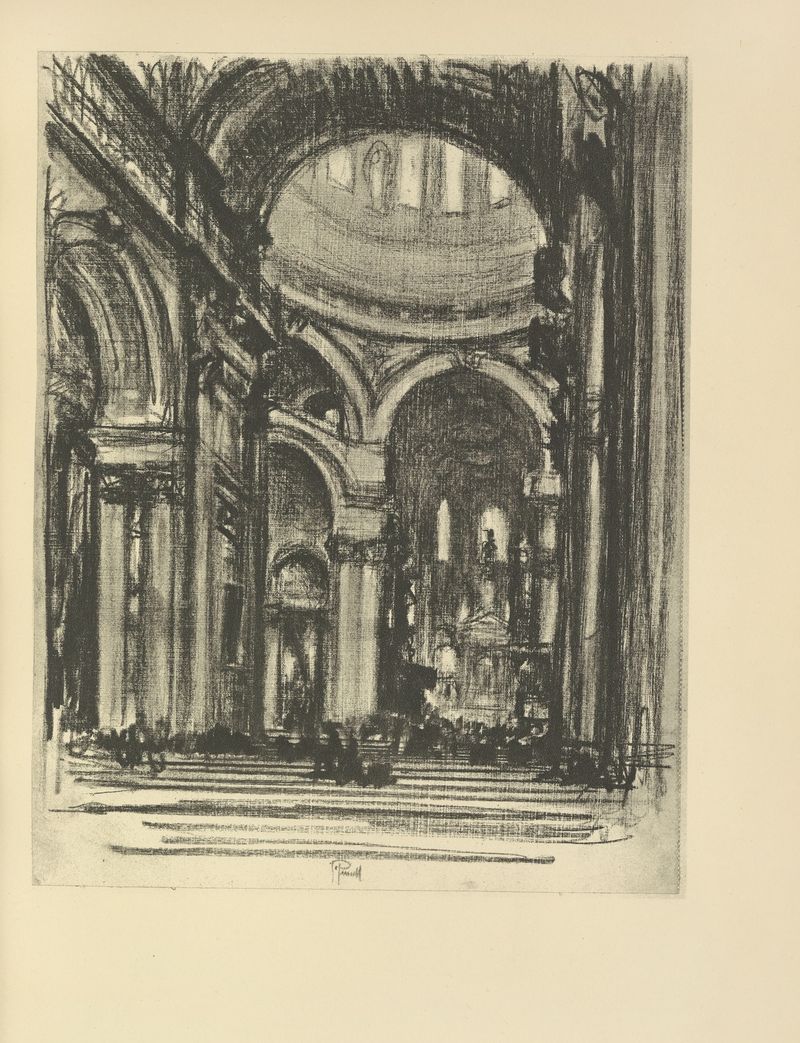
St. Paul’s, The Nave
Joseph Pennell
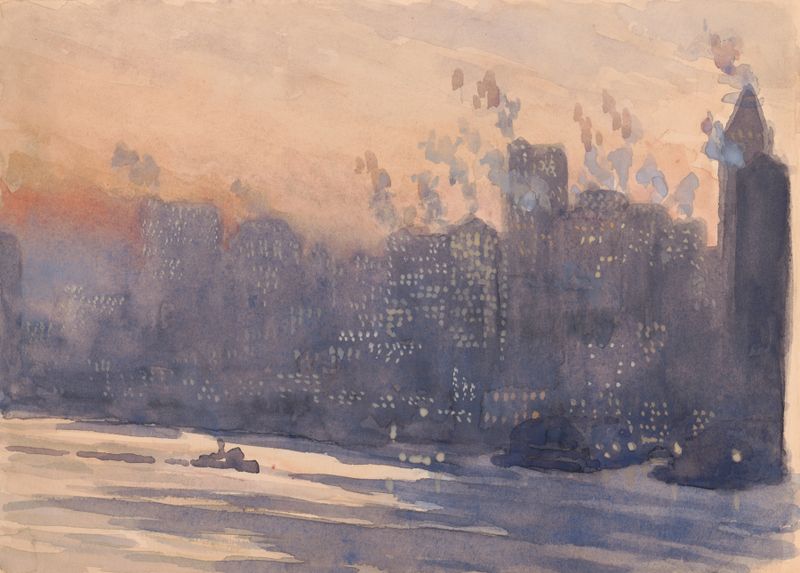
New York City harbor and skyline at night
Joseph Pennell
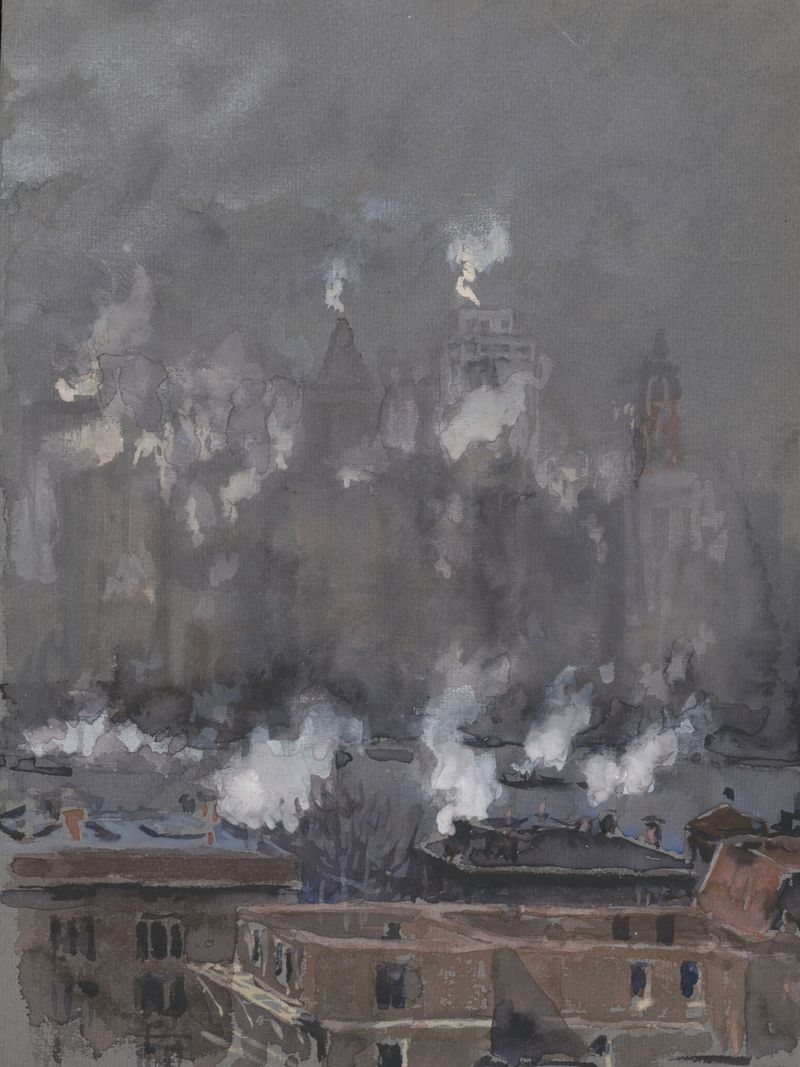
Smoke and fog on gray day, New York City
Joseph Pennell
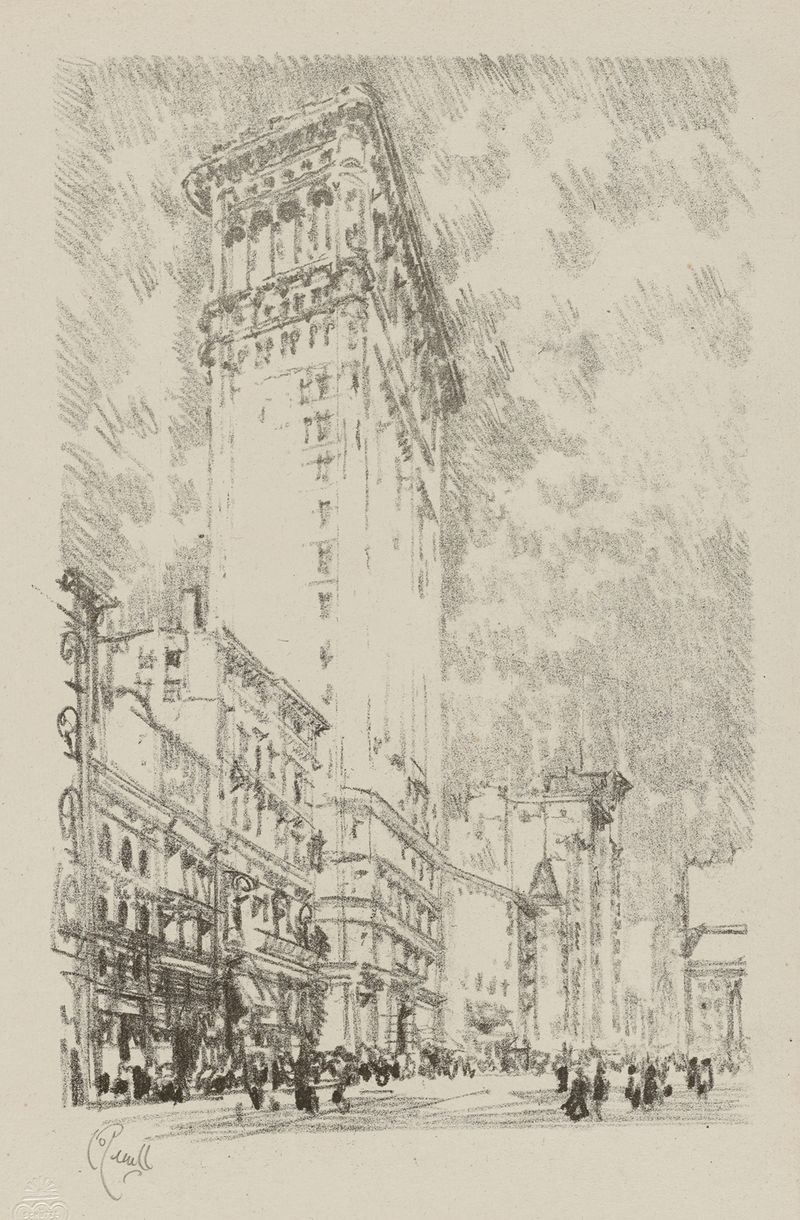
The Flat Iron
Joseph Pennell
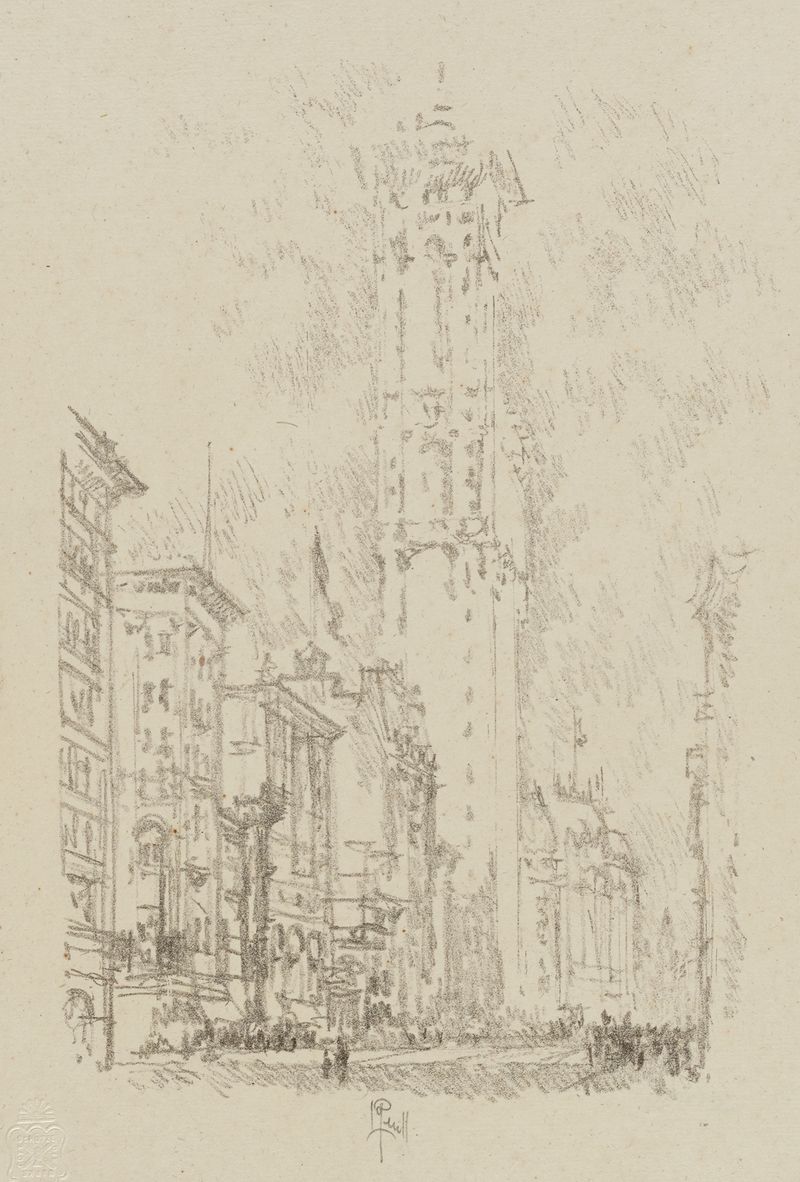
The Times Building
Joseph Pennell
Skyscrapers at night
Joseph Pennell

St. James’ Park
Joseph Pennell





