
Constance — History & Facts
Few paintings by Albert Pinkham Ryder have sparked as much speculation as Constance, a work shrouded in mystery not only for its subject but also for its elusive medium and Ryder’s own cryptic working methods. Created around 1896, Constance is often cited in discussions of Ryder’s painstaking technique—he was known to rework his canvases for years, sometimes decades, resulting in surfaces that aged unpredictably. The painting’s title has led to debate: is it a reference to Shakespeare’s Lady Constance from King John, or to the abstract virtue of constancy itself? Ryder never clarified, leaving viewers and scholars to ponder its meaning. The scene unfolds in a moonlit landscape, where a solitary female figure stands, draped in flowing garments, her gaze fixed on a distant, unseen point.
The darkness presses in, relieved only by a pale, spectral glow that outlines her form and the suggestion of water at her feet. The woman’s posture—upright, unwavering—embodies steadfastness, while the surrounding gloom hints at sorrow or loss. The ambiguity of her identity invites comparison with Dante and Beatrice by Henry Holiday, where the female figure is both muse and symbol.
Here, Ryder’s thick, textured brushwork and limited palette deepen the sense of mystery, making the viewer feel as if they are witnessing a vision rather than a narrative. Constance has had a quiet but persistent presence in American art collections, though its exact provenance is difficult to trace due to Ryder’s irregular sales and the fragile state of many of his works. Like much of his output, it was likely kept in his studio for years before entering private hands. Today, it is held in a museum collection, where it stands as a testament to Ryder’s singular vision and his place among the American Symbolists.
The painting’s uncertain medium and haunting mood have made it a favorite for scholars interested in the intersection of technique and meaning in late 19th-century American art.
More Artworks by Albert Pinkham Ryder

The Toilers of the Sea
Albert Pinkham Ryder
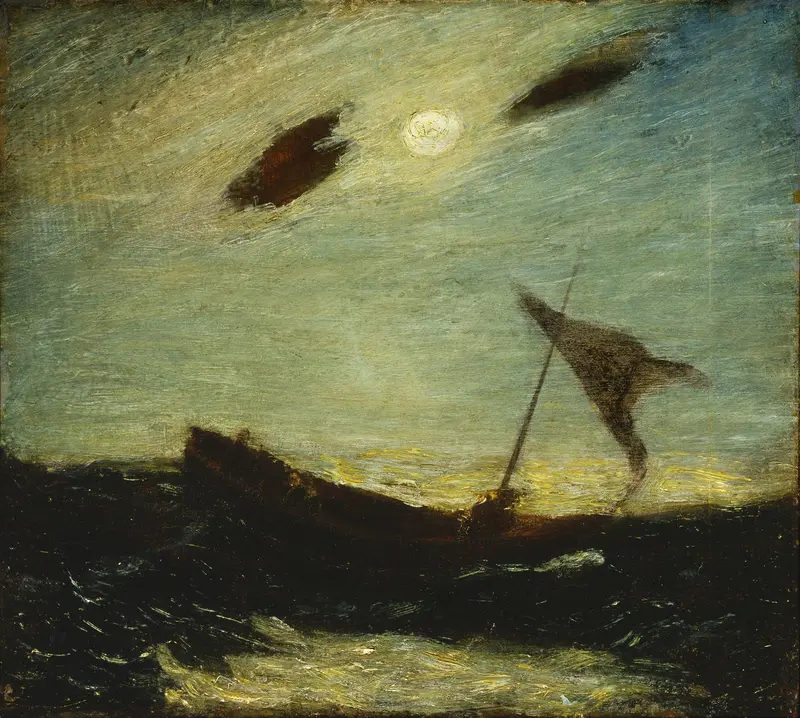
Moonlight
Albert Pinkham Ryder
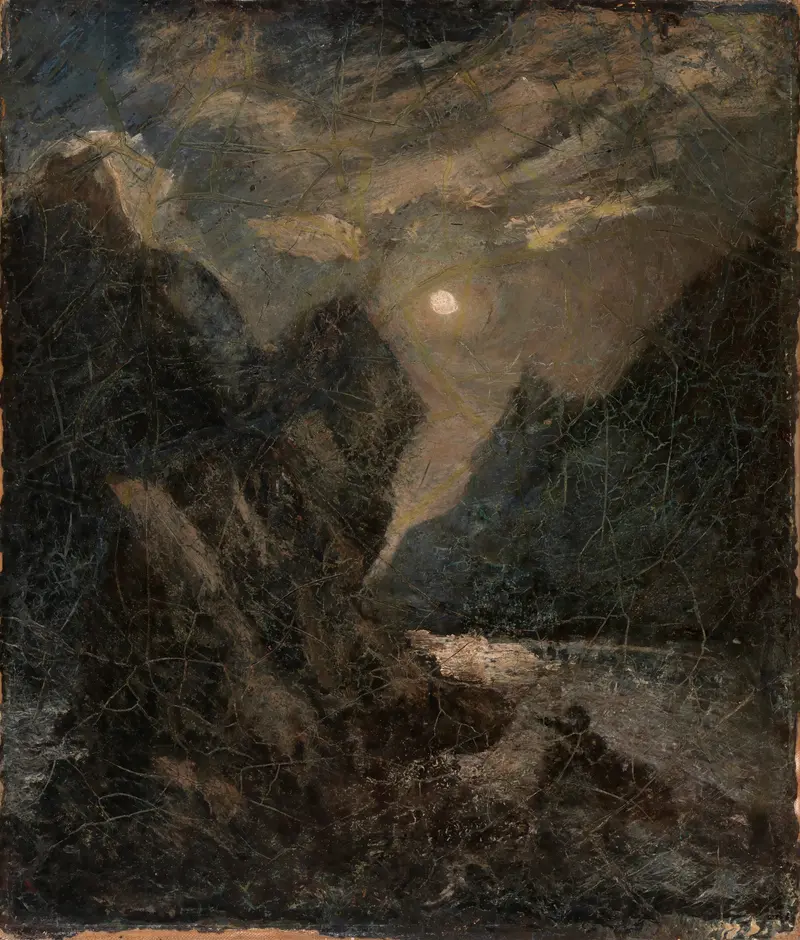
The Lorelei
Albert Pinkham Ryder
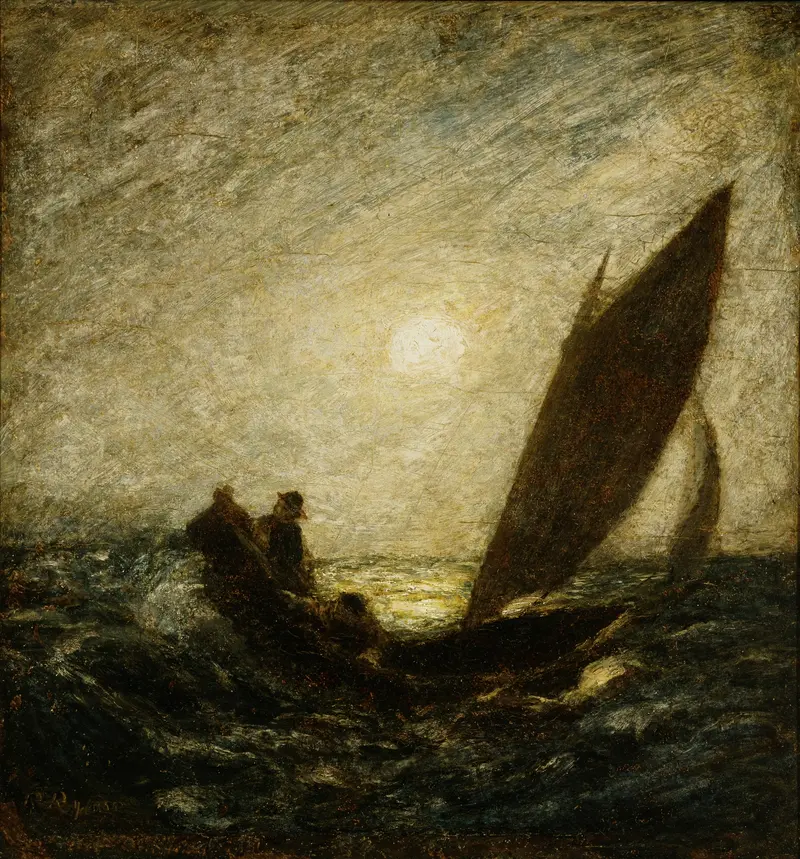
With Sloping Mast And Dipping Prow
Albert Pinkham Ryder
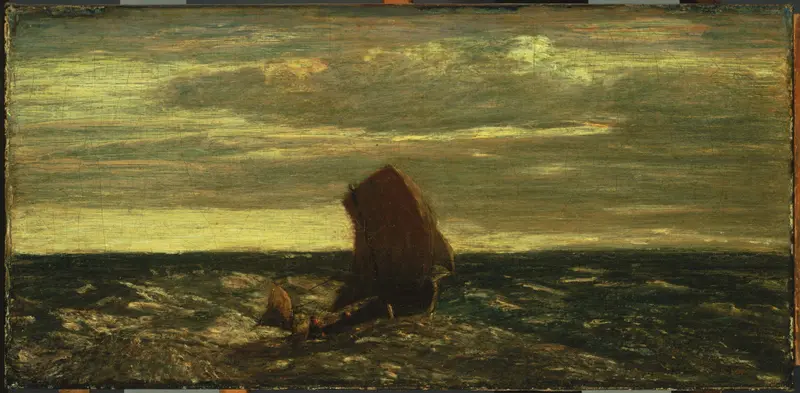
Homeward Bound
Albert Pinkham Ryder
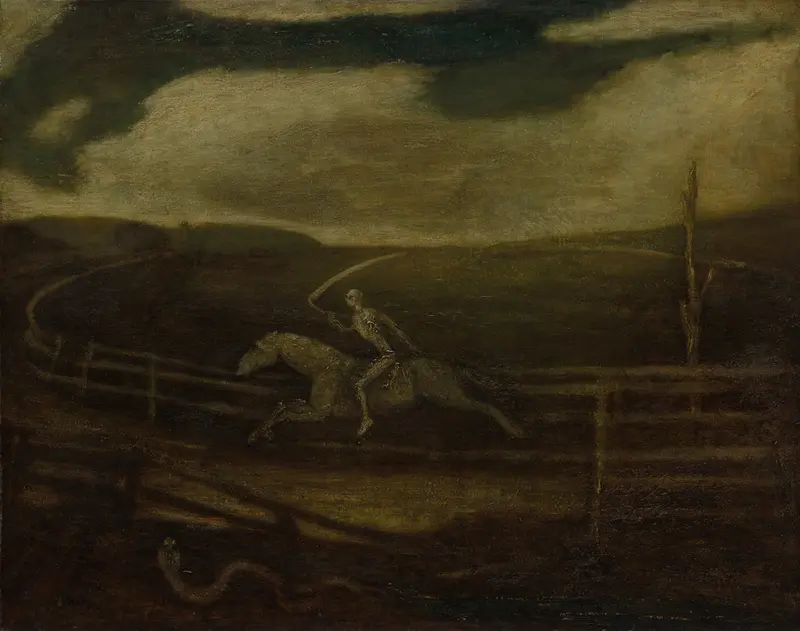
The Race Track (Death on a Pale Horse)
Albert Pinkham Ryder
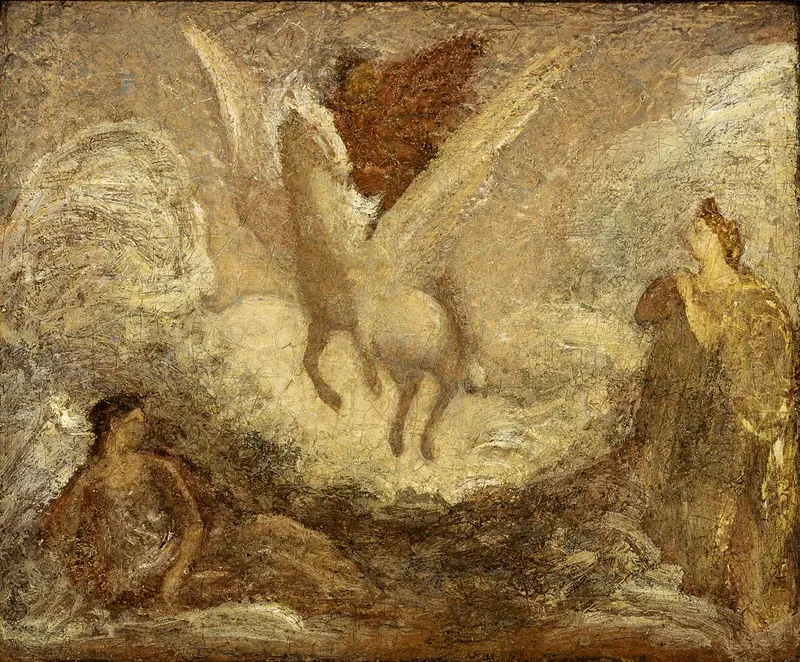
Pegasus Departing
Albert Pinkham Ryder
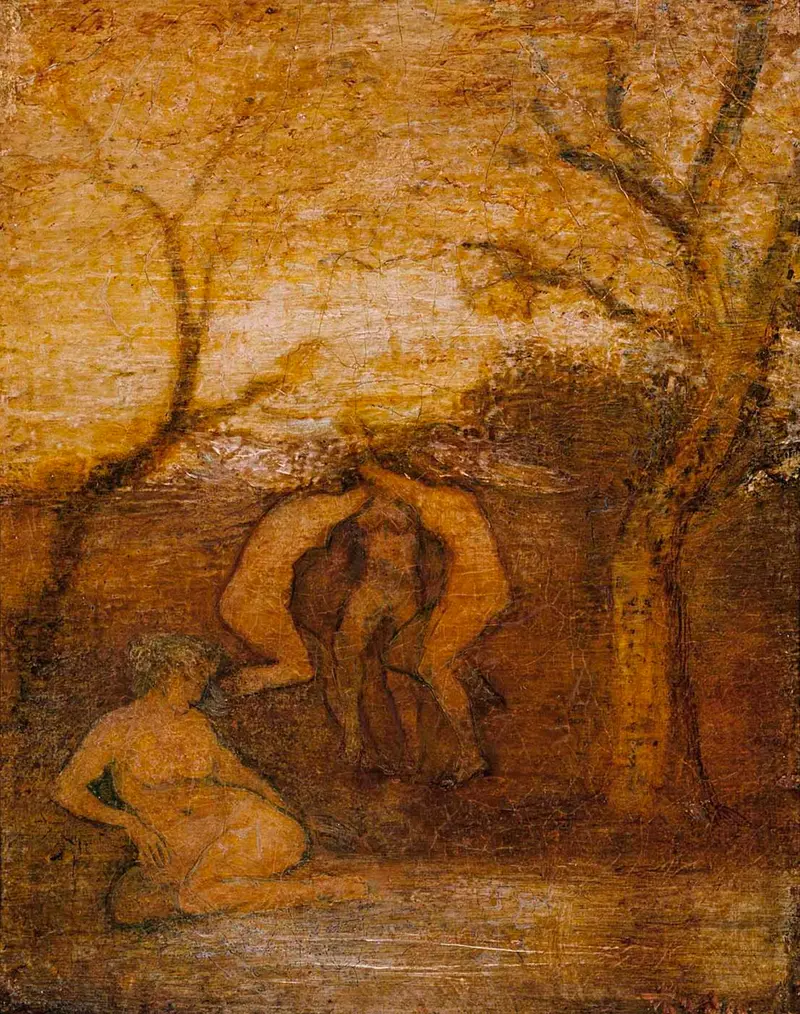
Dancing Dryads
Albert Pinkham Ryder
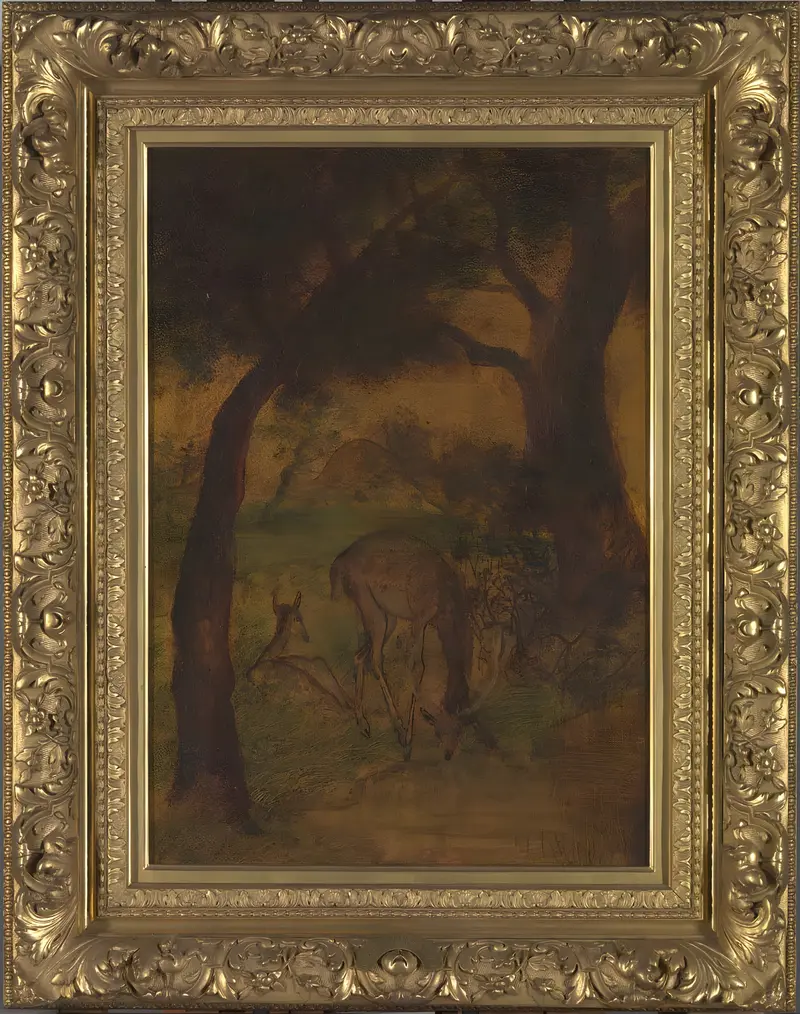
A Stag Drinking
Albert Pinkham Ryder
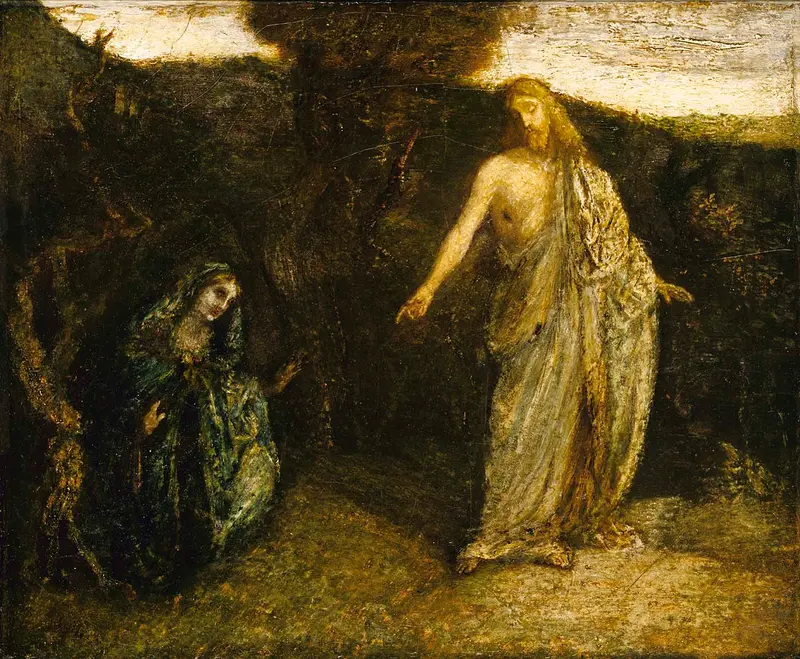
Christ Appearing to Mary
Albert Pinkham Ryder



