
Homeward Bound — History & Facts
Few paintings by Albert Pinkham Ryder have inspired such fascination as Homeward Bound, not least because Ryder’s working methods left many of his canvases unstable and their surfaces unpredictable. This particular work, painted around 1893, is often cited as a prime example of the artist’s obsessive reworking—Ryder was known to labor over a single painting for years, applying layer upon layer of paint and varnish, sometimes scraping it all away to begin again. As a result, the fate of many Ryder paintings has been as uncertain as the ships he loved to depict, with surfaces darkening, cracking, or even changing form over time.
Homeward Bound is a rare survivor, its haunting mood undimmed despite the passage of more than a century. A solitary ship emerges from a dusky sea, its sails taut against the wind, heading toward a distant, unseen shore. Ryder captures the moment of return, the vessel’s prow slicing through the waves as cloud and sky merge in a luminous haze. The ship’s isolation against the vast expanse of water conjures feelings of longing and anticipation, a theme Ryder returned to throughout his career.
The thick, almost sculptural paint surface intensifies the sense of mystery, as if the ship is both real and dreamlike. Unlike the crisp realism of Winslow Homer’s maritime scenes, Ryder’s vision is inward and poetic, the details blurred to focus the viewer on mood rather than narrative. The precise early history of Homeward Bound remains uncertain, as is often the case with Ryder’s works, which were sometimes given away to friends or sold directly from his New York studio. Over the decades, the painting has passed through the hands of private collectors and has been exhibited in several major retrospectives of American art.
Its current home in a public collection ensures that it remains accessible to those drawn to Ryder’s singular vision. Homeward Bound stands as a testament to the artist’s unique place in American painting, bridging the world of the 19th-century Romantic tradition and the emerging modern sensibility of the early 20th century.
More Artworks by Albert Pinkham Ryder

The Toilers of the Sea
Albert Pinkham Ryder
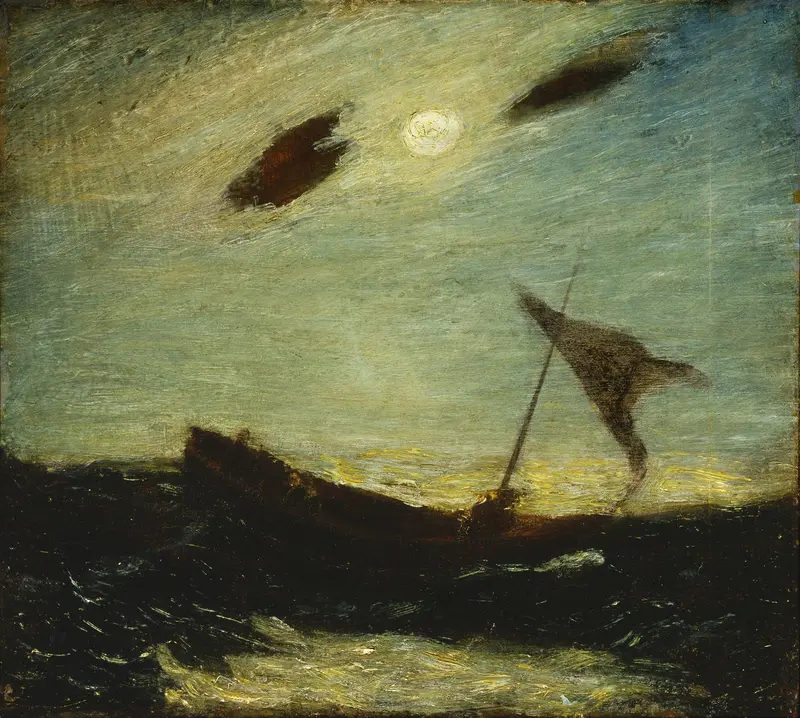
Moonlight
Albert Pinkham Ryder
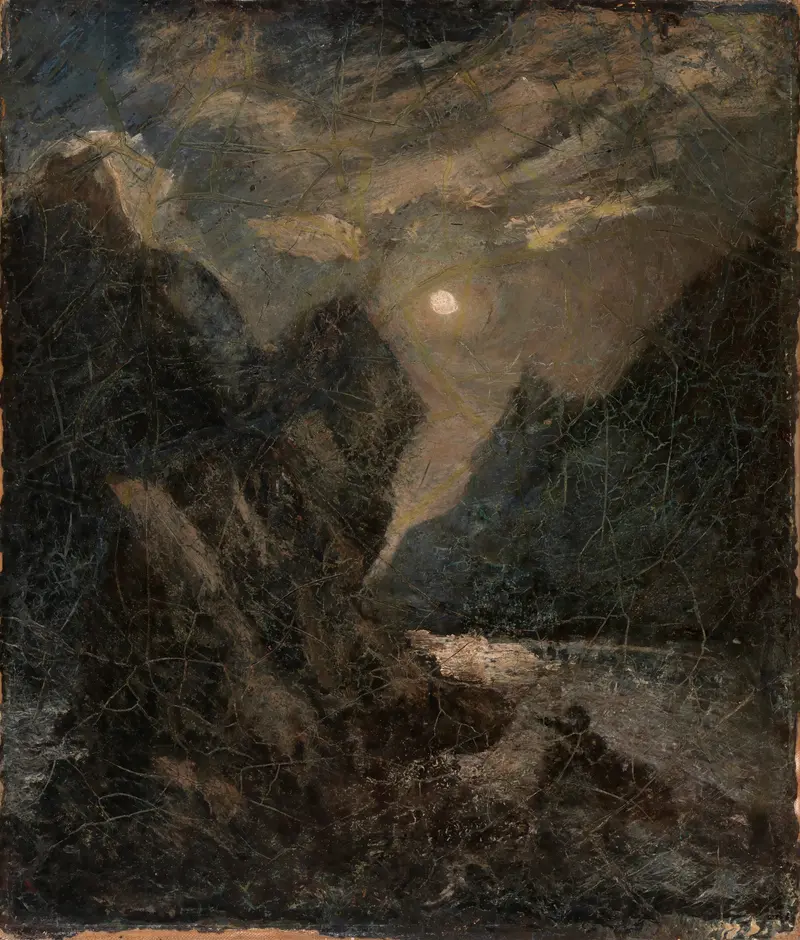
The Lorelei
Albert Pinkham Ryder
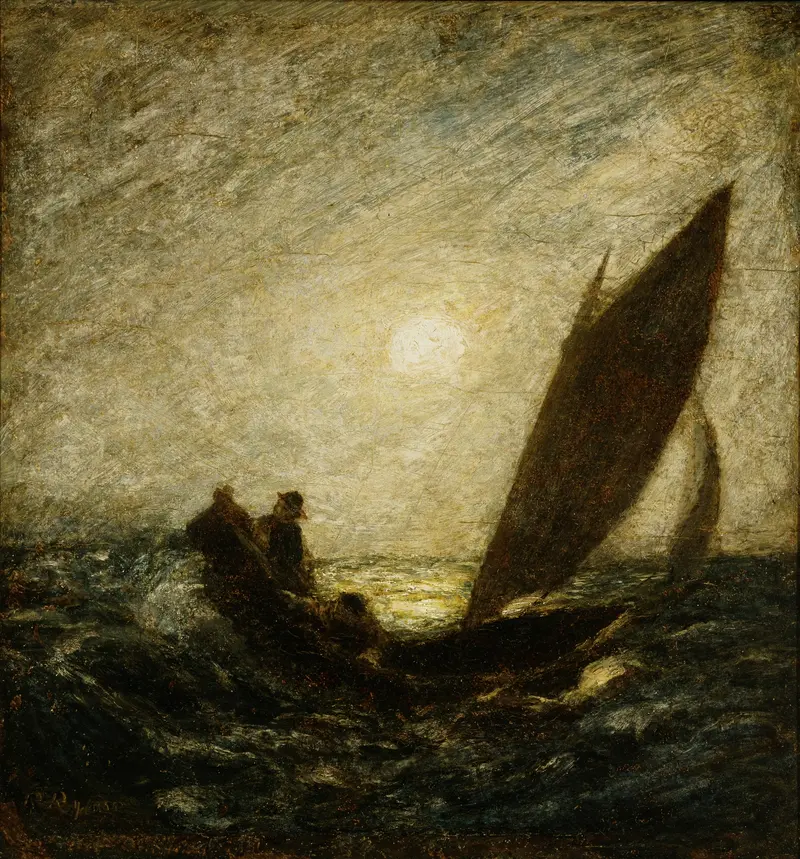
With Sloping Mast And Dipping Prow
Albert Pinkham Ryder
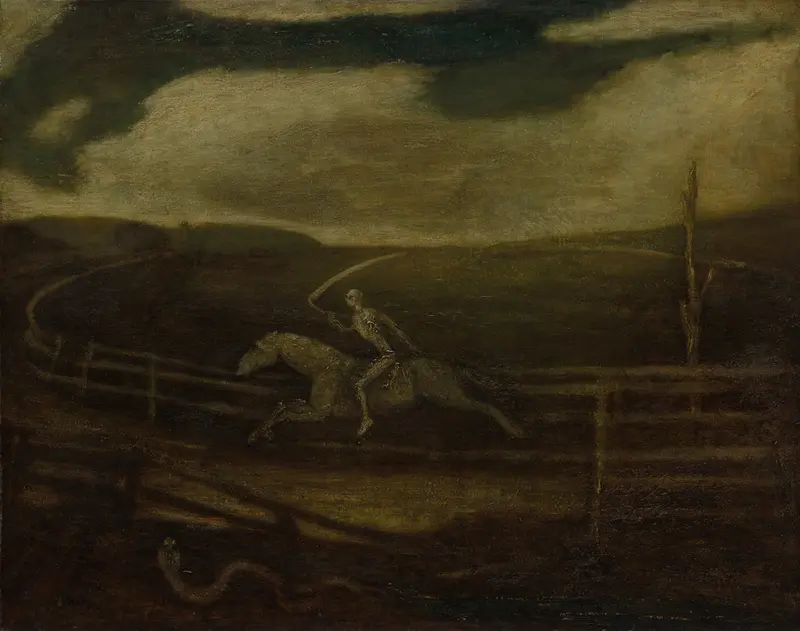
The Race Track (Death on a Pale Horse)
Albert Pinkham Ryder
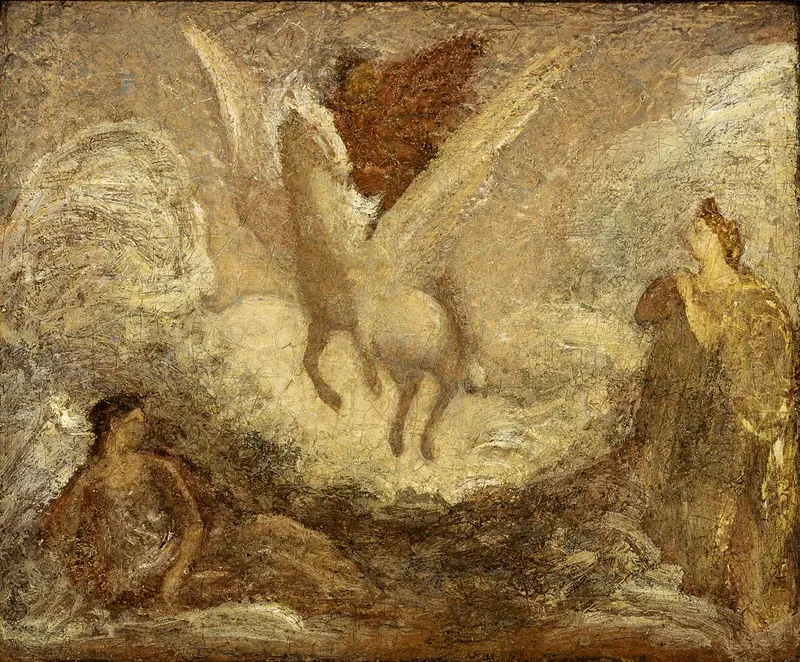
Pegasus Departing
Albert Pinkham Ryder

Dancing Dryads
Albert Pinkham Ryder
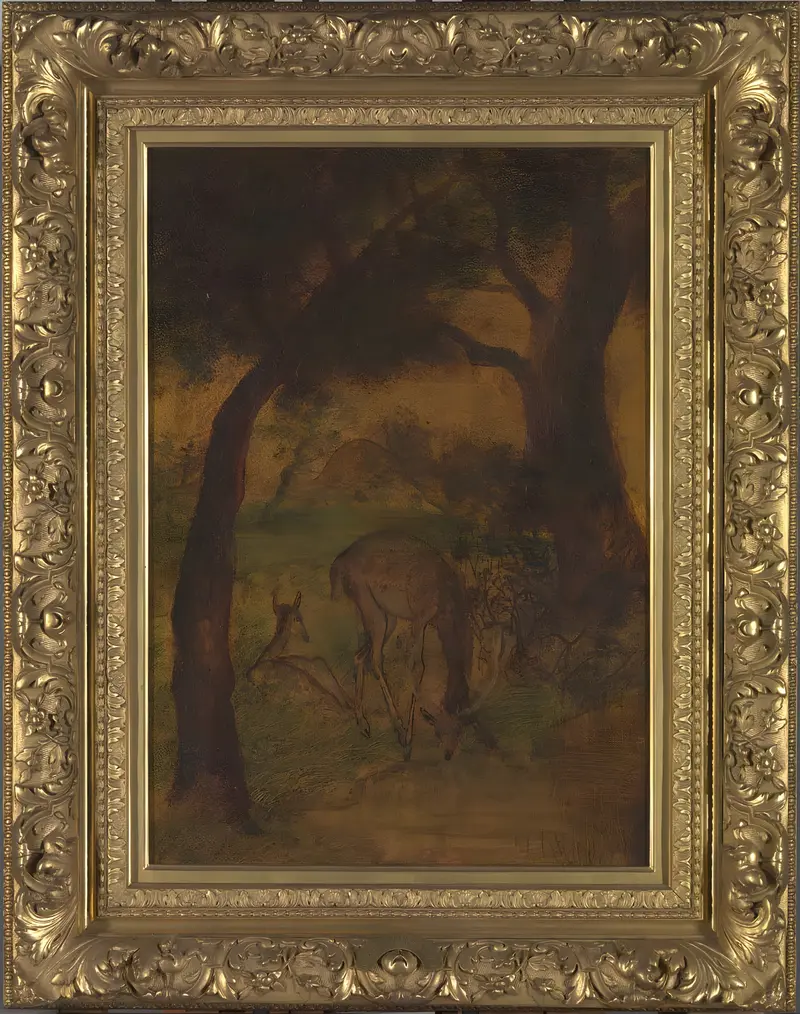
A Stag Drinking
Albert Pinkham Ryder
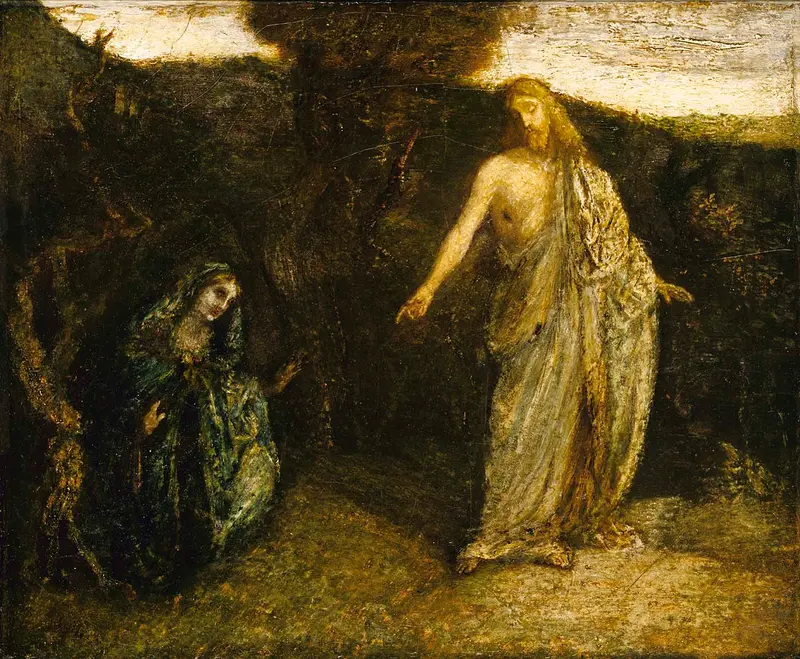
Christ Appearing to Mary
Albert Pinkham Ryder
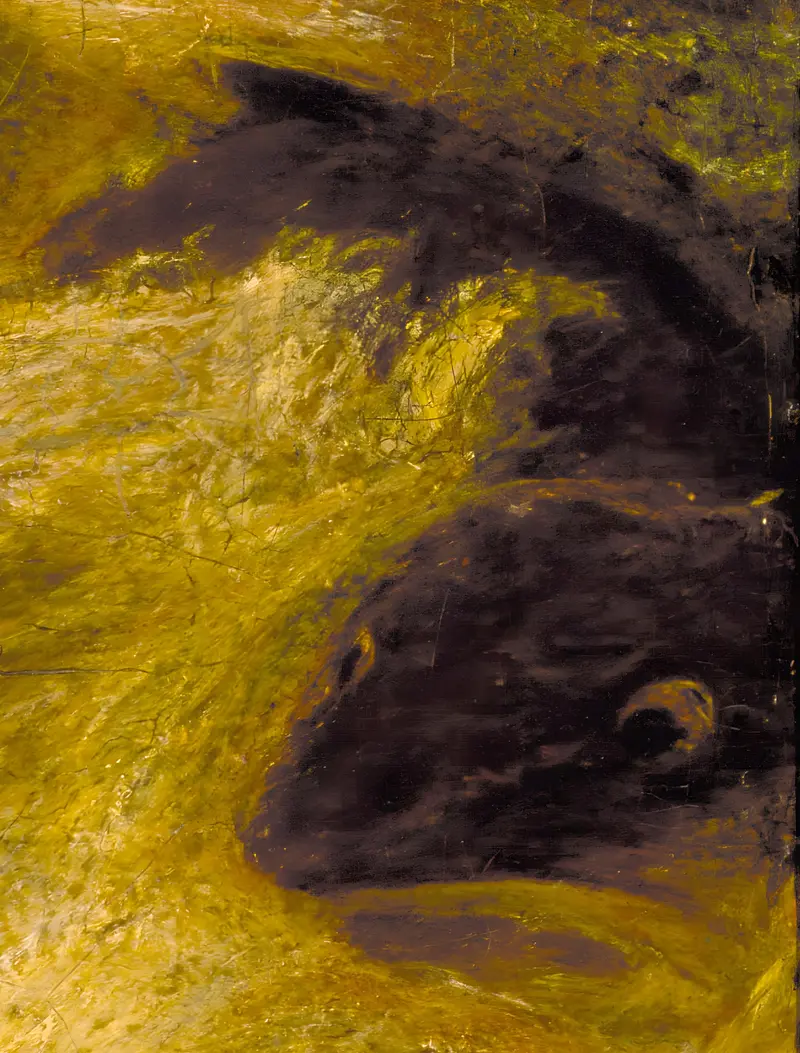
Jonah
Albert Pinkham Ryder





