
Christ Appearing to Mary — History & Facts
When Albert Pinkham Ryder unveiled Christ Appearing to Mary in 1885, he entered a centuries-old tradition of artists grappling with the moment of Christ’s resurrection, yet Ryder’s vision is shrouded in mystery—no preparatory sketches or letters survive to explain his approach, and even the painting’s medium remains uncertain. What is certain is that Ryder, a solitary figure in American art, painted this work at a time when spiritual themes were rare in the American avant-garde, making his choice both bold and deeply personal. The painting stands out in Ryder’s oeuvre for its religious subject, contrasting with his better-known mythological and literary scenes.
Scholars note that only a handful of Ryder’s works address biblical stories, and this is among the most enigmatic. The scene unfolds at dawn on the first Easter Sunday, as Mary Magdalene, stricken with grief, encounters the risen Christ outside the empty tomb. Ryder captures the instant when Mary, recognizing Jesus, reaches toward him, only to be gently restrained by his gesture—an allusion to his words, "Touch me not; for I am not yet ascended to my Father" (John 20:17). The figures emerge from a dusky, nearly abstract landscape, their forms barely distinguishable, as if hovering between the earthly and the spiritual.
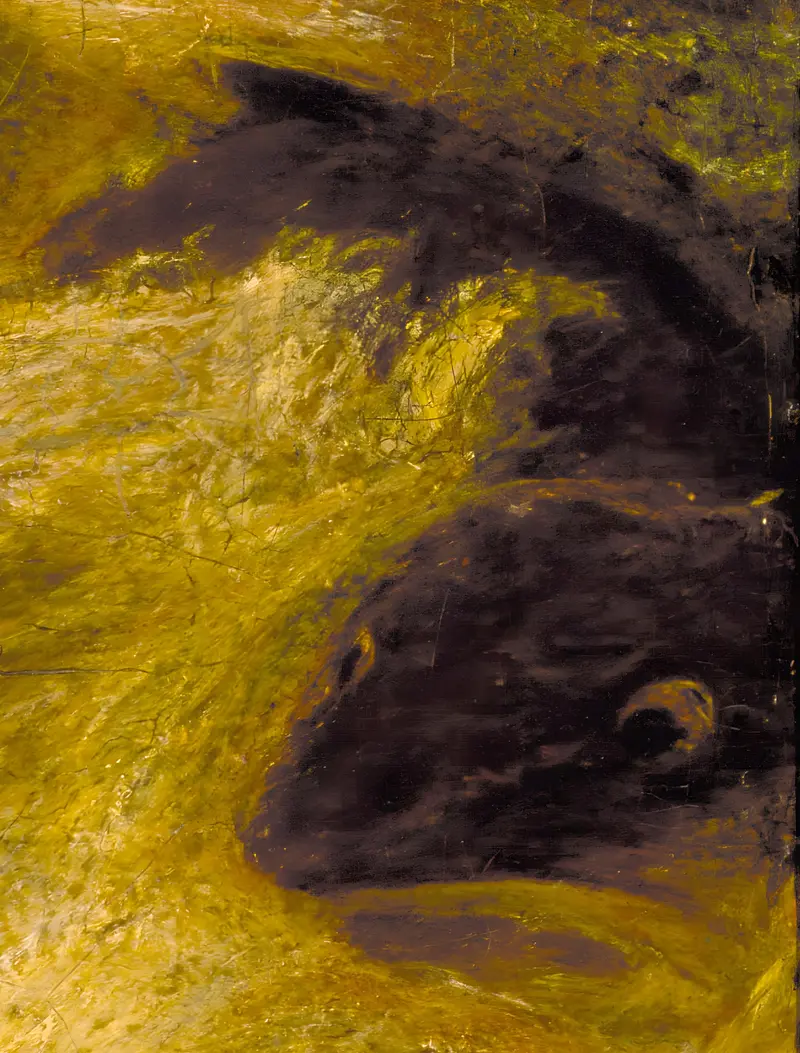
Christ’s robe glows with an inner light, drawing the eye and suggesting divinity, while Mary’s posture conveys awe and longing. Unlike the precise realism of Noli Me Tangere by Titian, Ryder’s interpretation dissolves detail in favor of mood, inviting viewers to feel rather than analyze the miracle. The early history of Christ Appearing to Mary is obscure; it is not known who first owned the painting or how it was received by Ryder’s contemporaries. Like many of Ryder’s works, it has suffered from the artist’s experimental techniques—thick, layered paint and unconventional materials have led to surface cracking and darkening over time, complicating conservation efforts.
Today, the painting is held in a major American museum, where it is recognized as a rare example of Ryder’s engagement with biblical narrative. Its haunting atmosphere and unconventional style have drawn the attention of later artists and scholars, who see in it a bridge between American Romanticism and modern abstraction. Christ Appearing to Mary endures as a testament to Ryder’s singular vision and the mysteries that still surround his art.
More Artworks by Albert Pinkham Ryder

The Toilers of the Sea
Albert Pinkham Ryder
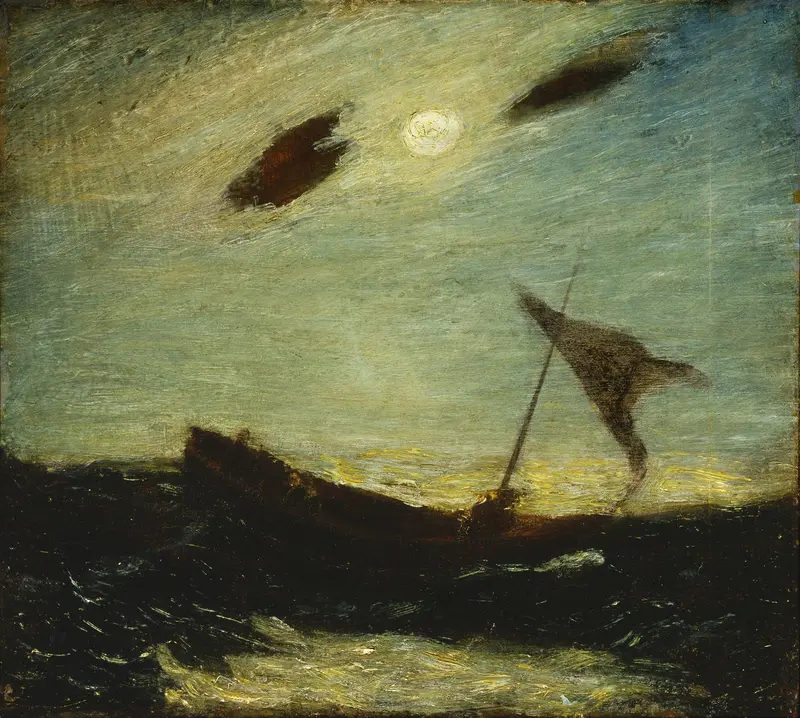
Moonlight
Albert Pinkham Ryder
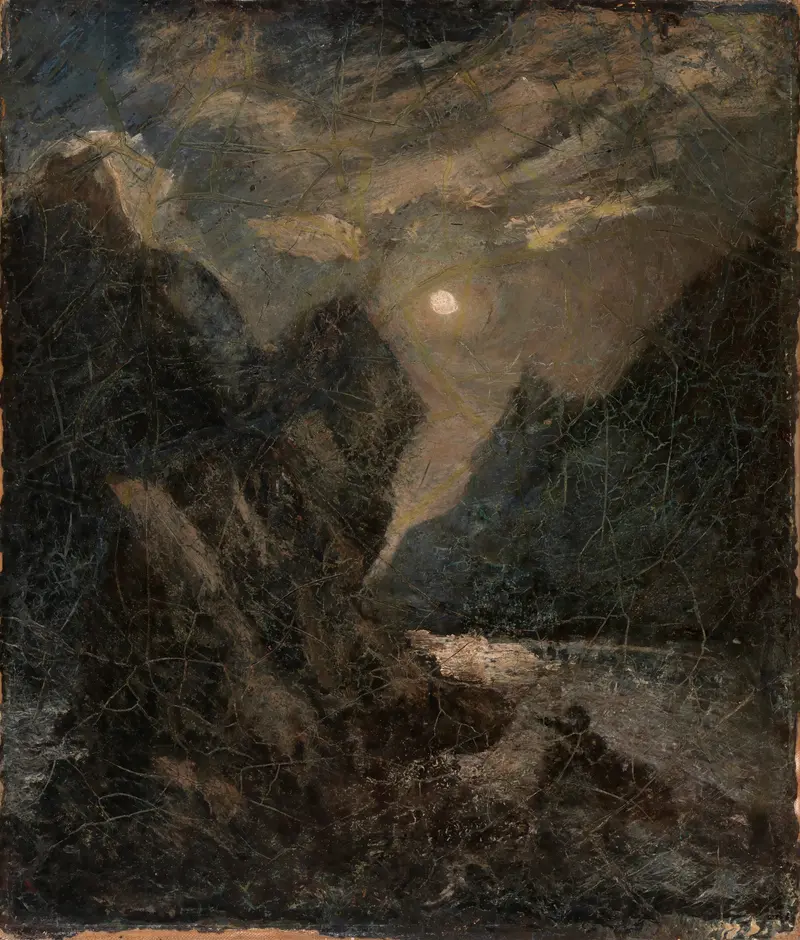
The Lorelei
Albert Pinkham Ryder
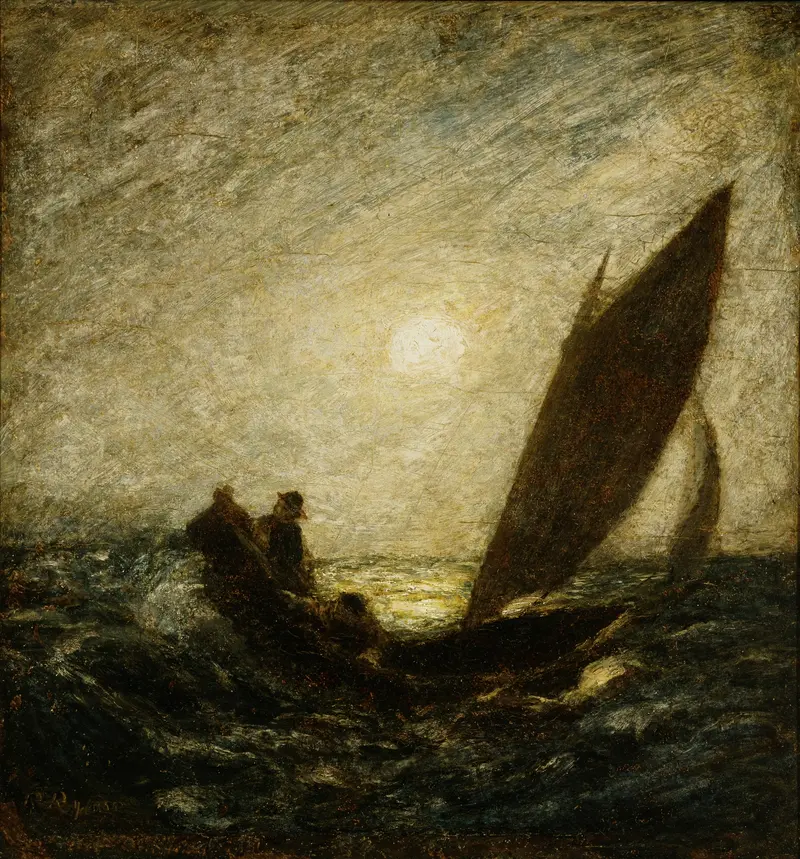
With Sloping Mast And Dipping Prow
Albert Pinkham Ryder
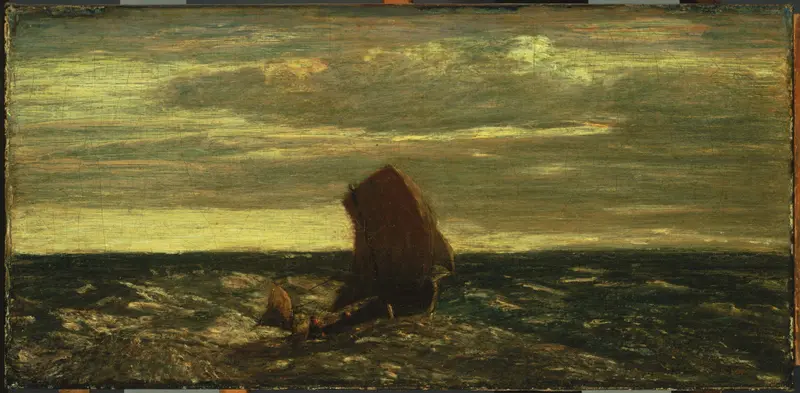
Homeward Bound
Albert Pinkham Ryder
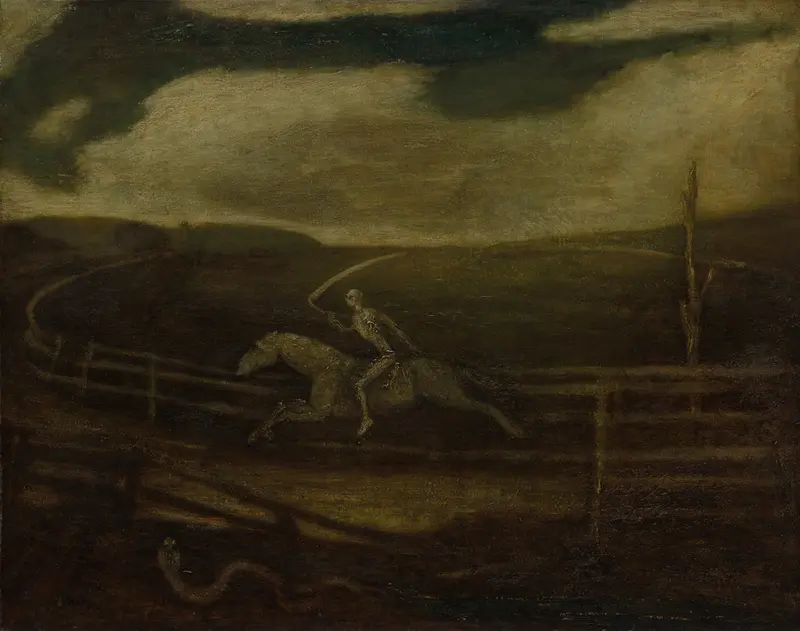
The Race Track (Death on a Pale Horse)
Albert Pinkham Ryder
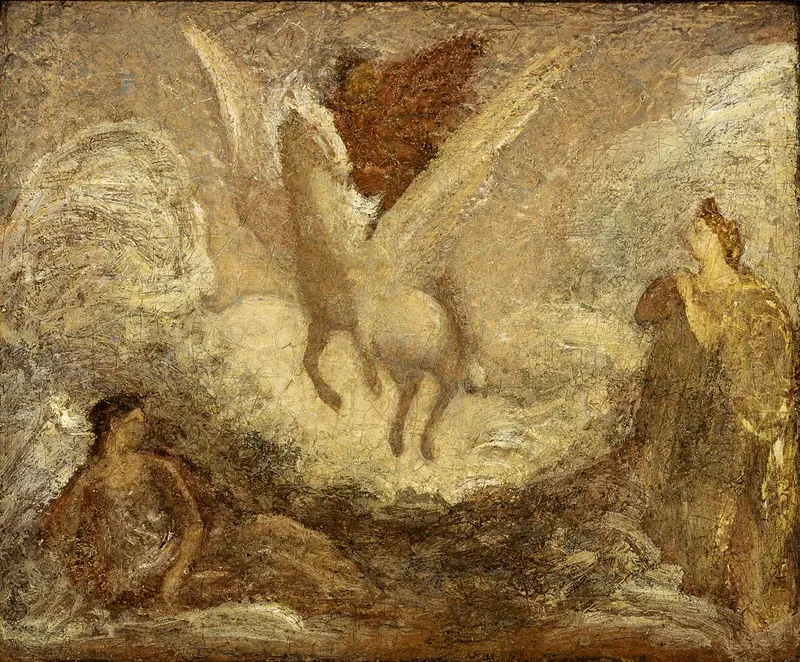
Pegasus Departing
Albert Pinkham Ryder
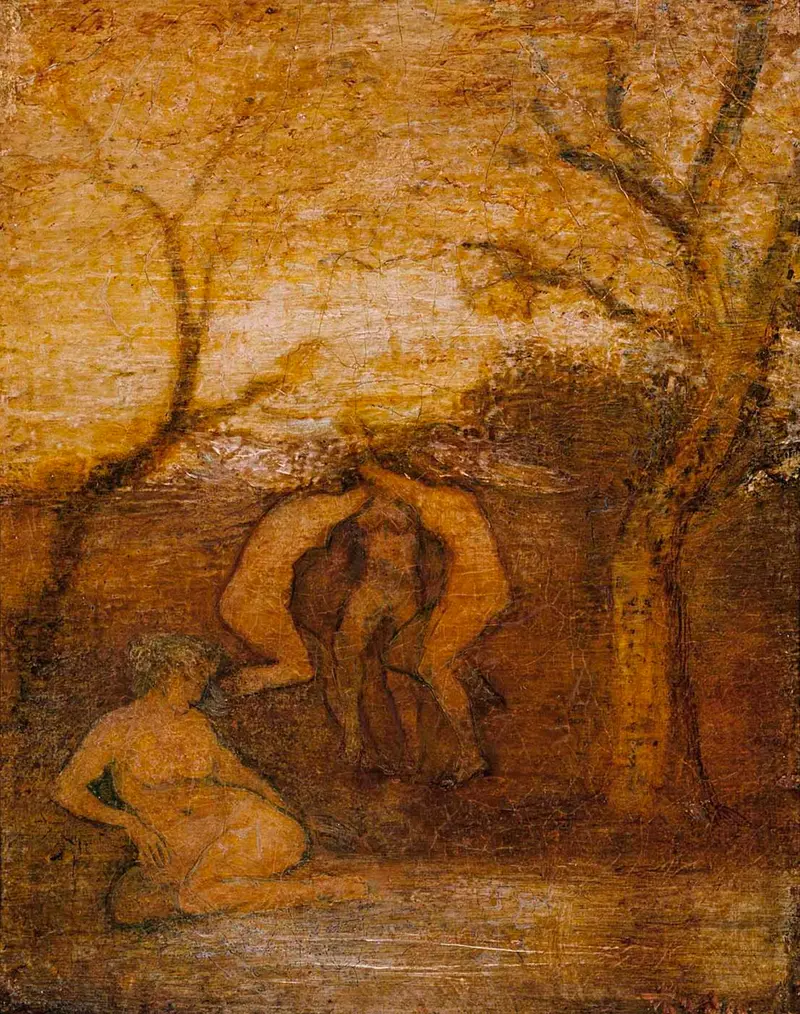
Dancing Dryads
Albert Pinkham Ryder
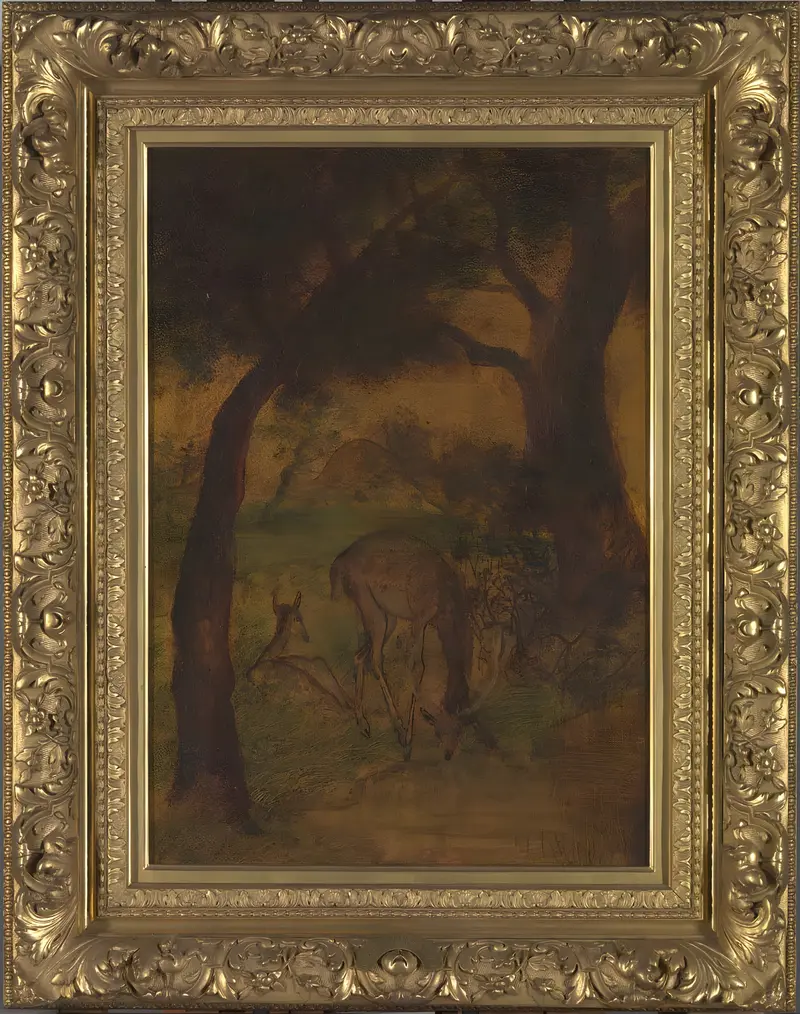
A Stag Drinking
Albert Pinkham Ryder
Jonah
Albert Pinkham Ryder





