
Consul Christen Sandberg — History & Facts
A commanding presence fills the frame, not through grandeur or ornament, but by the sheer solidity of the figure and the frankness of his gaze. The man stands with his hands tucked into his pockets, his feet planted wide, his body forming a grounded, almost architectural shape against the pale geometry of the door and wall. The ochre wallpaper to the left, patterned with loose vines, hints at a domestic or official interior, while the white door and its golden handle provide a stark, almost clinical contrast.
Light falls evenly, flattening space and drawing attention to the sitter’s face: flushed, bearded, and appraising, he meets the viewer’s eyes with a mixture of challenge and fatigue. The artist’s brushwork is visible and loose, especially in the suit and floor, suggesting a portrait painted as much for psychological effect as for likeness. Painted in 1901, this work belongs to a period when portraiture was undergoing a transformation in northern Europe. Patrons—often civic leaders, professionals, or industrialists—commissioned portraits to signal status, but artists like Edvard Munch brought a new psychological intensity to the genre.
Gone is the polished finish of academic portraiture; instead, the sitter’s bulk and directness seem to press outward, as if the painting itself can barely contain him. The unknown medium and the unfinished quality at the edges only add to the sense of immediacy. Now part of the Google Art Project’s collection, Consul Christen Sandberg stands as a testament to a moment when portraiture became less about idealization and more about the raw encounter between artist and subject—an invitation to look, and be looked at, in return.
More Artworks by Edvard Munch

The Scream
Edvard Munch

The Scream (1910 version)
Edvard Munch

Despair
Edvard Munch

The Day After
Edvard Munch
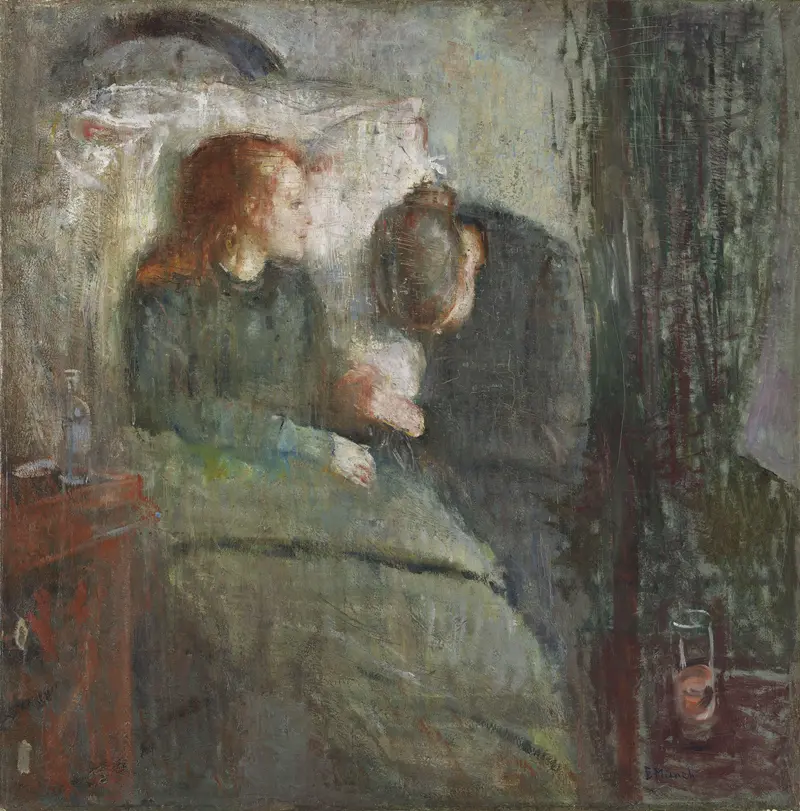
The Sick Child
Edvard Munch
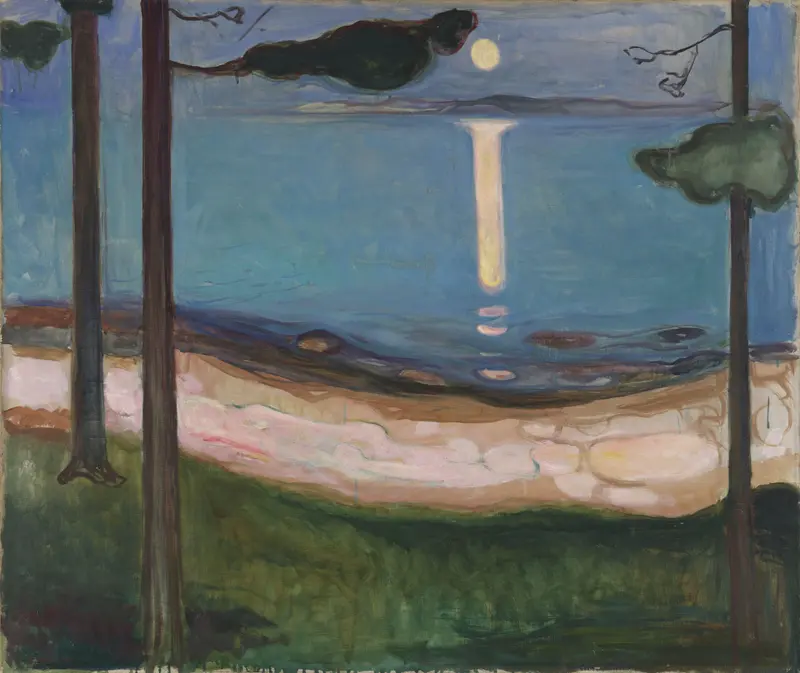
Moonlight
Edvard Munch
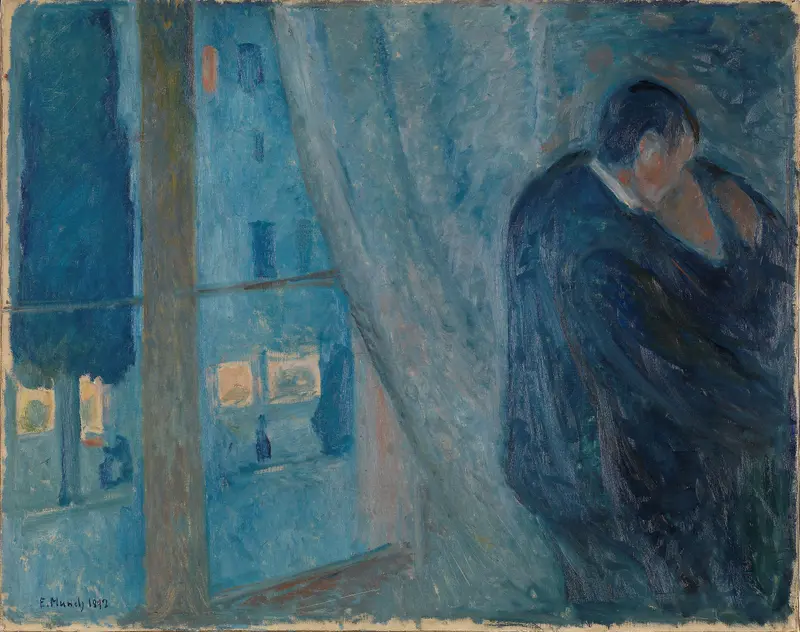
The Kiss
Edvard Munch
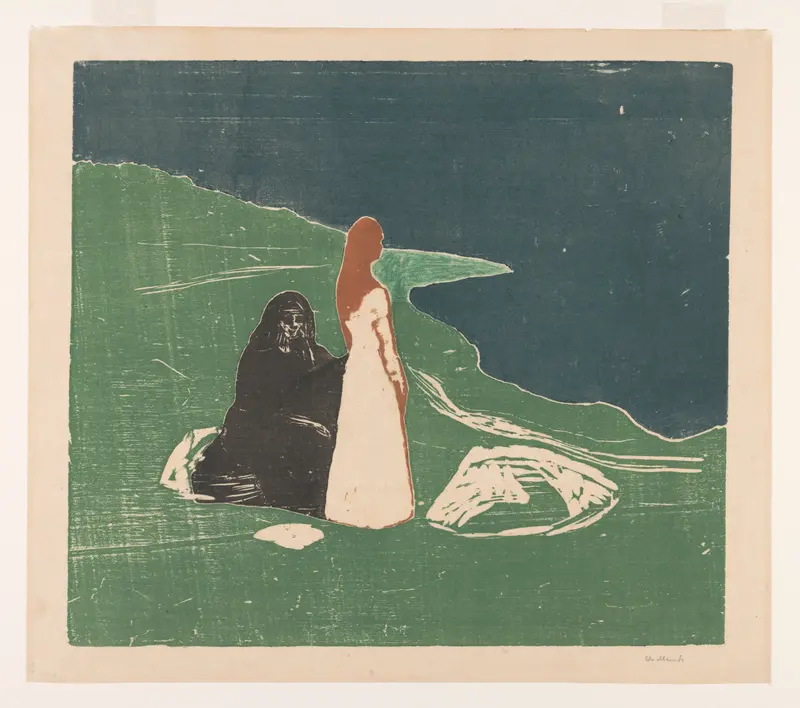
Two Women on the Shore
Edvard Munch
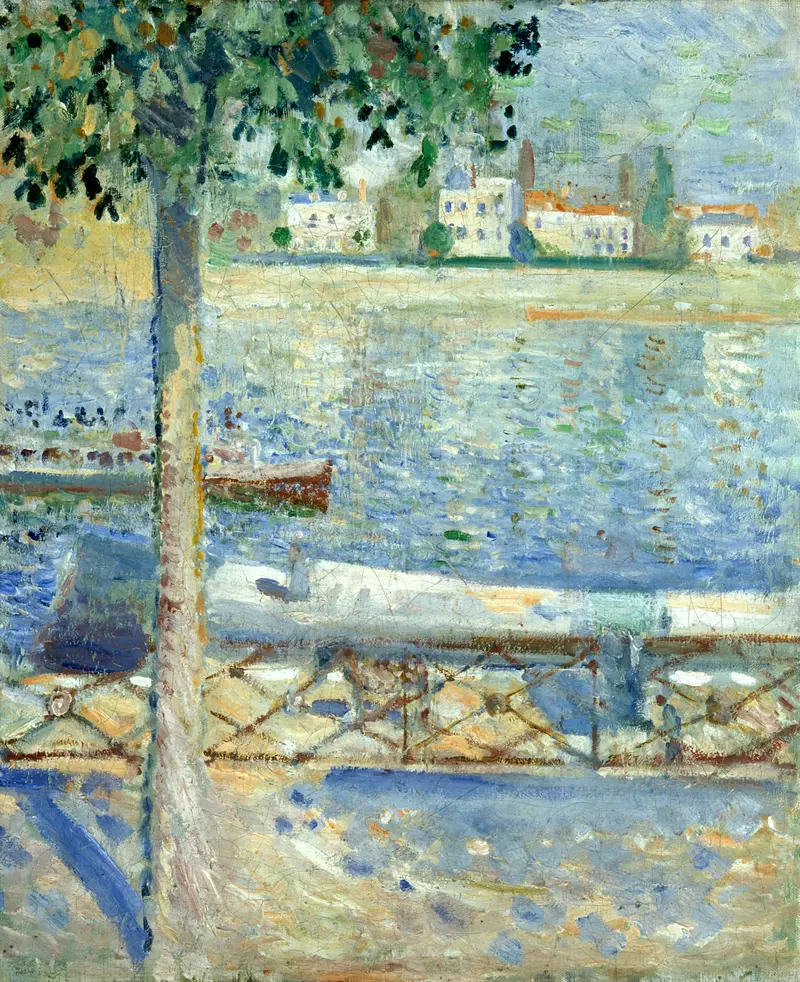
The Seine At Saint-Cloud
Edvard Munch
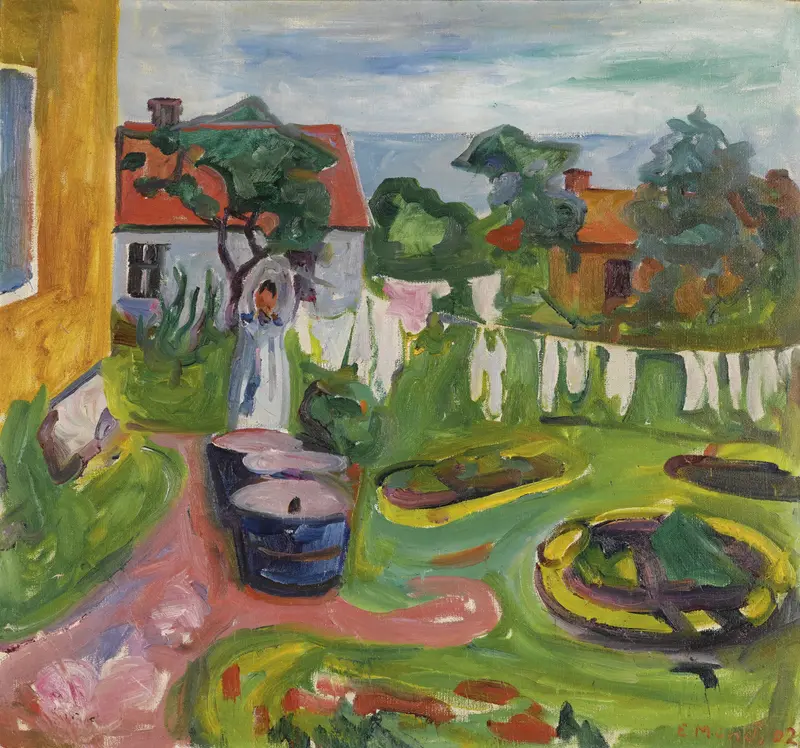
Klestørk I Åsgårdstrand (Clothes On A Line In Åsgårdstrand)
Edvard Munch





