Discover insights about this artwork
Conversion of Saint Paul — History & Facts
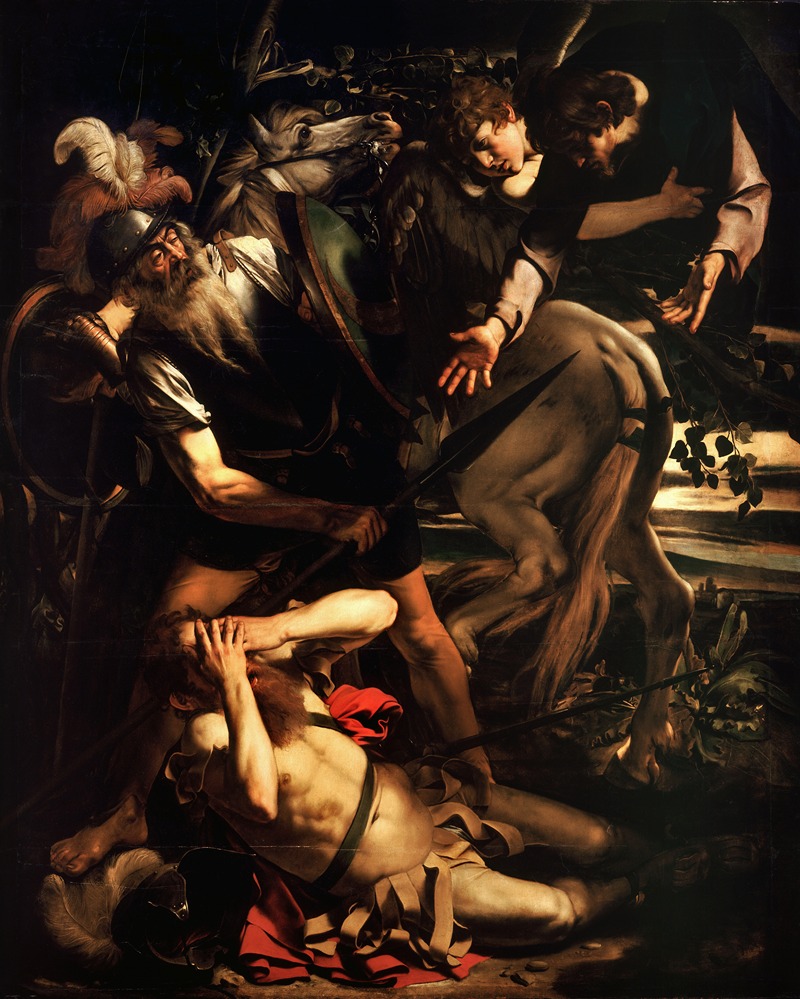
Conversion of Saint Paul shows a dramatic scene where Saint Paul is thrown from his horse, surrounded by bright light. The figures are dressed in dark colors, contrasting sharply with the intense illumination that highlights Paul's astonished face. The horse is depicted mid-rear, adding to the sense of movement and urgency.
The background is dark and shadowy, enhancing the focus on the central moment of transformation. Take note of the expressions on the faces of the surrounding figures, which show a mix of surprise and concern. The use of light and shadow is characteristic of Caravaggio's style, known as chiaroscuro, which creates depth and drama. You can see the details in the textures of the clothing, from the rough fabric to the shiny armor.
The horse’s powerful form is rendered with dynamic energy, making the scene feel alive. Caravaggio painted this work during the early 17th century, a time when he was known for his realistic and emotional style. The painting illustrates the moment of Saint Paul's conversion on the road to Damascus, a significant event in Christian history. It is said that this artwork was commissioned for a church, reflecting the artist's connection to religious themes.
One interesting fact is that Caravaggio often used his own friends and acquaintances as models for his figures, making his works feel relatable and grounded.
More Artworks by Caravaggio
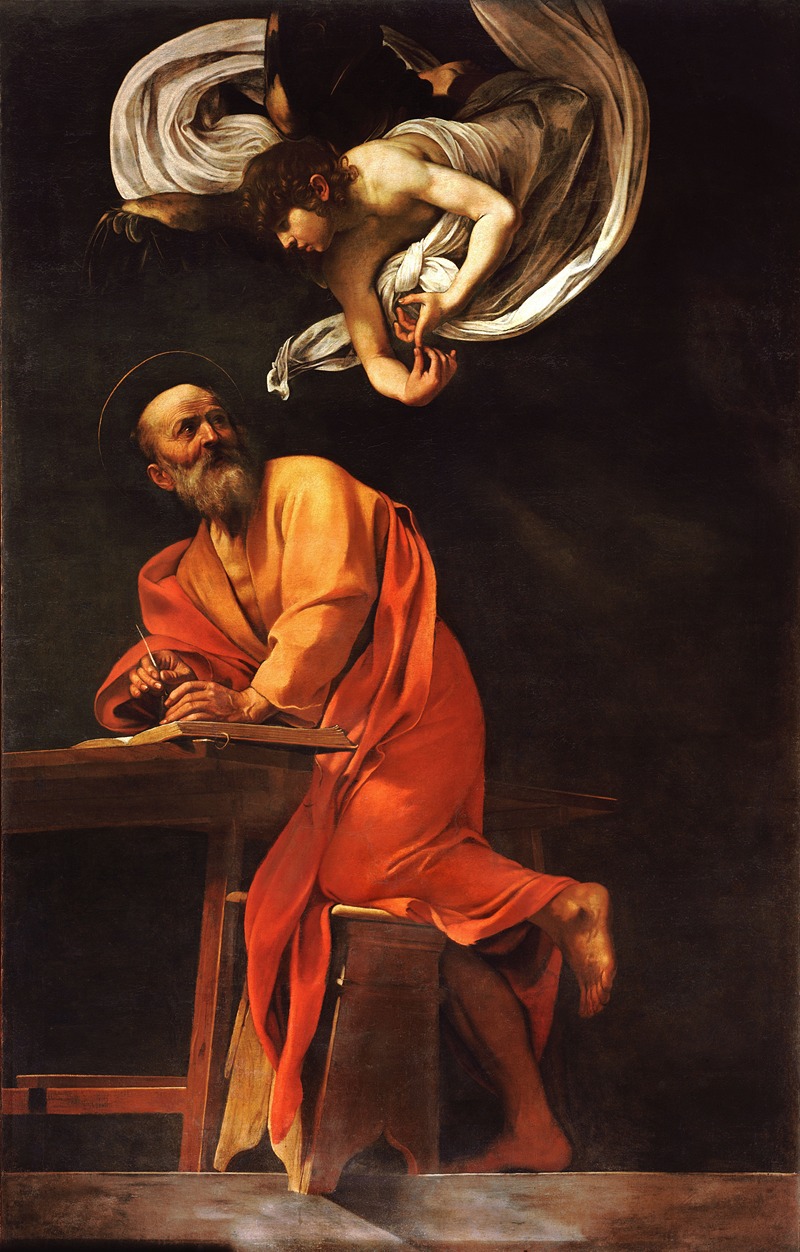
Saint Matthew and the angel
Caravaggio

Medusa
Caravaggio
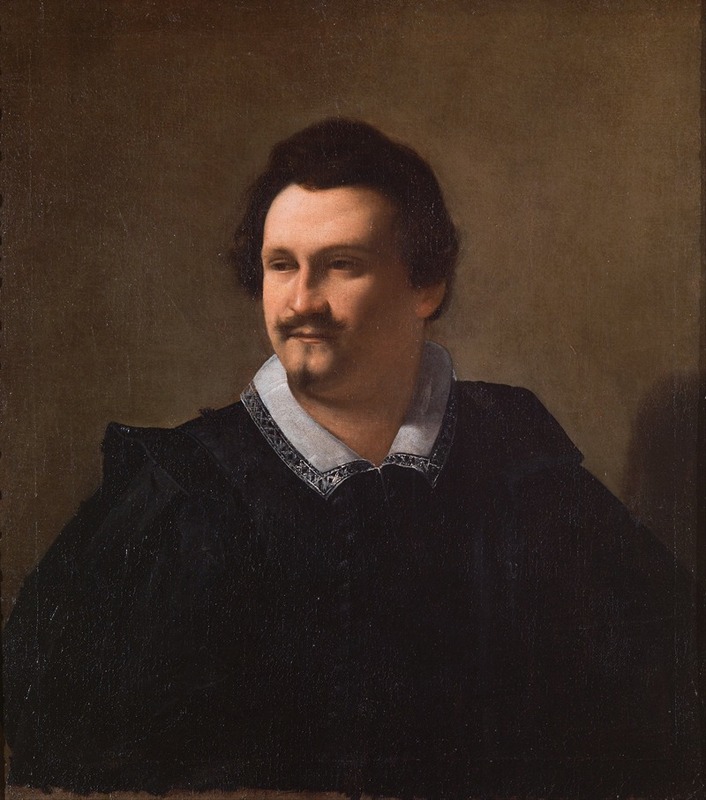
Portrait of a gentleman (Scipione Borghese)
Caravaggio
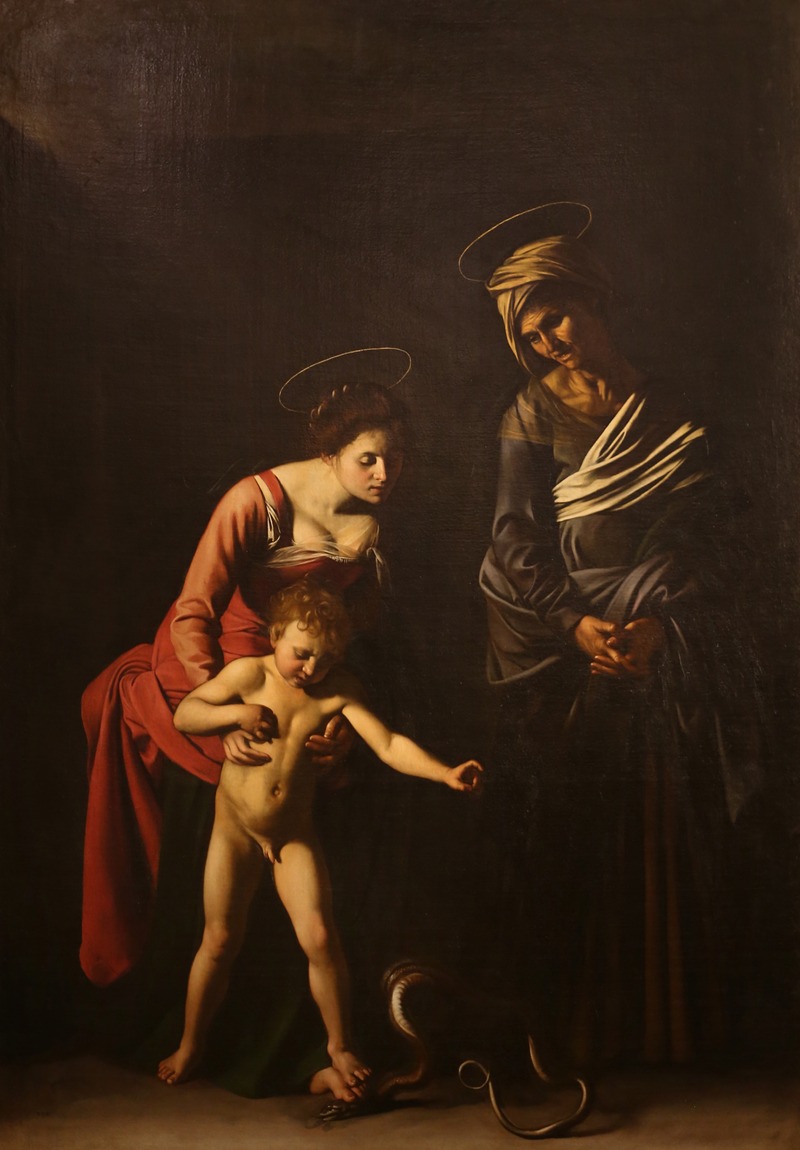
Madonna and Child with Saint Anne
Caravaggio
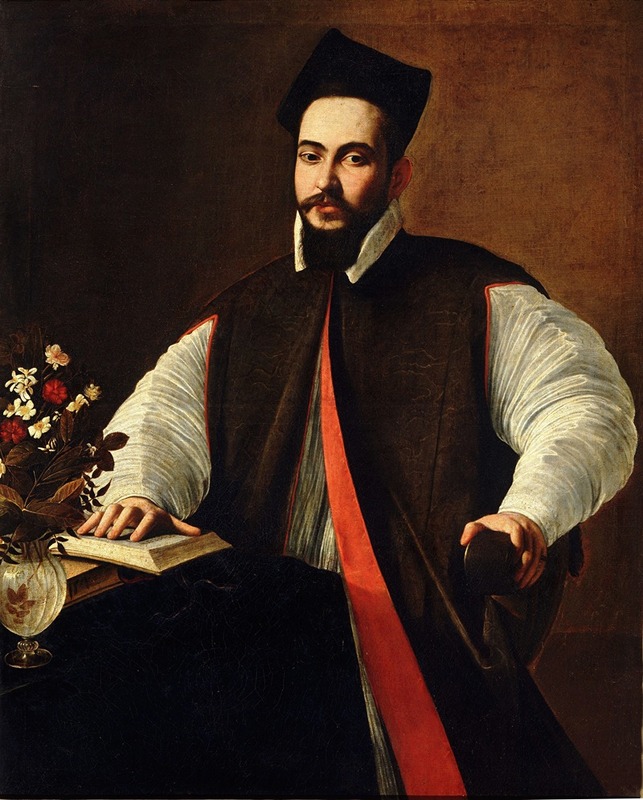
Portrait of Pope Urban VIII
Caravaggio
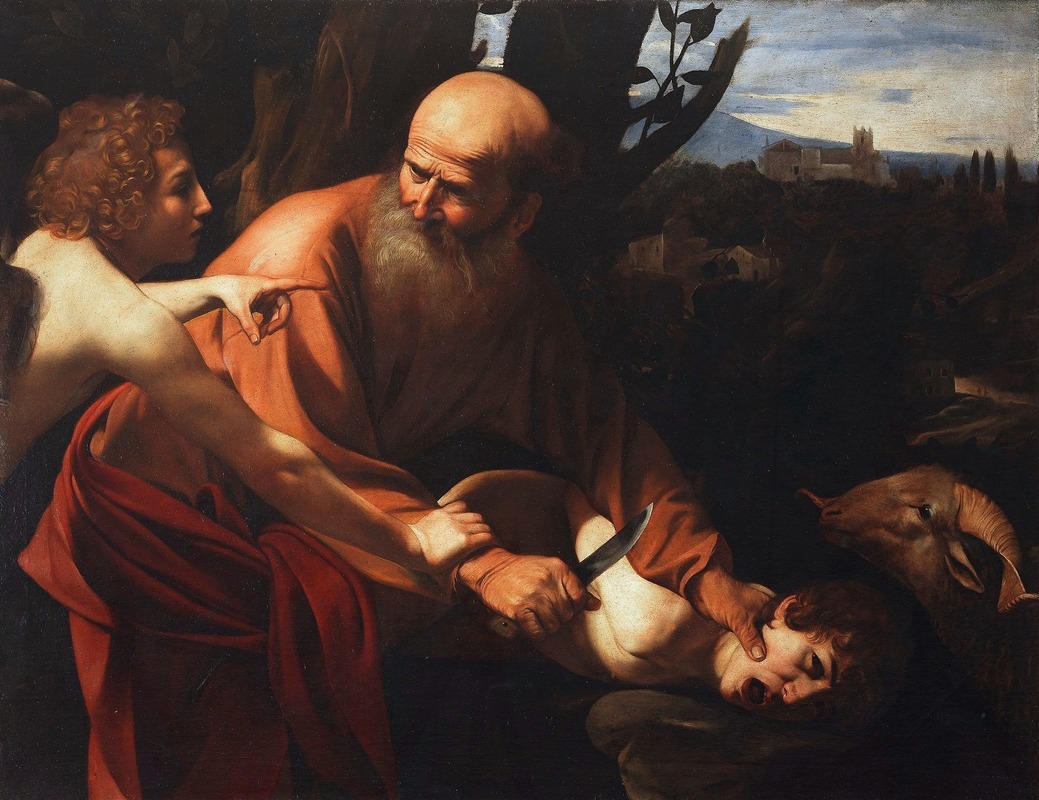
Sacrifice of Isaac
Caravaggio
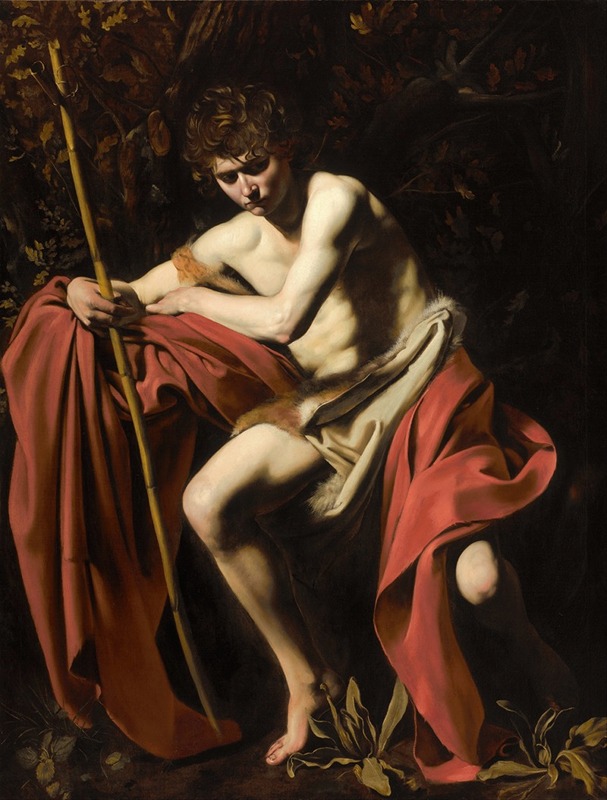
Saint John The Baptist In The Wilderness
Caravaggio
Supper at Emmaus
Caravaggio
The Conversion of Saint Paul
Caravaggio
The Denial of Saint Peter
Caravaggio