
Corbieres — History & Facts
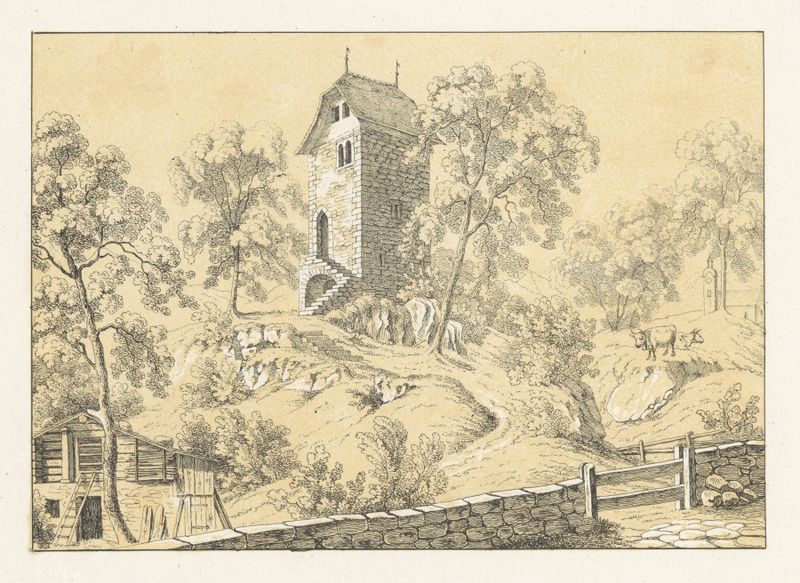
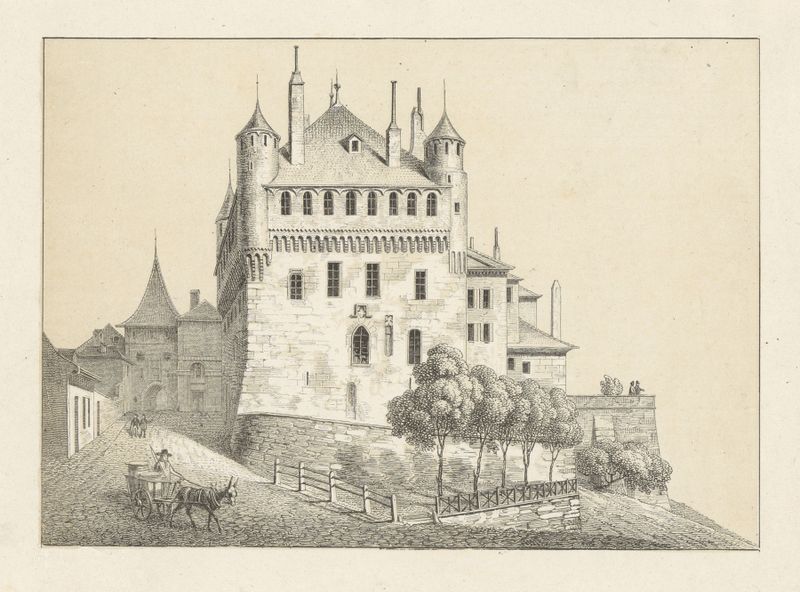
Is this a mirror — or a memory? Within the confines of time, images linger, pulsating with the essence of what once was, inviting us to engage with the echoes of our past. Look closely at the horizon, where muted greens and browns intertwine in a delicate dance, drawing the eye toward the rolling hills. The soft brushstrokes suggest movement, as though the landscape breathes with a quiet vitality. Notice how the light spills across the canvas, illuminating patches of wildflowers, each bloom an unintended homage to the beauty of impermanence.
The color palette, a blend of earthy tones, evokes warmth and an intimate familiarity, encouraging a deep, contemplative gaze. As your focus shifts, observe the intricate details: a solitary figure walking the path, a fleeting glimpse of life within the tranquil scene. This solitary presence, almost lost against the expansive backdrop, hints at the loneliness that accompanies nostalgia. The viewer is compelled to ponder: what burdens do we carry, and what memories do we cherish? The work invites reflection on the juxtaposition of solitude and connection, balancing the weight of longing with the lightness of hope. Created between 1840 and 1844, this piece emerged during a transformative period for the artist, who found himself navigating the currents of Romanticism.
Amidst the landscape of 19th-century Europe, filled with upheavals and evolving artistic ideals, he synthesized personal experience with broader cultural sentiments. The tranquil yet evocative atmosphere of the work encapsulates his exploration of the self, the environment, and the nostalgia that binds them together.
More Artworks by Johann Friedrich Wagner
Browse all →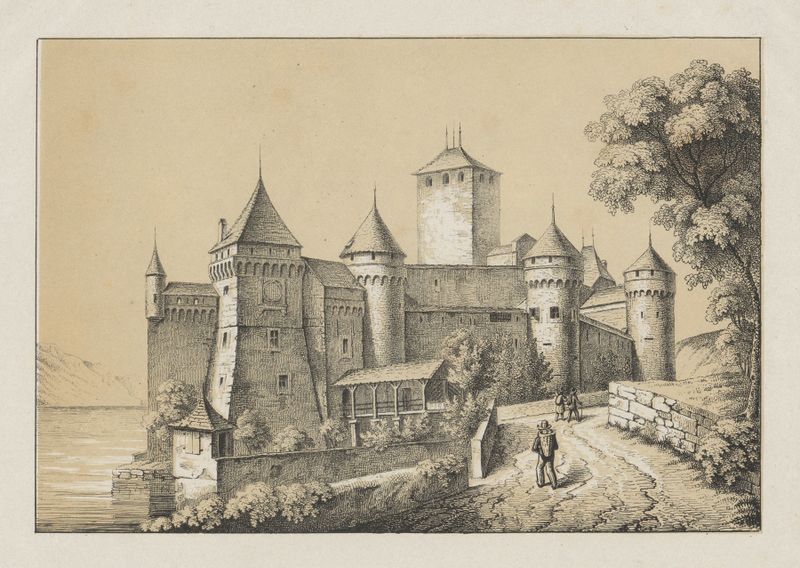
Chillon
Johann Friedrich Wagner

Valangin
Johann Friedrich Wagner
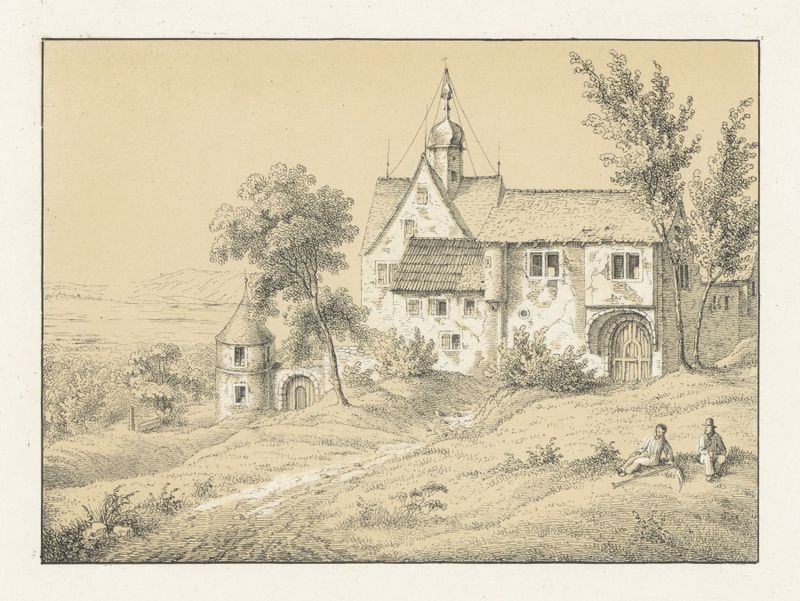
Greifenstein
Johann Friedrich Wagner

Vorburg
Johann Friedrich Wagner
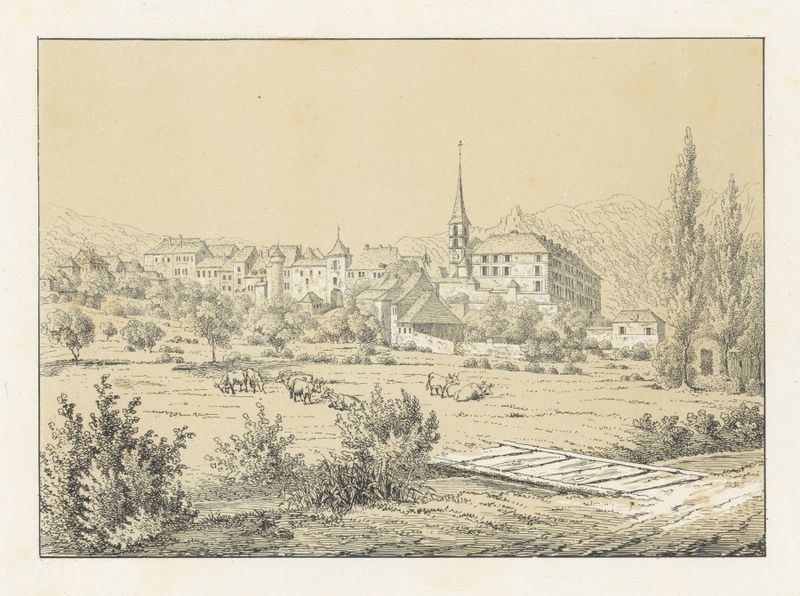
Delémont
Johann Friedrich Wagner

Pleujouse
Johann Friedrich Wagner

Challay
Johann Friedrich Wagner
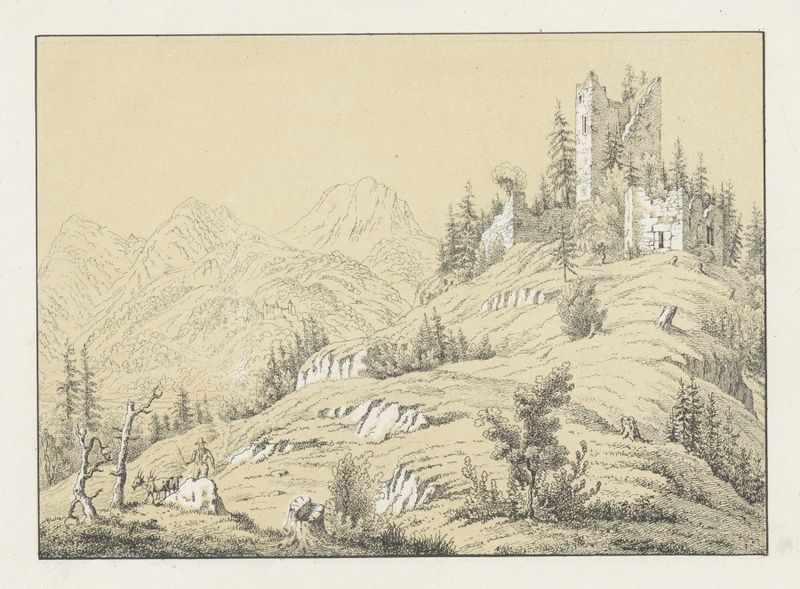
Mont Salvant
Johann Friedrich Wagner
Aha. Od. Untere Burg von Sarnen
Johann Friedrich Wagner
Lausanne
Johann Friedrich Wagner





