
Cottage — History & Facts
Did the painter know this moment would outlive them? Cottage evokes a profound sense of stillness and continuity, bridging the past with the present, whispering tales of time’s relentless passage through a simple yet intimate scene. Look to the soft contours of the cottage nestled among the vibrant greens of the surrounding landscape. The warm earth tones of the building contrast beautifully with the lush foliage, drawing your gaze to the inviting door, slightly ajar. Notice the way light floods in, illuminating the interior—a symbol of welcome, of life, even amid an apparent stillness.
Each brushstroke reveals a meticulous care for detail, from the textured thatch of the roof to the gentle shadows that play along the ground, creating an atmosphere steeped in tranquility. Within this tranquil scene lies a wealth of emotional subtext. The cottage, seemingly frozen in time, may represent the transient nature of human life against the backdrop of an eternal landscape. The slight opening of the door suggests a threshold not just to the cottage but to memories and stories that linger long after the last inhabitant has gone.
It beckons viewers to ponder the life that once filled this space, invoking contrasts of solitude and warmth, permanence and ephemerality. Painted between 1929 and 1930, this work emerges during a period of significant social and artistic change. Zolo Palugyay created it in a world still reeling from the Great Depression, where personal struggles were often reflected in art. This piece exemplifies his mastery of landscape painting, showcasing a deep appreciation for nature’s beauty while capturing moments that resonate through time, allowing the viewer to connect with a fleeting yet enduring experience.
More Artworks by Zolo Palugyay
Browse all →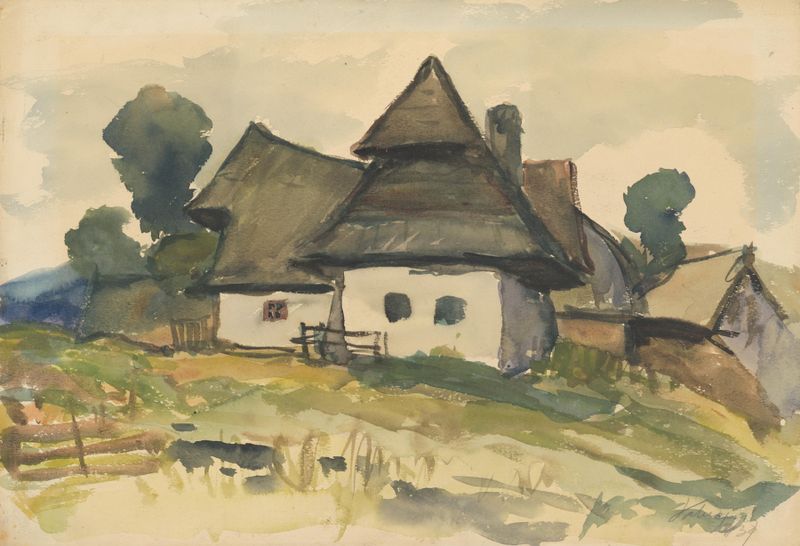
Dedinský motív
Zolo Palugyay
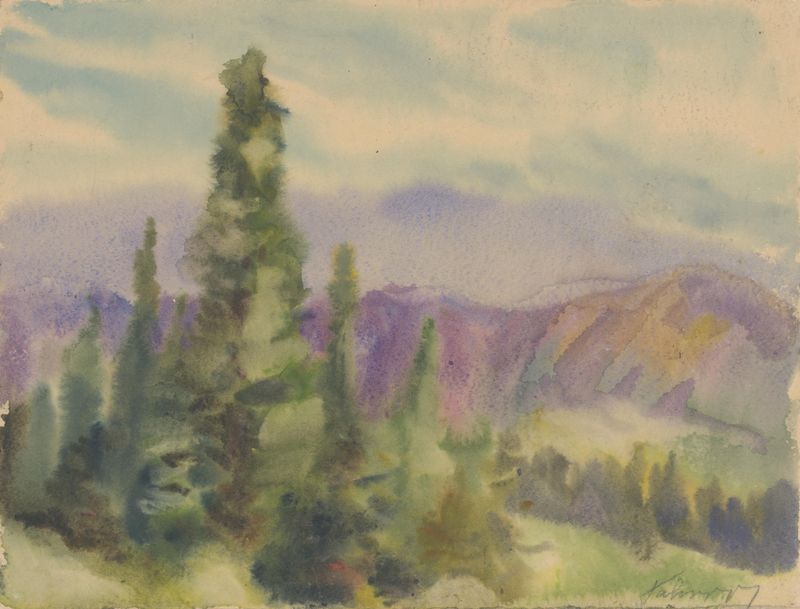
Motif from Liptov Mountains
Zolo Palugyay
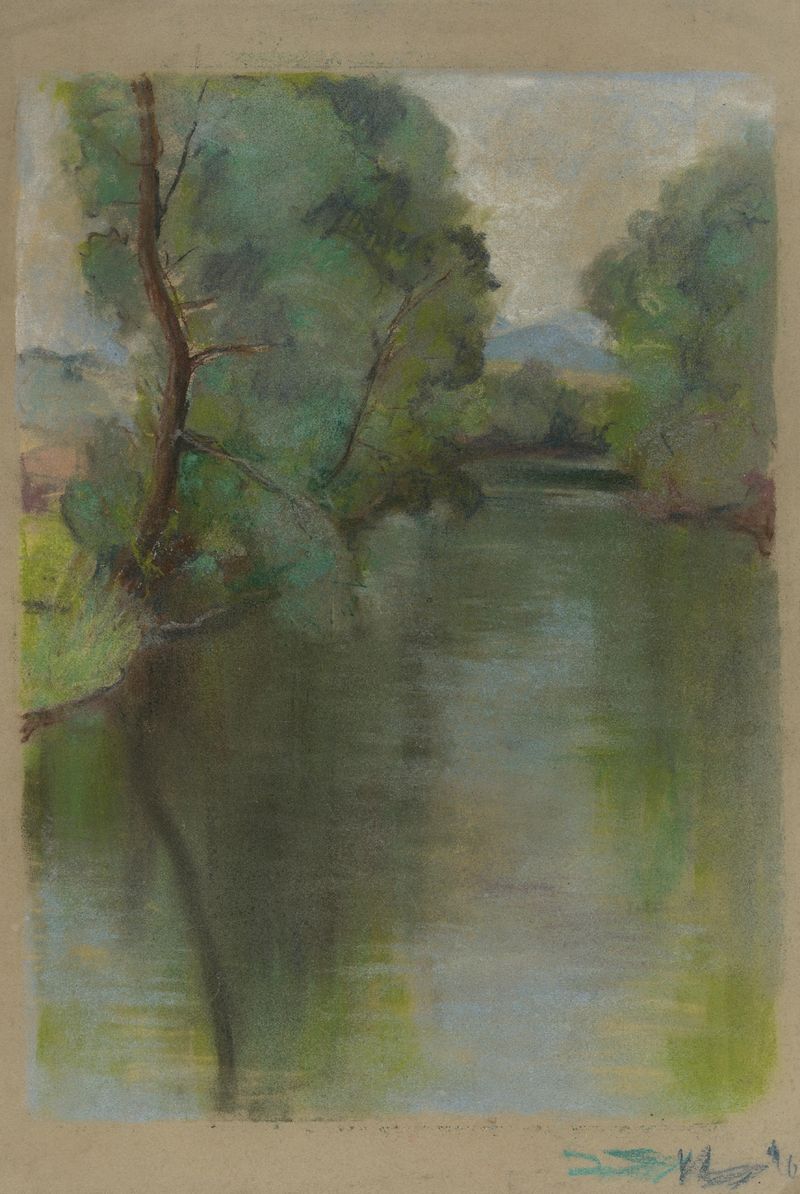
Silent River
Zolo Palugyay
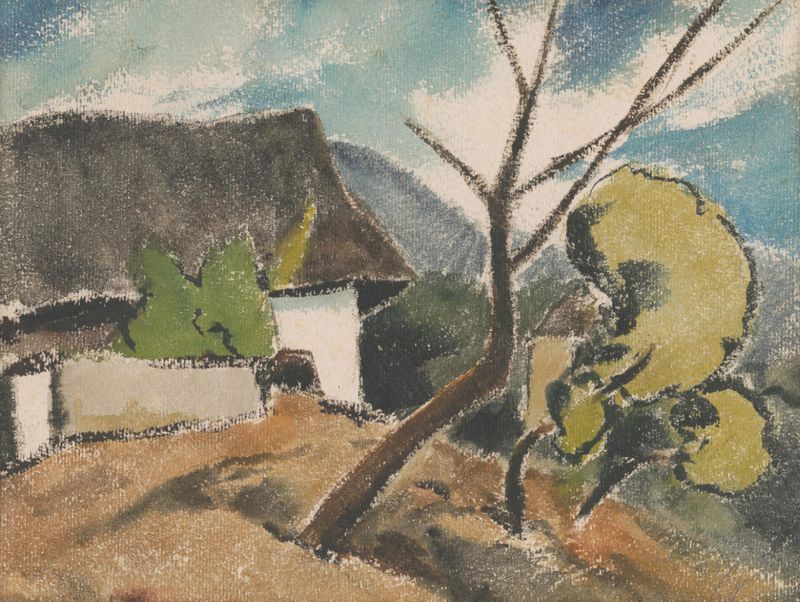
Oravská chalupa
Zolo Palugyay
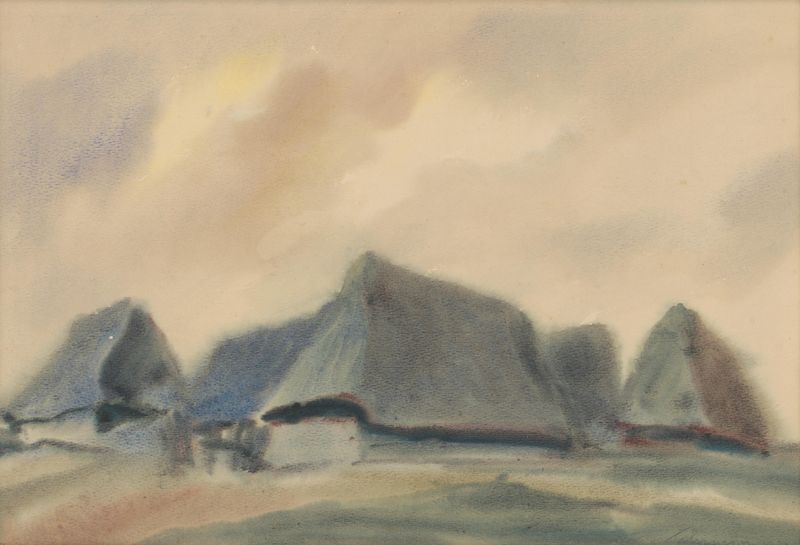
Modré chalupy
Zolo Palugyay
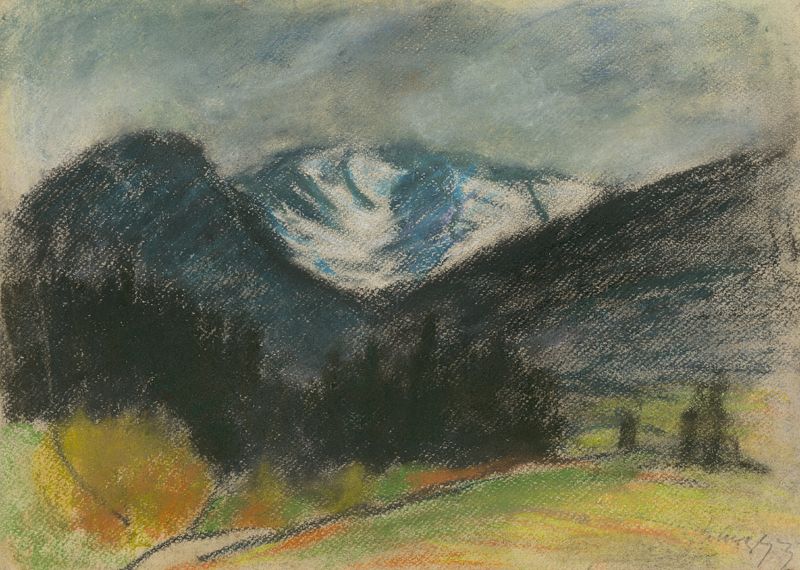
Mountain Landscape with Snowy Peaks
Zolo Palugyay
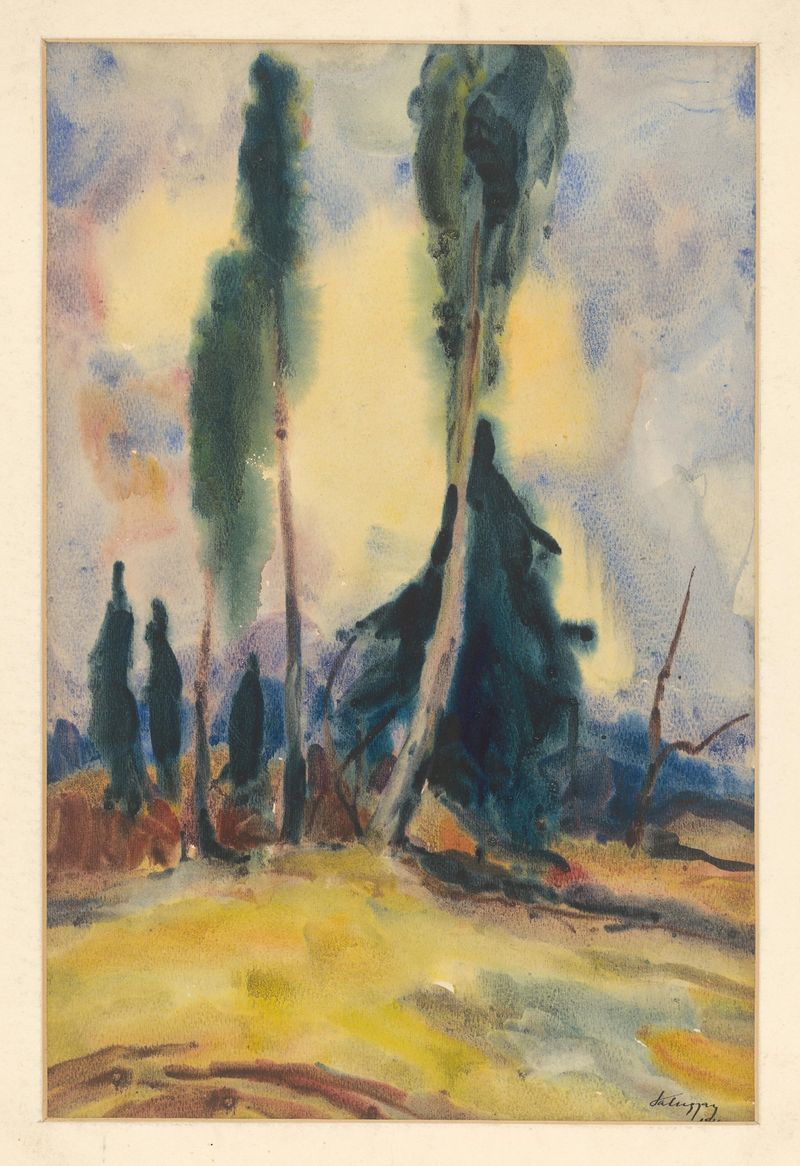
Three Trees on a Plain
Zolo Palugyay
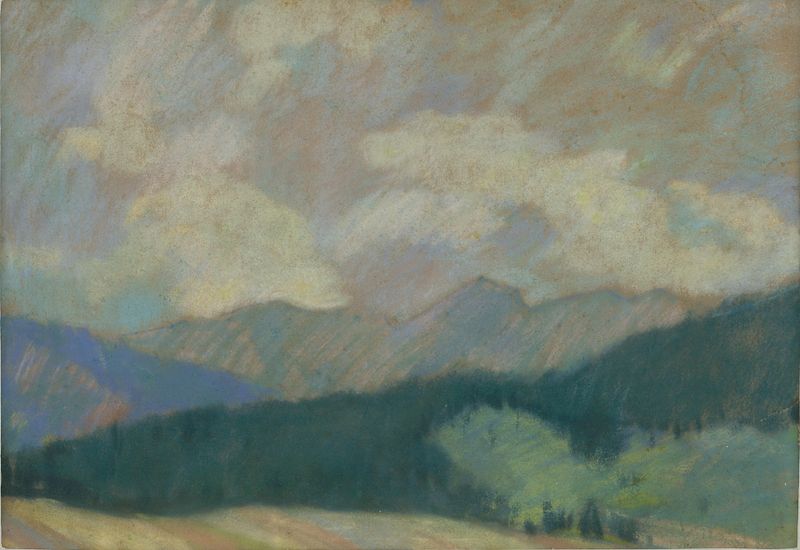
Horská krajina
Zolo Palugyay
Tatra Landscape
Zolo Palugyay
Spring Landscape
Zolo Palugyay





