
Counter-Composition of Dissonances XVI — History & Facts
Rectangles tilted on the diagonal cross a wide canvas, separated by thick black diagonal lines. Most of the blocks are white and gray. A few carry color: a blue block at the top center, ocher and yellow on the left, red toward the lower right, and black at the bottom.
The pieces run off all four edges, so the pattern seems to continue beyond the frame. The Kunstmuseum Den Haag dates the painting to between August 27 and November 30, 1925. In 1924 Theo van Doesburg began to doubt Mondrian's Neo-Plasticism and developed his own approach, elementarism, which a text from the Museum De Lakenhal, on another painting in the same series, describes as dynamic where Neo-Plasticism was static. The change shows above all in his diagonal lines.
Tate says Mondrian left the De Stijl group after Van Doesburg adopted diagonal elements. An inscription on the back, HAUT (French for "top") with an arrow, shows which way up the diagonal composition is meant to hang, according to the RKD. Van Doesburg's widow, Nelly van Doesburg-van Moorsel, gave the painting to the museum. It is in the Kunstmuseum Den Haag in The Hague.
More Artworks by Theo van Doesburg
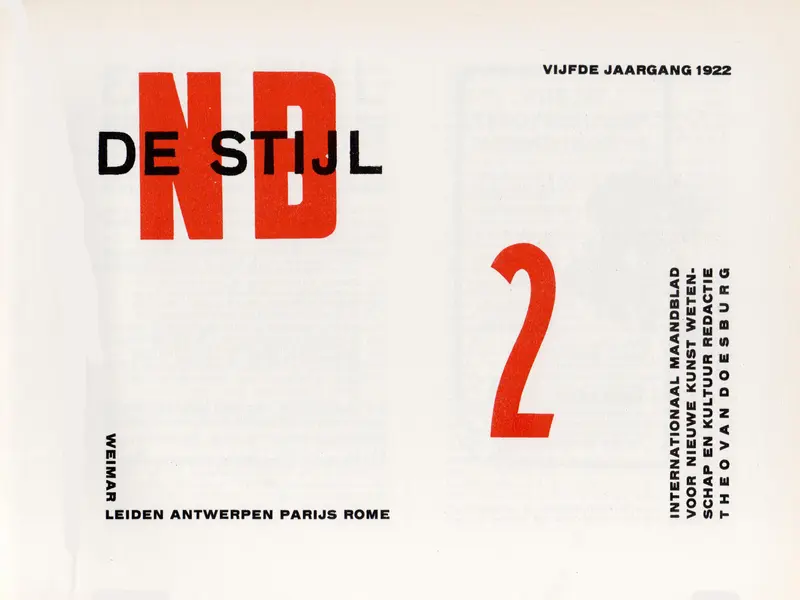
De Stijl, vol. 5, no. 2 (cover)
Theo van Doesburg
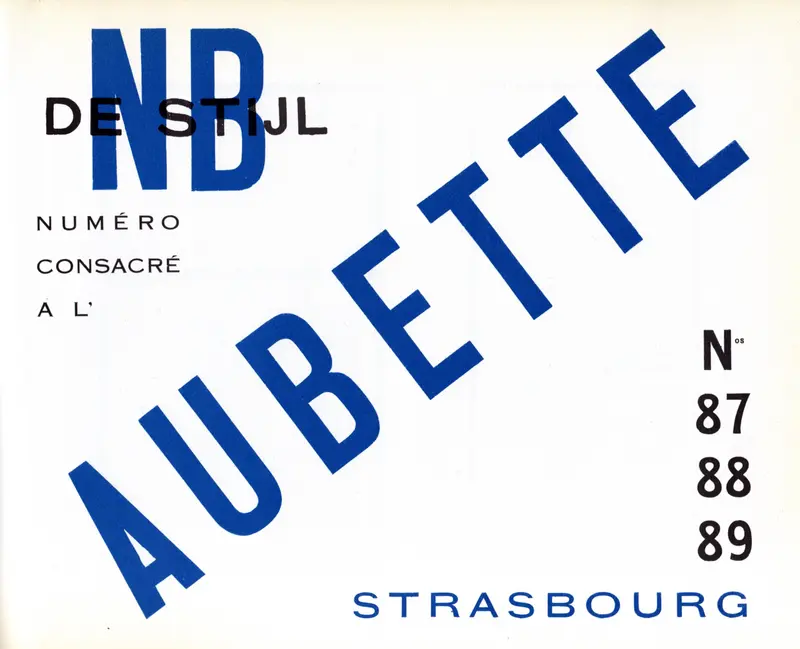
De Stijl, nos. 87–89: Aubette Issue (cover)
Theo van Doesburg
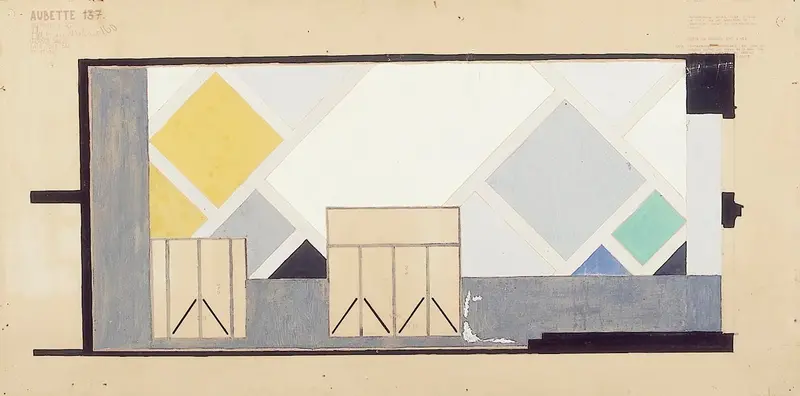
Aubette Ciné-Dancing: Final Color Design for a Wall
Theo van Doesburg
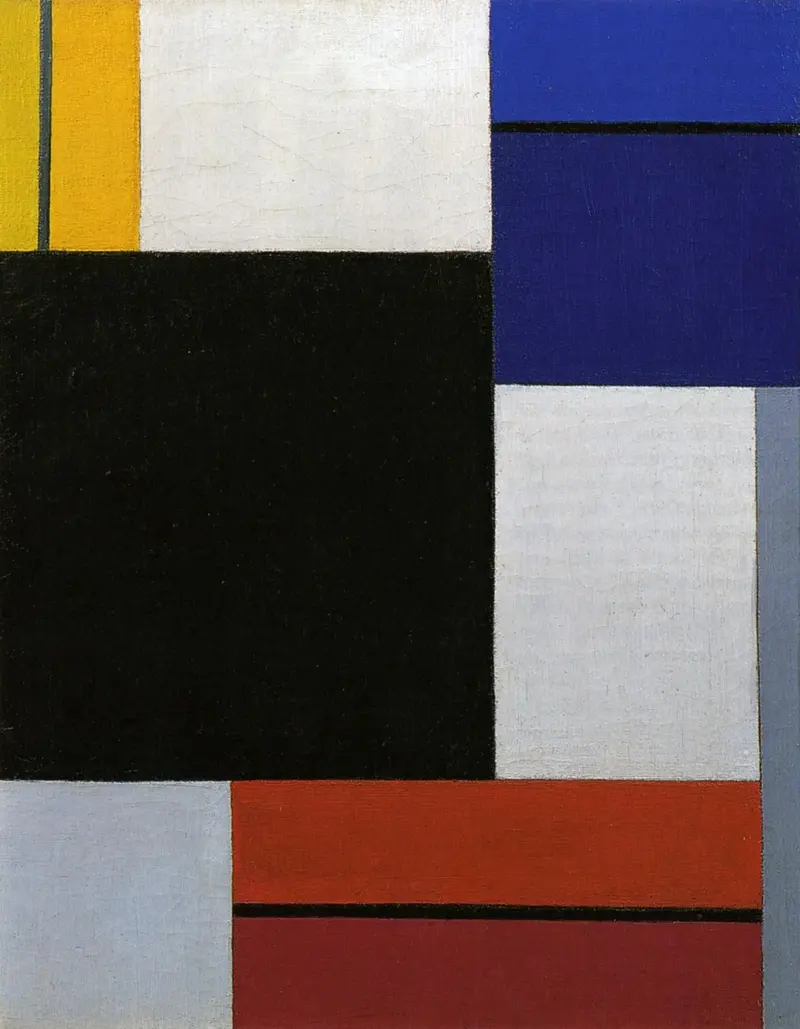
Composition XXI
Theo van Doesburg
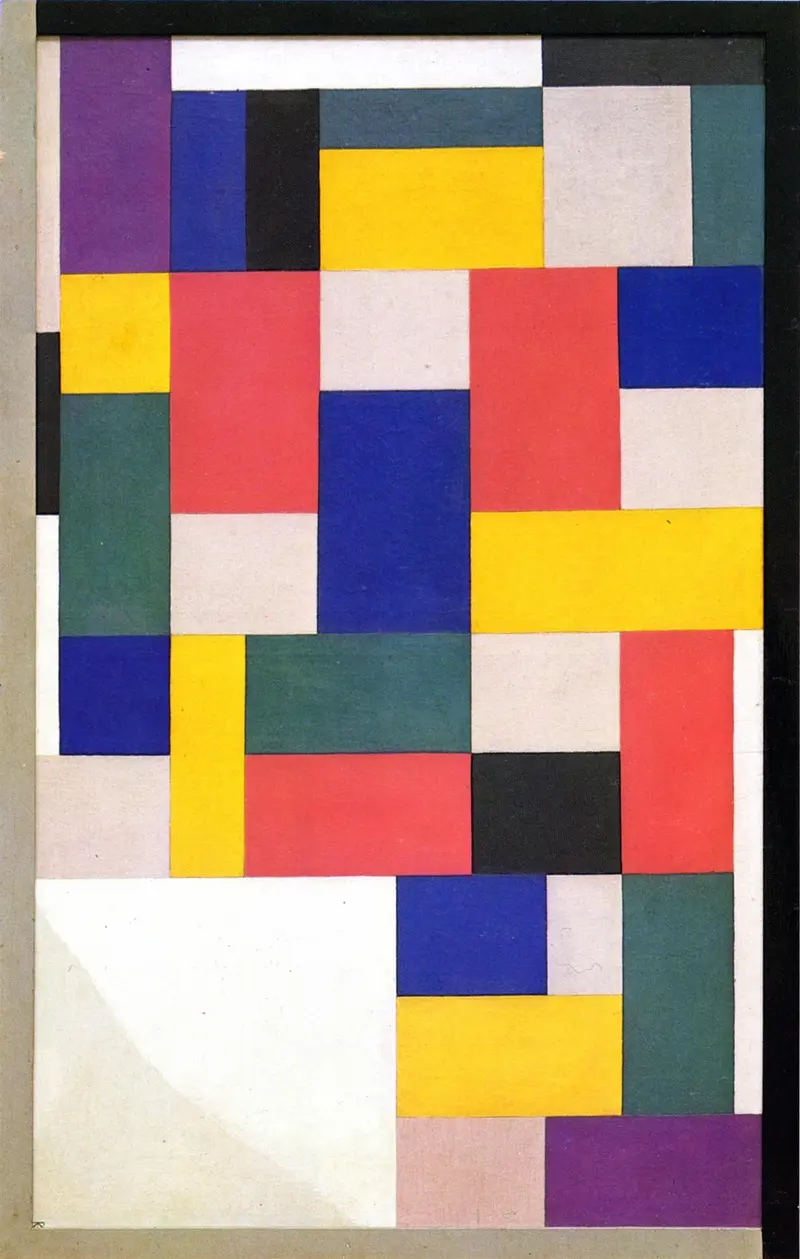
Pure Painting
Theo van Doesburg
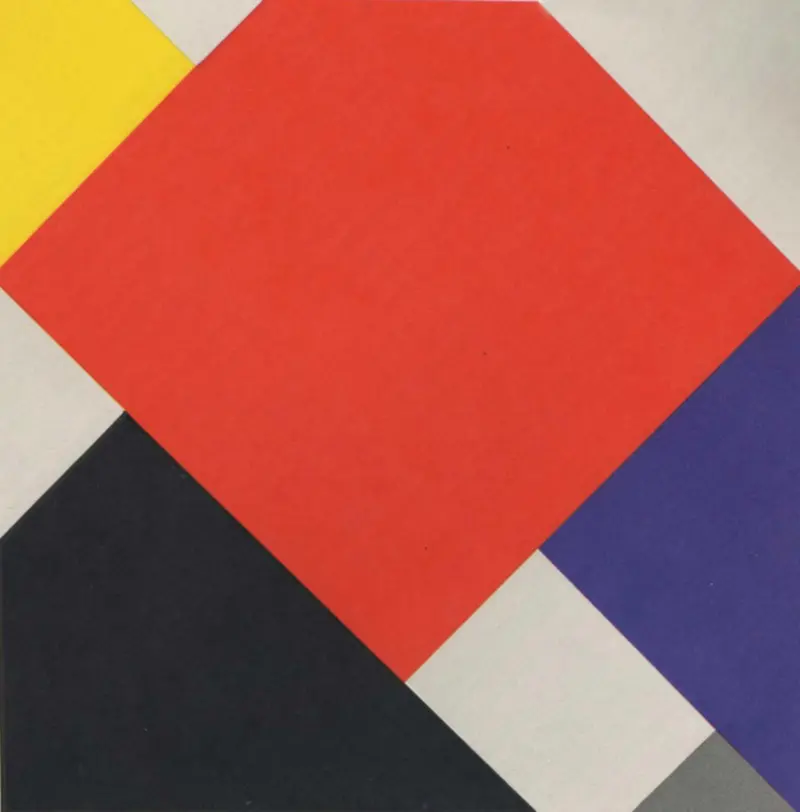
Counter-Composition V
Theo van Doesburg
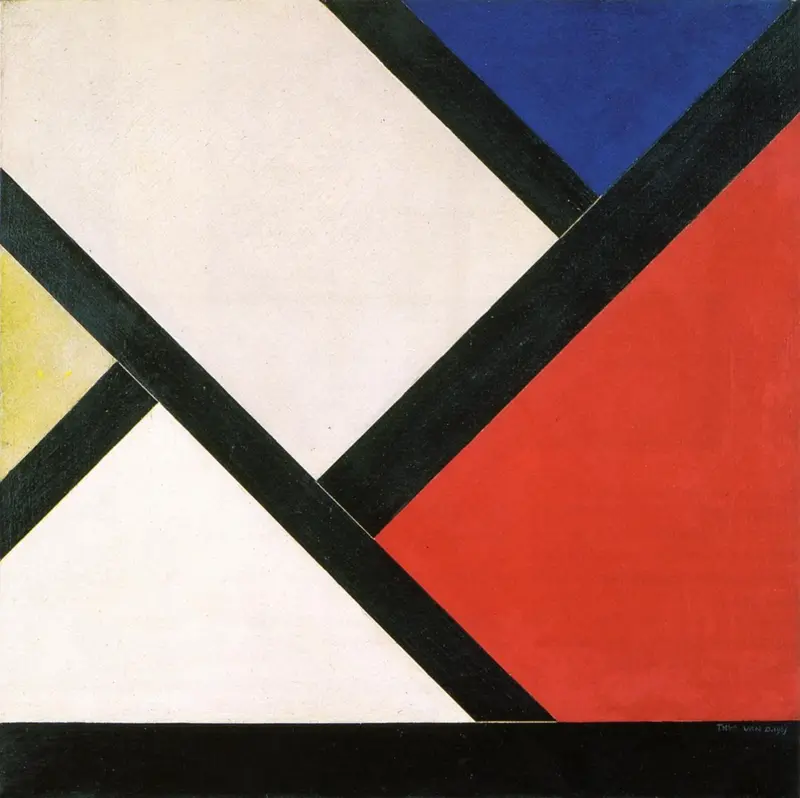
Counter-Composition XIV
Theo van Doesburg
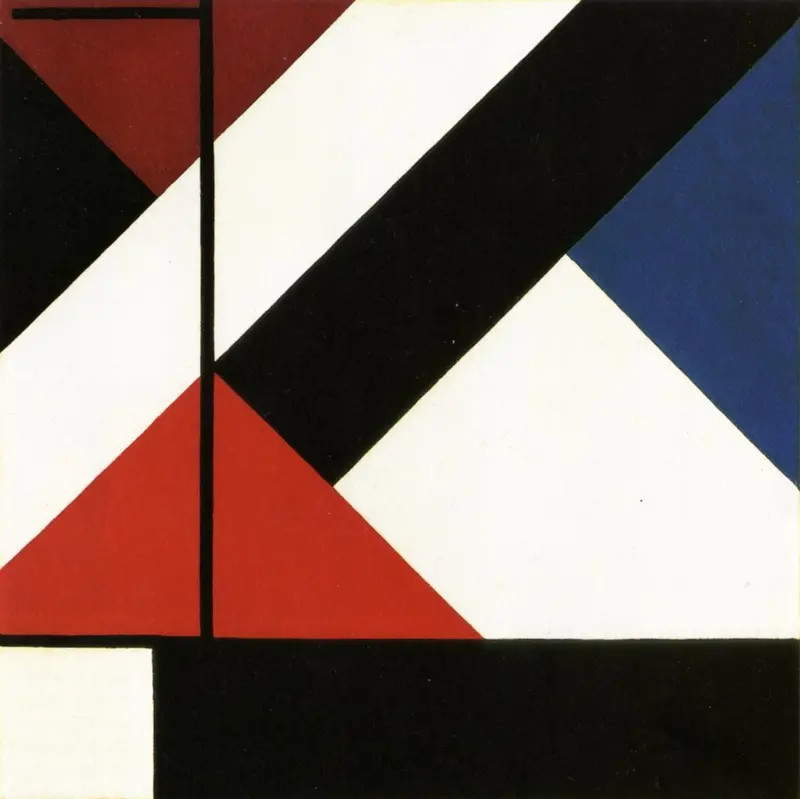
Simultaneous Counter-Composition
Theo van Doesburg
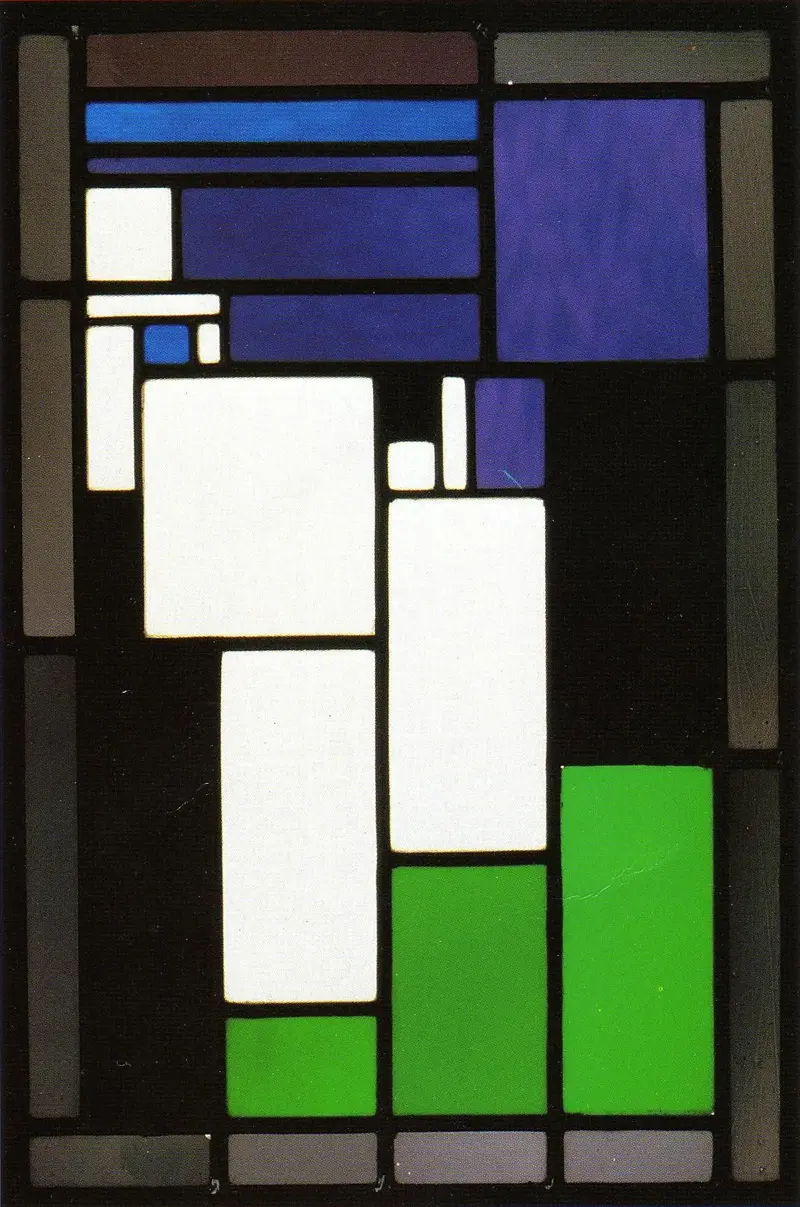
Stained-Glass Composition: Female Head
Theo van Doesburg
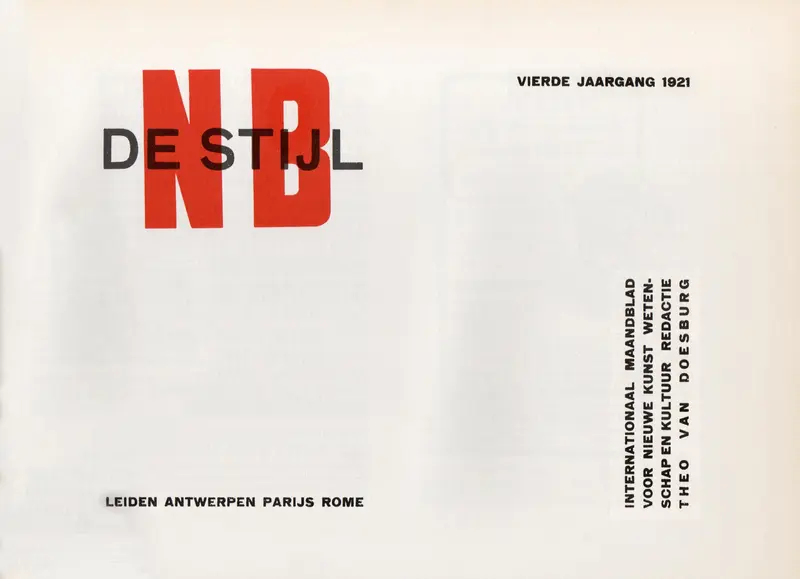
De Stijl, vol. 4, no. 2 (cover)
Theo van Doesburg





