
Courbet Paysage du Jura St Gallen — History & Facts
The first thing that catches the eye in Courbet Paysage du Jura St Gallen is the way sunlight carves out the pale limestone ledges from the rolling green of the Jura landscape. Gustave Courbet’s brushwork lingers on the rugged outcrops, letting the rocks anchor the scene while the shadows beneath them invite the viewer to imagine the cool hush of the undergrowth. The sky, broad and restless with drifting clouds, presses down gently on the slopes, giving the land a sense of weight and quiet.
The palette—earthy greens, ochres, and the creamy stone—signals a world observed closely, not idealized, but rendered with a kind of stubborn honesty. Courbet’s landscape is not a backdrop for myth or allegory; it is a place with its own character, shaped by time and weather, and by the artist’s own rootedness in the region. Painted in 1855, this work belongs to a moment when artists like Courbet were turning away from the grand historical subjects favored by the academies and instead finding meaning in the real, lived countryside. In mid-nineteenth-century France, landscapes like this were often painted for a growing middle class eager to bring the natural world indoors, a world that was rapidly changing as industry and railways spread.
The Kunstmuseum St. Gallen now houses this particular view, a reminder that history has kept few traces of its journey, but the painting itself stands as a testament to the artist’s revolutionary eye. Look again at the shadows and the stones—Courbet asks us to see the Jura as he did, not as scenery, but as a living, breathing presence.
More Artworks by Gustave Courbet
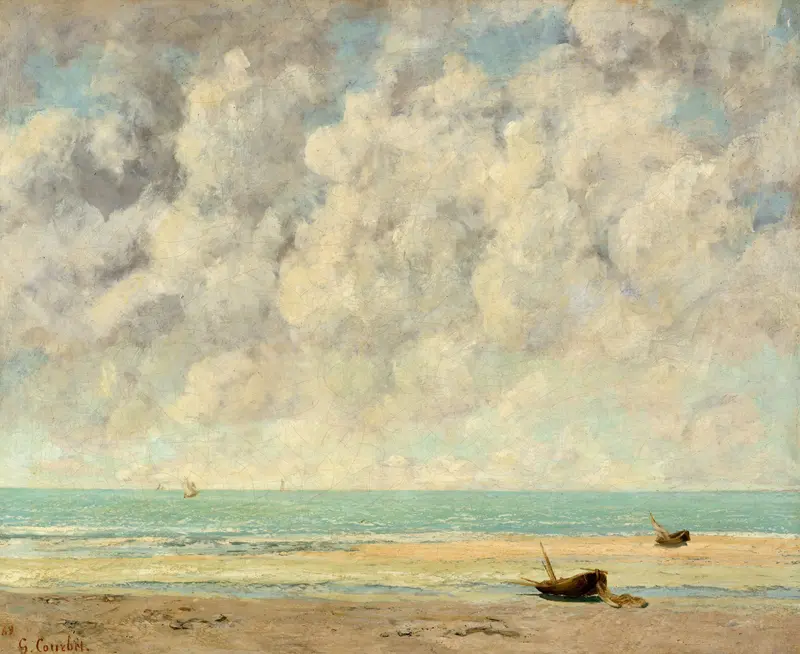
The Calm Sea
Gustave Courbet

A Burial at Ornans
Gustave Courbet
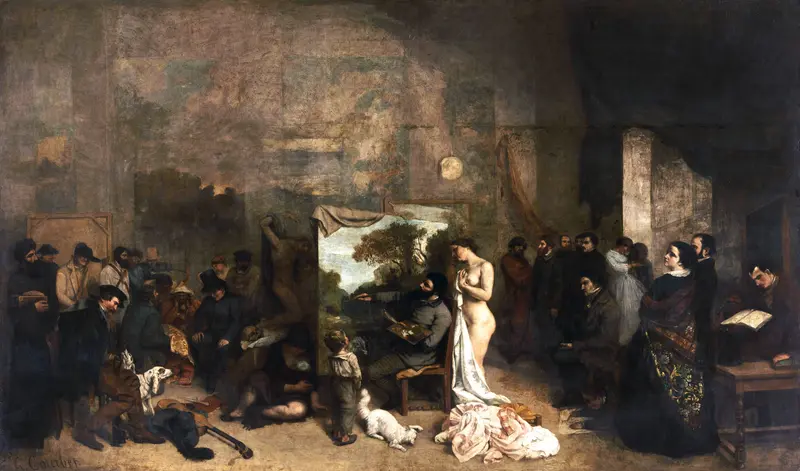
The Painter's Studio
Gustave Courbet
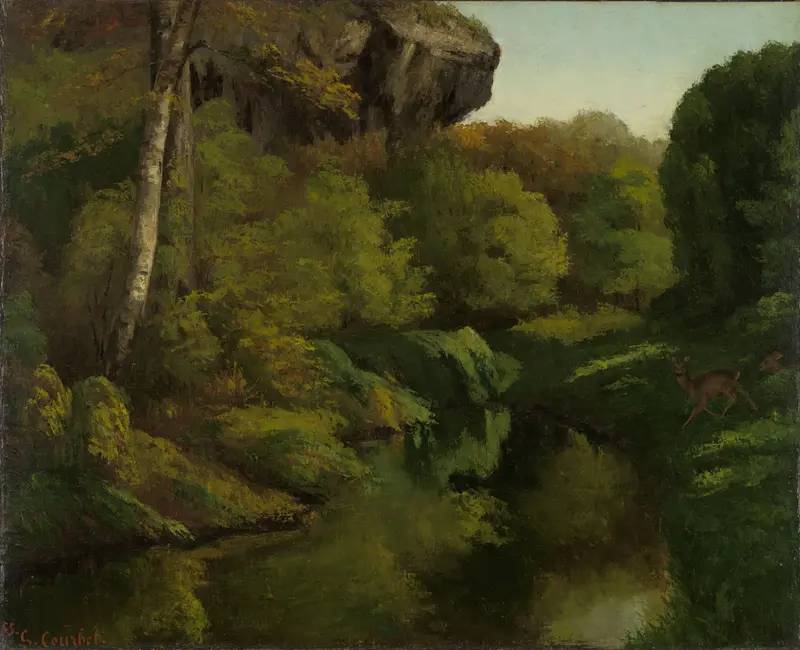
View in the Forest of Fontainebleau
Gustave Courbet
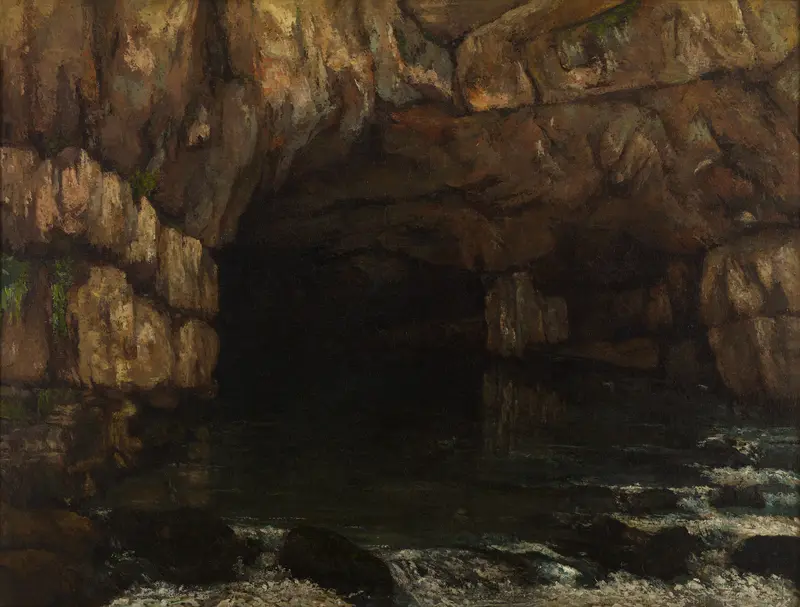
La source de la Loue (The Source of the Loue)
Gustave Courbet
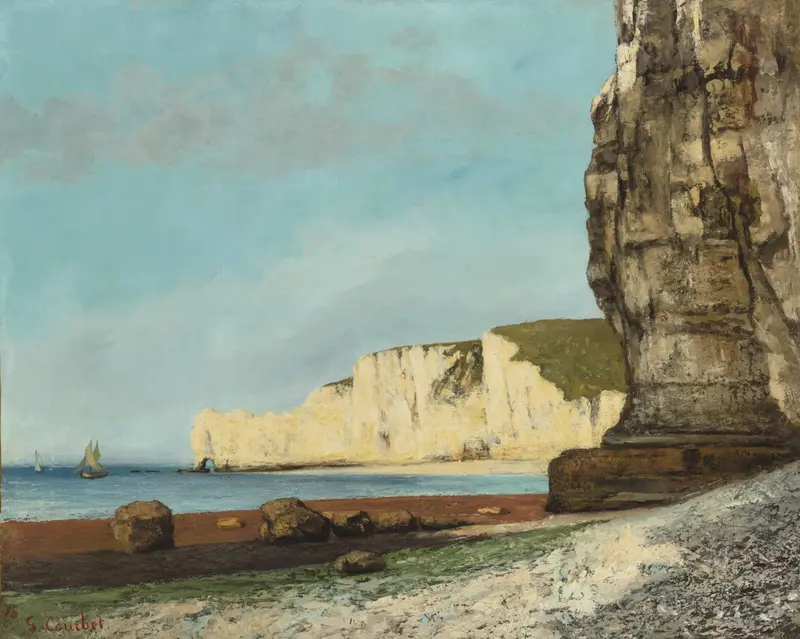
Étretat; Les Falaises
Gustave Courbet
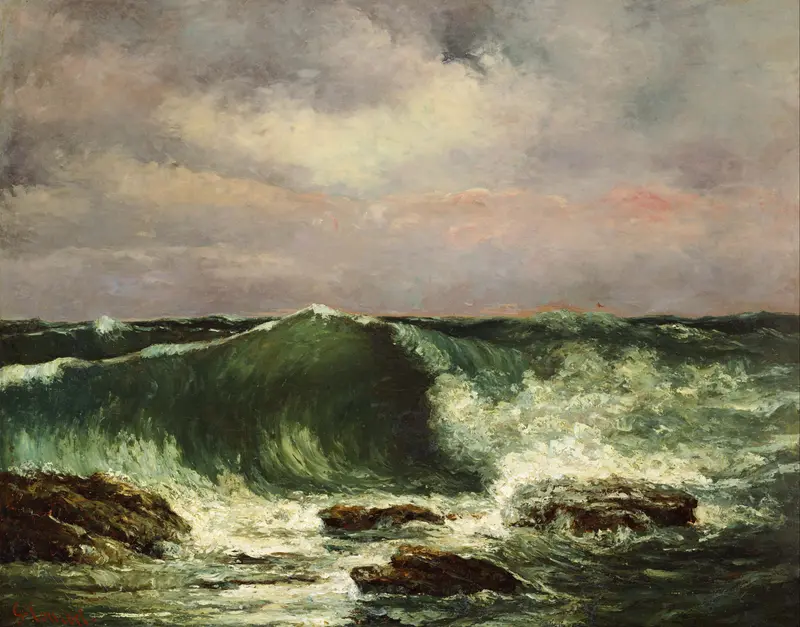
Waves
Gustave Courbet
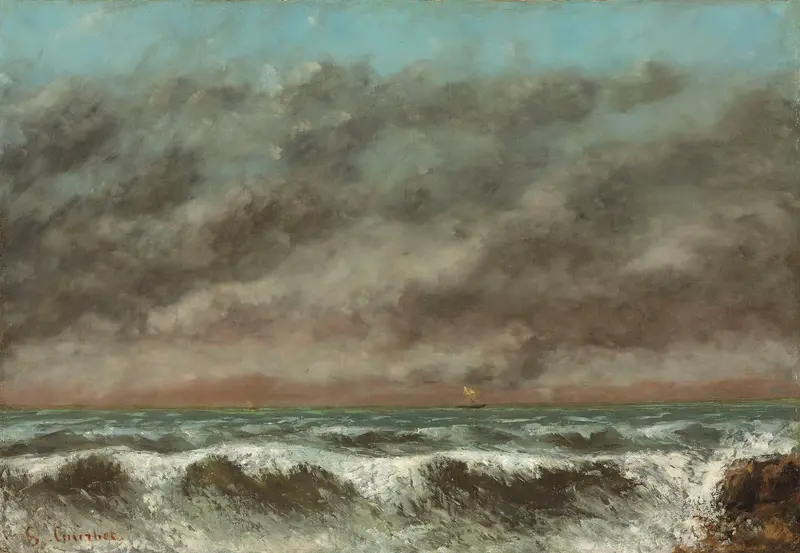
Marine
Gustave Courbet
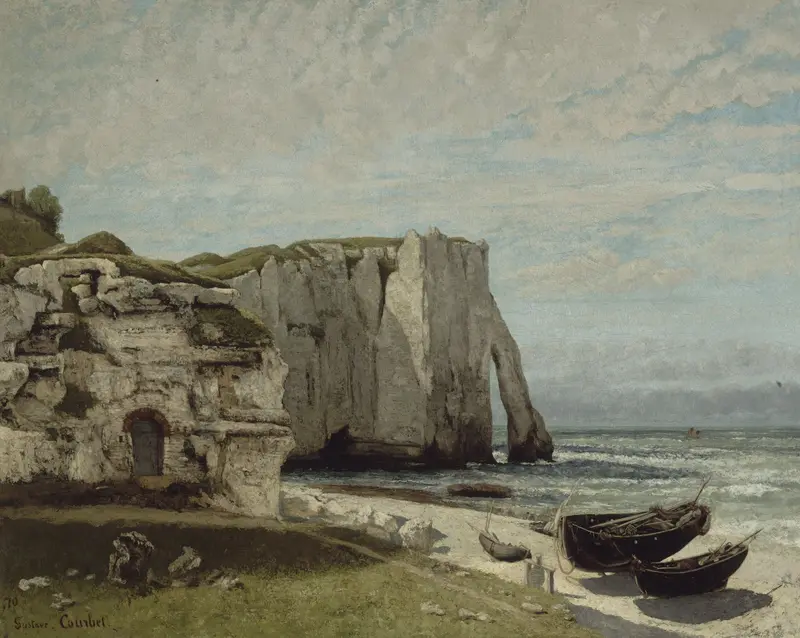
The Etretat Cliffs after the Storm
Gustave Courbet
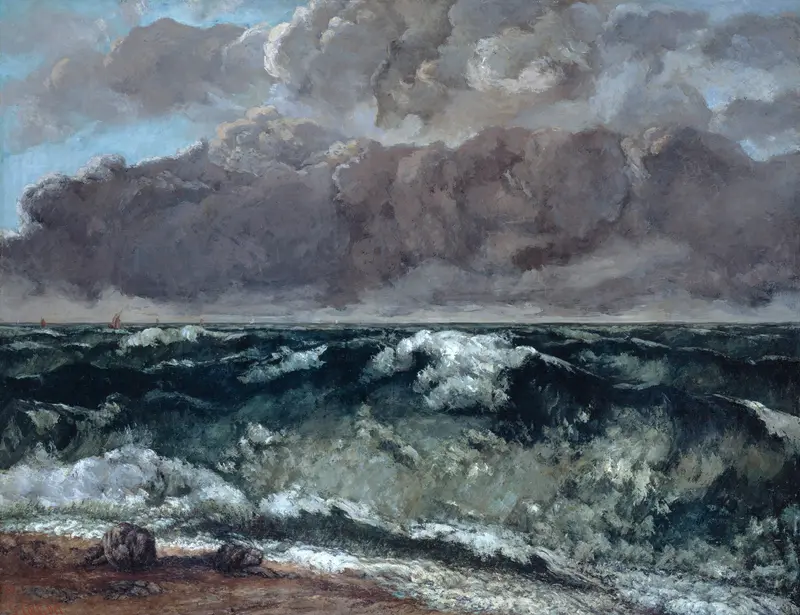
The Wave
Gustave Courbet
More Landscape Art

The Starry Night
Vincent van Gogh

View of Delft
Johannes Vermeer

Water Lilies
Claude Monet

The Grand Canal, Venice, looking north-west from the Ca' Corner to the Ca' Contarini degli Scrigni, with the campanile of Santa Maria della Carità
Canaletto

Windsor Castle
Canaletto

The Grand Canal looking North-East from the Palazzo Dolfin-Manin to the Rialto Bridge
Canaletto