Courtyard — History & Analysis
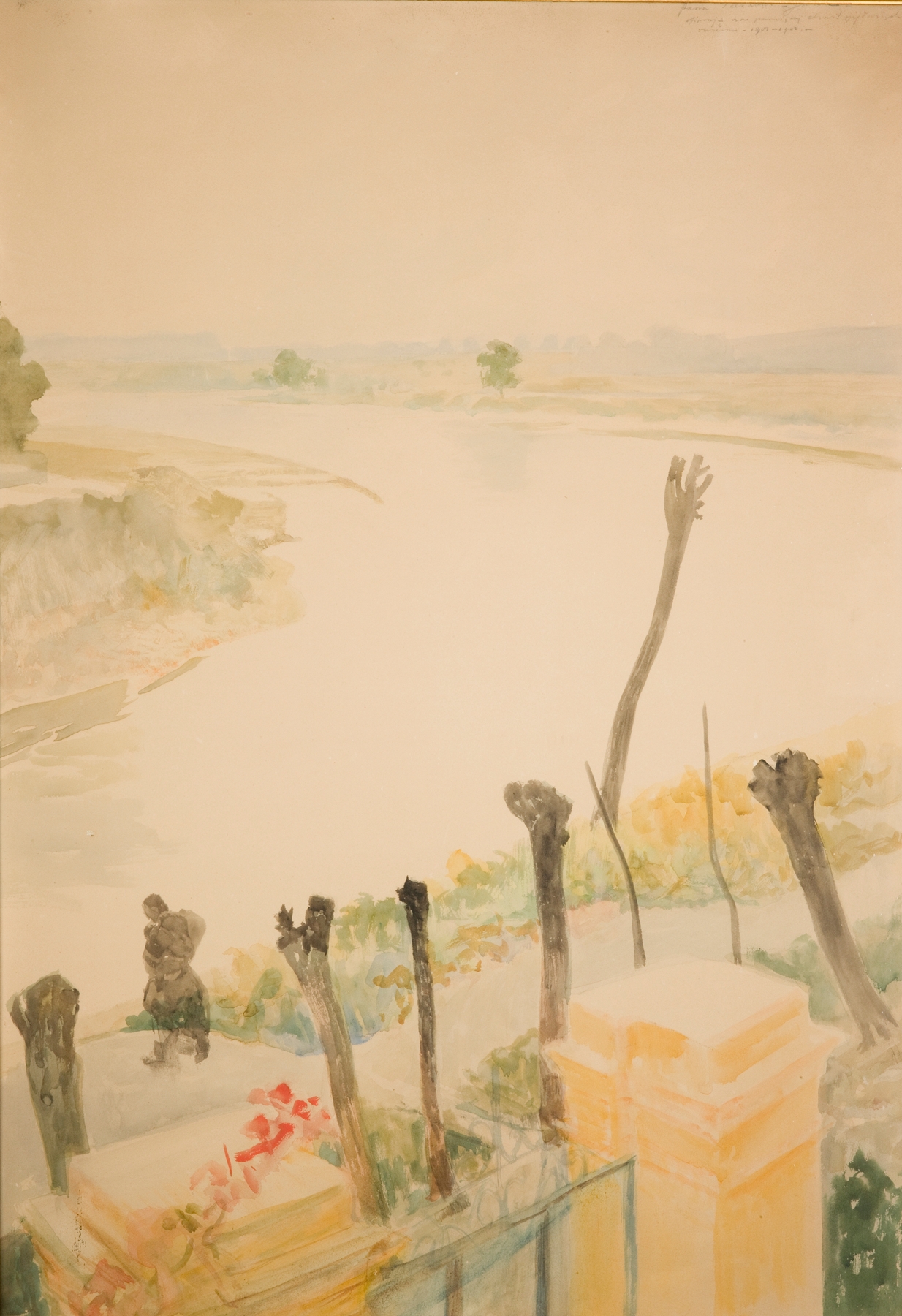
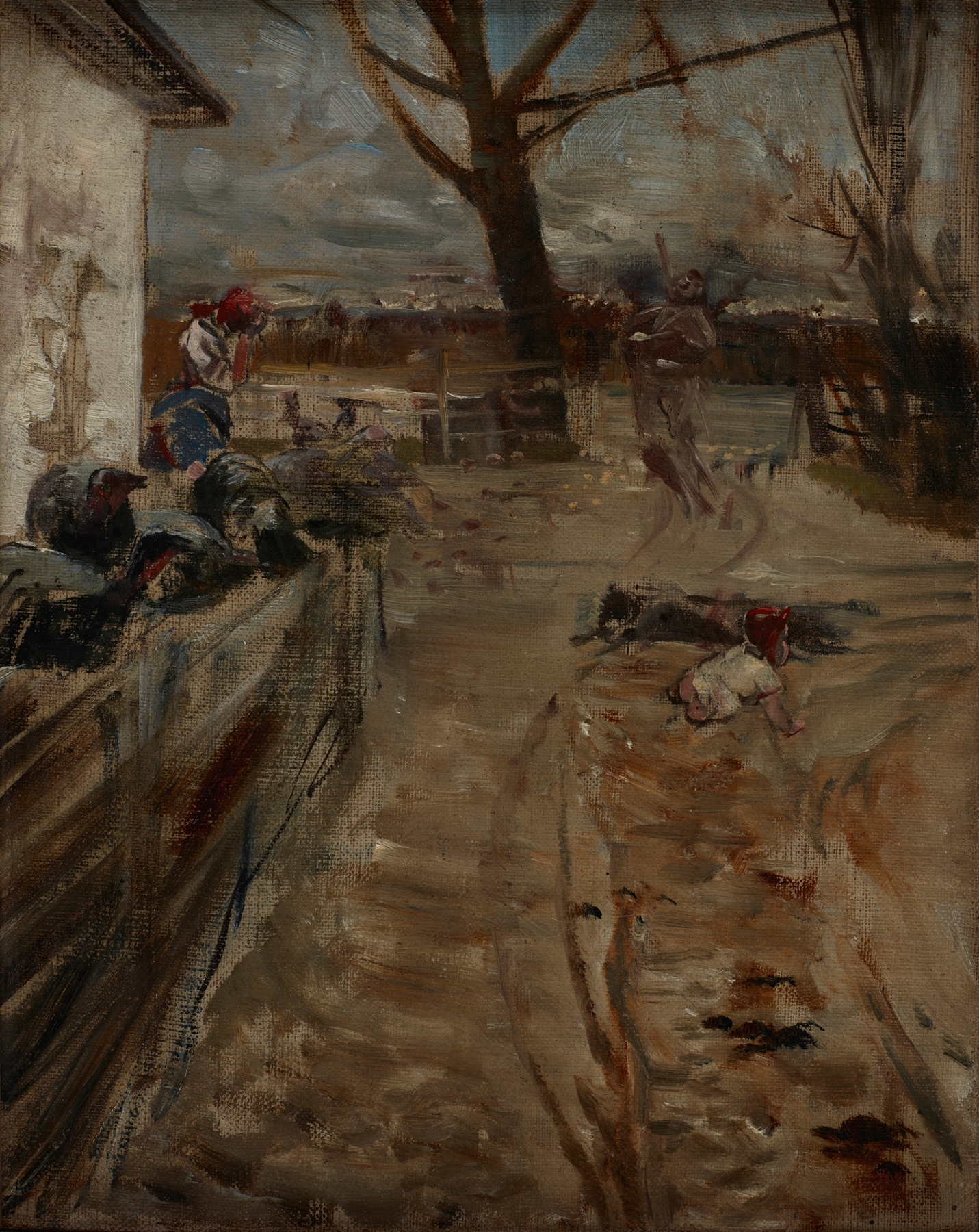
“Every silence here is a confession.” In the stillness of an enclosed space, balance emerges as a delicate dance between light and shadow, revealing the quiet tension of existence. Look to the center where a weathered stone well stands, its circular form inviting intrigue within the rigid geometry of the surrounding courtyard. The muted palette of ochres and greys draws your eyes to the interplay of sunlight spilling across the cobblestones, creating a dynamic rhythm that pulses through the scene.
Notice how the shadows stretch and retract, echoing the cycles of time and memory that enshroud this intimate space. With every glance, the artwork unfolds deeper narratives; the well, a symbol of sustenance, hints at the unspoken histories that dwell within its depths. The surrounding walls seem to whisper secrets, their rough textures contrasting with the smoothness of the well, suggesting a struggle for balance between the harsh realities of life and the serenity sought in this refuge.
The absence of figures evokes a potent sense of solitude, leaving viewers to ponder the invisible connections that bind us to our environments. Painted in Poland between 1900 and 1904, during a time of profound change in the art world and in Malczewski's own life, this piece reflects the artist's exploration of symbolism and personal introspection. As he navigated the complexities of identity and culture, the courtyard emerged as a space where the tension of existence could be expressed through a thoughtful balance of elements, resonating with the viewer's own quest for meaning.