
Cowes Castle, Isle Of Wight — History & Facts
The layers of history and grief that envelop a place often manifest in its very essence, echoing the stories of those who have tread upon its grounds. Look to the left at the shadowy outlines of Cowes Castle, where the sturdy stone structure stands resolute against the turbulent sea. The artist’s brushwork evokes a sense of movement in the waves, each stroke capturing the essence of time’s relentless passage. Notice how the muted palette of blues and greys contrasts with the hints of gold in the sky, suggesting that even in sadness, there exists a flicker of hope and warmth. Delve deeper and discover the emotional weight borne by the castle.
The starkness of its formidable walls represents both protection and isolation, a fortress against the storms of loss that life invariably brings. The turbulent sea, with its dark undertones, symbolizes the hidden depths of sorrow, while the fleeting light above reminds us that beauty often coexists with grief. This interplay between strength and fragility invites the viewer to reflect on their own encounters with heartache. During the late 18th century, a time of sweeping change in art and society, the artist created this piece amid a growing fascination with Romanticism and the sublime.
Living in England, de Loutherbourg was influenced by the picturesque landscapes and shifting societal norms of the era. His work reflects not just the physical landscape of Cowes Castle but also the emotional landscapes of his own life, resonating with themes of loss and beauty intertwined.
More Artworks by Philip James de Loutherbourg
Browse all →
Iron Works, Colebrook Dale
Philip James de Loutherbourg
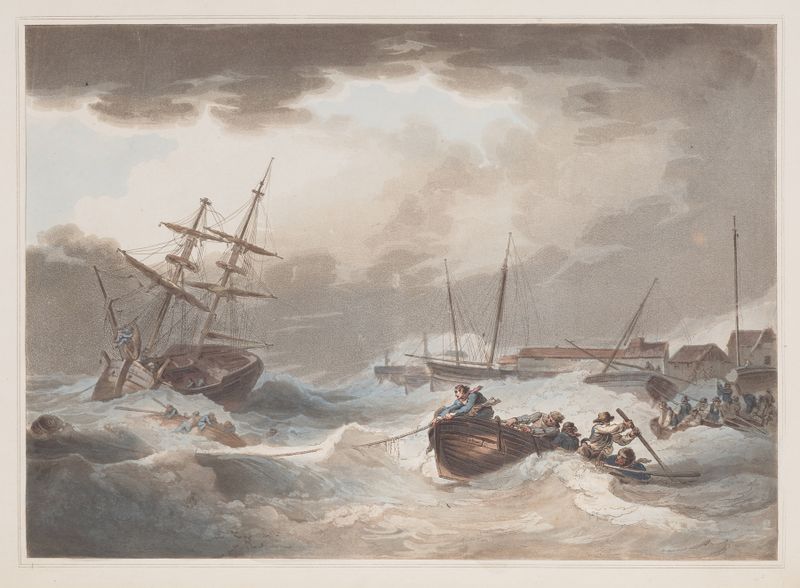
Storm off Margate
Philip James de Loutherbourg
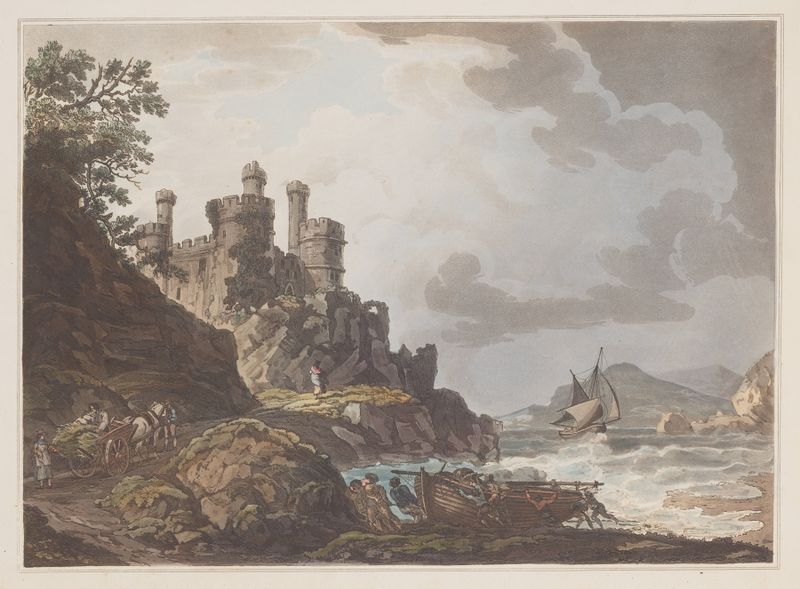
Conway Castle
Philip James de Loutherbourg
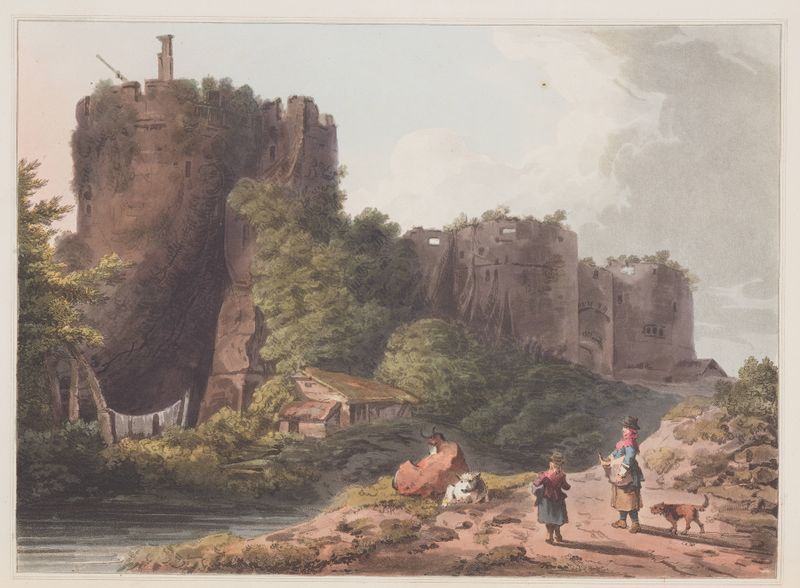
Chepstow Castle in Monmouthshire
Philip James de Loutherbourg
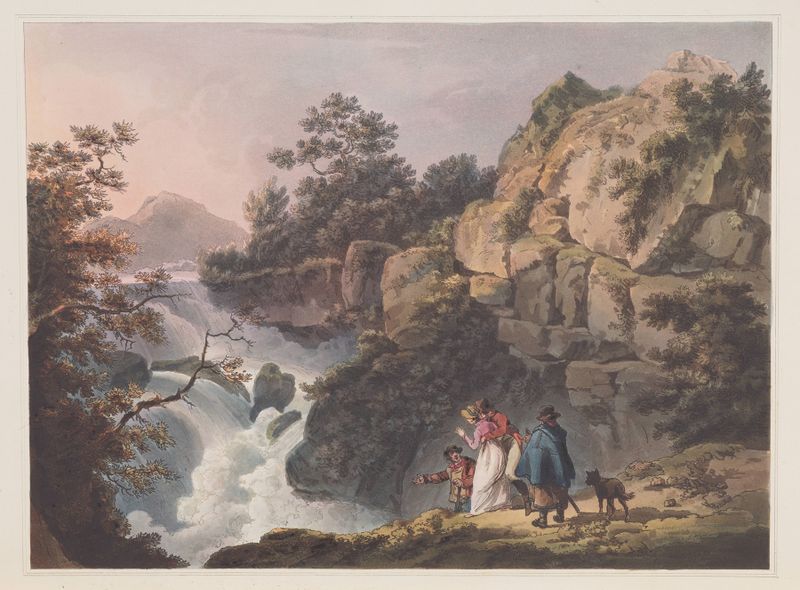
Cataract on the Llugwy
Philip James de Loutherbourg

Tintern Abbey
Philip James de Loutherbourg
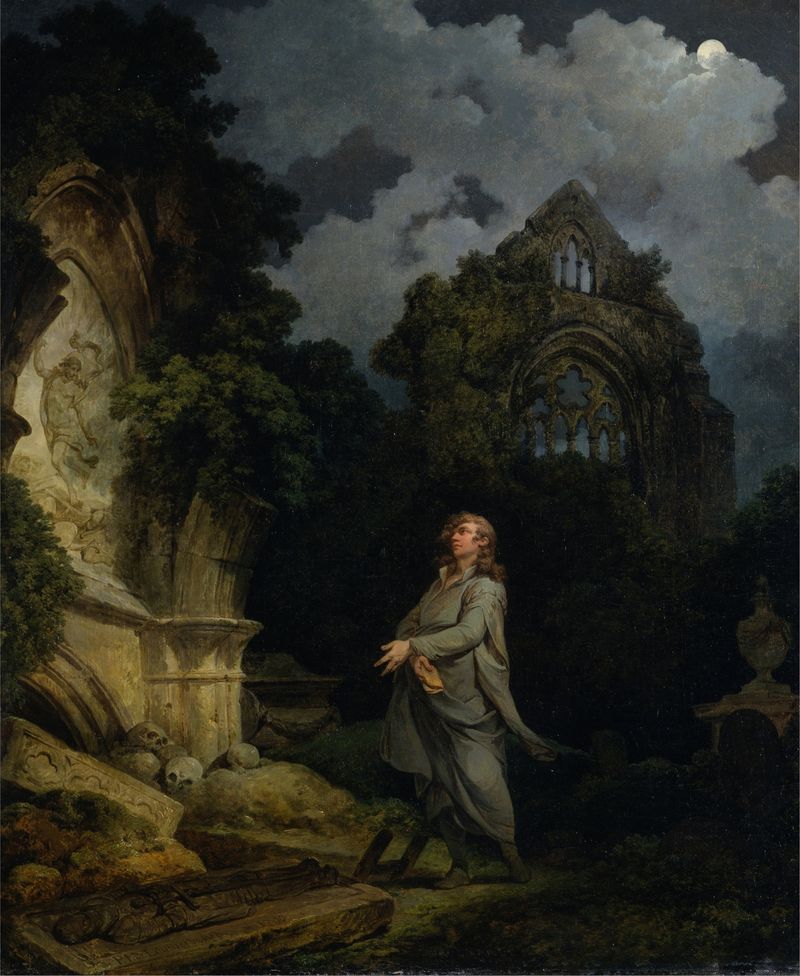
Visitor to a Moonlit Churchyard
Philip James de Loutherbourg

A Storm at the Entrance of a Mediterranean Port
Philip James de Loutherbourg
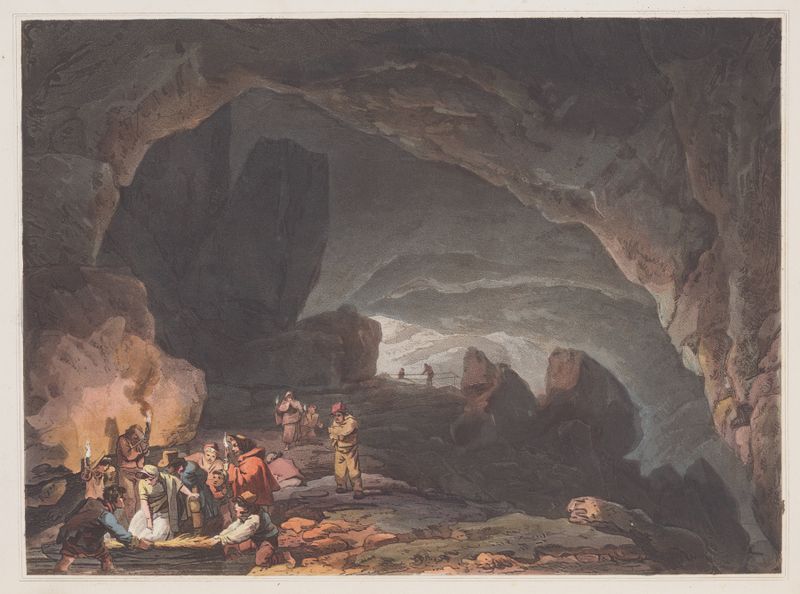
Peak’s Hole, Derbyshire
Philip James de Loutherbourg
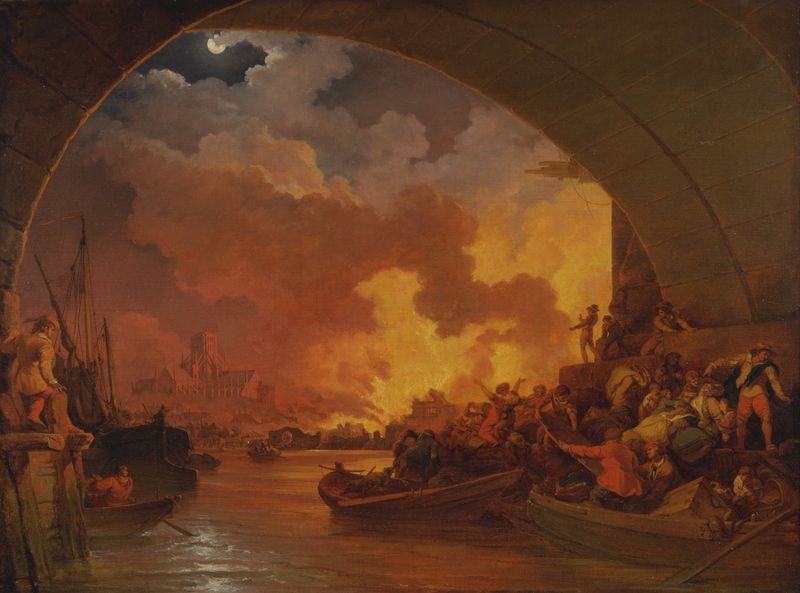
The Great Fire of London
Philip James de Loutherbourg





