
Cows and Sheep in a Wood — History & Facts
The first thing that draws the eye in Cows and Sheep in a Wood is the quiet communion of animals at the water’s edge, their calm broken only by the gentle ripple of a cow’s nose meeting its own reflection. Light pools on the tawny hide, tracing the curve of muscle and bone, while the sheep gather in a loose, woolly cluster, some resting, others grazing. The artist leads you from the sunlit animal forms into the cool shadow of the woods, where a pair of distant figures—perhaps shepherds—blend almost entirely into the gloom.
The sky, broad and pale, presses down gently on the scene, its subtle blues and greys echoing the hush of the animals’ world. Every detail, from the glint of water to the careful placement of hooves, is there to slow the viewer’s gaze and invite a kind of stillness. Painted before 1672, this work belongs to a Dutch tradition that prized the humble rhythms of rural life. In the seventeenth century, scenes like this were collected by merchants and burghers who saw in them both a celebration of the countryside and a reflection of their own ideals—order, prosperity, and peace.
Adriaen van de Velde was known for his ability to blend the Dutch landscape with the Italianate warmth that was fashionable in his day, and here, the gentle light and careful observation of animal life speak to that blend. History has kept few traces of the journey this particular painting has taken, but its presence today in the digital collection qwGhM61tRenatA at the Google Cultural Institute lets us linger over the same details that once charmed its earliest viewers—an invitation to step quietly into another world.
More Artworks by Adriaen van de Velde

Staande stier
Adriaen van de Velde
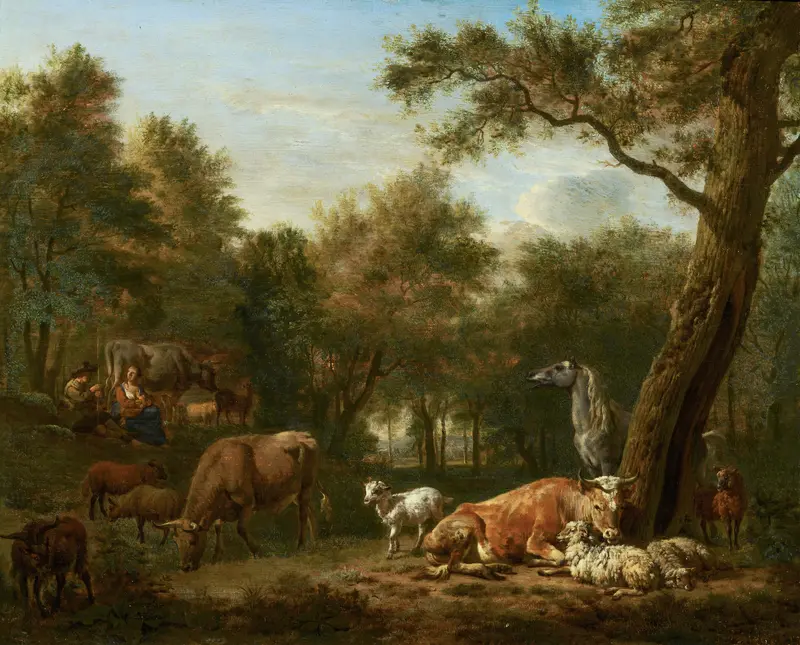
Wooded Landscape with Cattle
Adriaen van de Velde
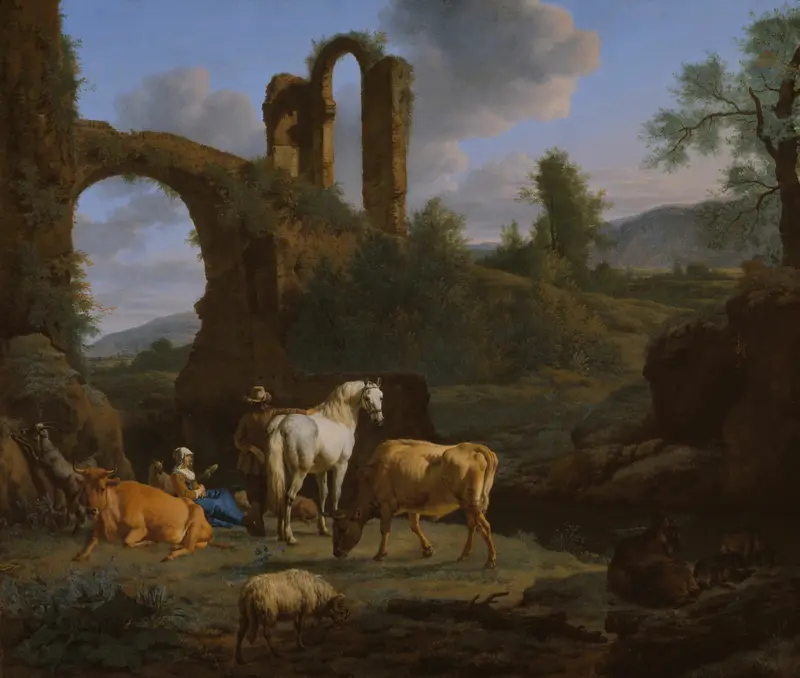
Pastoral Landscape with Ruins
Adriaen van de Velde
Pastoral Landscape with Ruins
Adriaen van de Velde
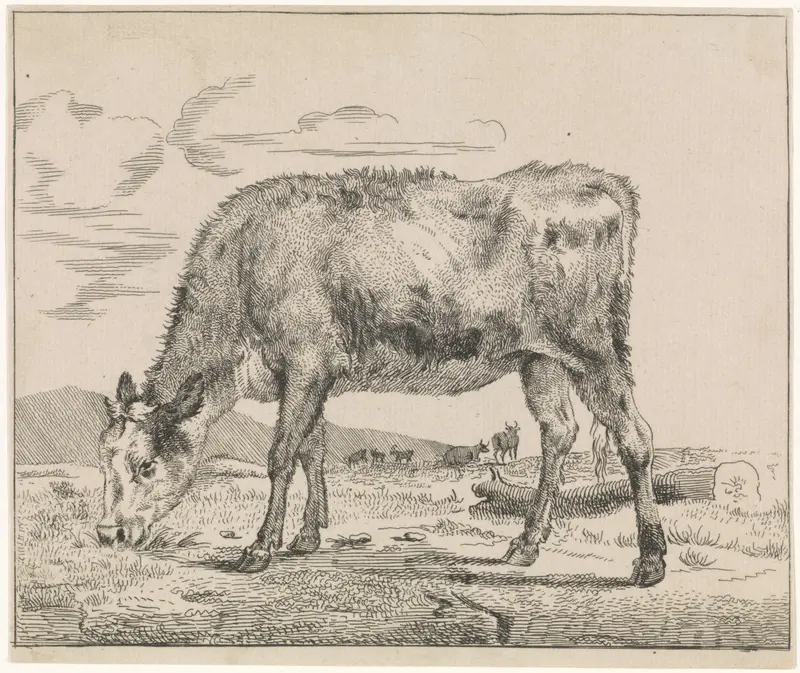
Grazend kalf
Adriaen van de Velde
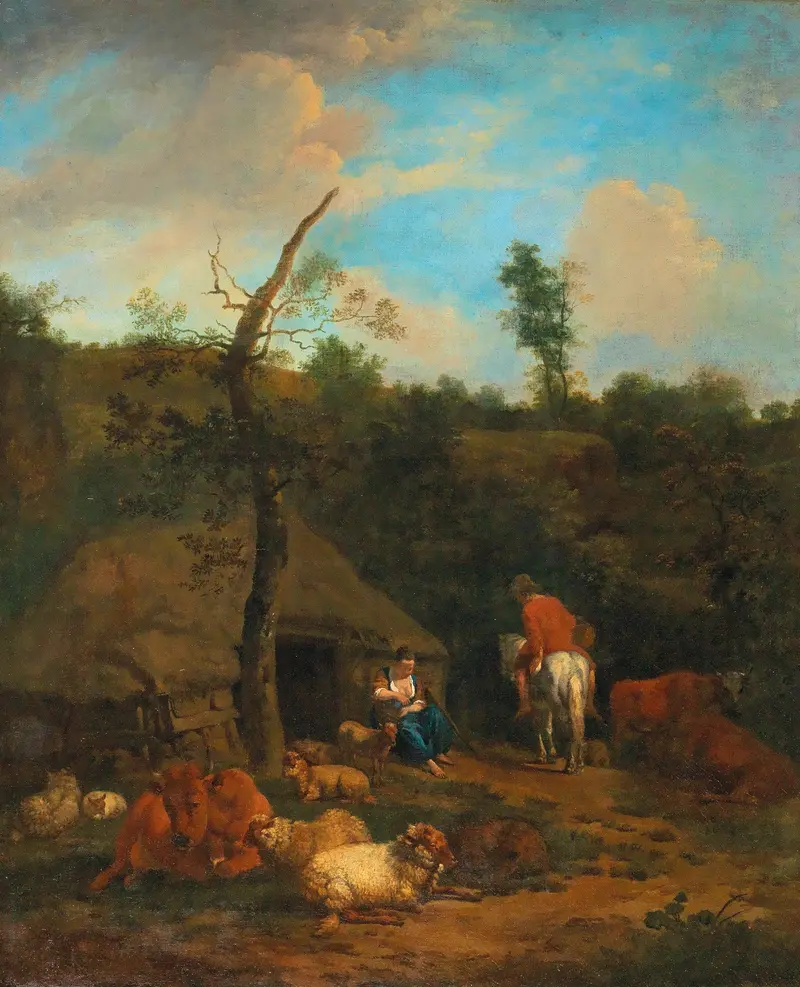
A herdsman and a shepherdess in front of a wooden farmhouse
Adriaen van de Velde
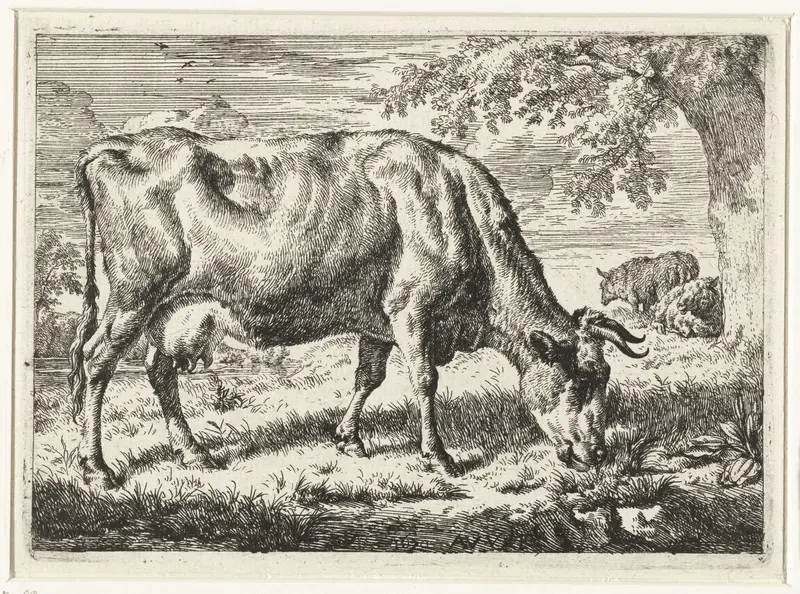
Grazende koe en twee schapen
Adriaen van de Velde
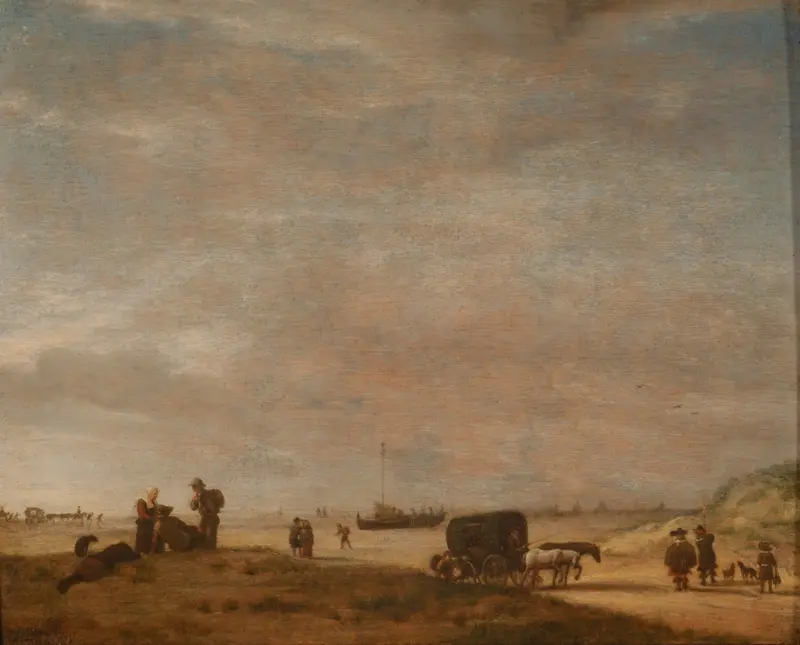
Scheveningen Beach
Adriaen van de Velde
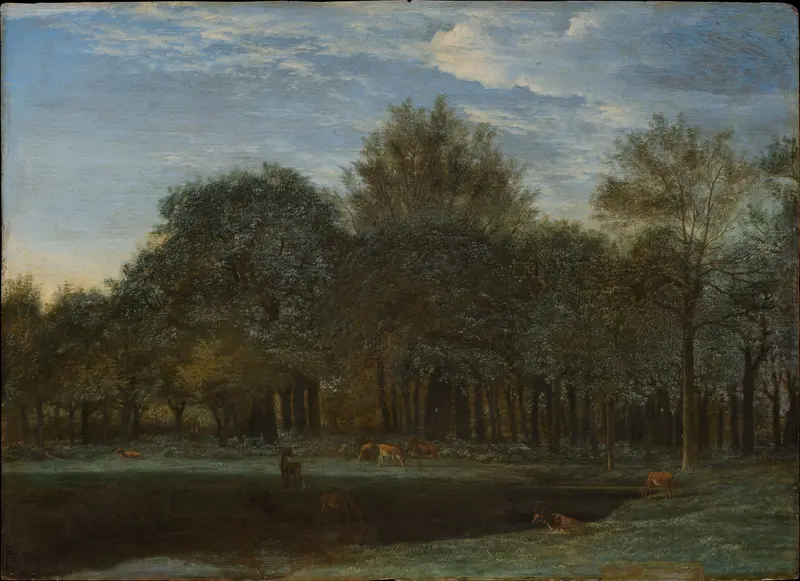
Forest Clearing with Grazing Deer
Adriaen van de Velde
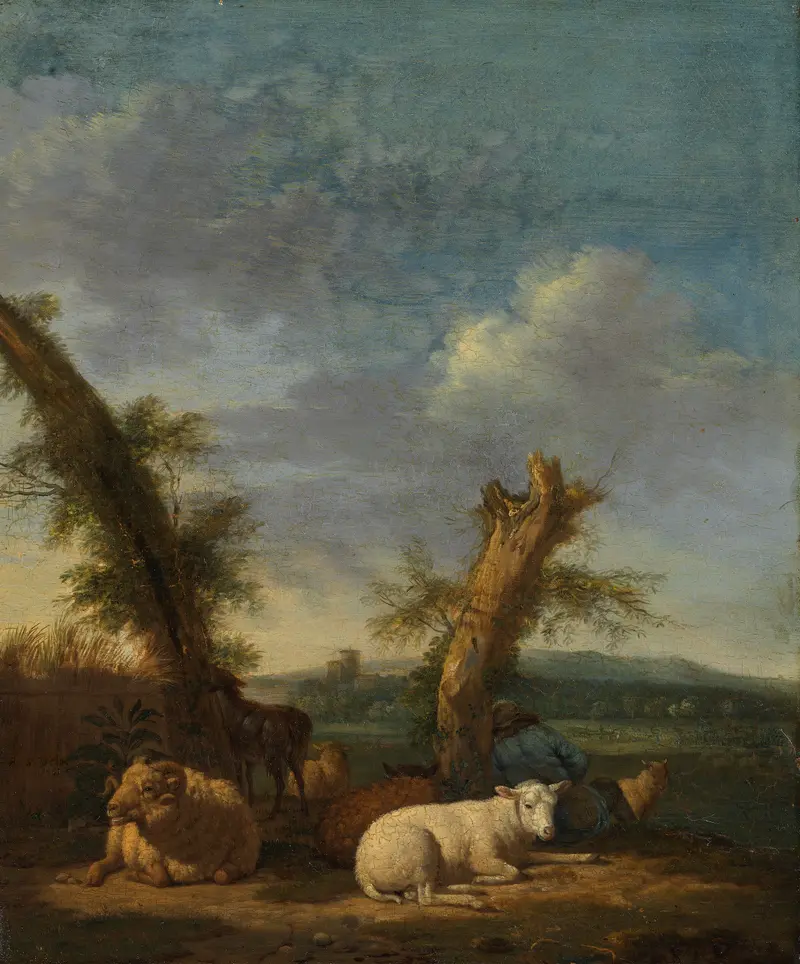
Landscape with Sheep and a Sleeping Shepherd
Adriaen van de Velde
More Landscape Art

The Starry Night
Vincent van Gogh

View of Delft
Johannes Vermeer

Water Lilies
Claude Monet

The Grand Canal, Venice, looking north-west from the Ca' Corner to the Ca' Contarini degli Scrigni, with the campanile of Santa Maria della Carità
Canaletto

Windsor Castle
Canaletto

The Grand Canal looking North-East from the Palazzo Dolfin-Manin to the Rialto Bridge
Canaletto