
Cranes watering at the edge of a pond — History & Facts
Is this a mirror — or a memory? The stillness of a pond reflects more than just the cranes; it captures echoes of uncertainty and the fleeting nature of existence. Focus on the tranquil water, where the gentle ripples dance around the elegant necks of the cranes, creating a visual symphony. The soft blues and greens dominate the palette, evoking a serene atmosphere, yet the muted strokes hint at an underlying tension. Notice how the light plays upon the surface, illuminating the feathers of the birds, contrasting with the dark depth of the reflection below, as if suggesting that what is seen is merely a shadow of something deeper. The juxtaposition of the vibrant life of the cranes and the stillness of the water evokes a poignant tension.
Each crane, poised in motion, embodies an instinct to survive, while the calm pond serves as a reminder of the passage of time. The scene is both a celebration of nature and a whisper of the inevitable transience that shadows it. Hidden within the simplicity is a meditation on existence, urging viewers to consider the fears that linger beneath the surface. In 1873, amidst the vibrant atmosphere of the Barbizon School, Charles François Daubigny was exploring themes of nature and emotion through his landscapes.
Living in a period marked by artistic innovation, he sought to harmonize the beauty of the natural world with a deeper introspection. This work reflects his mastery of capturing the ephemeral moments of life, inviting contemplation of the delicate balance between joy and the fear of loss.
More Artworks by Charles François Daubigny
Browse all →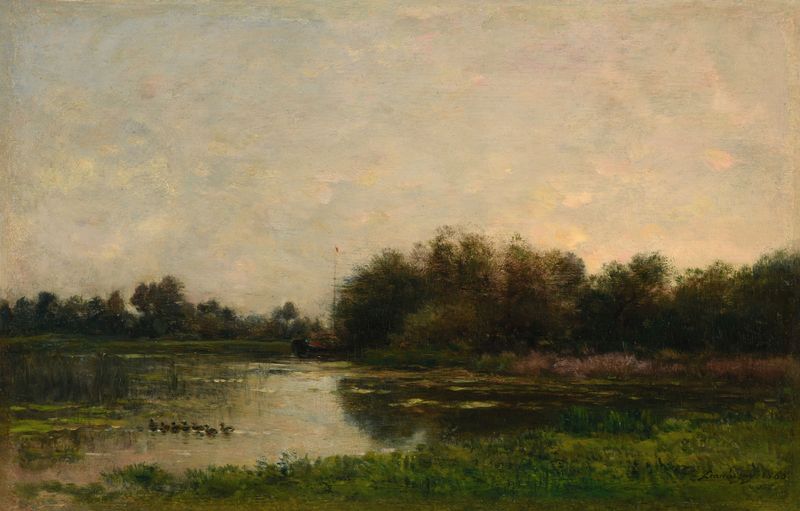
Bords de l’Oise
Charles François Daubigny
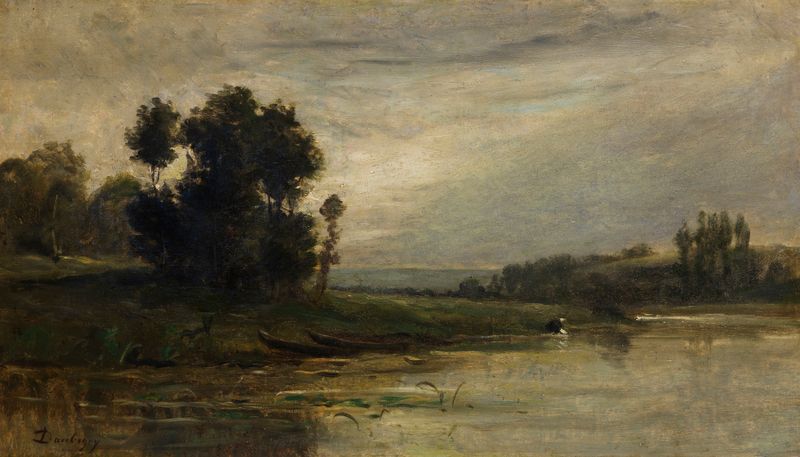
Bords de l’Oise
Charles François Daubigny
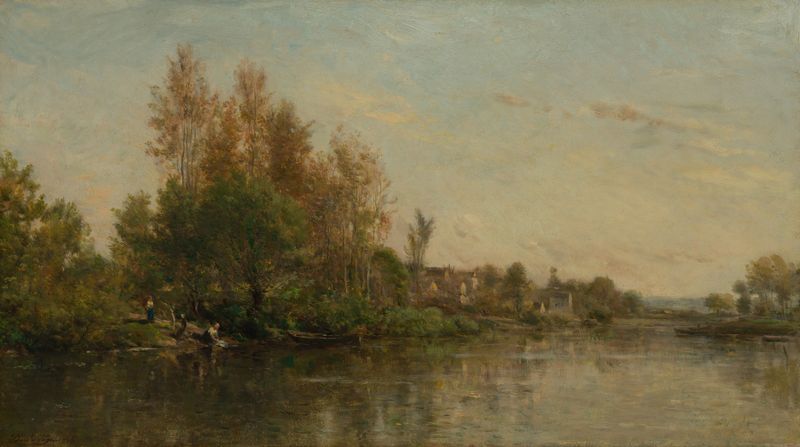
The Banks of the Oise
Charles François Daubigny
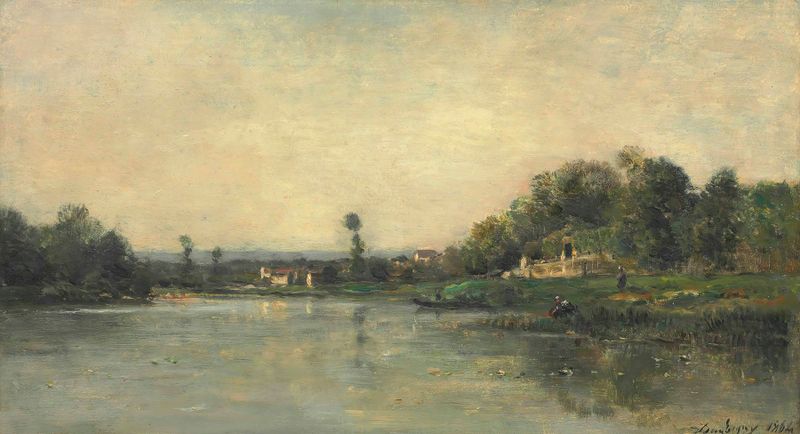
Les Bords De L’oise
Charles François Daubigny
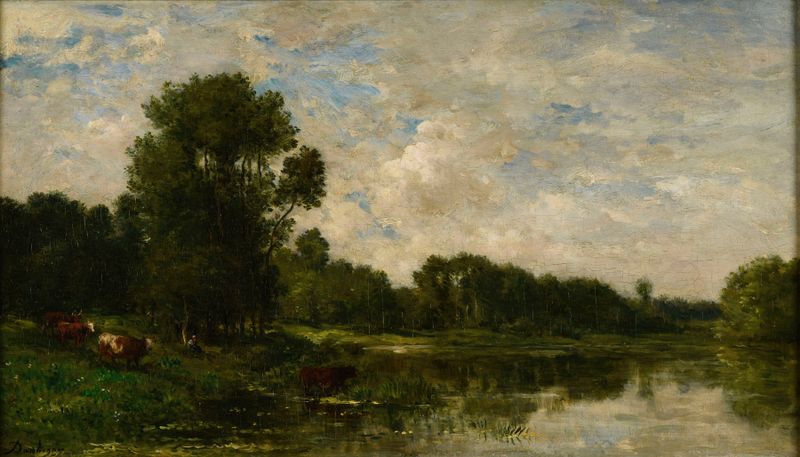
Bords de l’Oise
Charles François Daubigny
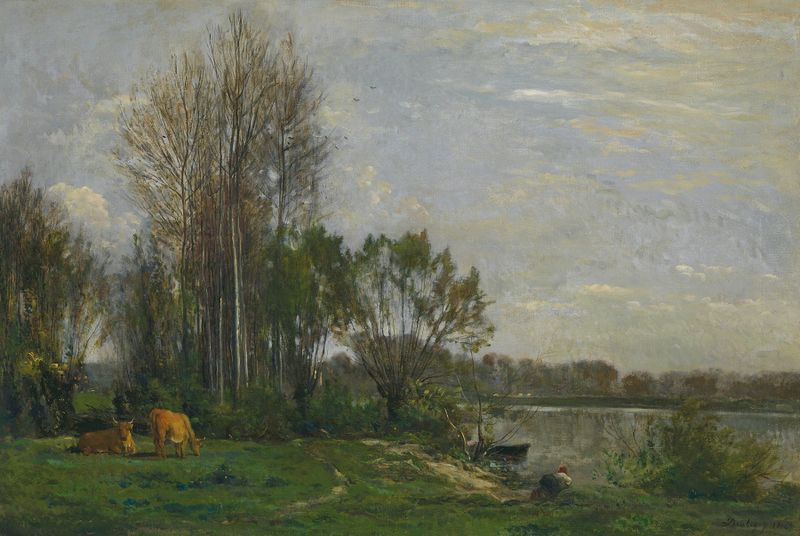
Les Bord De L’oise
Charles François Daubigny
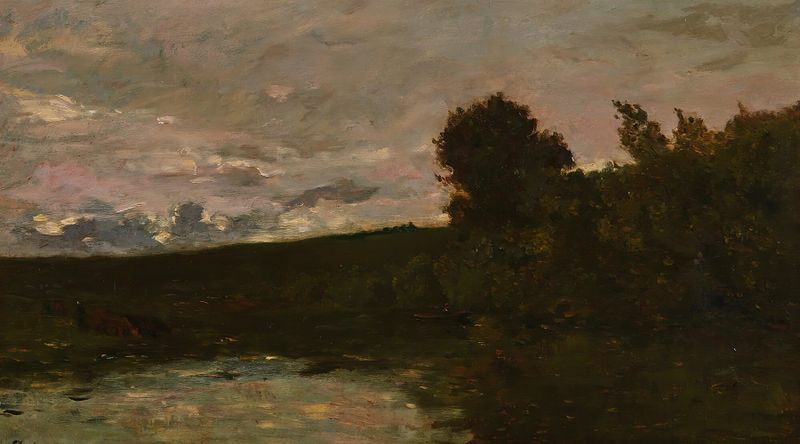
Bord De Riviére
Charles François Daubigny
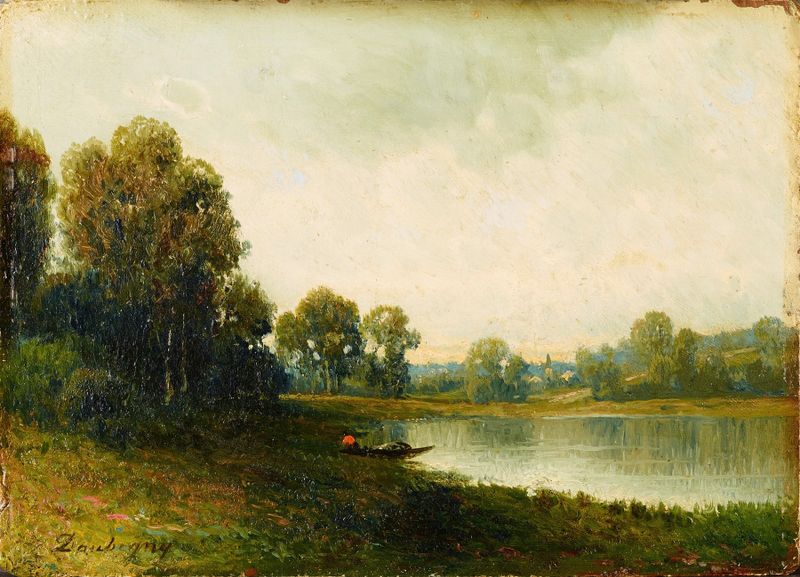
Landscape
Charles François Daubigny
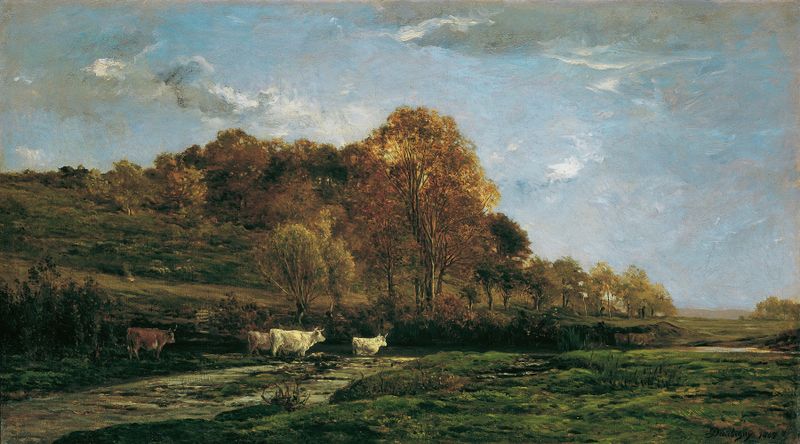
Herbstliche Aulandschaft Abendstimmung
Charles François Daubigny
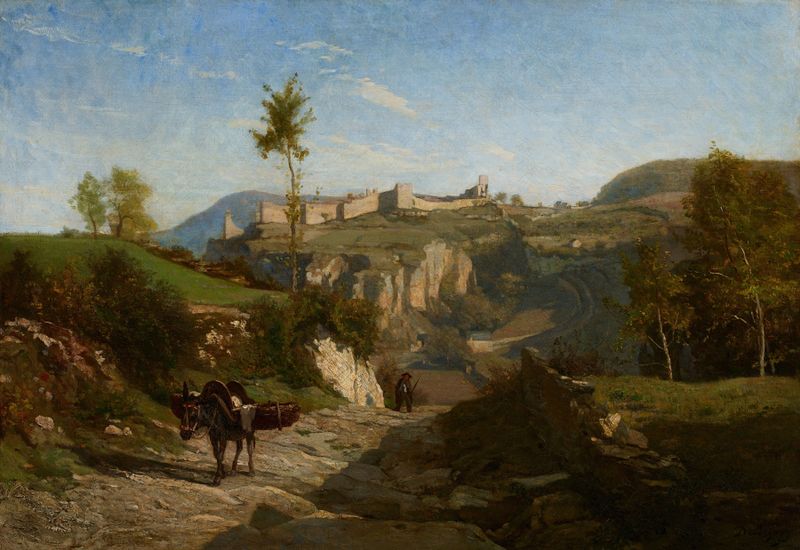
Landscape near Crémieu
Charles François Daubigny





