
Crossing of the Red Sea — History & Facts
In Crossing of the Red Sea, Jacques Callot presents a dynamic scene filled with movement and tension. The colors are rich, with deep blues and greens representing the water, contrasted by the warm tones of the figures. The figures are depicted in various poses, some reaching out, while others appear to be struggling against the waves.
The setting is dramatic, capturing the moment of the miraculous crossing. This artwork is an etching, a technique that allows for fine details and intricate lines. Callot’s use of linework is precise, creating textures that enhance the emotional weight of the scene. The composition is carefully arranged, leading the viewer's eye across the tumultuous waters.
The scale of the work is approximately 30 x 40 cm, making it an intimate yet powerful piece. Jacques Callot was a French artist known for his detailed etchings and prints. This particular work, created in the 1620s, reflects the Baroque style with its emphasis on drama and movement. An interesting fact about this piece is that it captures a pivotal moment from the Bible, showcasing Callot's ability to convey narrative through visual art.
His works often depict themes of conflict and human emotion, making him a significant figure in the history of printmaking.
More Artworks by Jacques Callot

De verloren zoon als zwijnenhoeder
Jacques Callot
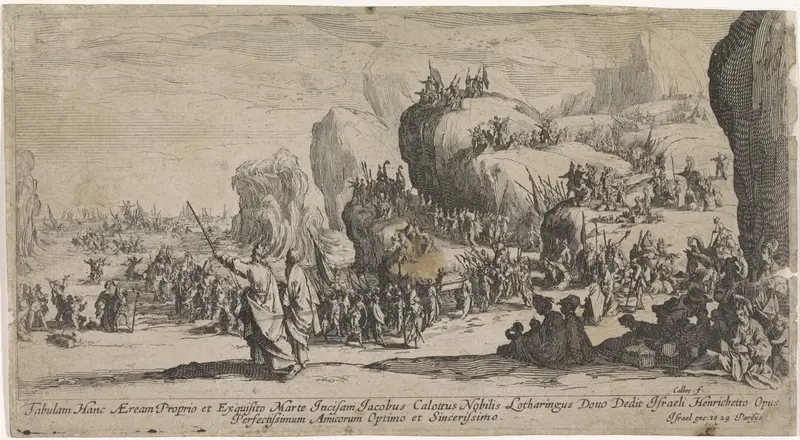
De doortocht door de Rode Zee
Jacques Callot

Kruisiging
Jacques Callot
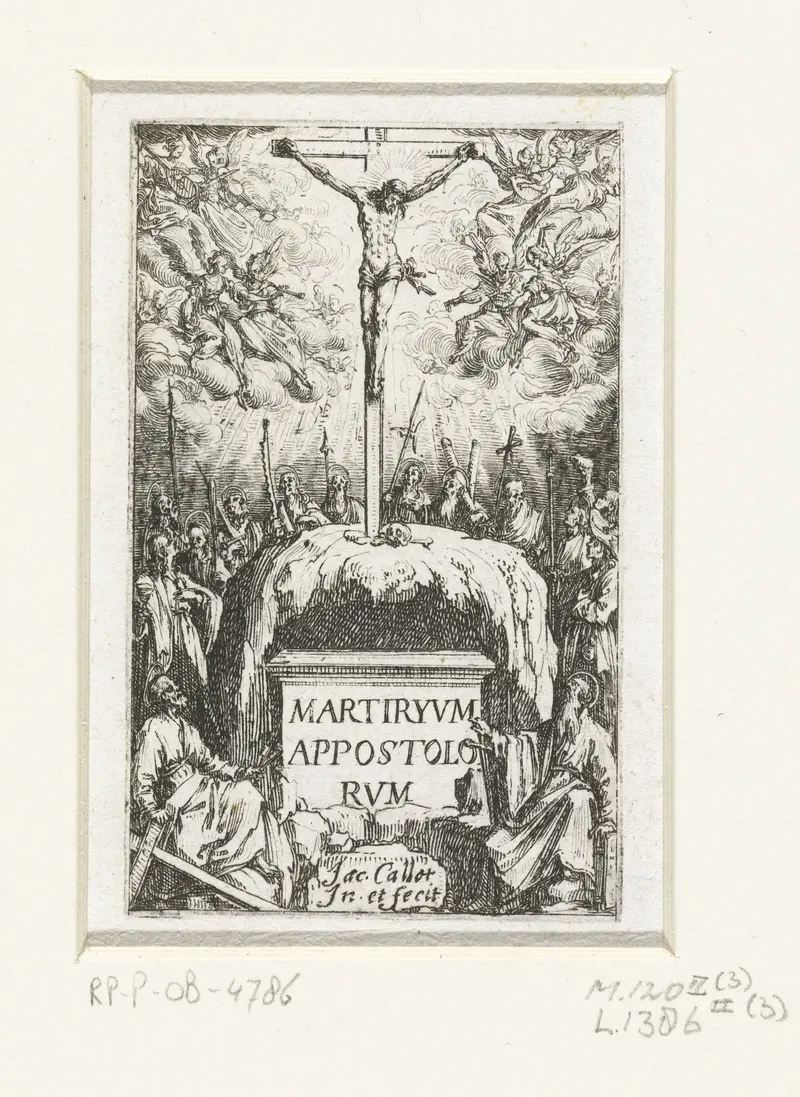
Titelprent voor de prentreeks 'De kleine apostelen' (Het martelaarschap van de apostelen)
Jacques Callot
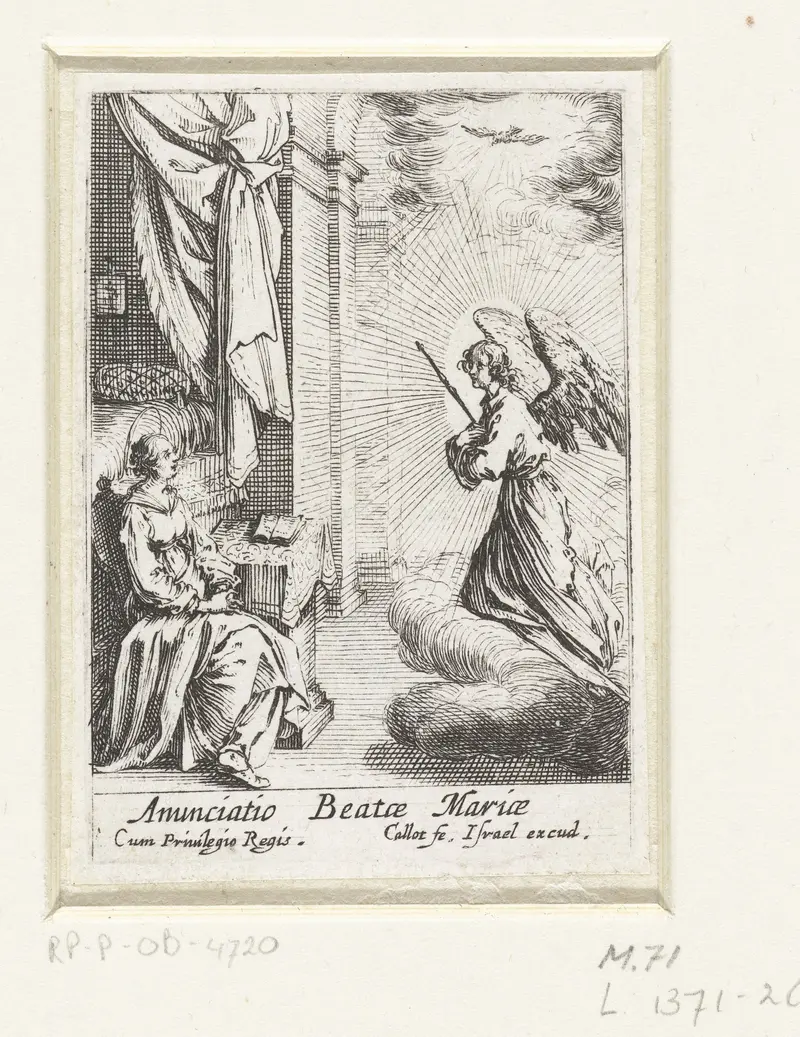
Annunciatie
Jacques Callot
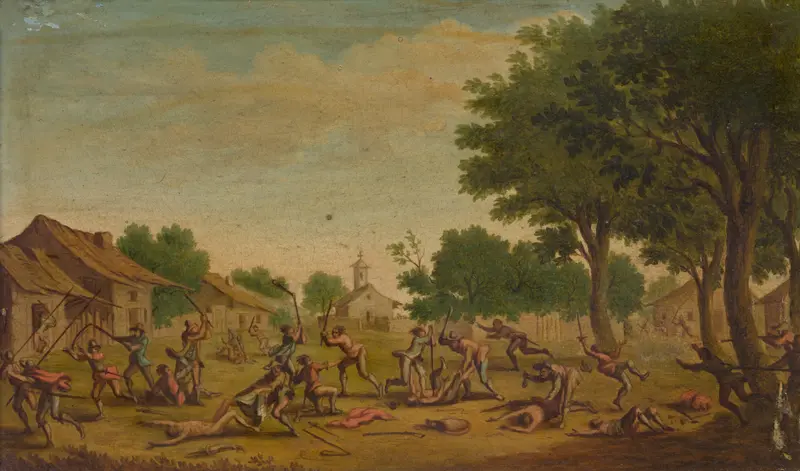
Village Fight
Jacques Callot
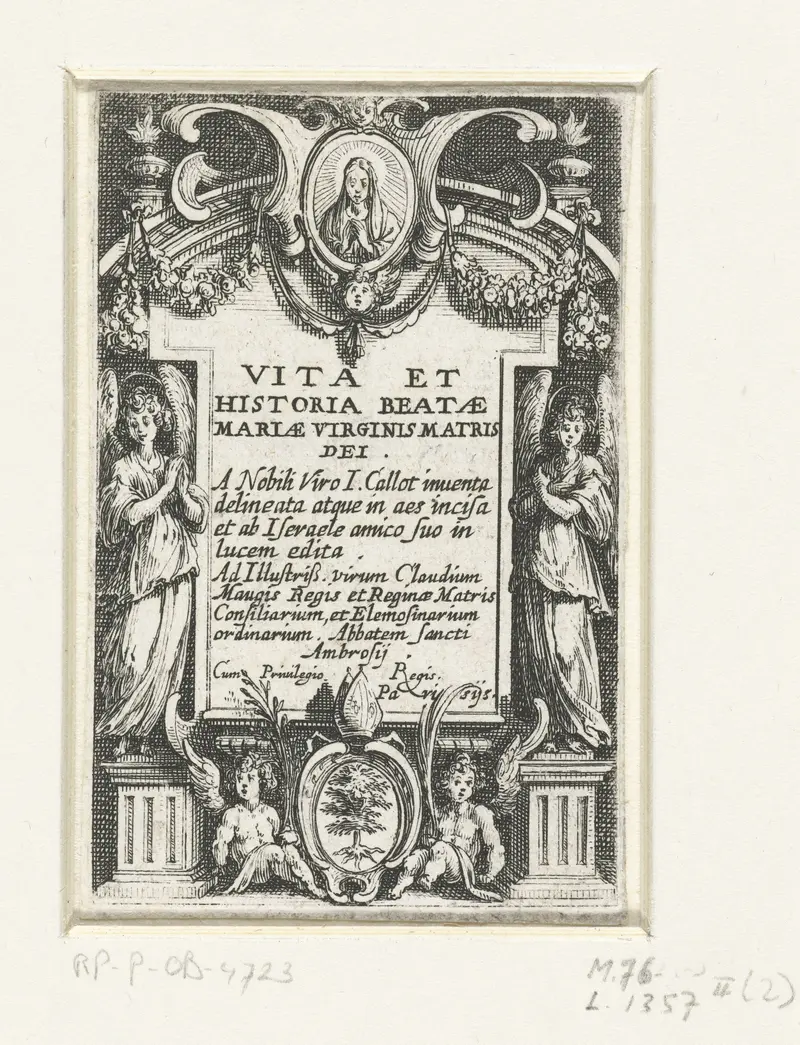
Titelprent voor prentreeks 'Het leven van Maria'
Jacques Callot
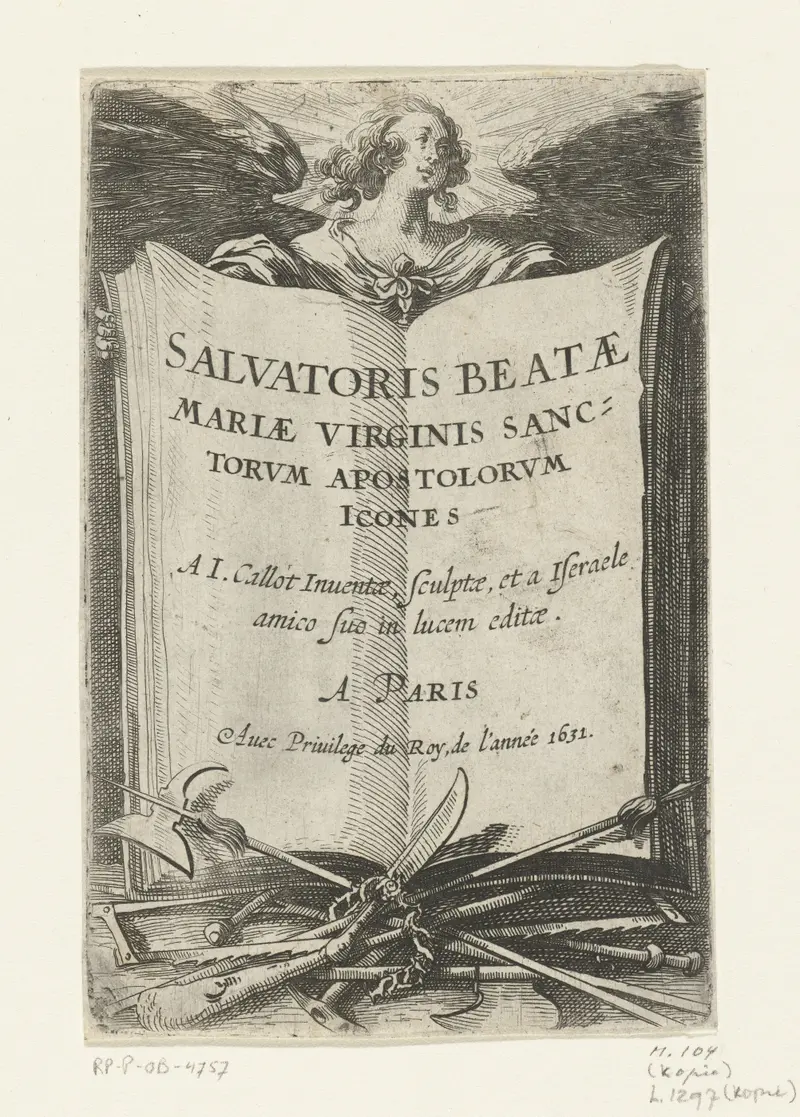
Titelprent voor de prentreeks 'De grote apostelen' (Christus, Maria en de apostelen)
Jacques Callot

Kruisoprichting
Jacques Callot
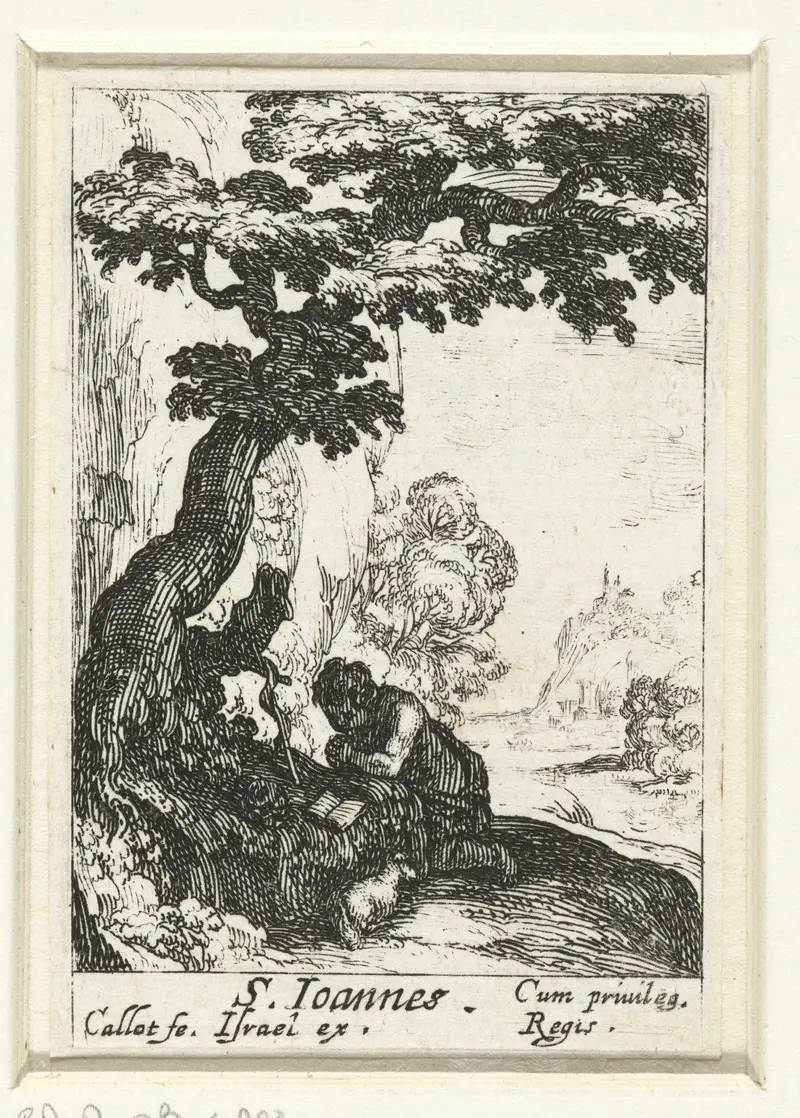
De boetvaardige Johannes de Doper
Jacques Callot





