
Crowned Lion — History & Facts
No one knows for certain why Gustave Van de Woestijne chose to crown a lion, but the image has become one of the most enigmatic in his body of work. The painting’s date and medium remain a mystery, fueling speculation among scholars and collectors alike. Some believe it was created during Van de Woestijne’s mature period, when he was exploring symbolism and allegory with heightened intensity.
Others point to its appearance in early 20th-century Belgian exhibitions as evidence of its lasting fascination. The absence of documentation only deepens the allure: few works by Van de Woestijne have inspired so much debate over their origins and intent. At the heart of Crowned Lion is a moment of uneasy majesty. The lion, regal yet restrained, gazes out with an intelligence that borders on the human, its golden crown perched slightly askew atop a mane rendered with almost sculptural care.
The animal’s posture—neither fully at rest nor poised to pounce—suggests a tension between power and vulnerability. Behind the lion, a shadowed background throws its form into sharp relief, while the crown’s gleam draws the eye upward, hinting at themes of authority, isolation, and the burden of rule. Unlike the roaring, triumphant beasts of Rosa Bonheur or the allegorical lions of Symbolist contemporaries, Van de Woestijne’s creature seems caught in a private drama, inviting viewers to question what it means to be crowned. The painting’s journey is as elusive as its meaning.
No records survive to tell us who first owned it, or how it moved from Van de Woestijne’s studio into the public eye. It has appeared in several exhibition catalogues, but always with scant details about its provenance. Today, Crowned Lion is recognized as a key work in the artist’s exploration of animal imagery and psychological depth, bridging his early Symbolist influences with the introspective realism of his later years.
Its uncertain history has only added to its reputation as a touchstone for those drawn to the mysteries of power, solitude, and the animal soul.
More Artworks by Gustave Van de Woestijne
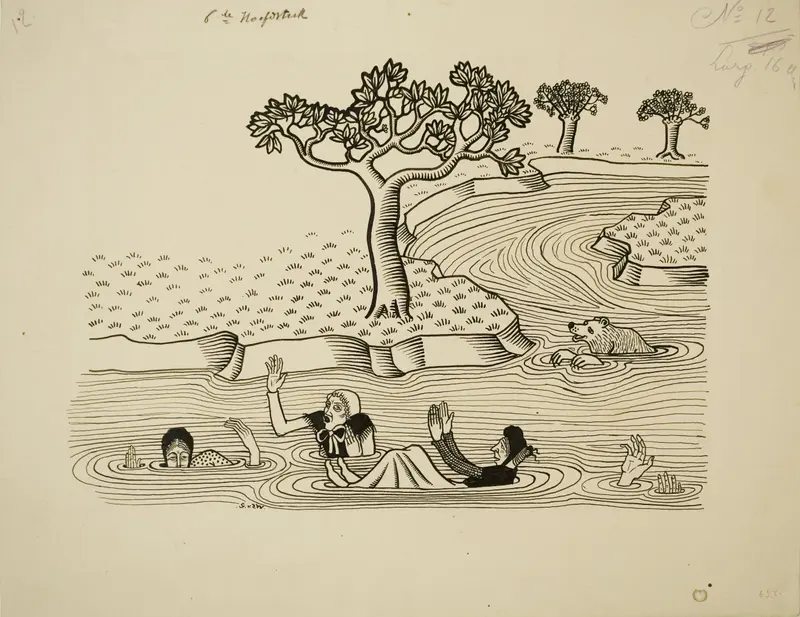
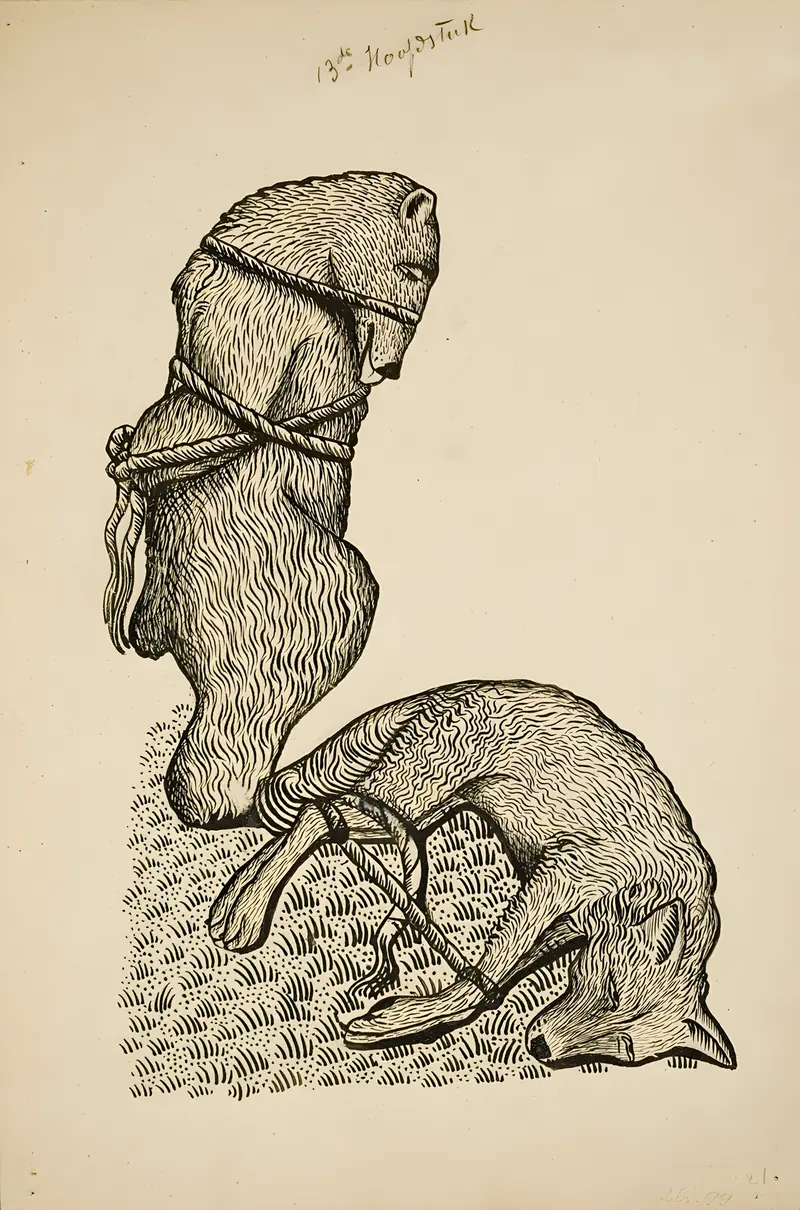
How Brown went out with Reynard where he thought he was eating honey and how he was caught by head and feet and suffered further misfortune
Gustave Van de Woestijne
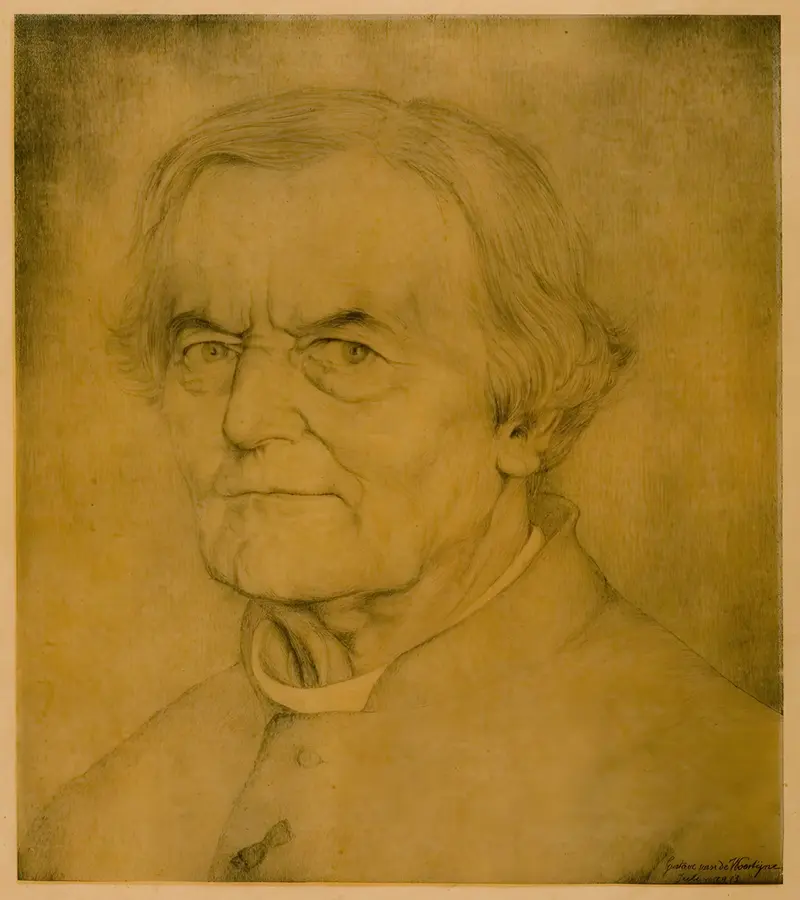
Portrait of Hugo Verriest
Gustave Van de Woestijne
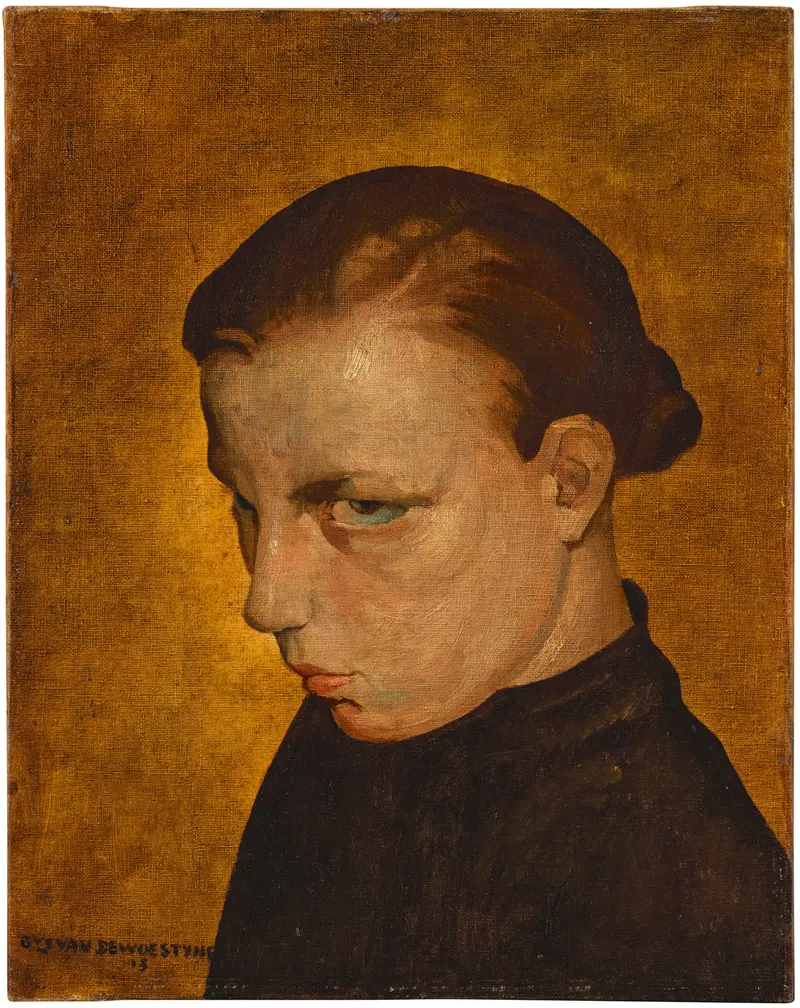
Angèle
Gustave Van de Woestijne
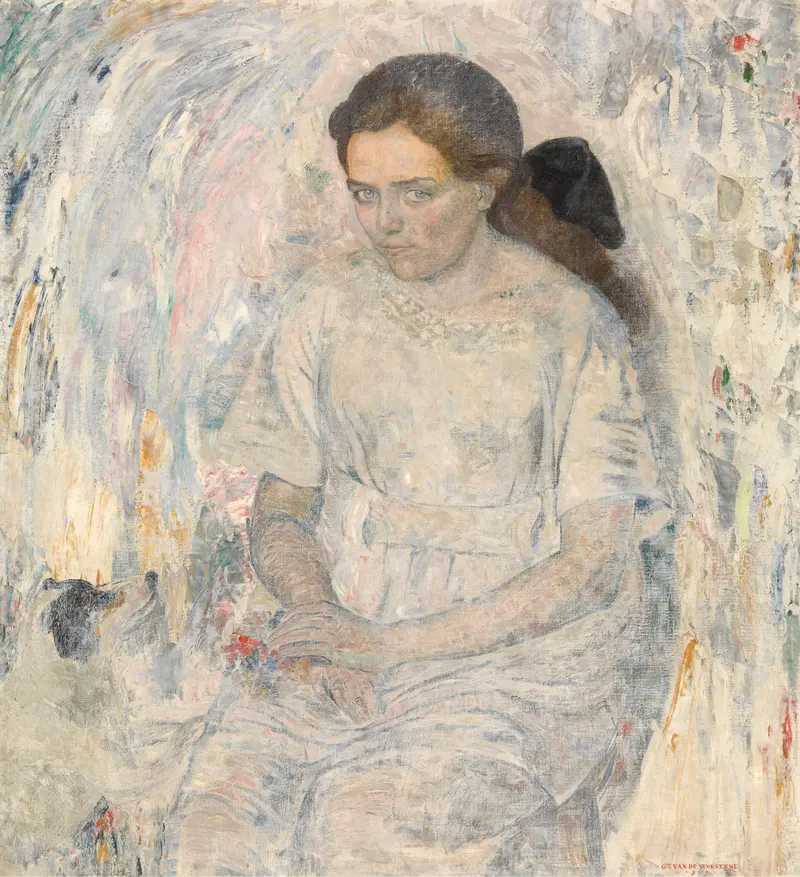
Adrienne
Gustave Van de Woestijne
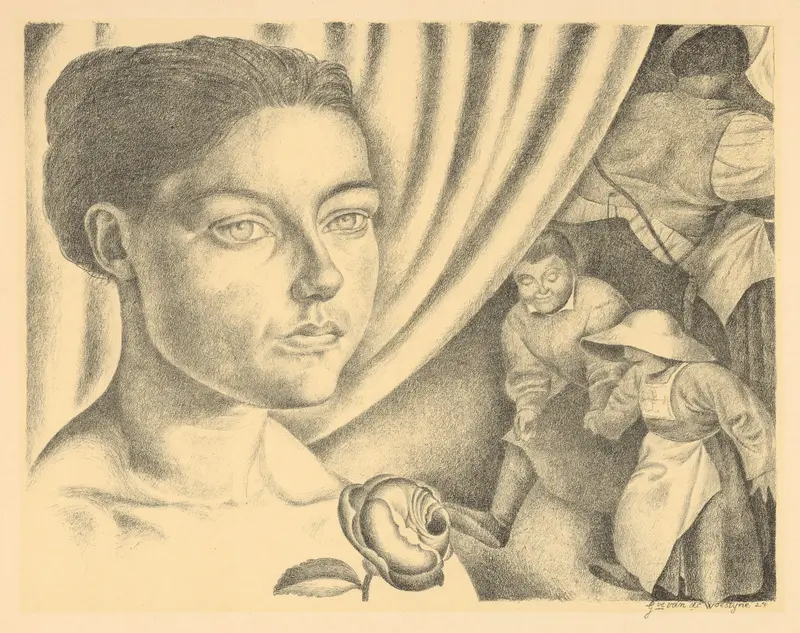
Jeune Femme
Gustave Van de Woestijne
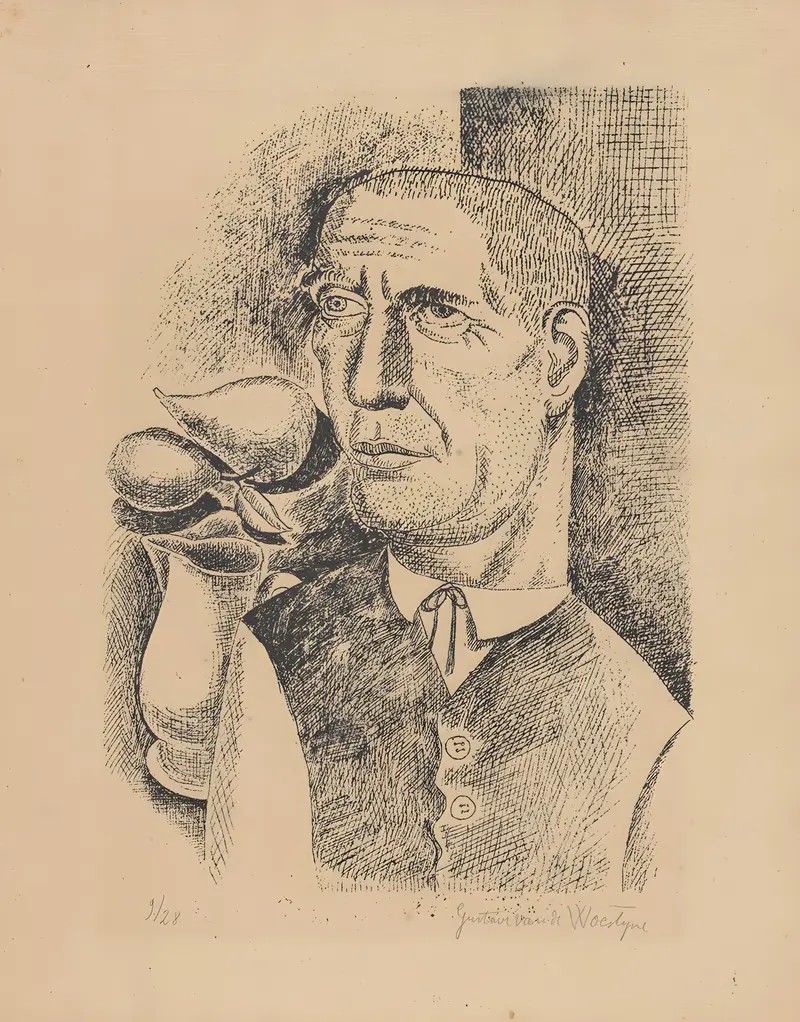
Boer op zijn zondags (Paysan endimanché)
Gustave Van de Woestijne
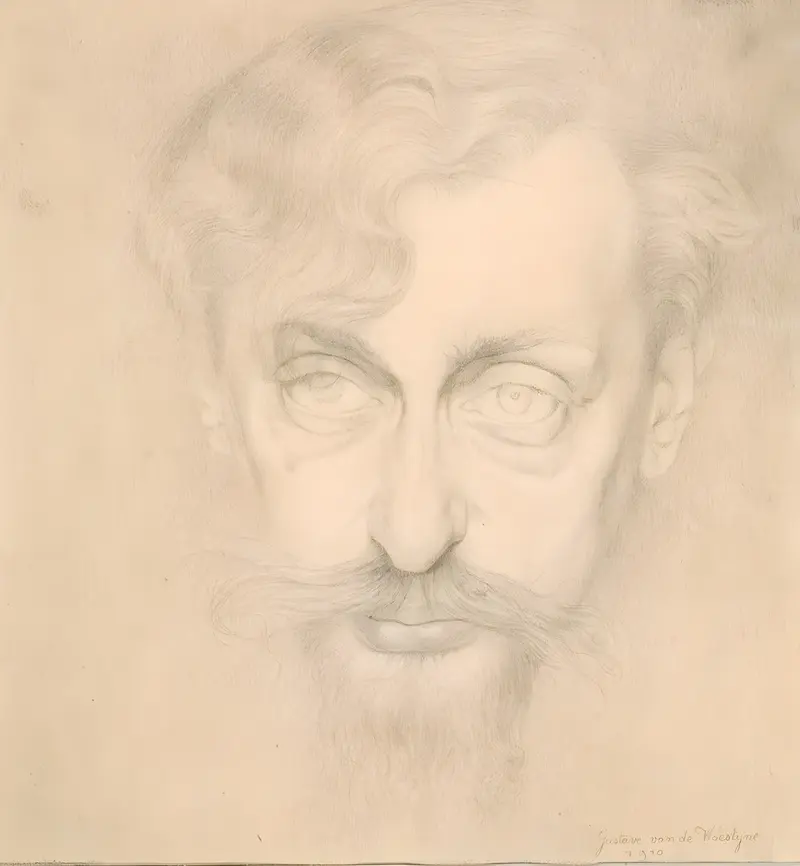
Portrait of the Writer Karel van de Woestijne
Gustave Van de Woestijne
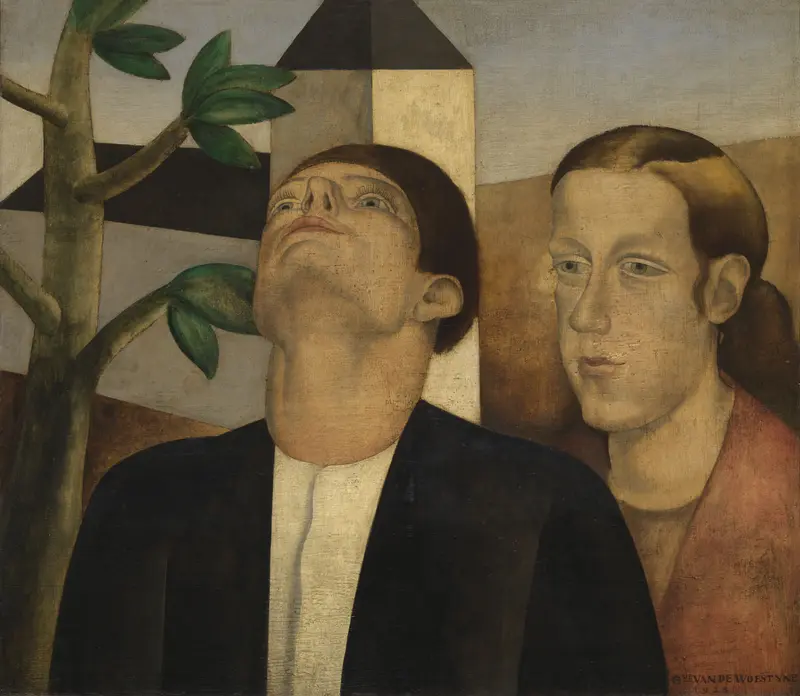
Azure
Gustave Van de Woestijne
How Reinaert devises a new trick to get free and exterminate his enemies
Gustave Van de Woestijne
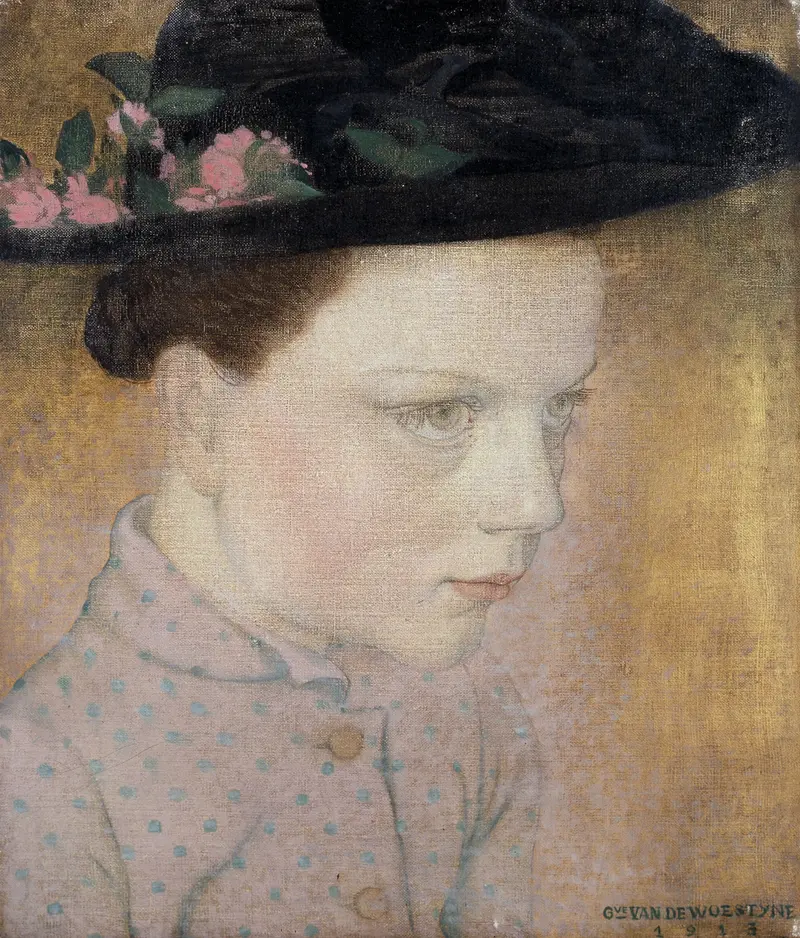
Country Girl
Gustave Van de Woestijne





