
Crucifixion and Last Judgement diptych — History & Facts
In the Crucifixion and Last Judgement diptych, Jan van Eyck achieves a rare feat: two panels, painted with astonishing detail, that together compress the sweep of Christian history from the agony of the cross to the final reckoning of souls. What makes this diptych especially intriguing is that its original purpose and patron remain unknown, despite van Eyck’s fame as court painter to Philip the Good. Unlike his celebrated portraits, these panels were likely intended for private devotion, and their small scale—each just over 56 centimeters high—invites viewers into a personal confrontation with the mysteries of faith. Van Eyck chooses the moment of Christ’s crucifixion at its most chaotic: soldiers gamble for garments, Mary swoons in grief, and Jerusalem’s city walls loom with chilling indifference.
Every figure is rendered with the artist’s signature precision—armor gleams, blood trickles, and the sky darkens above Golgotha. On the facing panel, the Last Judgement unfolds in terrifying order: Christ presides above, saints and angels flanking him, while the resurrected dead are sorted into the blessed and the damned. The artist’s use of light—harsh and clear in the Judgement, shadowed and oppressive at the Crucifixion—serves as a visual metaphor for hope and despair.
Compared to the swirling drama of Rogier van der Weyden’s Last Judgement, van Eyck’s vision is more forensic, almost chilling in its clarity. The physical history of the Crucifixion and Last Judgement diptych is as enigmatic as its origin. The panels have changed hands over centuries, with their earliest recorded appearance in the 19th century, long after van Eyck’s death in 1441. Their attribution to Jan van Eyck was debated until technical analysis confirmed the hand of the master.
Today, the diptych resides in the Metropolitan Museum of Art, New York, where it stands as a testament to van Eyck’s technical innovation and spiritual imagination at the height of the Northern Renaissance. Despite its mysteries, the work remains a touchstone for the era’s devotion and a window into the anxieties and hopes of the fifteenth century.
More Artworks by Jan van Eyck

Adam
Jan van Eyck
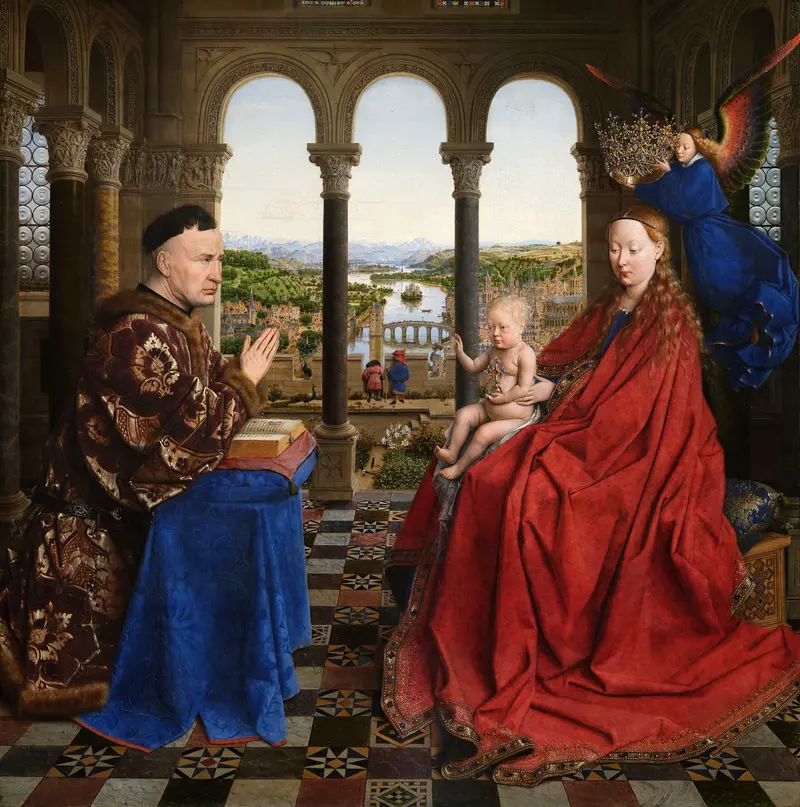
Madonna of Chancellor Rolin
Jan van Eyck
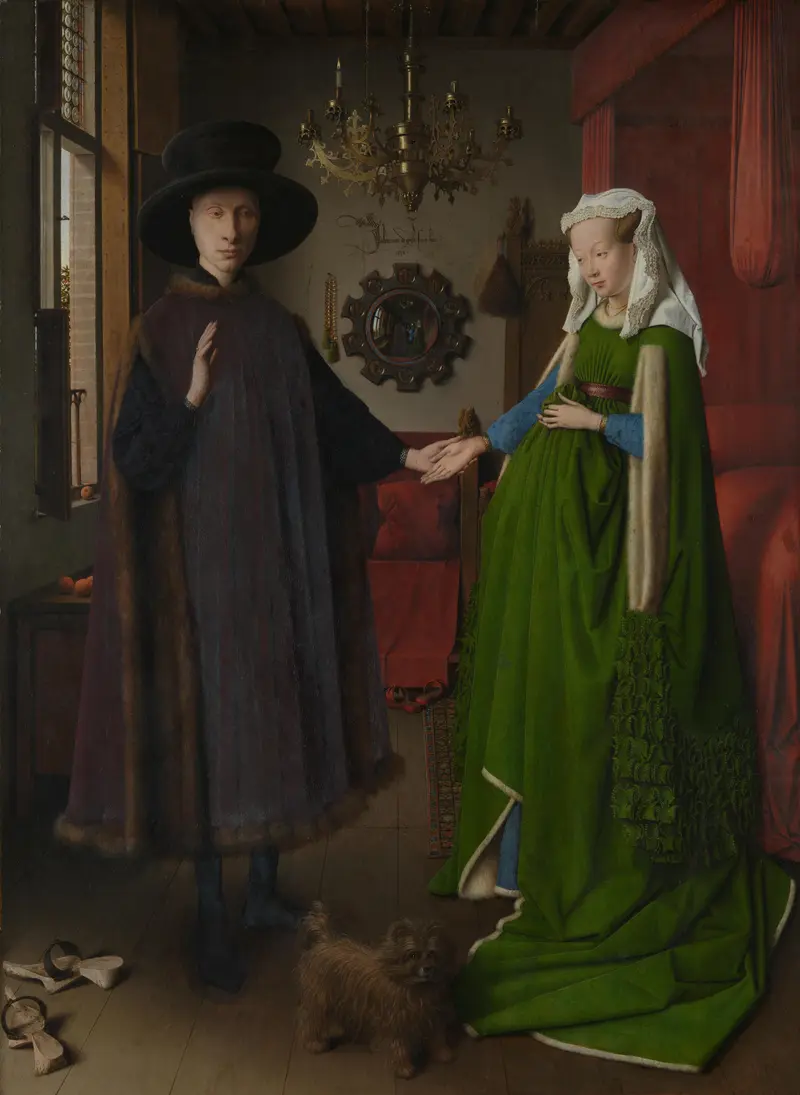
The Arnolfini Portrait
Jan van Eyck
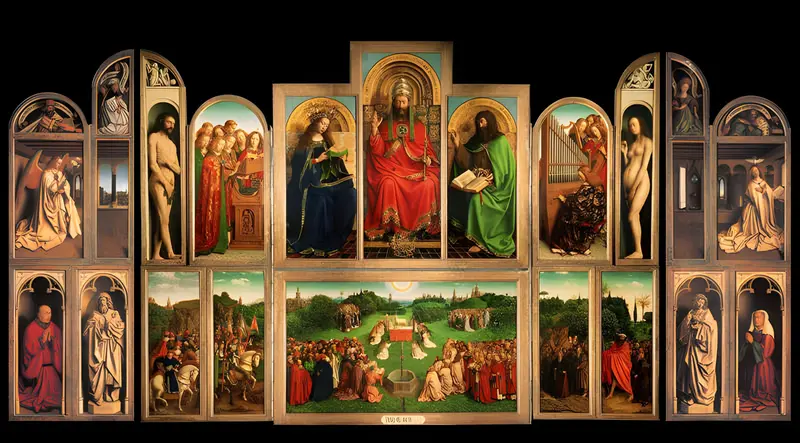
Ghent Altarpiece
Jan van Eyck

Dresden Triptych
Jan van Eyck
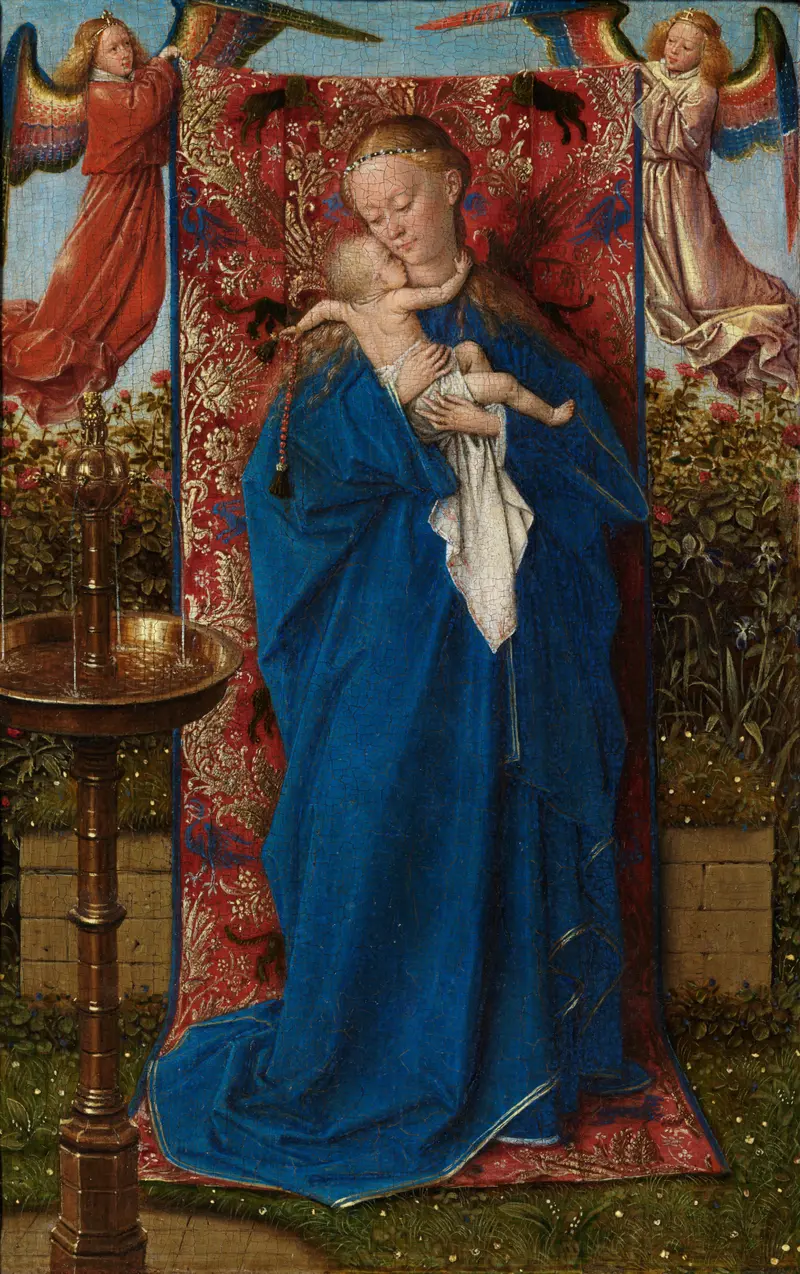
Madonna at the Fountain
Jan van Eyck

Madonna with Canon Joris van der Paele
Jan van Eyck

Prophet Zacharias; Angel of The Annunciation
Jan van Eyck
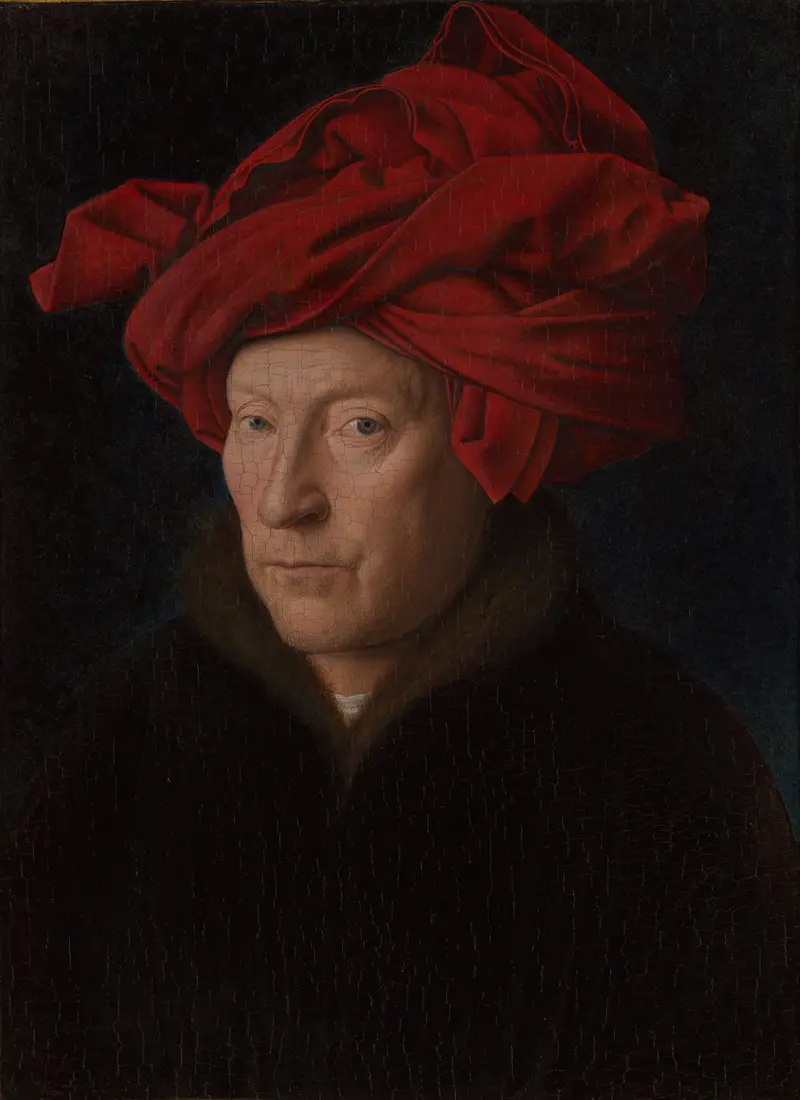
Portrait of a Man (Self Portrait?)
Jan van Eyck
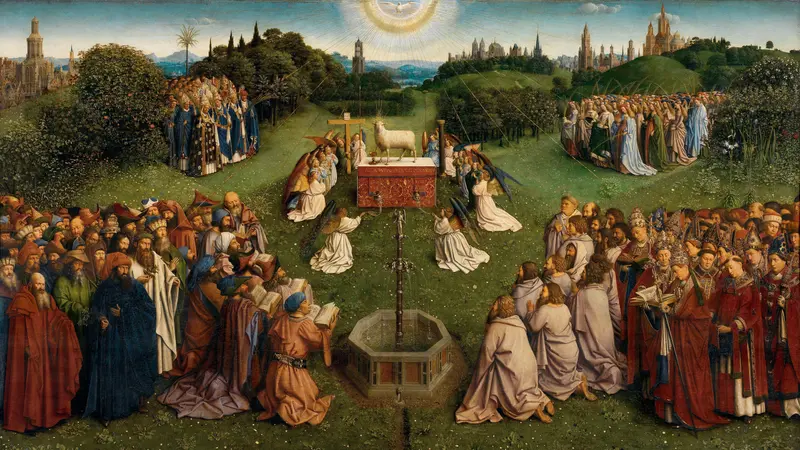
Adoration of the Lamb from the Ghent Altarpiece
Jan van Eyck





