Discover insights about this artwork
Crucifixion of St. Peter — History & Facts
Crucifixion of St. Peter depicts the apostle Peter being crucified upside down. He is shown with a distressed expression, surrounded by dark shadows and dramatic light.
The colors are rich and deep, with strong contrasts of light and dark typical of Caravaggio's style. The scene is intense, capturing the moment of his martyrdom with great emotion. In the painting, you can see Peter's hands gripping the cross, emphasizing the struggle he faces. The background is dark, which helps to highlight Peter's figure and the cross he is attached to.
The use of chiaroscuro, a technique that contrasts light and shadow, adds depth and drama to the scene. The details of Peter's clothing and the textures of the wood are painted with great precision. Caravaggio was a leading figure in the Baroque movement, known for his realistic and dramatic use of light. He created this artwork during the early 17th century, a time when religious themes were prominent in art.
One interesting fact about Caravaggio is that he often used real people as models, including himself, to achieve a lifelike quality in his work. His unique style has influenced countless artists and continues to be celebrated today.
More Artworks by Caravaggio
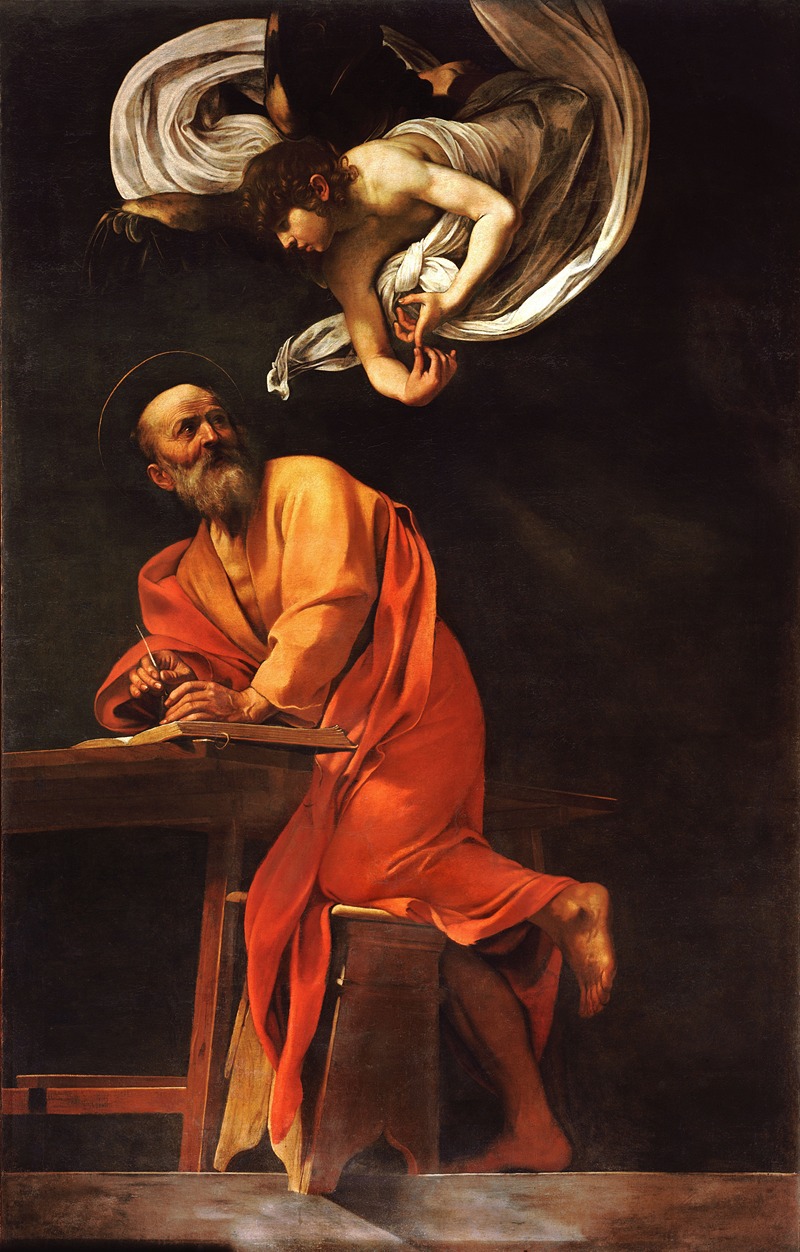
Saint Matthew and the angel
Caravaggio

Medusa
Caravaggio
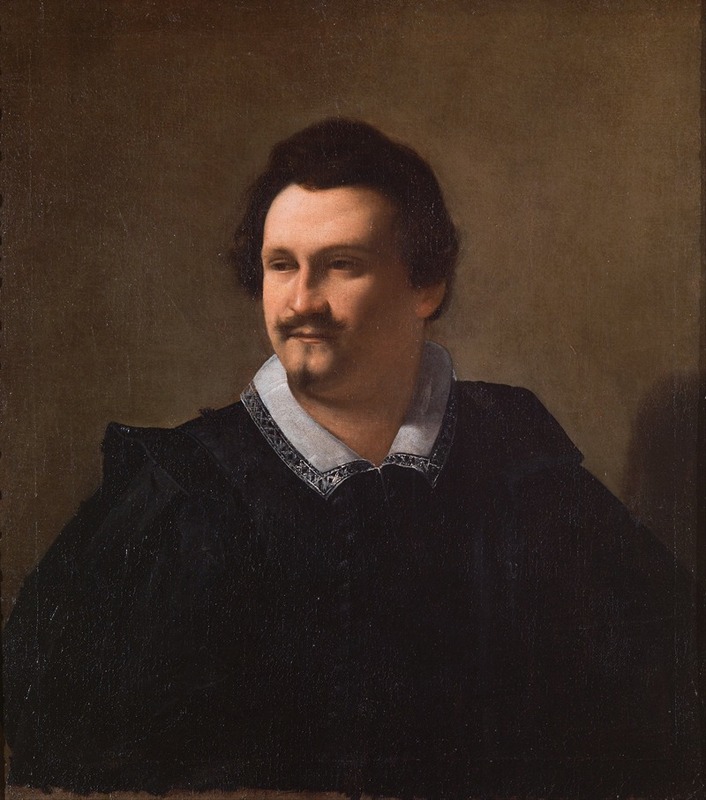
Portrait of a gentleman (Scipione Borghese)
Caravaggio
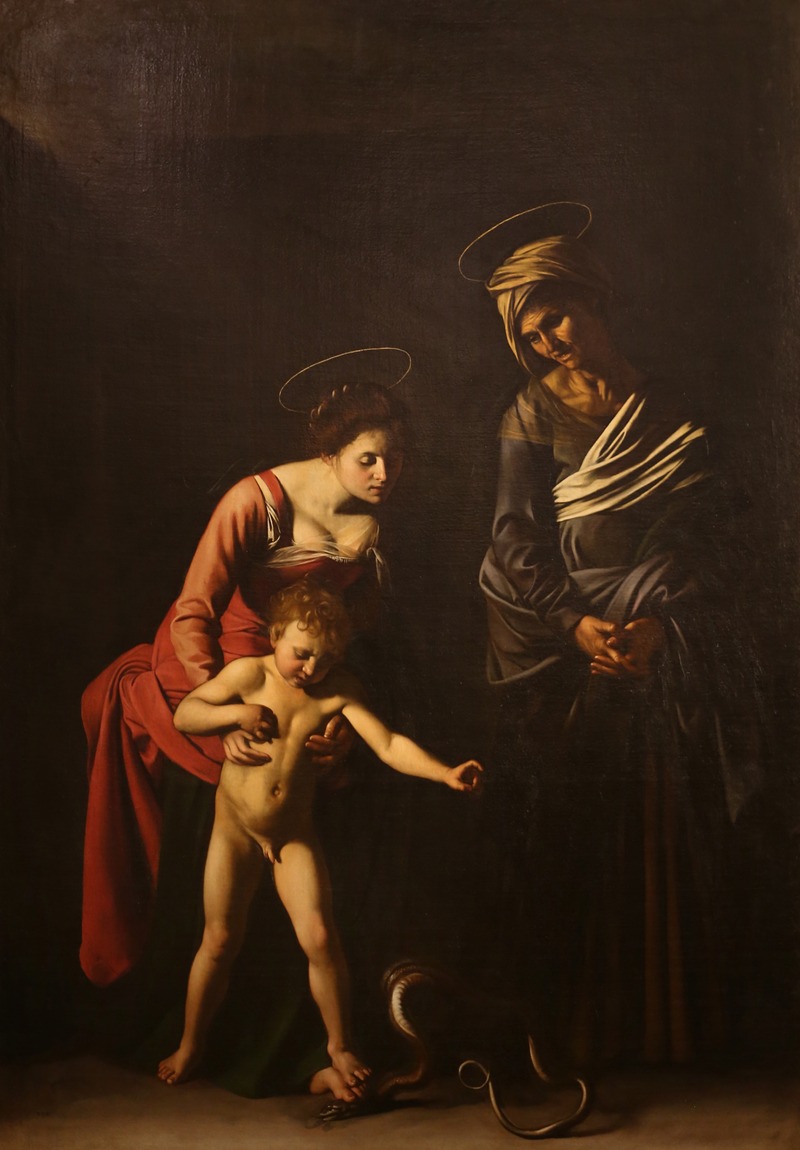
Madonna and Child with Saint Anne
Caravaggio
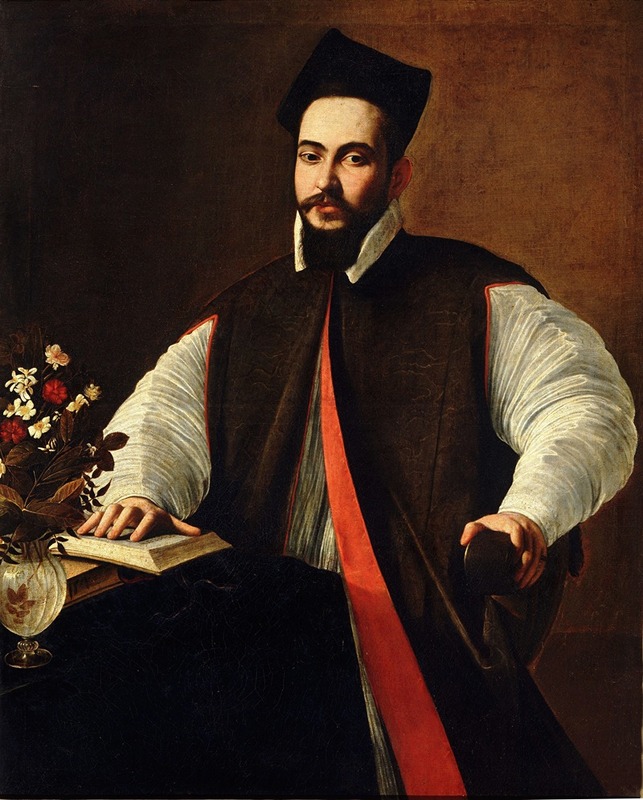
Portrait of Pope Urban VIII
Caravaggio
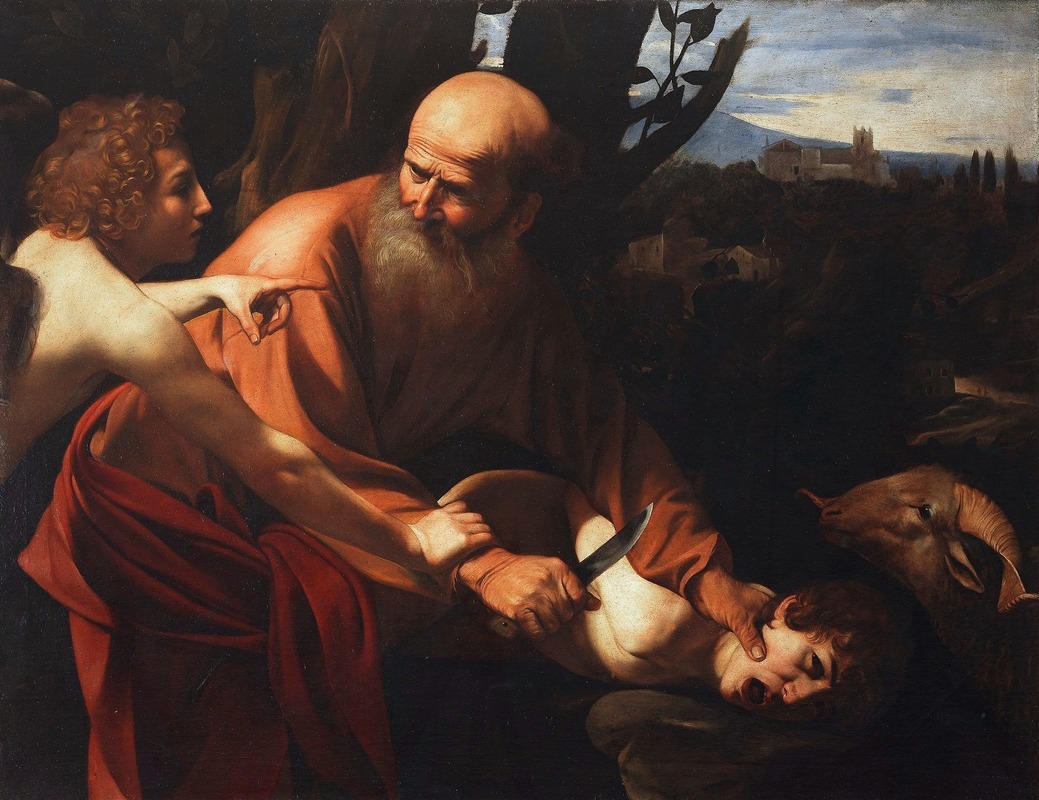
Sacrifice of Isaac
Caravaggio
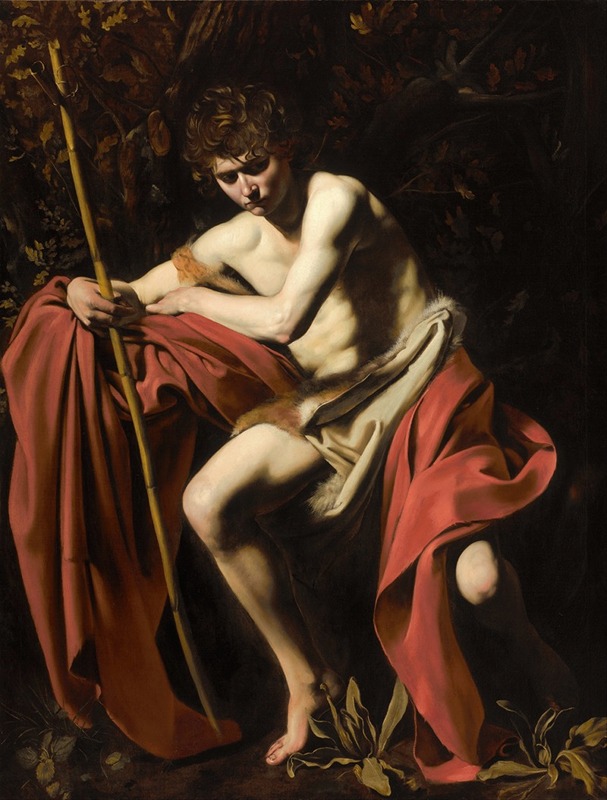
Saint John The Baptist In The Wilderness
Caravaggio
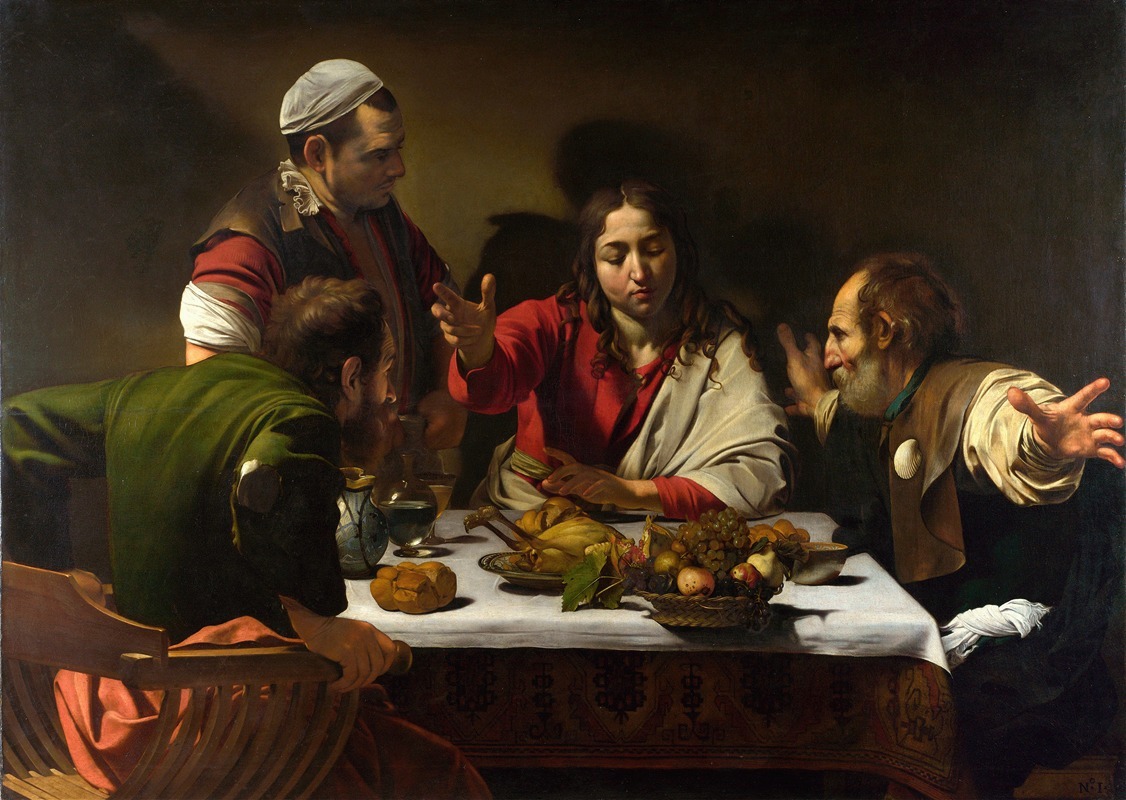
Supper at Emmaus
Caravaggio
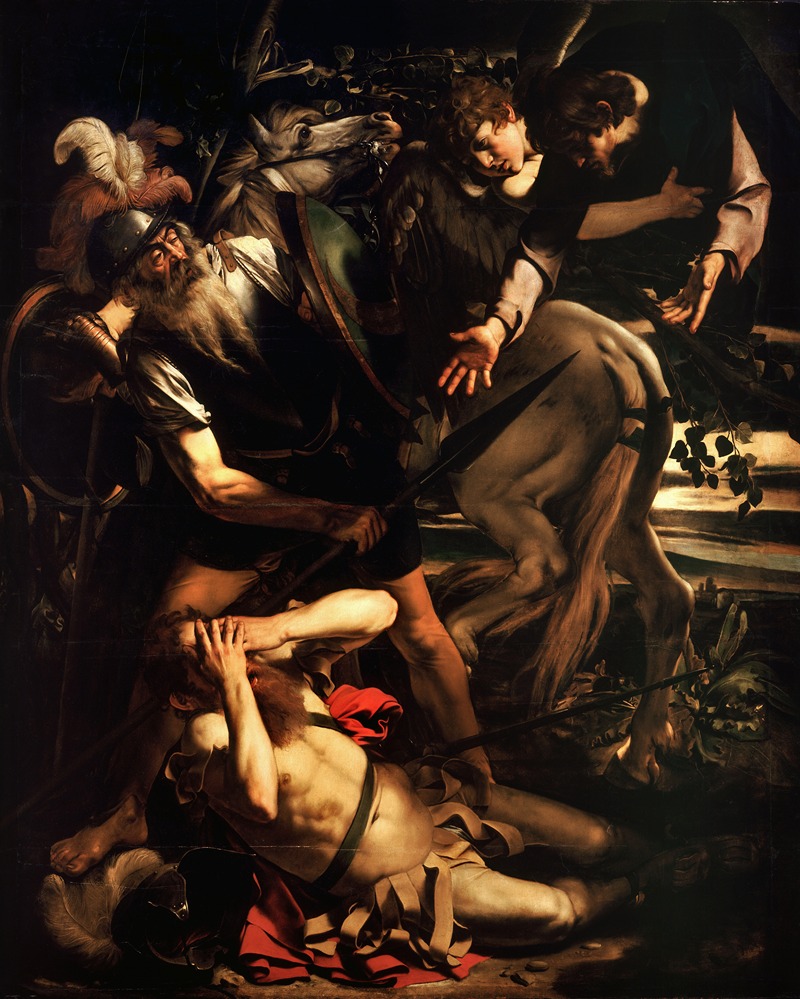
The Conversion of Saint Paul
Caravaggio
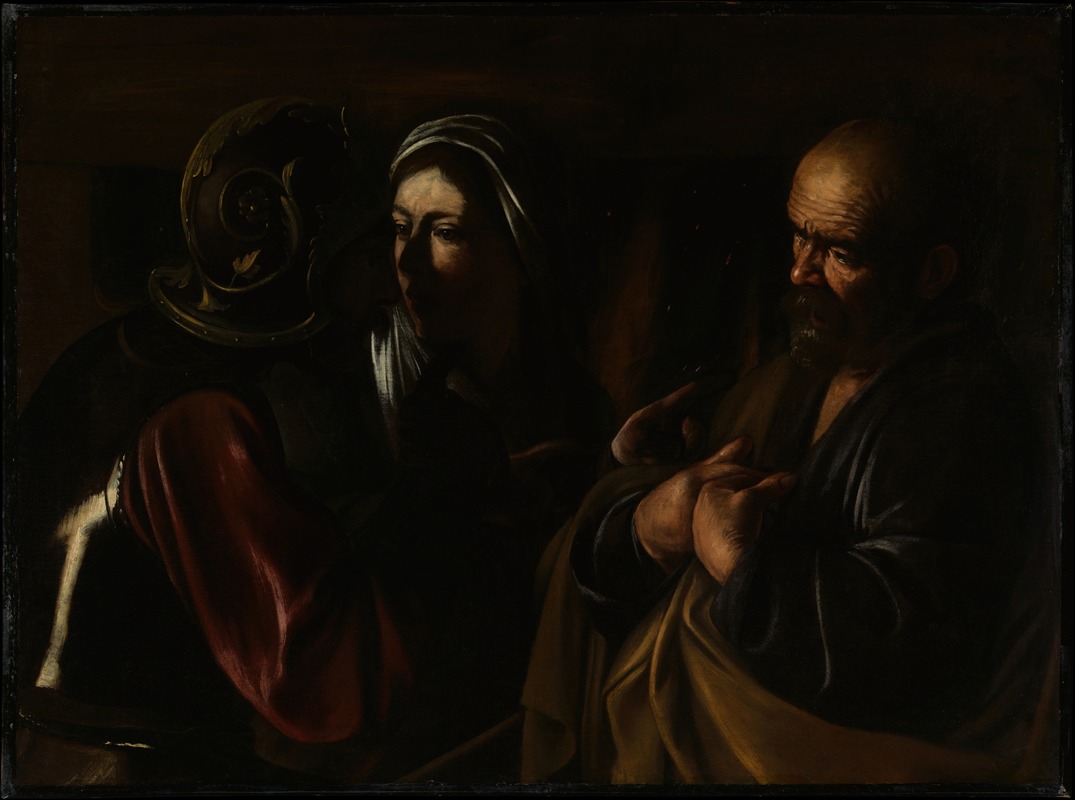
The Denial of Saint Peter
Caravaggio