
Curtois (Marcus Curtius) — History & Facts
Few legends from ancient Rome have inspired as many artists as the tale of Marcus Curtius, the young Roman who, according to Livy, leapt into a chasm in the Forum to save his city. François Gérard’s Curtois (Marcus Curtius) stands out for its rare focus on the crucial instant of sacrifice, a moment that, for centuries, symbolized the ultimate act of civic virtue. The story’s enduring appeal lies in its blend of myth and patriotism, and Gérard’s interpretation is one of the few to capture the drama at its most intense, rather than its aftermath. At the center of the canvas, Marcus Curtius, armored and astride his rearing horse, prepares to plunge into the yawning earth.
Gérard freezes the narrative at the second before the leap: Curtius’s outstretched arm and resolute gaze draw the viewer’s eye, while the desperate gestures of the crowd around him underscore the gravity of his decision. The gleaming armor and crimson cloak mark him as both a soldier and a sacrificial victim, echoing the Roman ideal of duty over self. Where earlier artists, such as Rubens in his own version, chose to emphasize the chaos of the crowd, Gérard isolates Curtius, making his solitary courage the painting’s true subject. The precise origins of Curtois (Marcus Curtius) remain uncertain, as neither its commission nor its first owner is documented.
Nevertheless, the work reflects François Gérard’s fascination with classical heroism, a theme that runs through his career in the late eighteenth and early nineteenth centuries. While the painting’s early history is unclear, it has been recognized as a significant example of French Neoclassicism, admired for its clarity and psychological focus. Today, it serves as a testament to Gérard’s ability to translate ancient legend into a living image, inviting each new viewer to consider the cost and meaning of sacrifice.
More Artworks by François Gérard

Portrait of Emperor Napoleon I
François Gérard
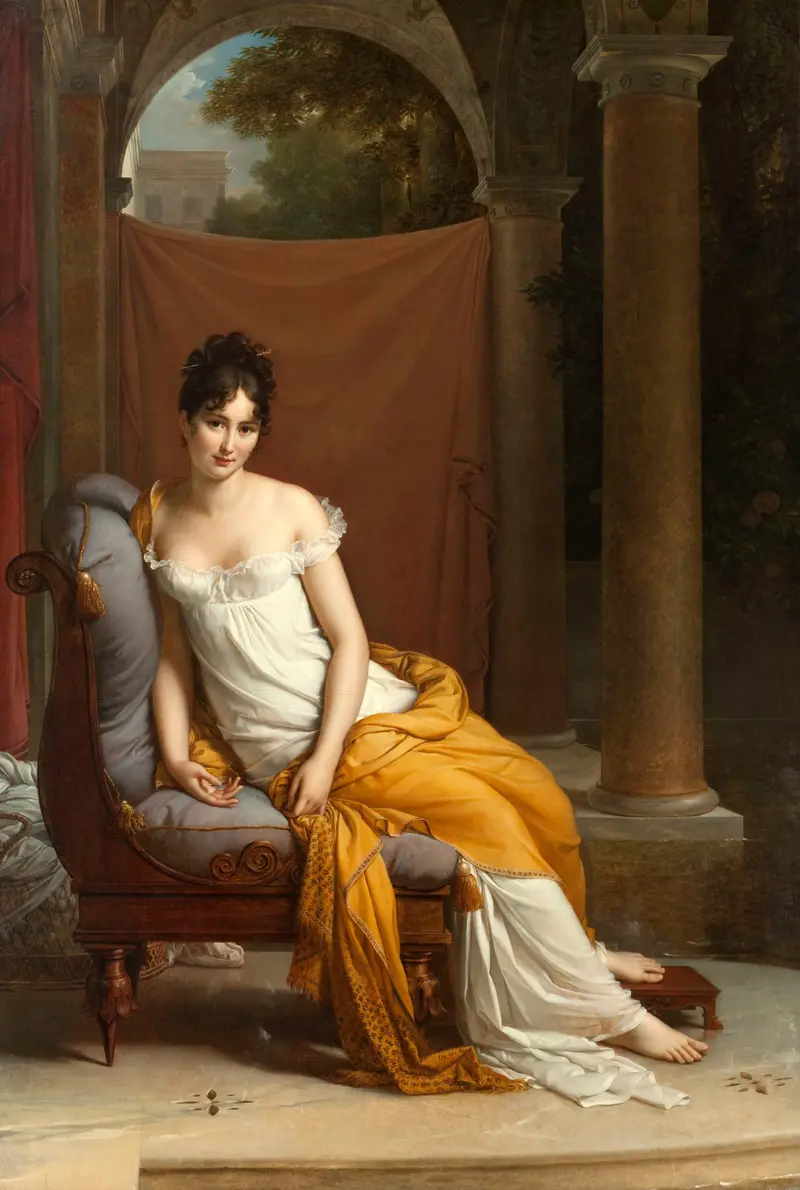
Portrait of Juliette Récamier, née Bernard
François Gérard
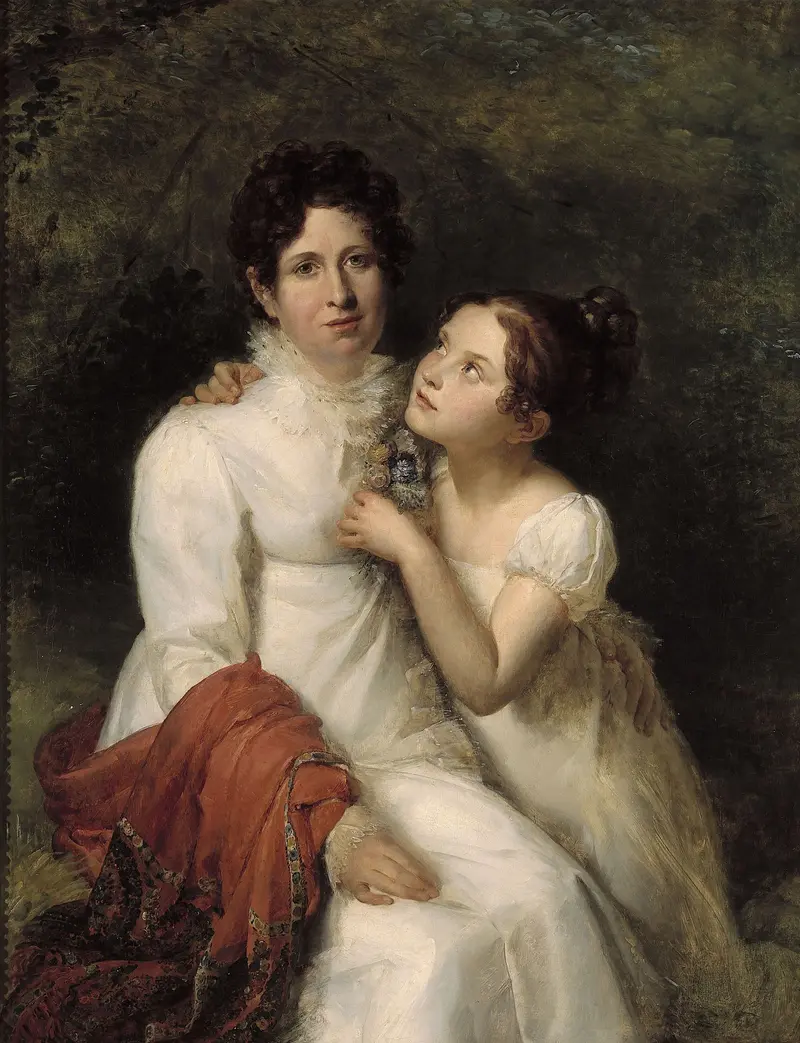
Portrait de Madame Bauquin Du Boulay et de sa nièce Mademoiselle Bauquin de La Souche
François Gérard
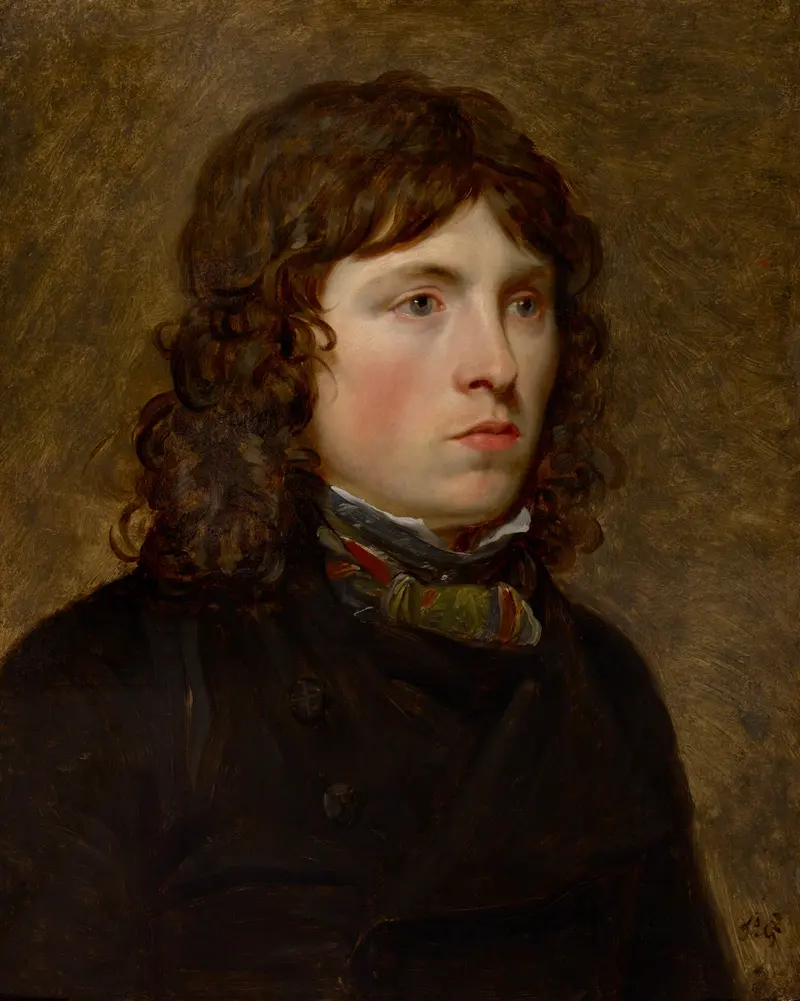
Portrait of G. F. Reverdin
François Gérard
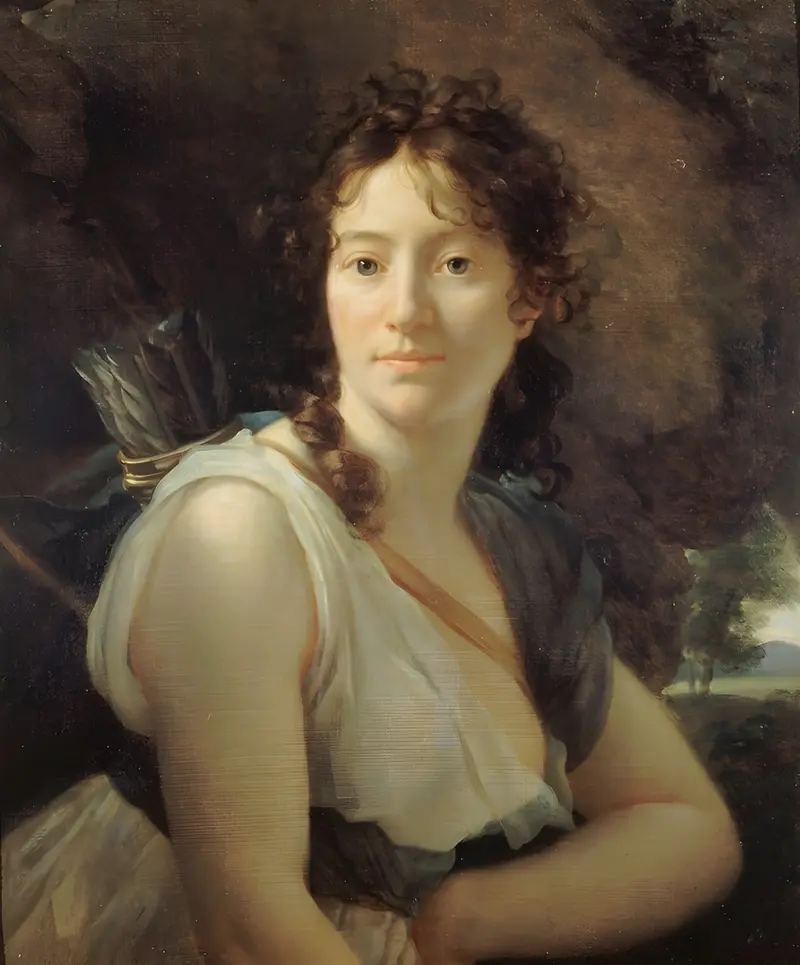
Portrait Of Mademoiselle Duchesnois (1777-1835), Member Of The Comédie-Française, In The Role Of Dido.
François Gérard
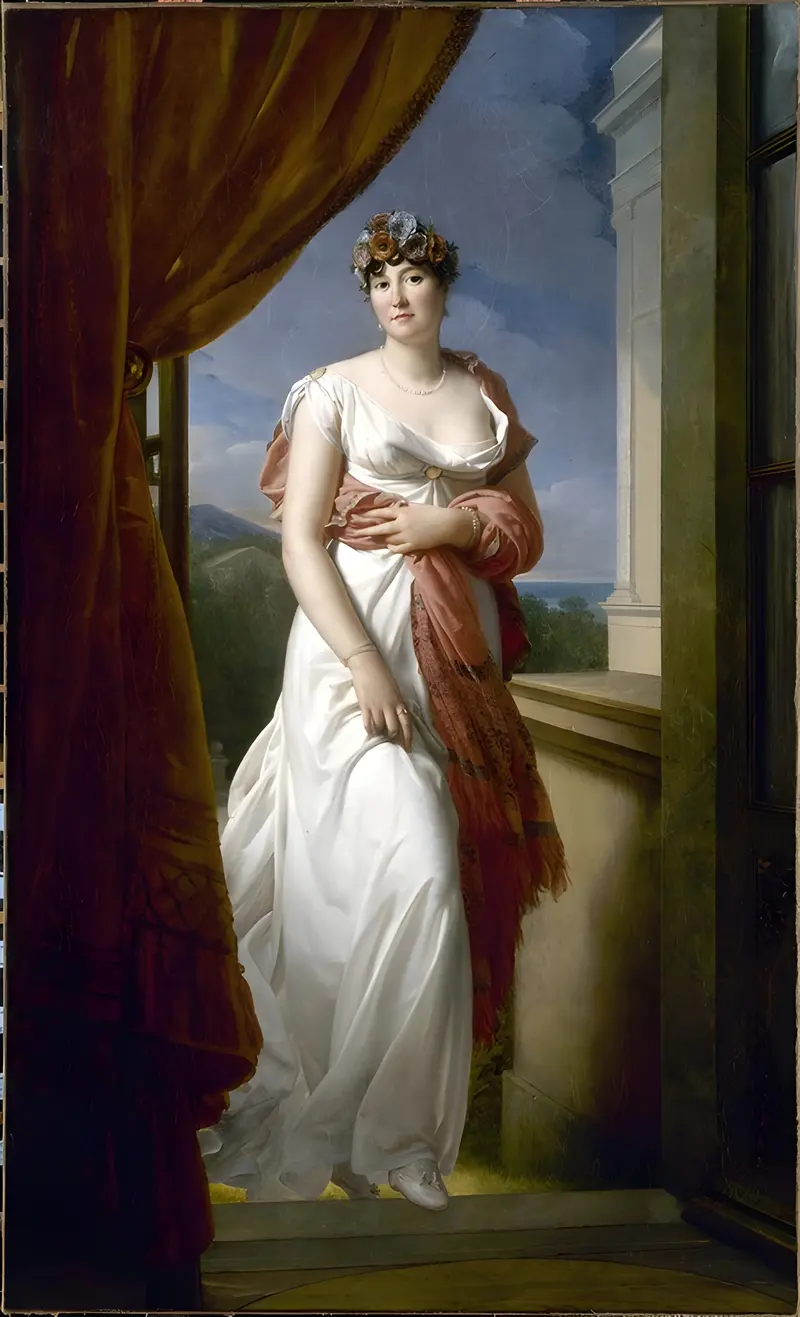
Portrait Of Theresia Cabarrus (1773-1835), Wife Tallien, Then Princess Of Caraman-Chimay
François Gérard
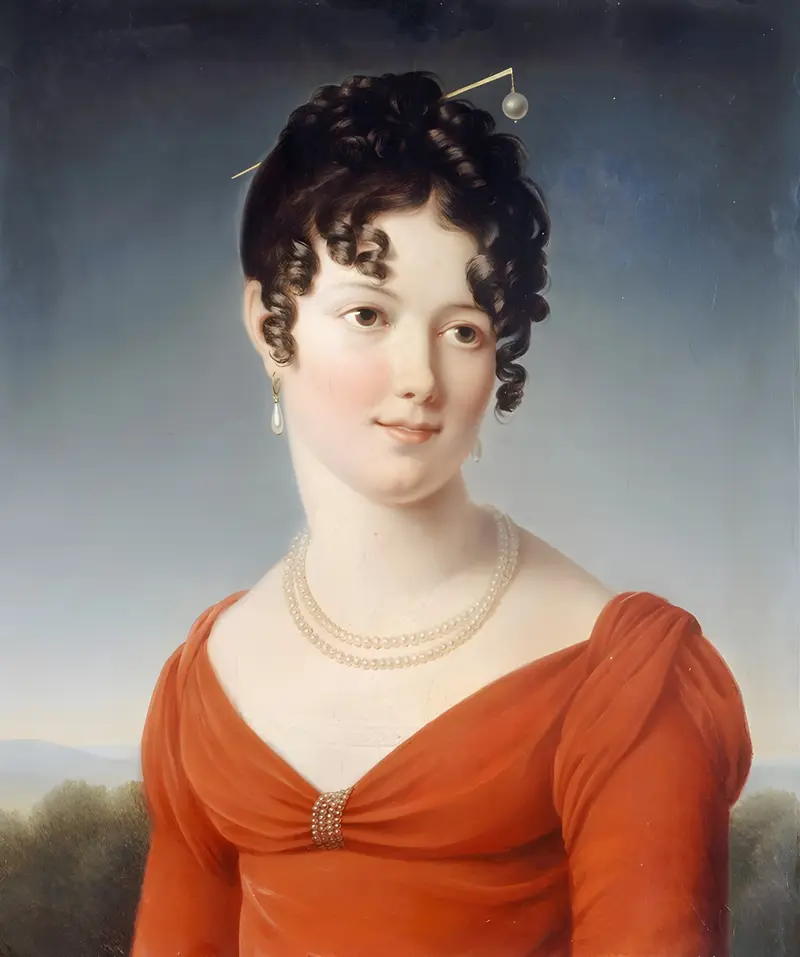
Bust Portrait Of Alexandrine-Anne De La Pallu, Marquise De Flers (1786-1832)
François Gérard
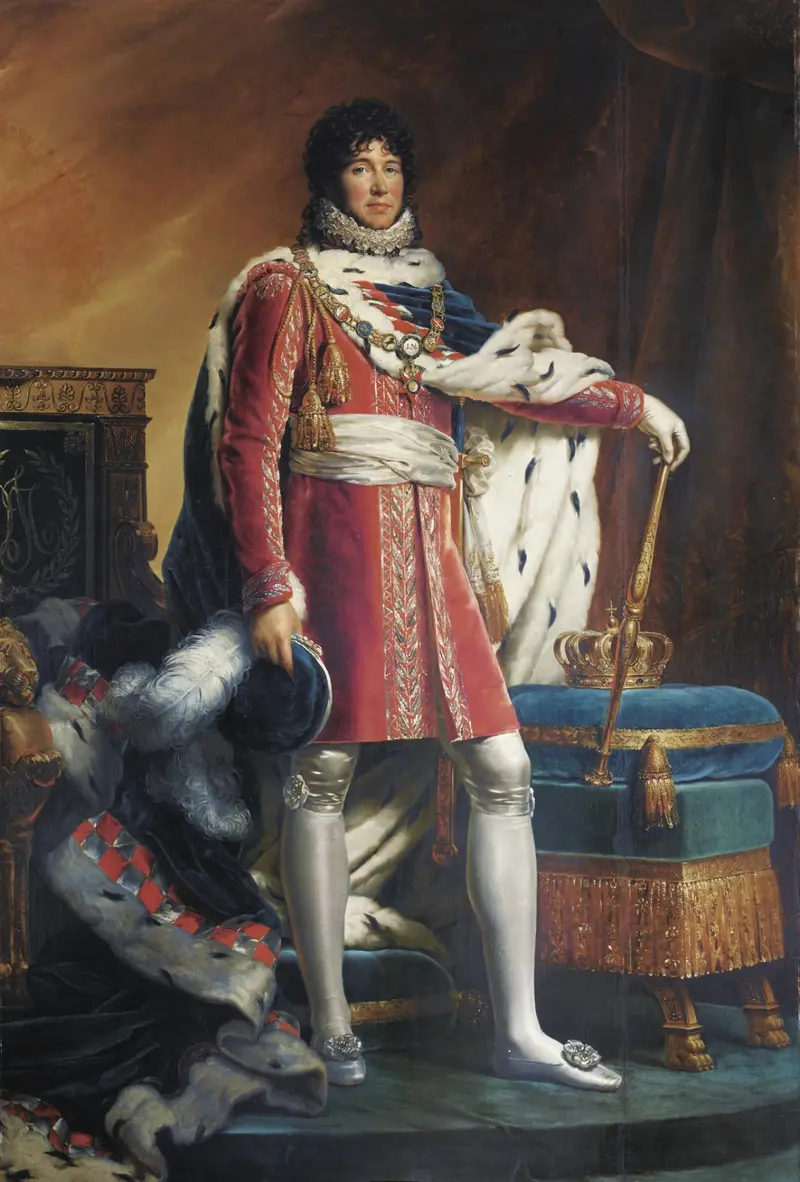
Portrait of Joachim Napoléon Murat, King of Naples and of the two Sicilies
François Gérard
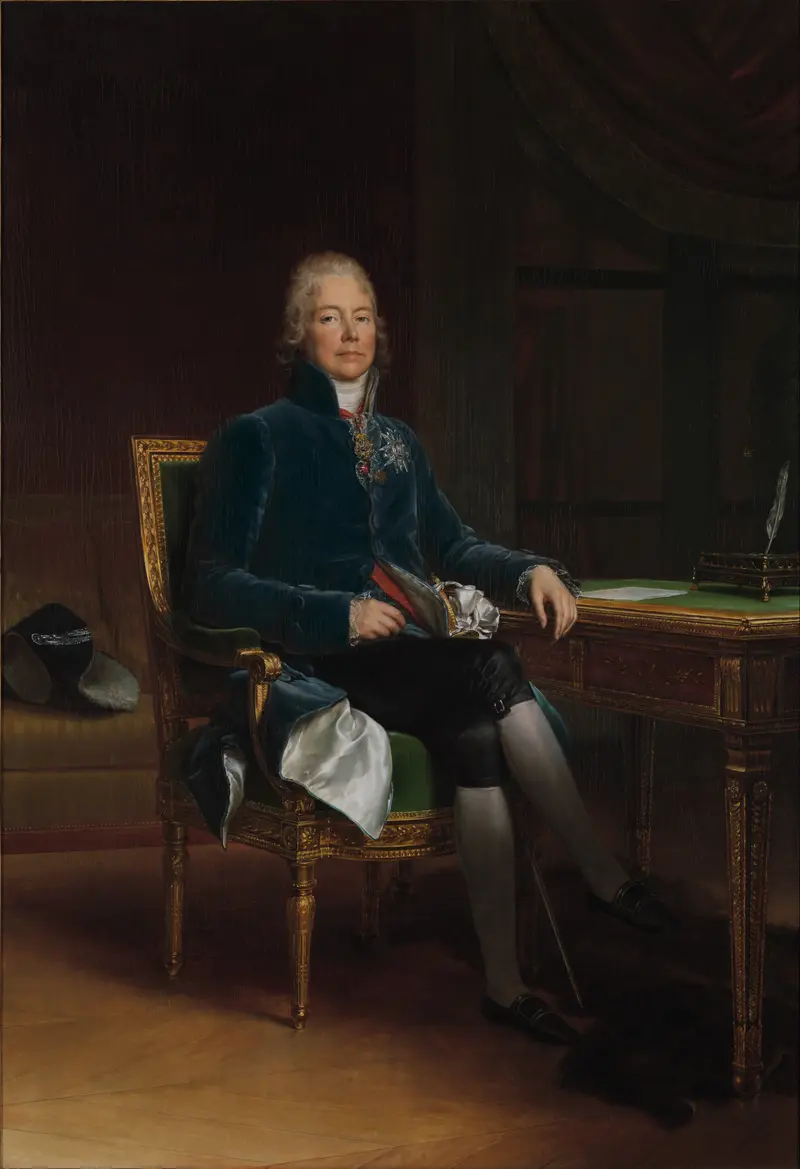
Charles Maurice de Talleyrand Périgord (1754–1838), Prince de Bénévent
François Gérard
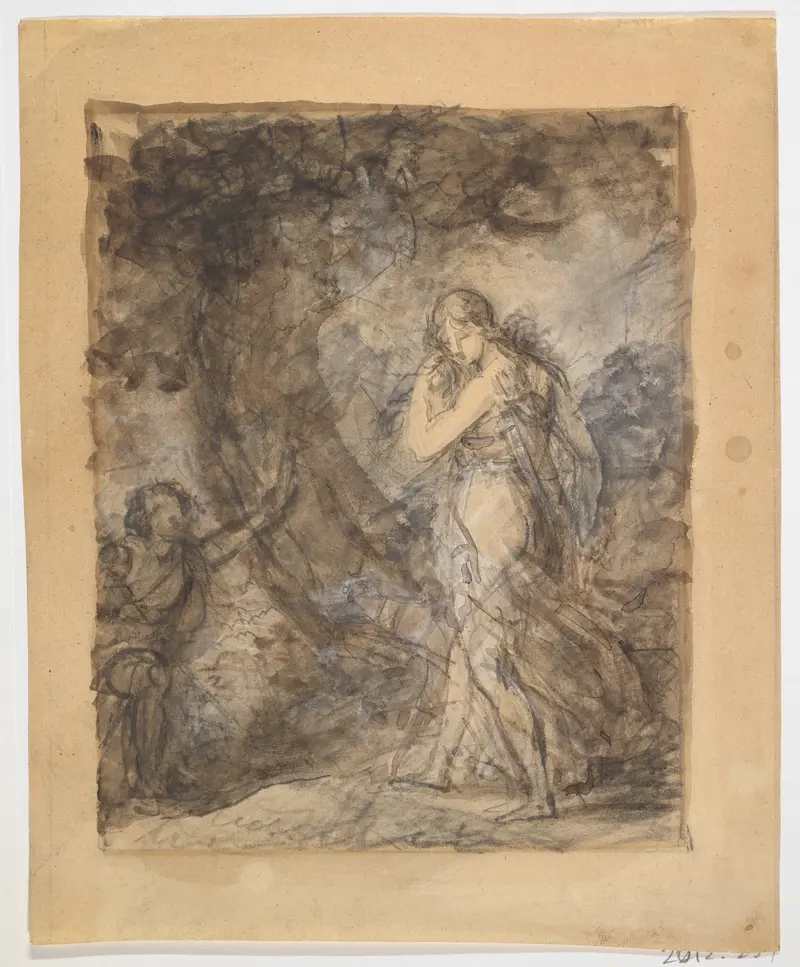
Daphnis Running toward Chloe
François Gérard





